Understanding directions Addition & Subtraction Worksheets for Ages 6-9
3 filtered results
-
From - To
Explore our "Understanding Directions Addition & Subtraction Worksheets" designed specifically for children ages 6-9! These engaging worksheets help young learners improve their math skills by focusing on following directions and interpreting questions correctly. Each activity is tailored to encourage critical thinking while practicing essential addition and subtraction concepts. With a variety of fun exercises, children will build confidence and enhance their problem-solving abilities. Perfect for classroom use or home practice, our worksheets provide both visual and interactive elements to captivate their interest. Start your child’s math journey today and watch them thrive in understanding directions in problem-solving!
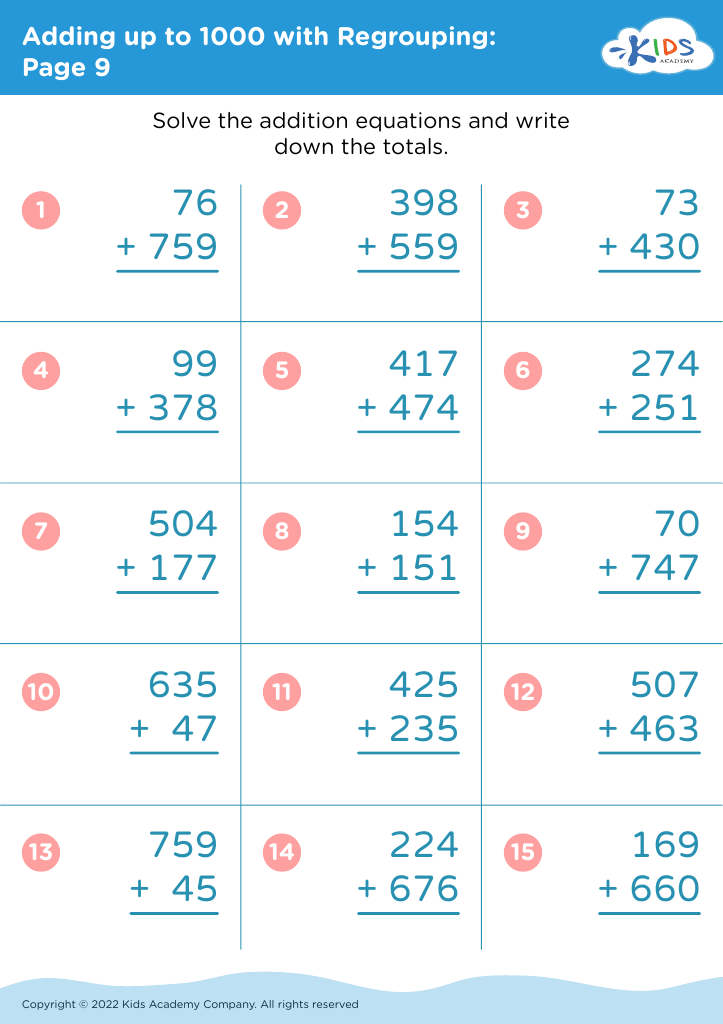
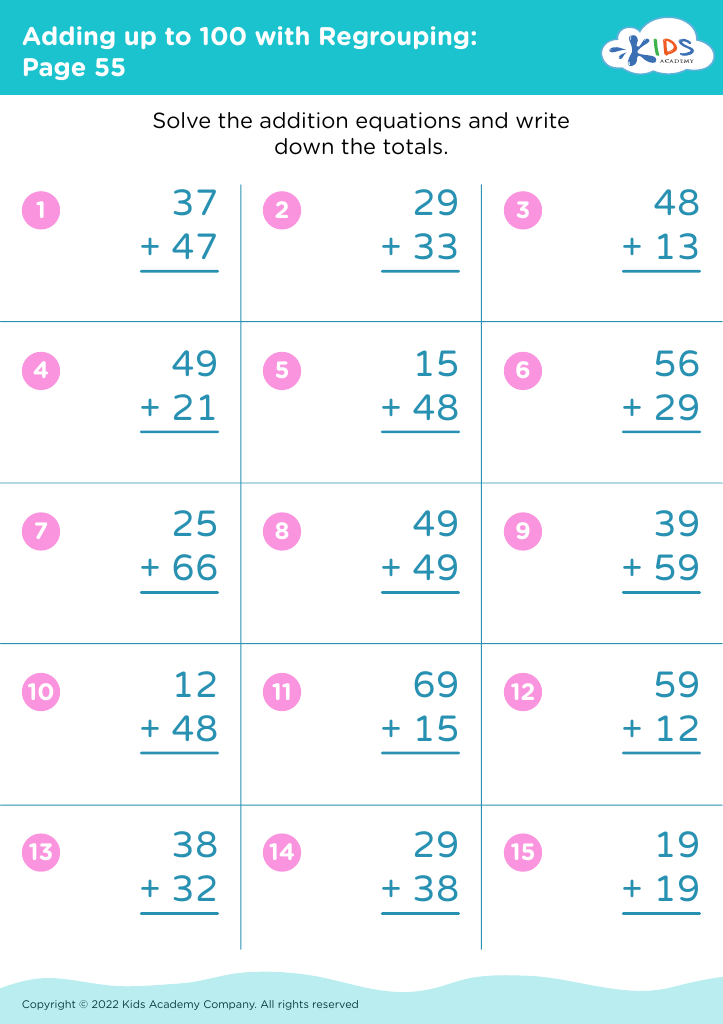
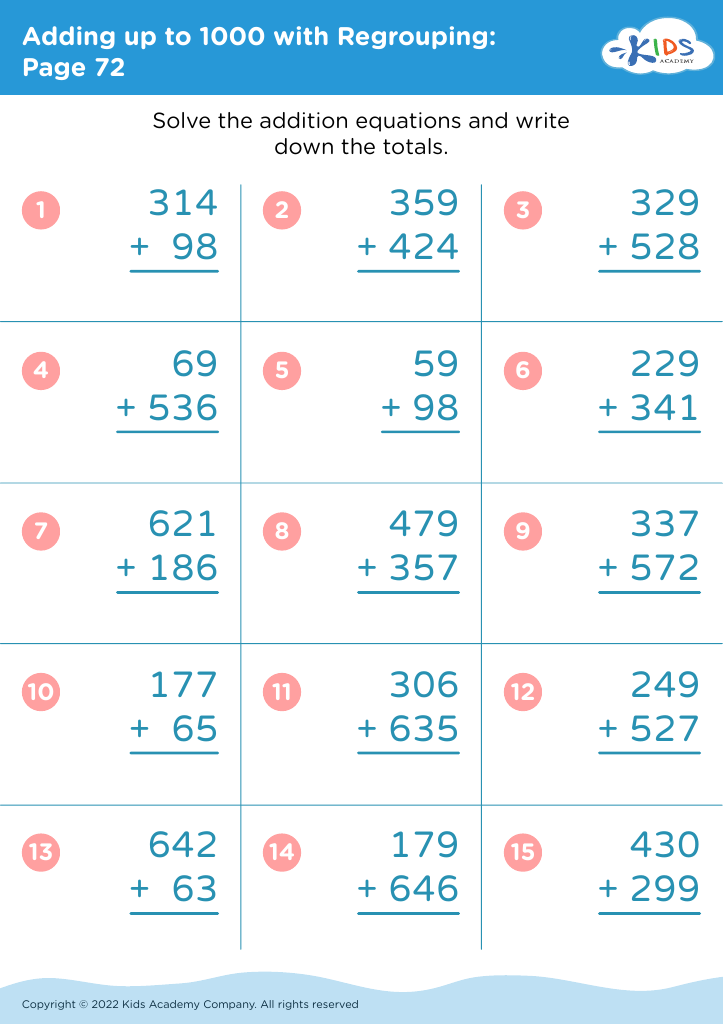








Understanding directions in addition and subtraction is crucial for children aged 6-9, as this foundational skill sets the stage for their mathematical development. Young learners begin to navigate complex problems at this age, and clear comprehension of how to follow directions impacts their overall problem-solving abilities. When parents and teachers prioritize teaching children how to accurately interpret and follow instructions, they help foster critical thinking and reasoning skills that extend beyond math.
Moreover, mastering these skills builds confidence in students, encouraging them to tackle more challenging math concepts as they progress through their education. Additionally, this age group often deals with word problems that require not only mathematical operations but also an understanding of the language used. By supporting kids in learning how to deductively approach these problems, parents and educators empower them to seek solutions independently.
Furthermore, the ability to follow directions in math contributes to social-emotional skills. Children learn patience and perseverance while working through problems, promoting resilience. Overall, fostering good understanding of addition and subtraction directions can enhance academic performance, build confidence, and nurture a growth mindset, making it essential for parents and educators to actively engage in this aspect of learning.








