
Understanding money Addition & Subtraction Worksheets for Ages 6-9
4 filtered results
Difficulty Level
Grade
Age
-
From - To
Subject
Activity
Standards
Dive into the world of finance with our "Understanding Money Addition & Subtraction Worksheets" tailored for ages 6-9. Designed to make math engaging and practical, these worksheets help children grasp essential arithmetic while introducing financial literacy concepts. Engaging activities include counting coins, making change, and simple transactions, blending real-world scenarios with fundamental math skills. Ideal for both classroom and home learning, these worksheets bolster confidence in handling money and mastering addition and subtraction. Equip young learners with the tools they need for everyday life, while nurturing their mathematical abilities and financial understanding. Perfect for curious minds, ready for comprehensive, interactive learning!
Favorites
With answer key
Interactive
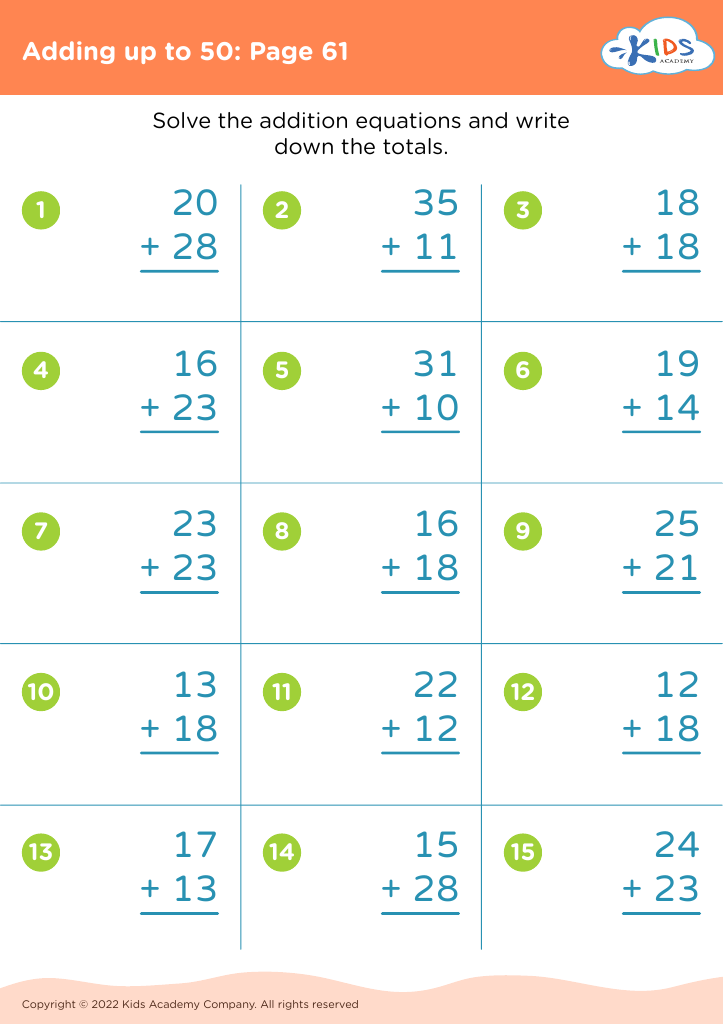
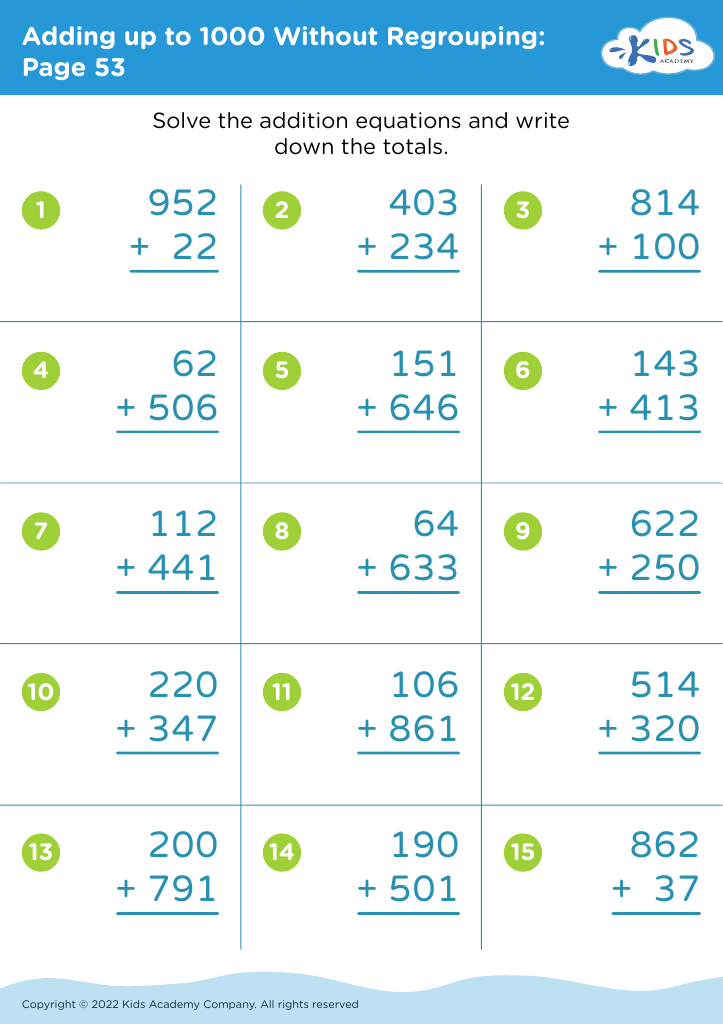
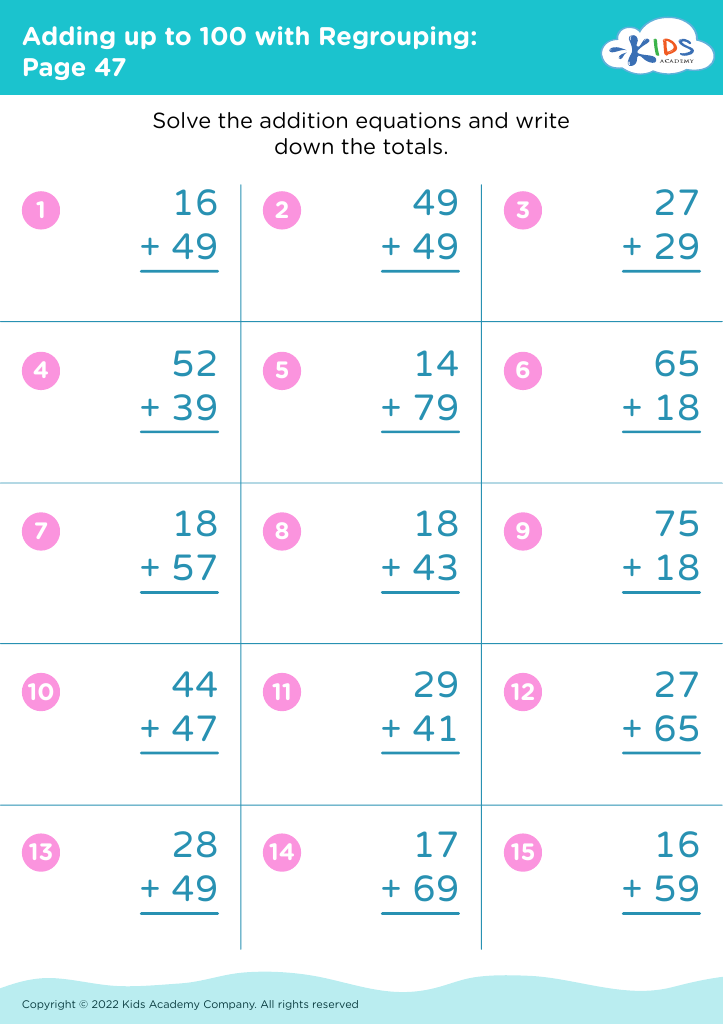
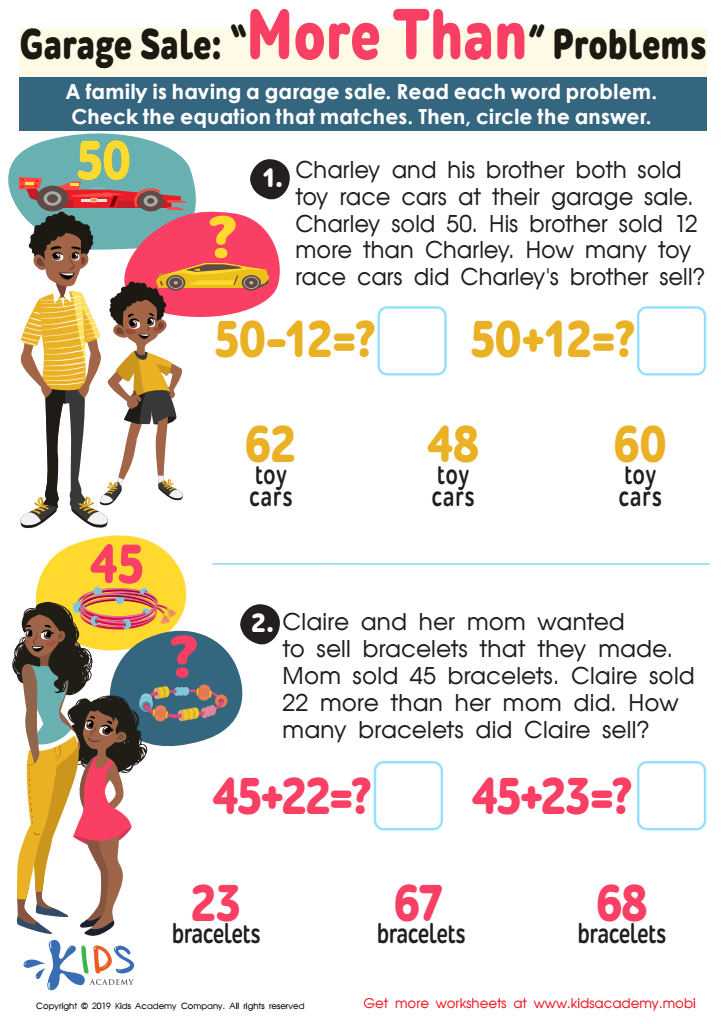
Garage Sale - More yhan Worksheet
The whole family can join in on the fun with this free worksheet! It helps kids practice math word problems while assisting their friends with a garage sale. Kids learn to identify "More Than" key words and pick the right equation, improving their order of operations skills. Download the PDF and get started!
 Assign to My Students
Garage Sale - More yhan Worksheet
Worksheet
Join Kids Academy for Free
Who is primarily going to use this learning content?








Understanding basic money concepts, including addition and subtraction, is crucial for children aged 6-9 as it lays the foundation for responsible financial behaviors in adulthood. At this formative stage, youngsters are developing their cognitive skills and starting to interact with the world in more complex ways. Grasping monetary values, counting coins, and making simple transactions not only strengthens their numeracy skills but also introduces important life concepts.
To begin with, knowing how to add and subtract using money teaches kids practical math skills. These skills are critical for everyday activities like shopping or saving allowances. For example, if they receive $5 weekly, understanding addition helps track how much they have accrued, while subtraction helps them grasp spending implications.
Furthermore, blending math with money management nurtures financial literacy early on. Children who can navigate money-related tasks confidently are more likely to grow into adults who manage their finances well. This includes budgeting, saving, and avoiding debt.
Educationally, these lessons help them connect theoretical math skills to real-world scenarios, deepening their engagement and comprehension. Fostering such an integrated understanding encourages positive attitudes towards both math and responsible financial behaviors, setting the stage for lifelong success. Therefore, parents and teachers should prioritize including money math in early education.








