Understanding time Addition & Subtraction Worksheets for Ages 6-9
6 filtered results
-
From - To
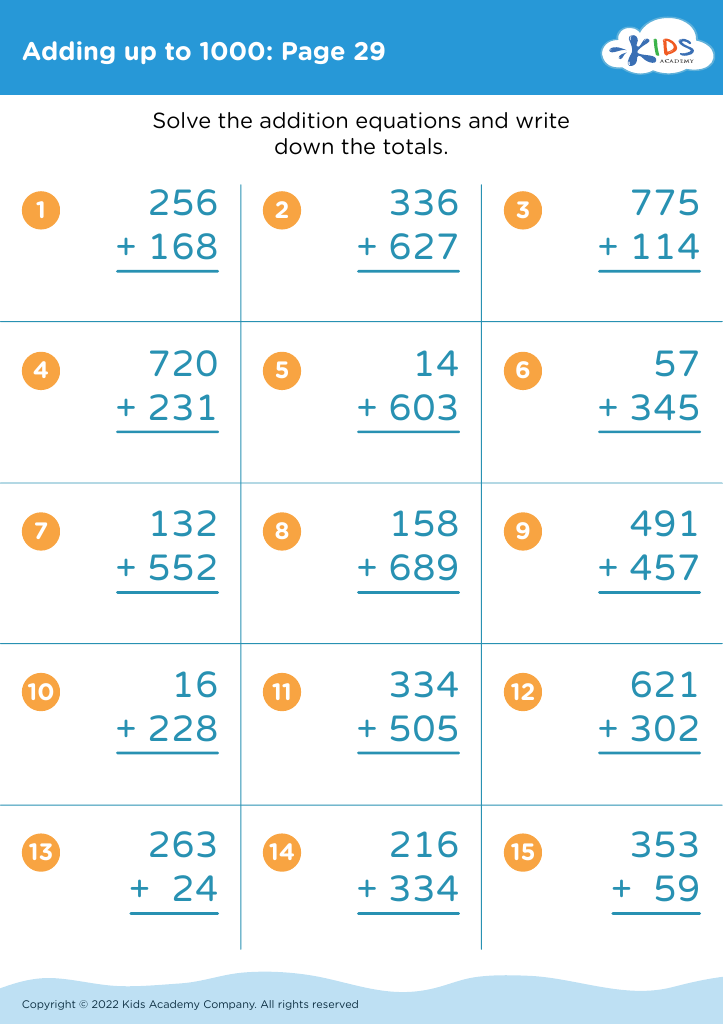
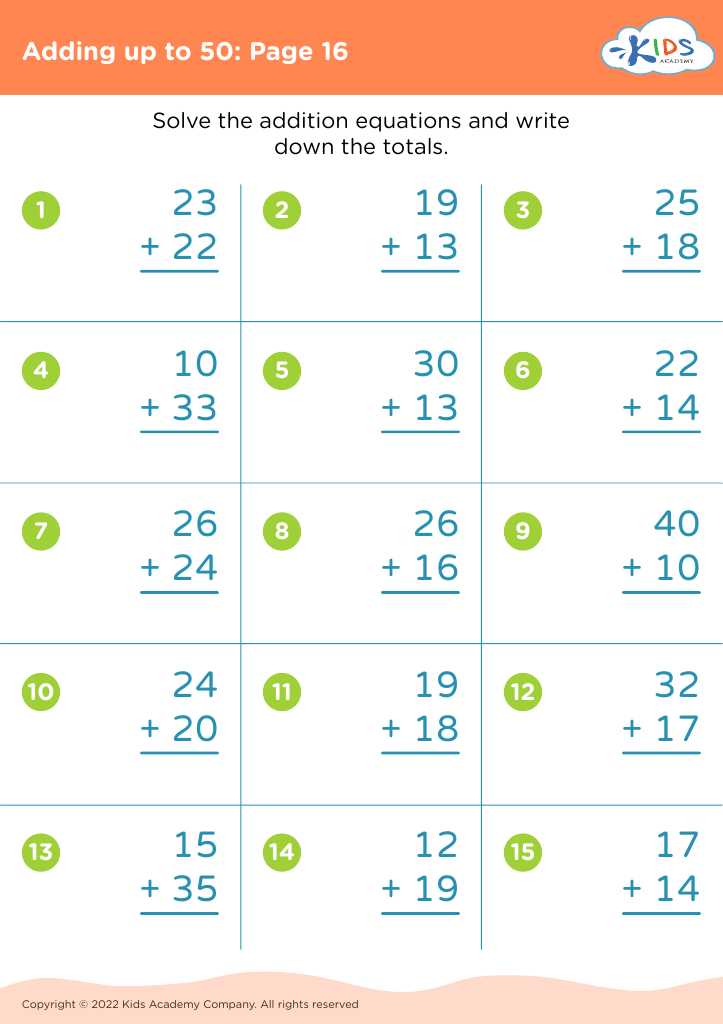
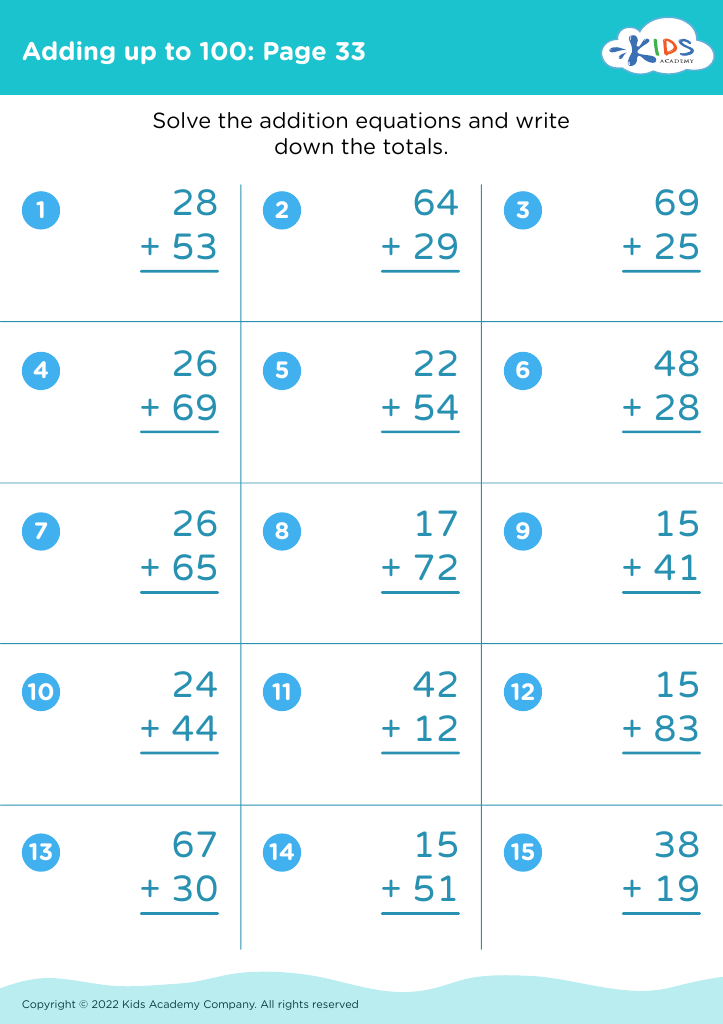
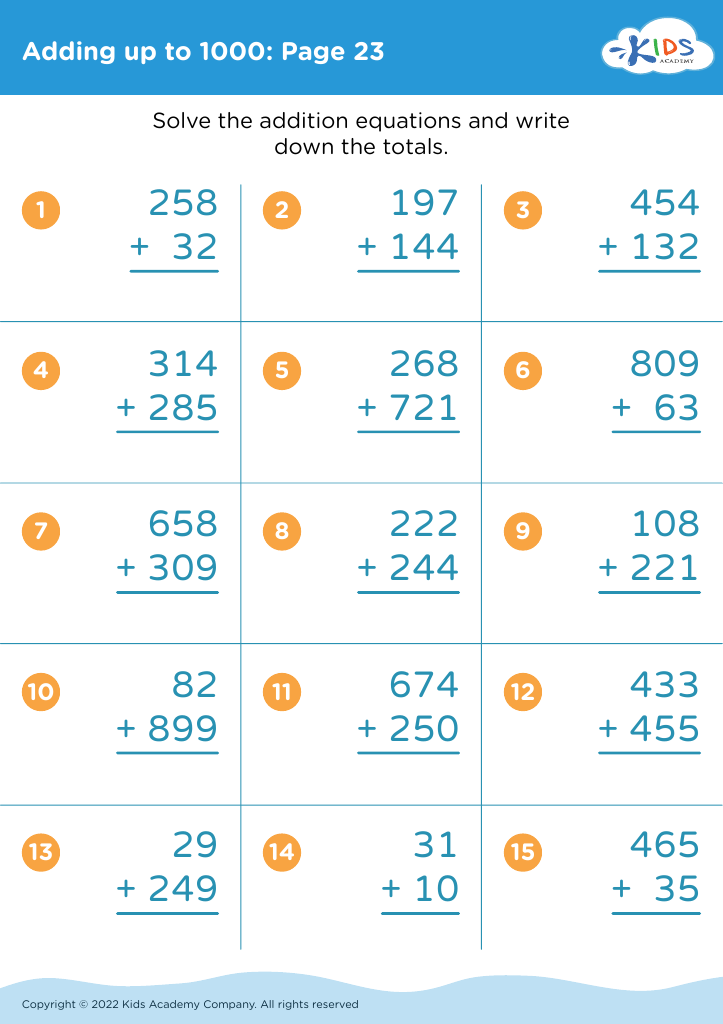
Introducing our "Understanding Time Addition & Subtraction Worksheets for Ages 6-9", designed to make learning math fun and engaging! These worksheets help young learners master the concepts of adding and subtracting time with interactive problems that build essential math skills. Aligned with educational standards, they blend colorful visuals with age-appropriate exercises, enabling kids to confidently tackle time-based calculations. Ideal for both classroom and home use, our worksheets encourage independent practice and reinforce understanding, ensuring kids grasp fundamental time concepts easily. Empower your child to excel in math with our expertly crafted, enjoyable resources!
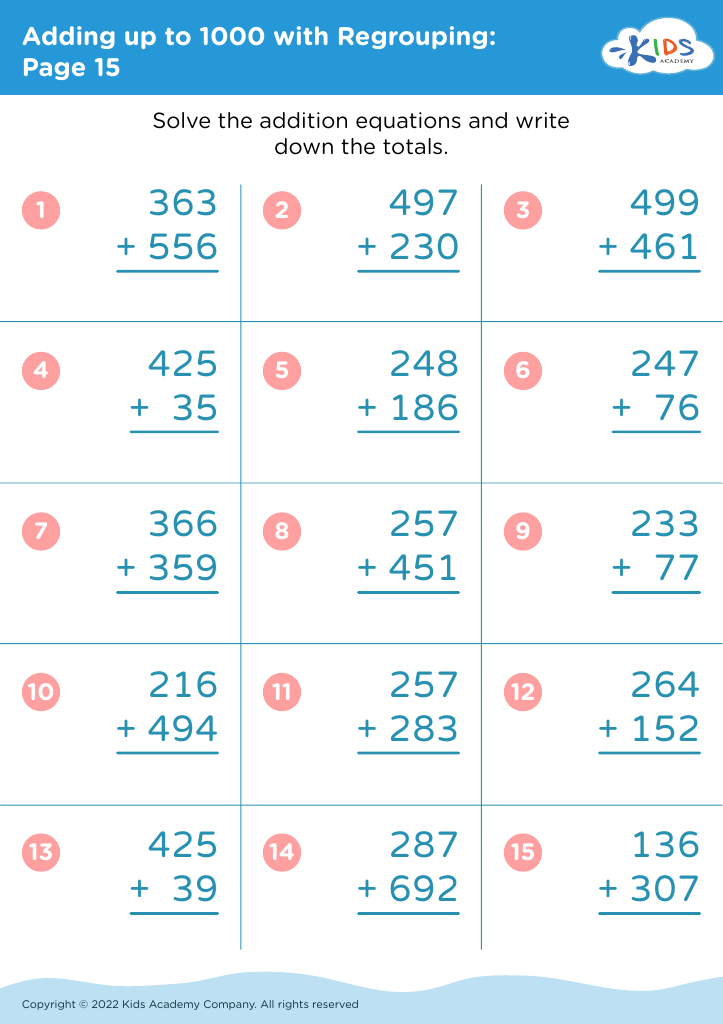
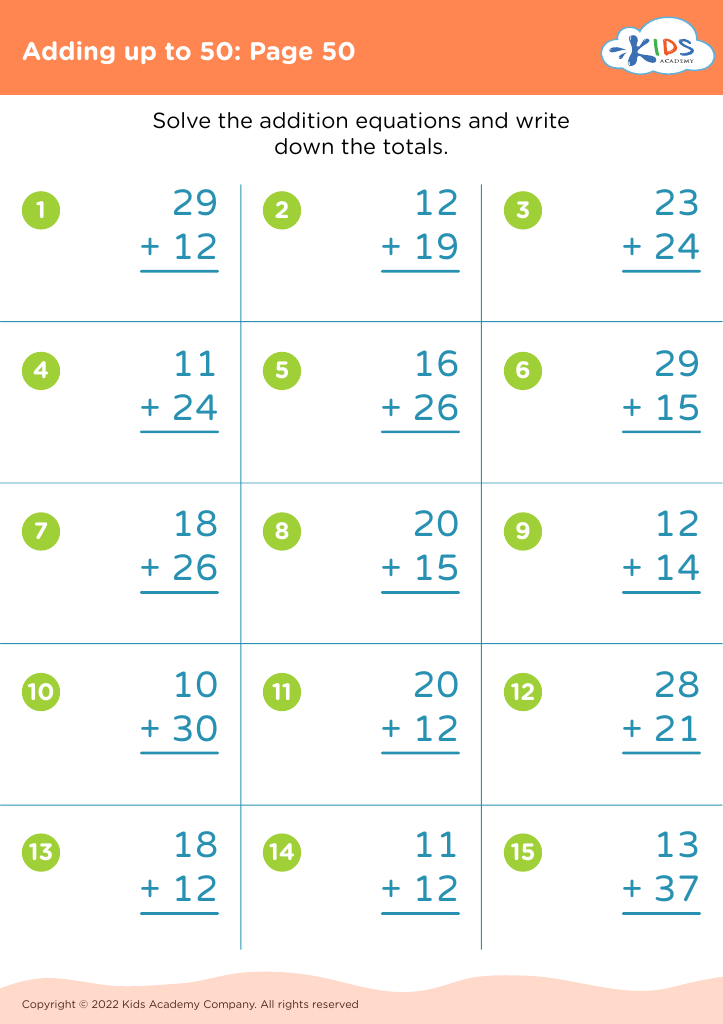








Understanding time as well as addition and subtraction for children aged 6-9 is crucial for several reasons. First, these foundational skills set the stage for more complex math concepts they'll encounter later. For instance, time-telling requires recognizing numbers, sequencing, and basic addition and subtraction to calculate increments and differences in time. By mastering these skills early, students build a solid mathematical foundation that boosts their confidence and competence in other areas.
Parents and teachers need to appreciate that understanding time and basic math also promotes problem-solving and critical-thinking skills. Learning to tell time teaches children the importance of punctuality, routines, and the concept of time management, which are essential life skills. Addition and subtraction, meanwhile, are building blocks for everyday activities such as shopping, cooking, and budgeting.
Furthermore, grasping these concepts enhances cognitive development and promotes independent learning. When parents and teachers actively engage with children in these areas, it cultivates a supportive learning environment that encourages curiosity and persistence. By emphasizing the importance of time and basic arithmetic, caregivers provide children with the tools they need to navigate both their academic and daily lives effectively, setting them on a path towards lifelong learning.








