Logical thinking development Addition Worksheets for Ages 6-9
8 filtered results
-
From - To
Enhance your child’s logical thinking skills with our engaging Addition Worksheets designed specifically for ages 6-9. These interactive resources empower students to understand the relationship between numbers, promoting problem-solving and critical thinking abilities. Each worksheet encourages kids to approach addition creatively, using puzzles and fun activities that keep learning exciting. By challenging their minds, children will not only master addition concepts but also develop essential logical reasoning skills applicable in everyday situations. Explore our collection to boost your child’s confidence and mathematical proficiency, while fostering a positive attitude towards learning. Perfect for home or classroom use, our worksheets make math fun!
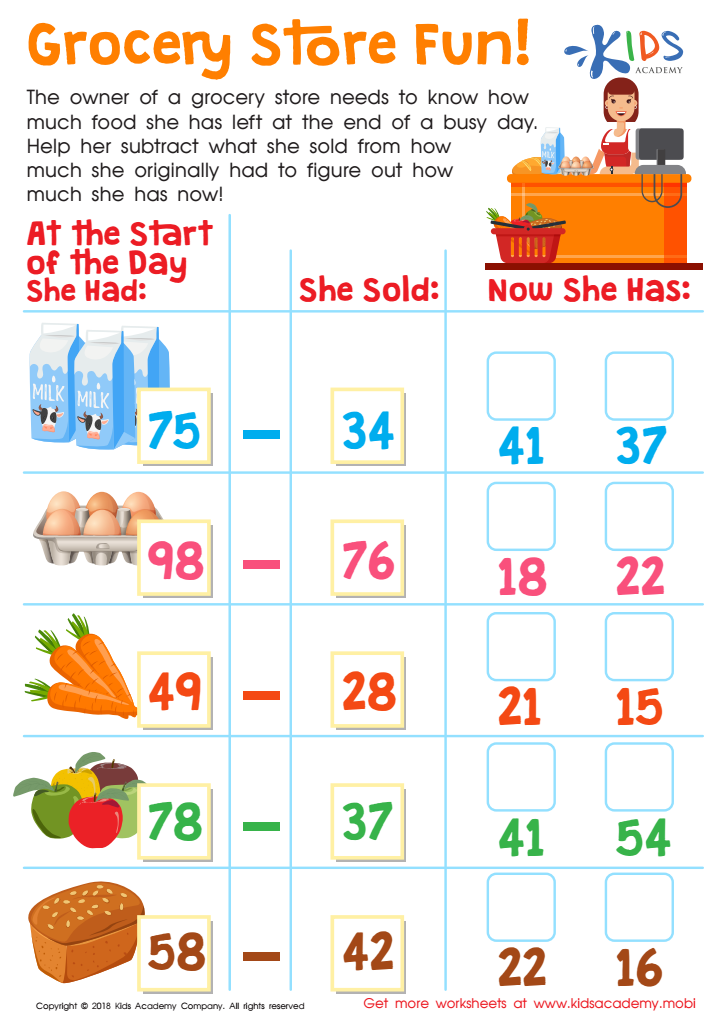
Grocery Store Fun! Worksheet
 Assign to My Students
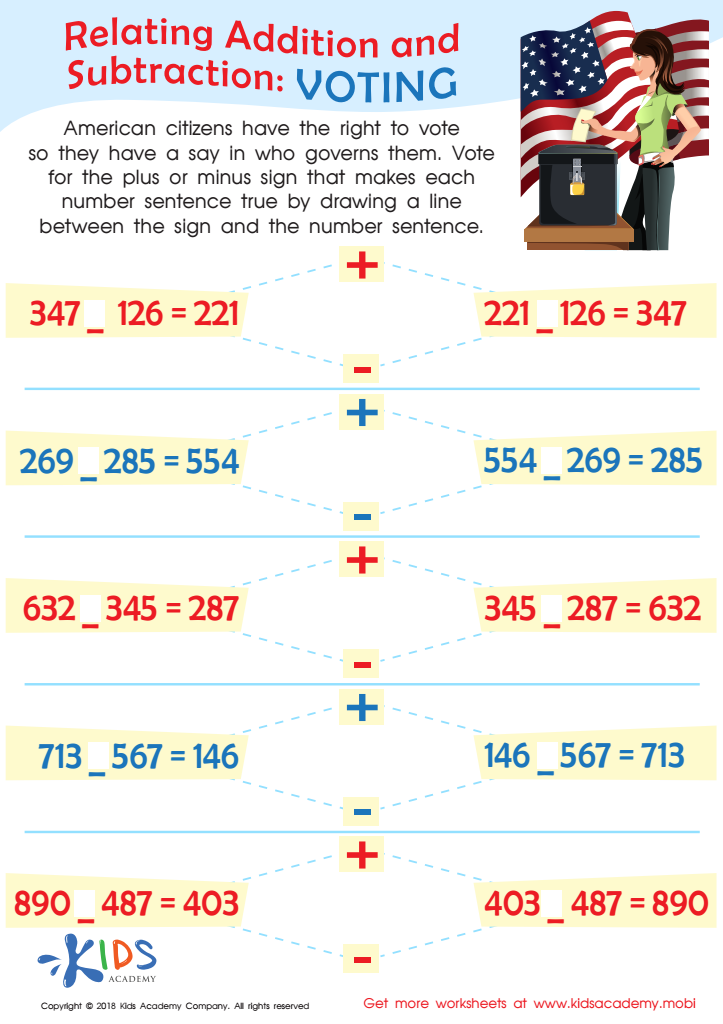
Voting Worksheet
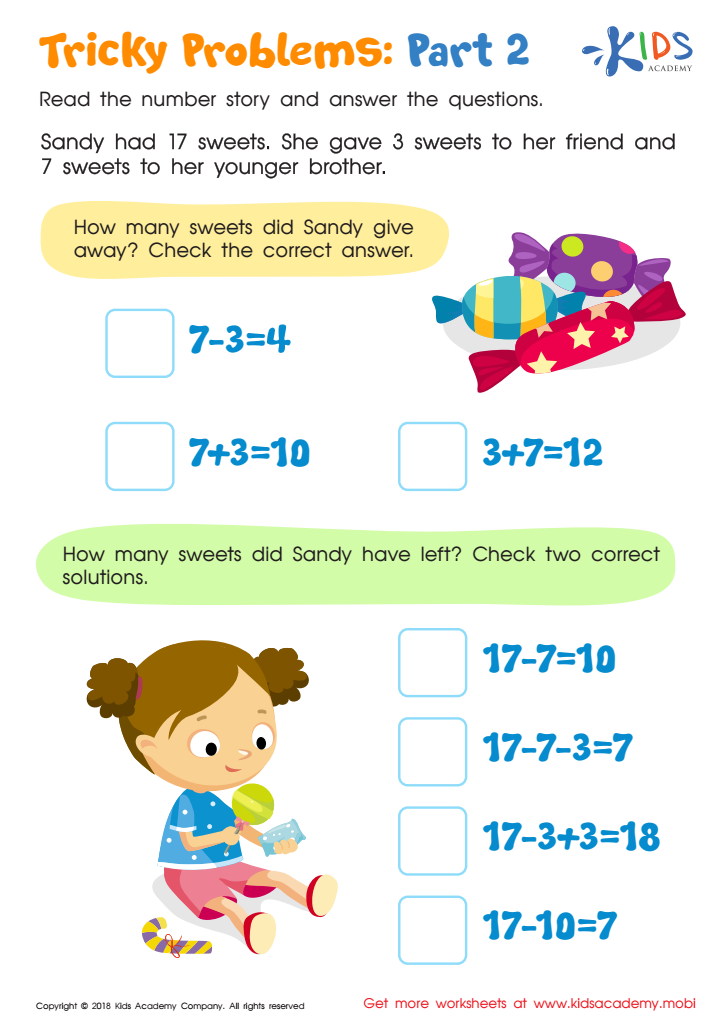
Tricky Problems Worksheet: Part 2
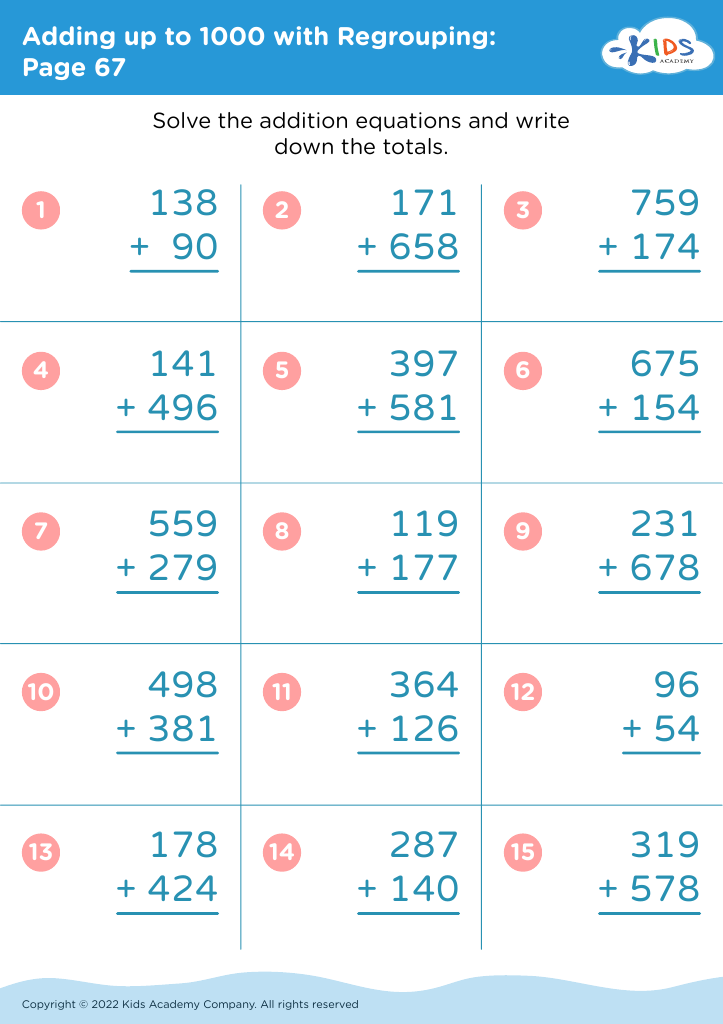
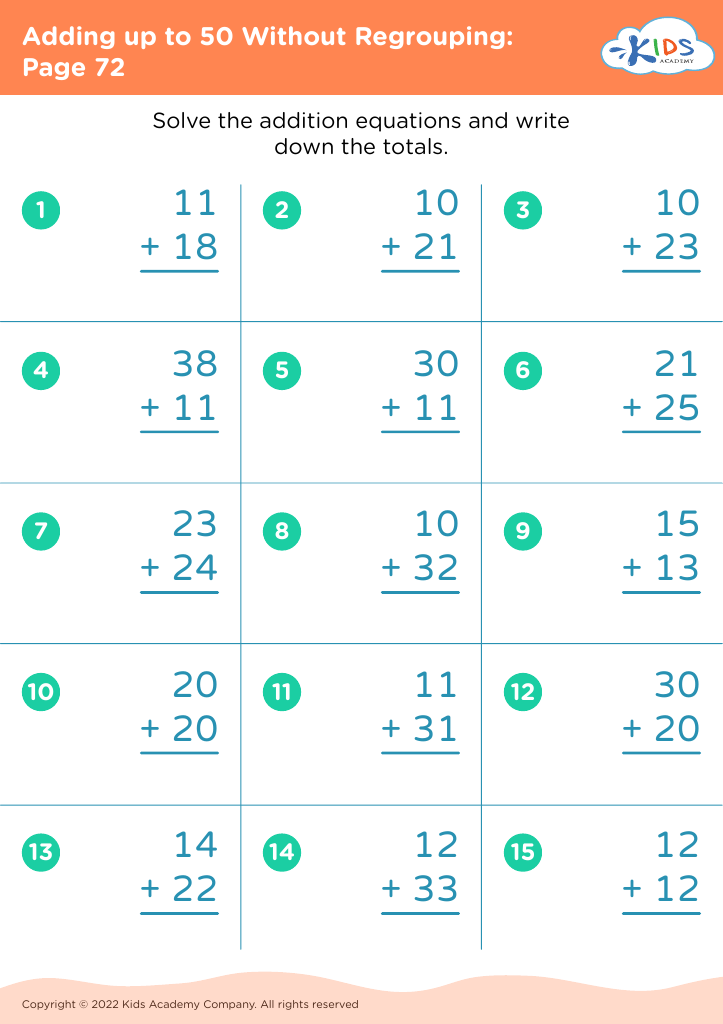
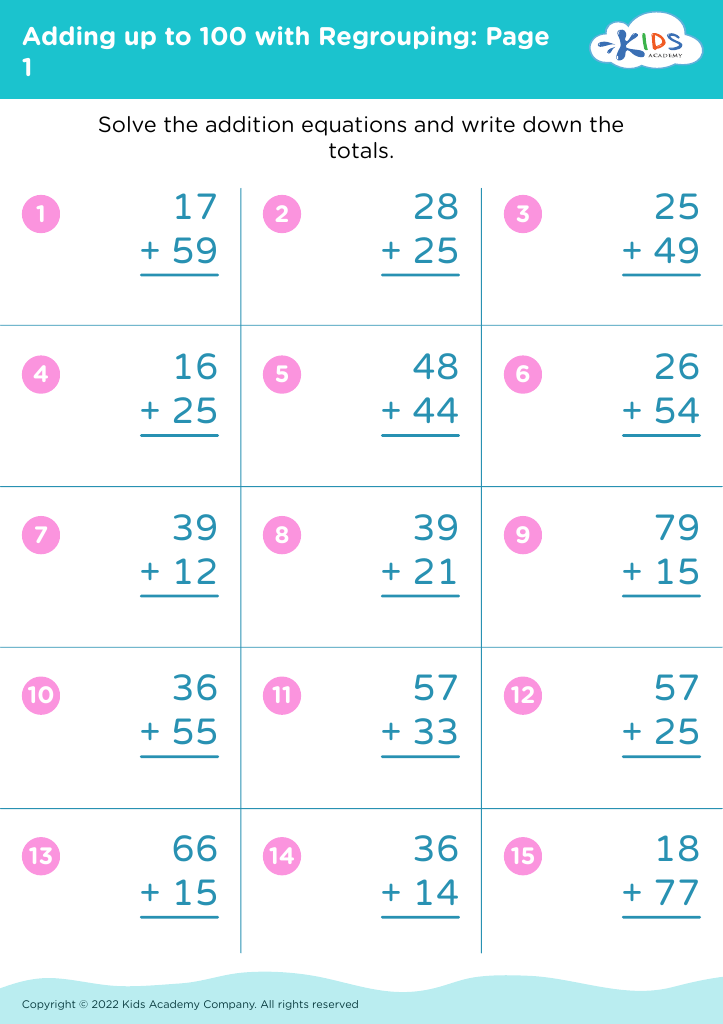
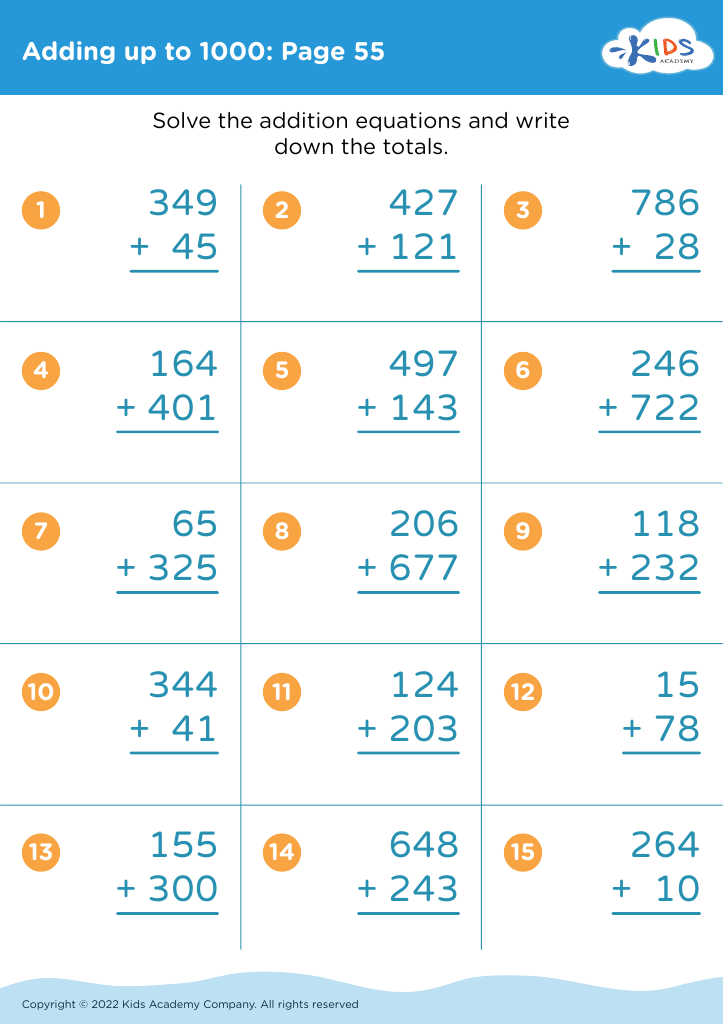








Logical thinking and the development of addition skills are crucial for children aged 6 to 9 as they lay the foundation for future mathematical understanding and cognitive skills. At this age, children are naturally curious and develop a keen ability to recognize patterns, make connections, and solve problems. When parents and teachers focus on enhancing logical thinking through addition, they not only help children gain proficiency in basic math but also improve their overall reasoning abilities.
Logical thinking aids in decision-making, critical analysis, and understanding abstract concepts, skills that are essential not only in math but across all subjects. By nurturing these skills, parents and teachers ensure that children can approach complex problems thoughtfully rather than memorizing formulas or procedures.
Furthermore, early mastery of addition is vital for success in more advanced mathematical operations. Engaging children with fun, interactive activities that emphasize logical reasoning can foster a positive relationship with math, reducing anxiety and building confidence. Ultimately, by investing in the development of logical thinking and addition skills, adults equip children with tools they need for academic success and everyday life, promoting independence and critical thinking well into adulthood.








