Recognize shapes Addition Worksheets for Ages 6-9
9 filtered results
-
From - To
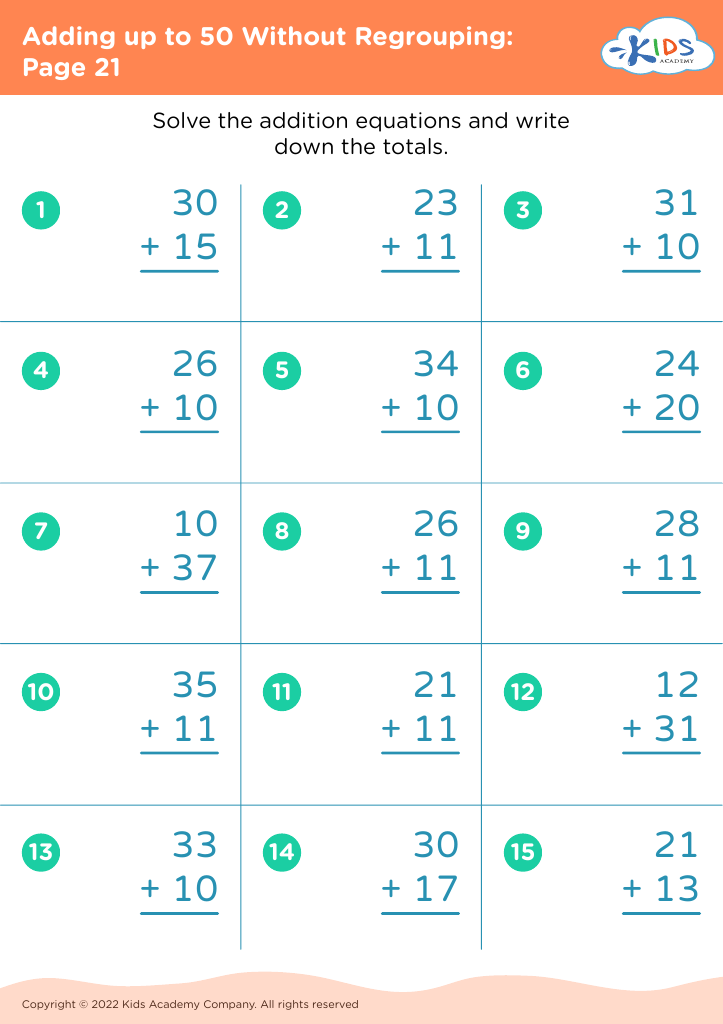
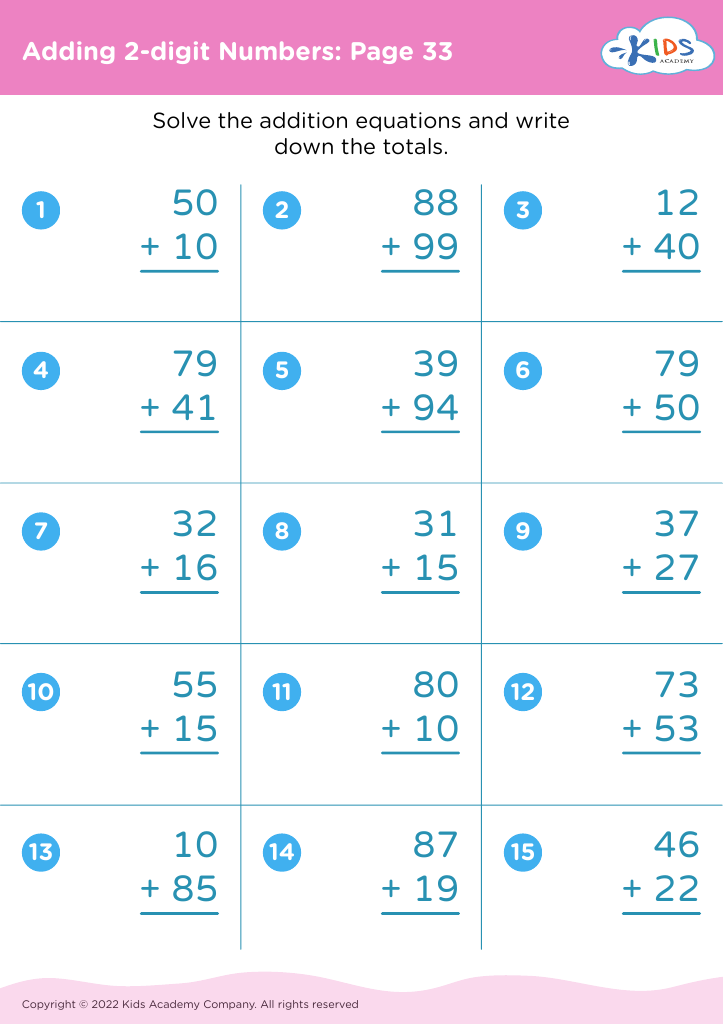
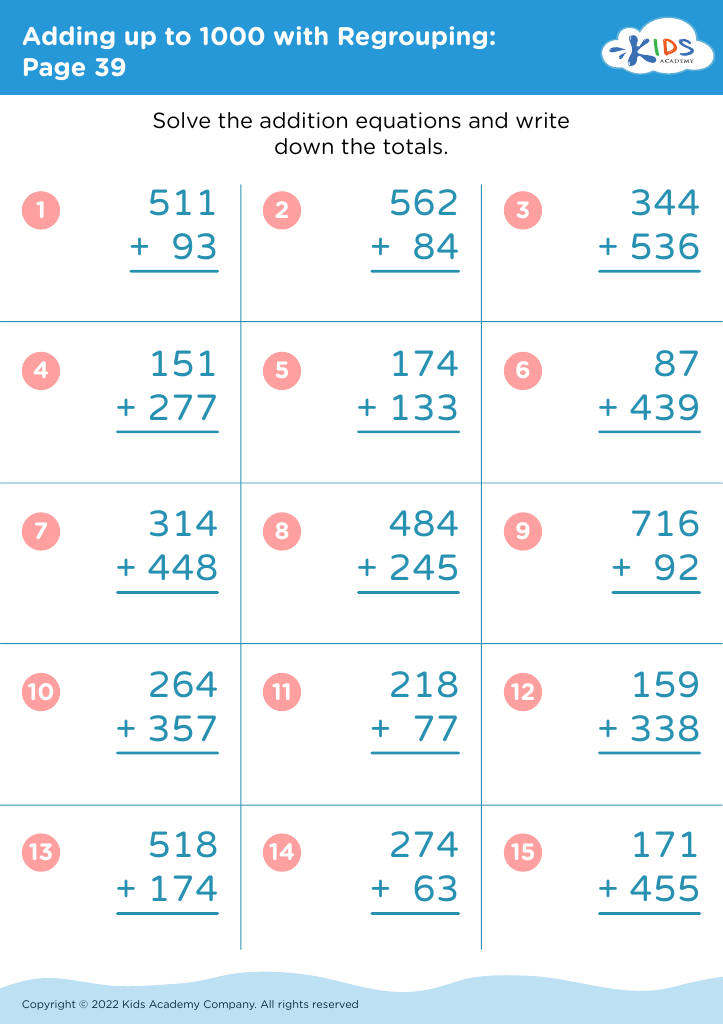
Enhance your child’s math skills with our engaging Recognize Shapes Addition Worksheets, designed specifically for kids ages 6-9. These worksheets combine the fun of shape recognition with essential addition practice, making learning both enjoyable and effective. As children identify various shapes, they'll also tackle simple addition problems, promoting cognitive development while strengthening their arithmetic abilities. Ideal for classroom enrichment or at-home learning, our worksheets cater to diverse learning styles. With vibrant illustrations and interactive challenges, your child will build confidence in math while exploring the world of shapes. Get started today and watch your young mathematician thrive!
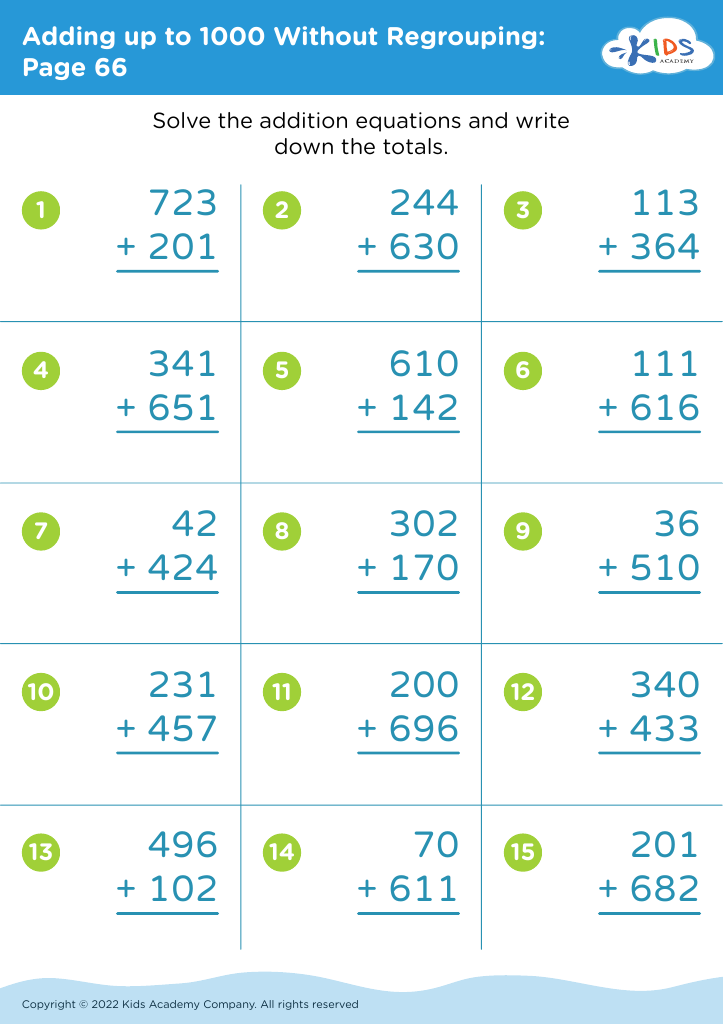
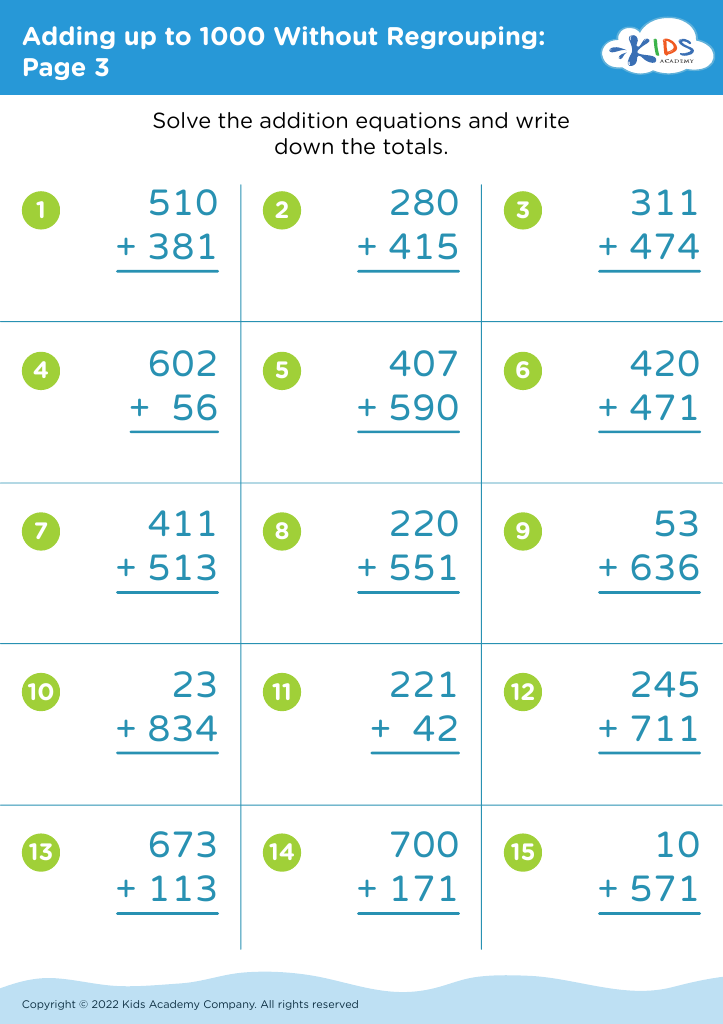
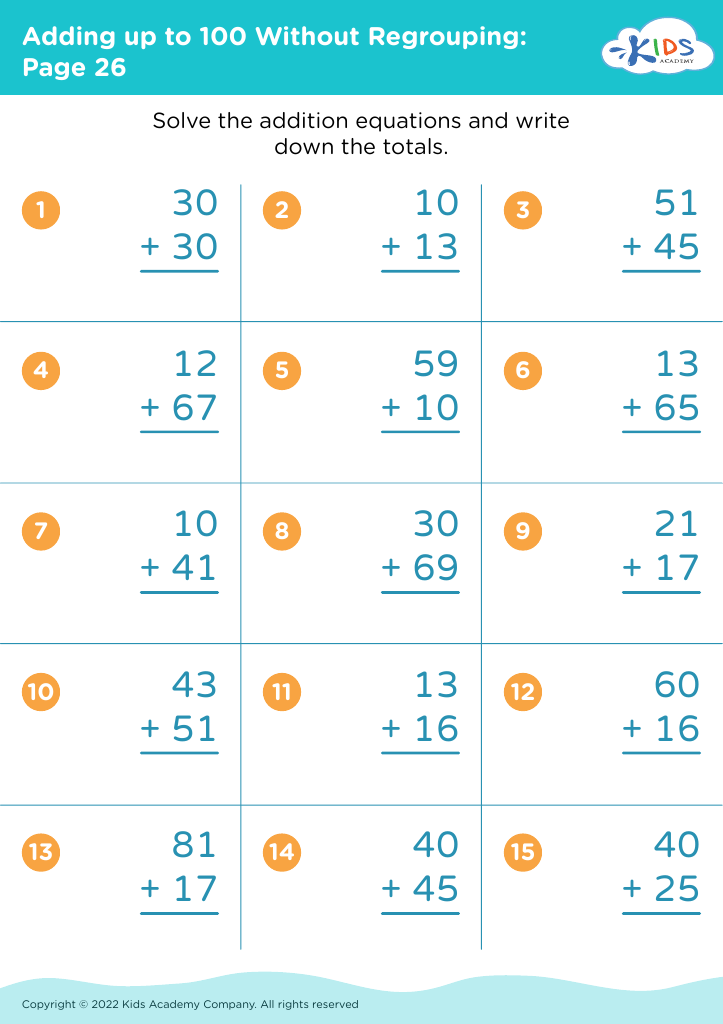
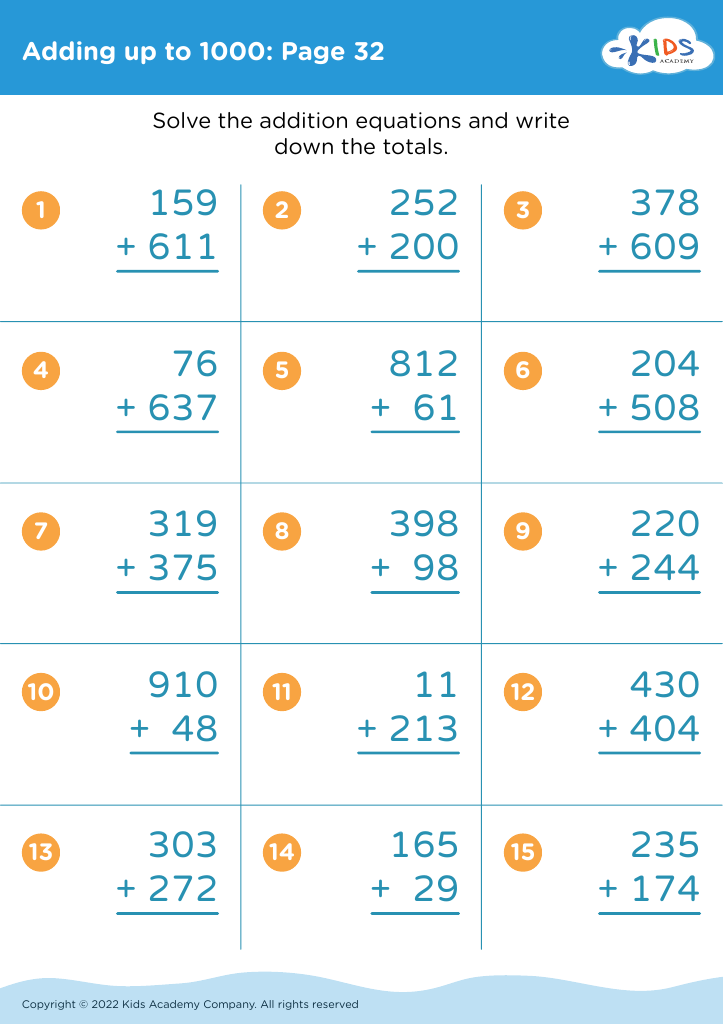
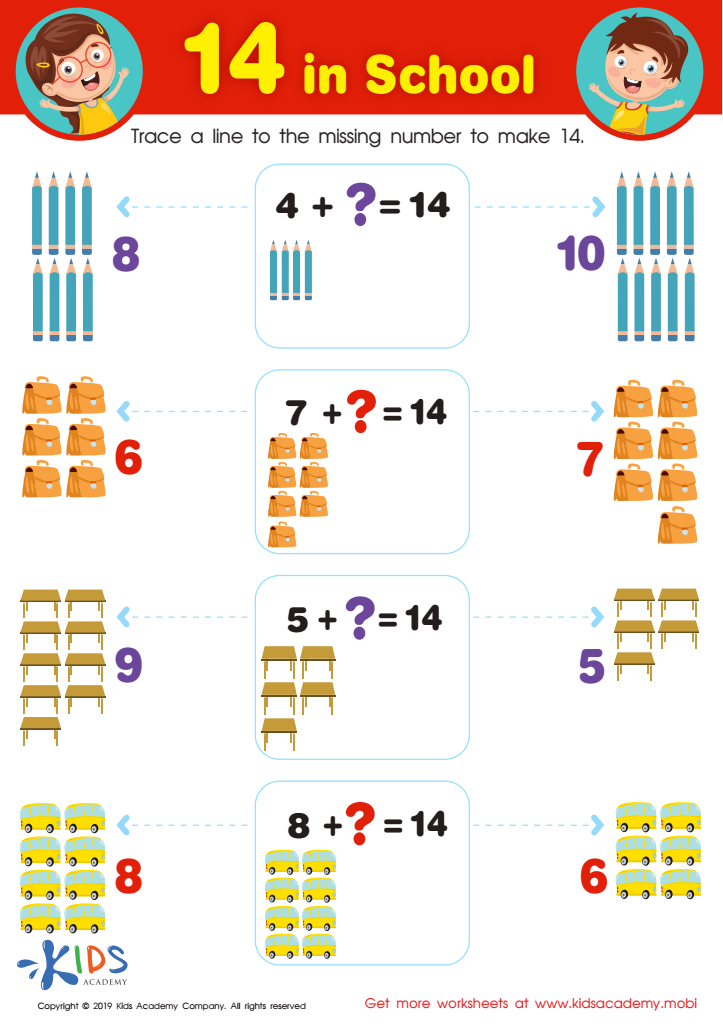
14 in School Worksheet
 Assign to My Students
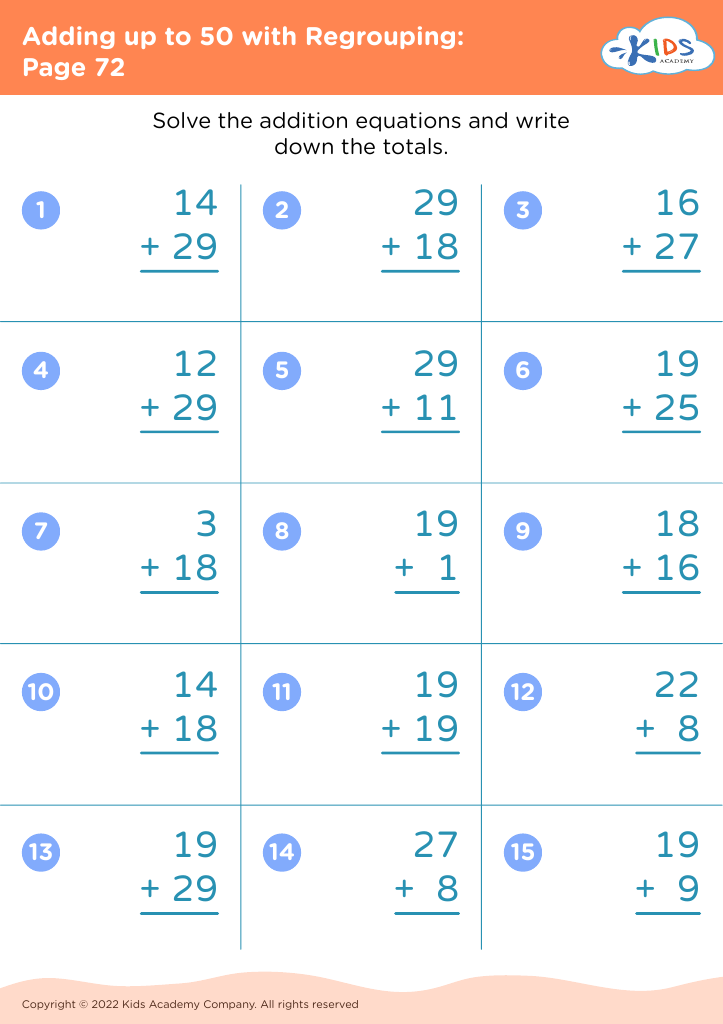








Recognizing shapes and understanding addition are foundational skills that significantly contribute to a child's overall mathematical literacy. For children aged 6-9, the interplay between shapes and addition helps them grasp essential concepts in both geometry and arithmetic. Engaging with shapes fosters spatial awareness, critical for future math topics such as measurement and geometry.
Moreover, incorporating shapes into addition exercises can make learning more interactive and visually stimulating. For instance, using shape manipulatives allows children to visualize problems, enhancing their problem-solving skills. Teachers and parents should care because these skills not only build mathematical confidence but also promote logical thinking and critical reasoning.
Early mastery of recognizing shapes and performing addition sets the groundwork for excellent academic performance down the line, as these concepts are essential in higher-level math. Additionally, linking shapes with addition can cultivate a deeper interest in math, motivating kids to explore their creativity and problem-solving abilities. Parents and teachers thus play a crucial role in fostering these skills, ensuring children are well-prepared for the increasingly complex mathematical challenges they'll face in the future. Encouraging this understanding can lead to better academic outcomes and a lifelong appreciation for mathematics.








