
Time conversion skills Addition Worksheets for Ages 6-9
3 filtered results
Difficulty Level
Grade
Age
-
From - To
Subject
Activity
Standards
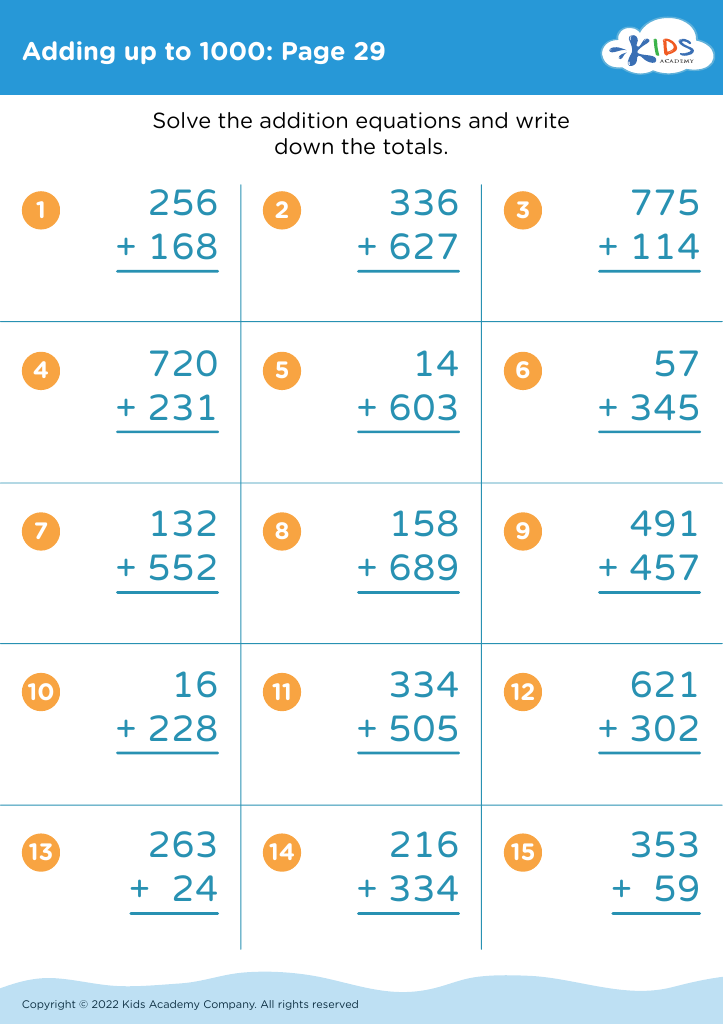
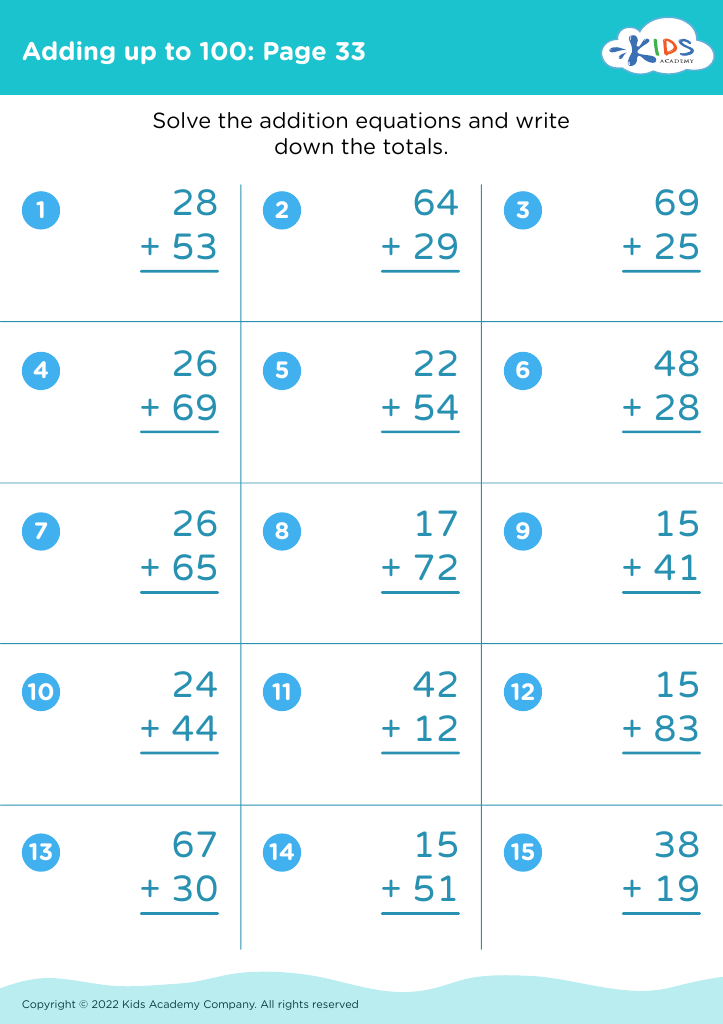
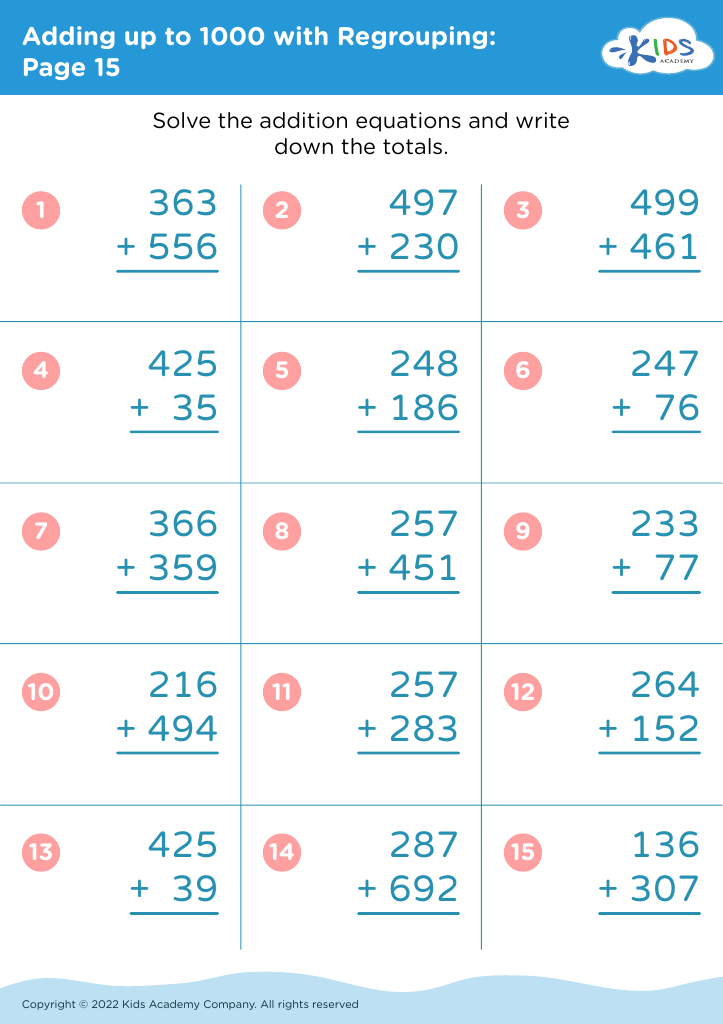
Empower your child to master time with our engaging "Time Conversion Skills Addition Worksheets" for ages 6-9. These printable resources are designed to bolster your child’s understanding of days, hours, and minutes through a fun and educational approach. Each worksheet combines math problems with practical time conversion exercises, enhancing both addition skills and time-telling proficiency. Perfect for young learners, these activities provide a solid foundation in essential math concepts while keeping the learning process enjoyable. Foster your child's confidence and expertise with our interactive worksheets that turn math practice into an exciting adventure!
Favorites
With answer key
Interactive
Join Kids Academy for Free
Who is primarily going to use this learning content?







Understanding time conversion skills is fundamental for children aged 6-9, and both parents and teachers play crucial roles in fostering this ability. At this age, children are beginning to grasp abstract concepts, and learning to convert units of time helps in various real-world contexts. By mastering time conversion, children can better understand daily schedules and manage their activities, from school routines to bedtime rituals. It promotes their organizational skills and independence.
In terms of educational benefits, time conversion involves basic arithmetic, which strengthens math skills. It requires addition and understanding of increments (e.g., 60 minutes to an hour, 24 hours to a day), thereby enhancing number sense and problem-solving abilities. This knowledge is directly applicable in subjects like science and social studies where time measurement is often discussed.
Furthermore, grasping time conversion fosters the development of logical thinking and critical analysis. It teaches children about sequencing and the continuity of time, which are vital in planning and executing tasks efficiently. Parents and teachers should prioritize these skills because they lay the groundwork for time management and punctuality—essential life skills. Engaging, hands-on activities related to time can make learning enjoyable and meaningful, thus ensuring children grasp these concepts effectively while preparing them for increased academic and personal responsibilities.








