
Understanding seasons Addition Worksheets for Ages 6-9
3 filtered results
Difficulty Level
Grade
Age
-
From - To
Subject
Activity
Standards
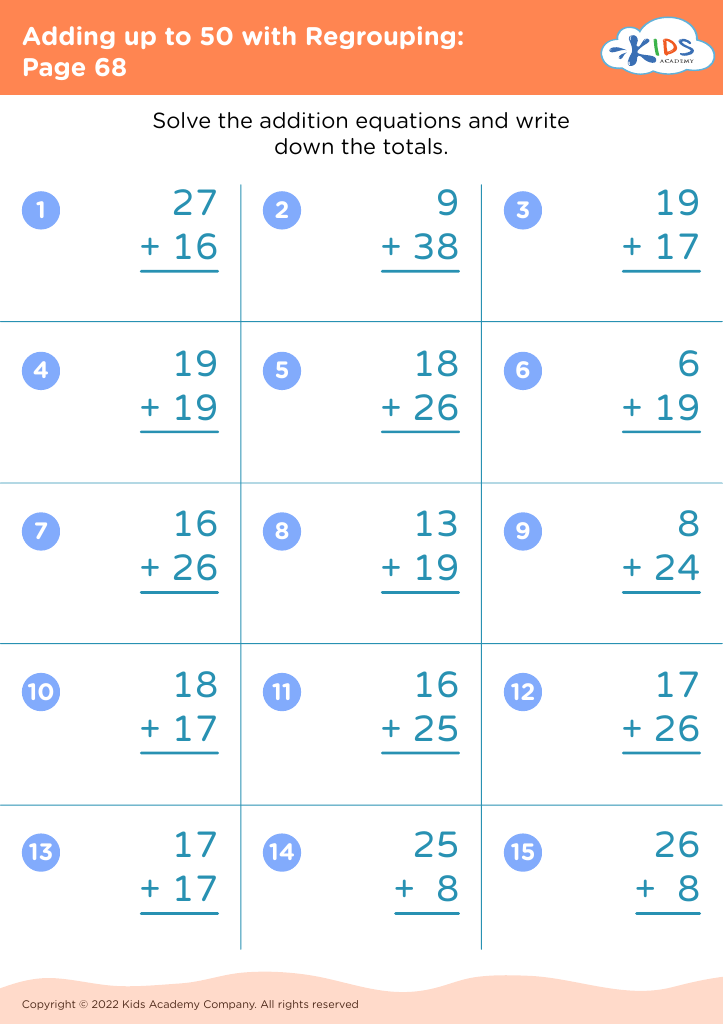
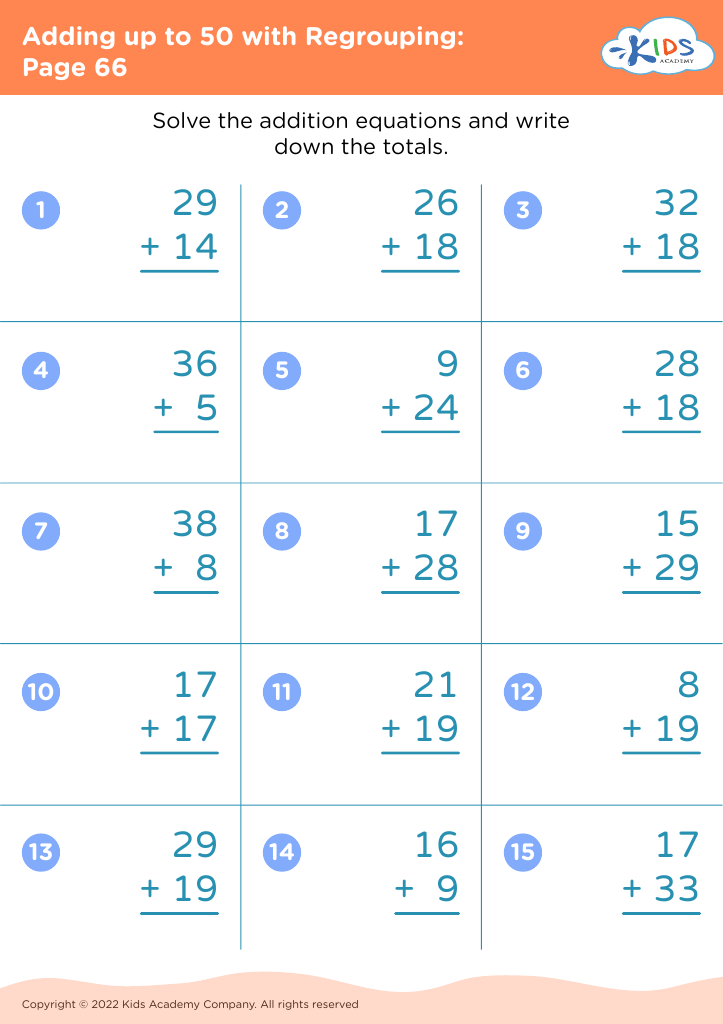
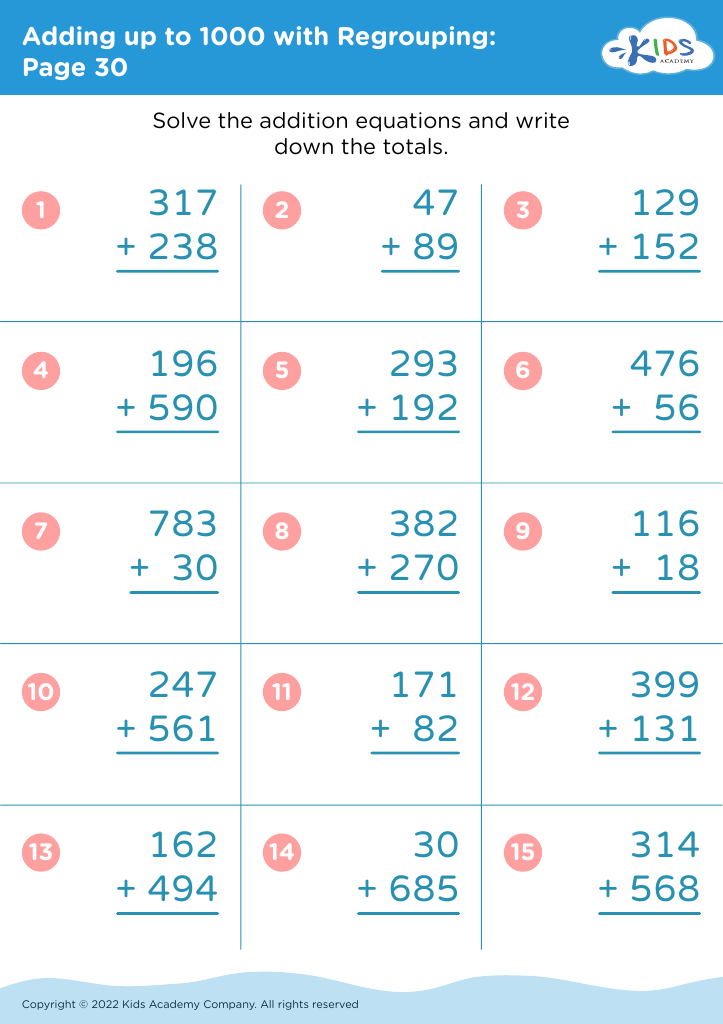
Discover our "Understanding Seasons Addition Worksheets" designed specifically for kids aged 6-9. These engaging worksheets combine the fun of learning about the four seasons with essential addition skills. Each sheet features vibrant illustrations and themed exercises that help children grasp addition concepts while boosting their seasonal awareness. Ideal for both classroom and home learning, our worksheets promote active engagement and help to develop strong math foundations. With varying levels of difficulty, these worksheets cater to different learning stages, ensuring every child can enhance their skills and enjoy the beauty of each season! Explore math in a fun and meaningful way today!
Favorites
With answer key
Interactive
Join Kids Academy for Free
Who is primarily going to use this learning content?






.jpg)

Understanding seasons and their connection to addition is crucial for children aged 6-9, as it fosters both mathematical and observational skills. At this age, children are more attuned to their surroundings; integrating real-world experiences with math can enhance their learning. For instance, by counting the number of leaves that fall in autumn or measuring rainfall in spring, children can practice addition within a concrete context. This approach reinforces the concept that math is not just abstract but deeply intertwined with everyday life.
Additionally, discussing seasons promotes curiosity and scientific understanding. Teachers and parents can guide discussions around changes in nature, helping children make connections. These discussions can lead to rich mathematical conversations, such as sorting seasonal fruits and vegetables or calculating the differences in temperatures across seasons.
Furthermore, engaging with seasons encourages collaboration and communication, fostering social skills. When counting or categorizing items together, children learn to express their ideas, listen to others, and work as a team. Ultimately, by encouraging the intersection of seasons and addition, we are cultivating well-rounded learners who appreciate the world around them while strengthening essential math skills. This holistic approach enriches education and prepares children for future academic challenges.








