
Visual discrimination Addition Worksheets for Ages 6-9
4 filtered results
Difficulty Level
Grade
Age
-
From - To
Subject
Activity
Standards
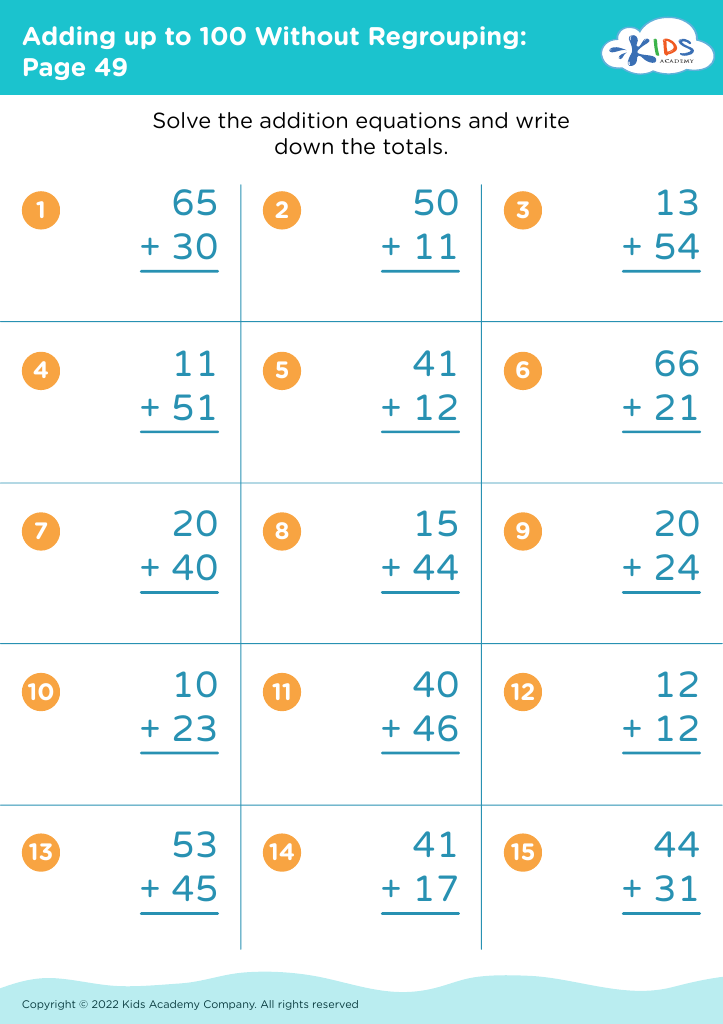
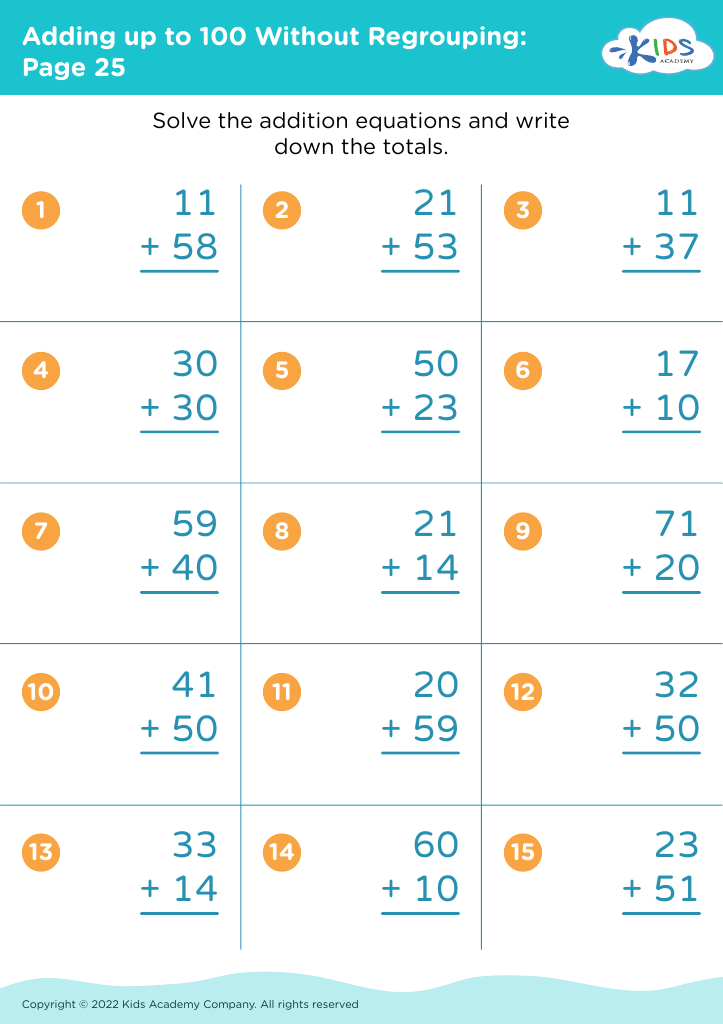
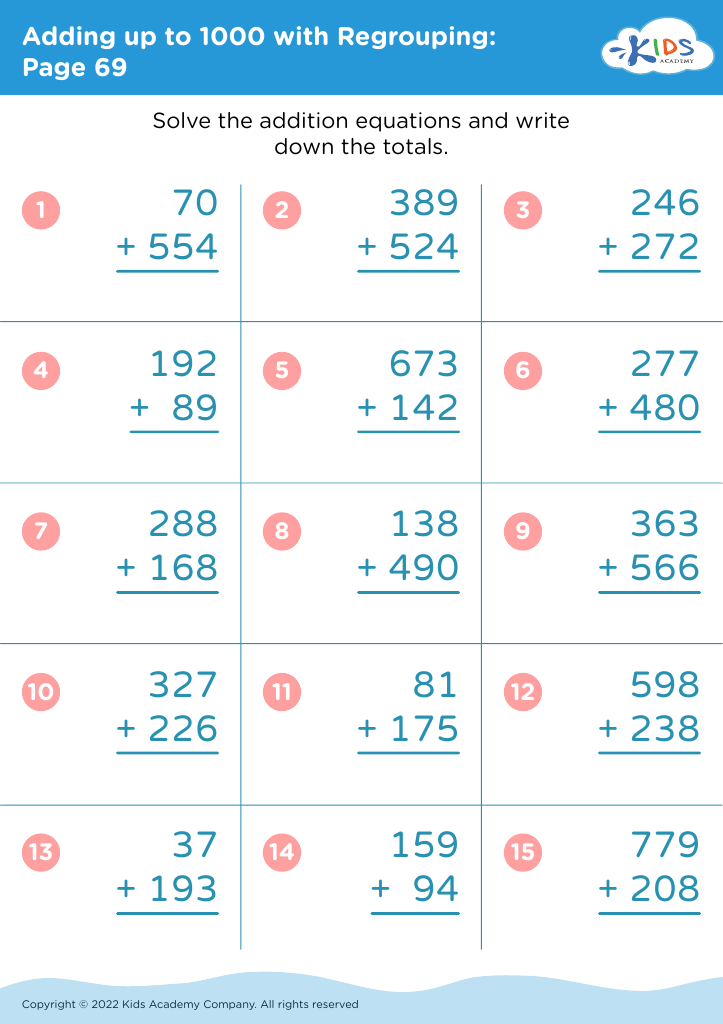
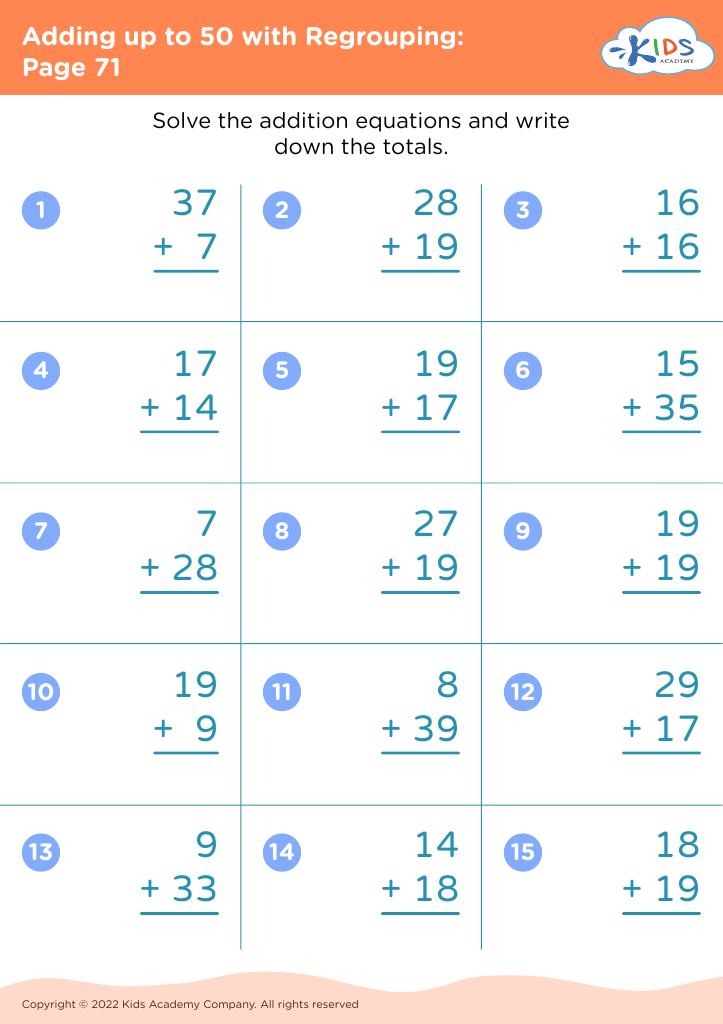
Enhance your child's math skills with our engaging Visual Discrimination Addition Worksheets for ages 6-9. Designed to support young learners, these worksheets focus on improving visual discrimination while practicing addition. Your child will develop critical skills such as recognizing differences, identifying patterns, and improving attention to detail—all vital for mathematical proficiency. Packed with fun visuals and interactive problems, these worksheets make learning enjoyable and effective. Perfect for reinforcing classroom lessons or supplementing home education, these activities create a strong foundation for future math success. Help your child develop confidence in math while sharpening their visual cognitive skills today!
Favorites
With answer key
Interactive
Join Kids Academy for Free
Who is primarily going to use this learning content?








Visual discrimination is a crucial skill for children aged 6 to 9, especially in the context of addition. It enables children to identify and differentiate between various numbers, symbols, and patterns, which are foundational skills for mathematical understanding. When students can visually discriminate between different numeral forms and understand spatial relationships, it improves their accuracy and confidence in performing mathematical operations.
Parents and teachers should prioritize visual discrimination exercises in their teaching strategies. This skill supports not only addition but also other areas of math, such as subtraction, multiplication, and problem-solving. By honing visual discrimination, children can reduce the likelihood of making careless mistakes, fostering a stronger mathematical foundation and enhancing their overall learning experience.
Moreover, visual discrimination activities can promote engagement and fun in learning. Interactive games, puzzles, and worksheets can turn a crucial skill-building exercise into an enjoyable and collaborative experience for parents and children or teachers and their students. This positive approach not only improves mathematical abilities but also builds confidence, encouraging children to embrace challenges and develop a lifelong love for learning. In essence, promoting visual discrimination should be an integral part of any educational curriculum.








