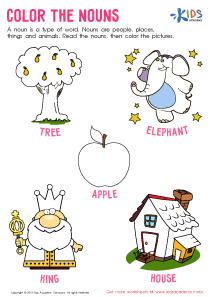
Counting skills Comparing Numbers Worksheets for Ages 6-9
6 filtered results
-
From - To
Enhance your child's counting skills with our engaging Comparing Numbers Worksheets designed for ages 6-9! These interactive worksheets make learning fun and help young learners master essential math concepts. Kids will practice comparing numbers with vibrant visuals and challenging exercises, reinforcing their ability to recognize greater than, less than, and equal to symbols. Each worksheet is structured to build confidence and improve numerical understanding, catering to diverse learning styles. Perfect for parents and educators alike, these printable resources are ideal for classroom activities or at-home practice. Equip your child with the tools they need to excel in math and foster a lifelong love of learning!
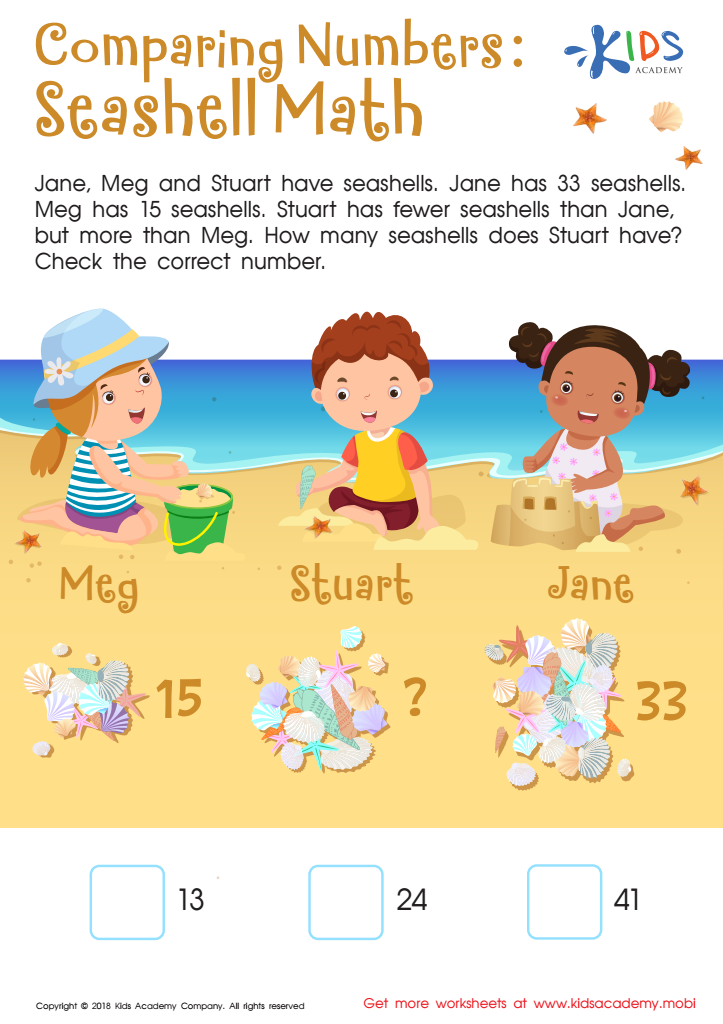
Seashell Collectors Worksheet
 Assign to My Students
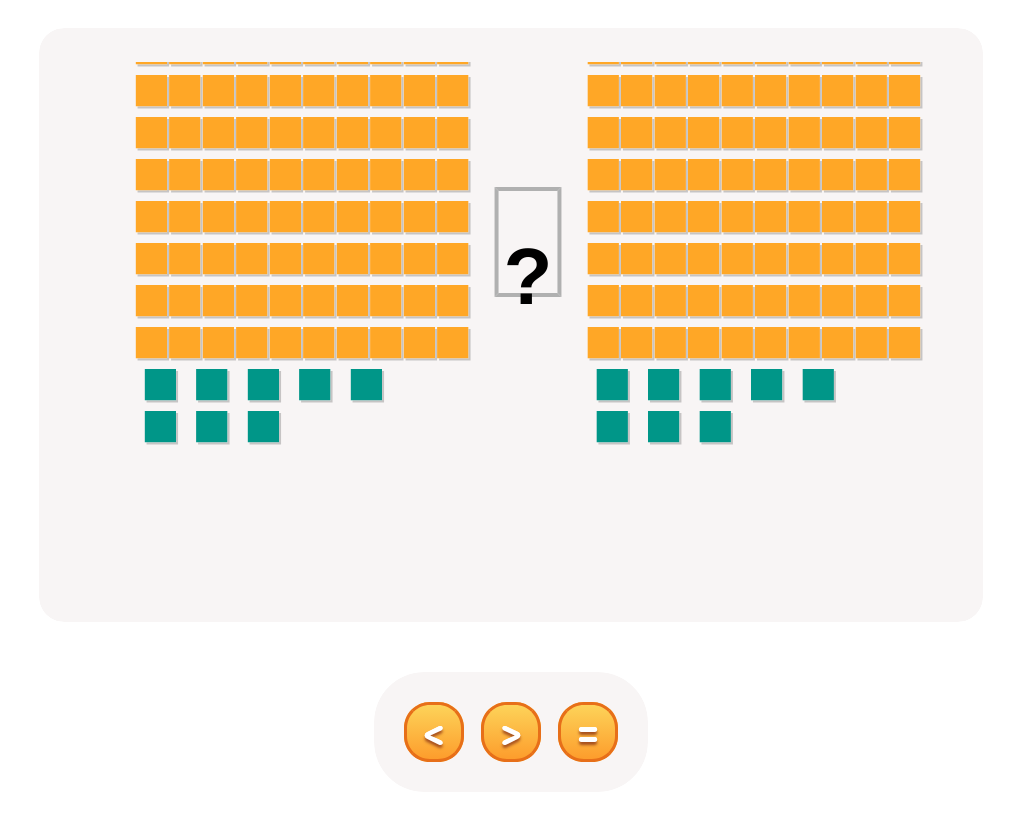

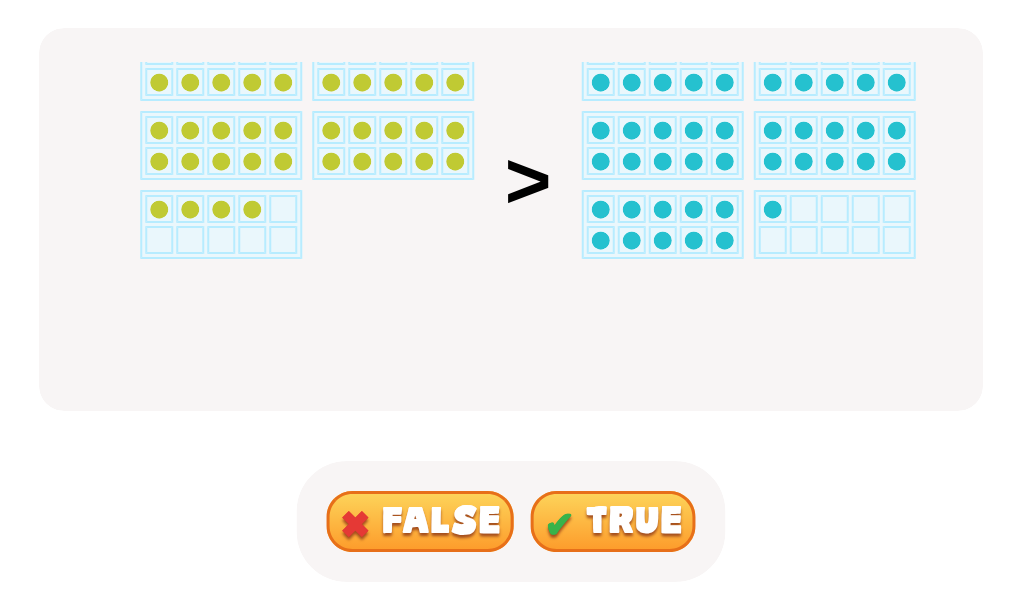
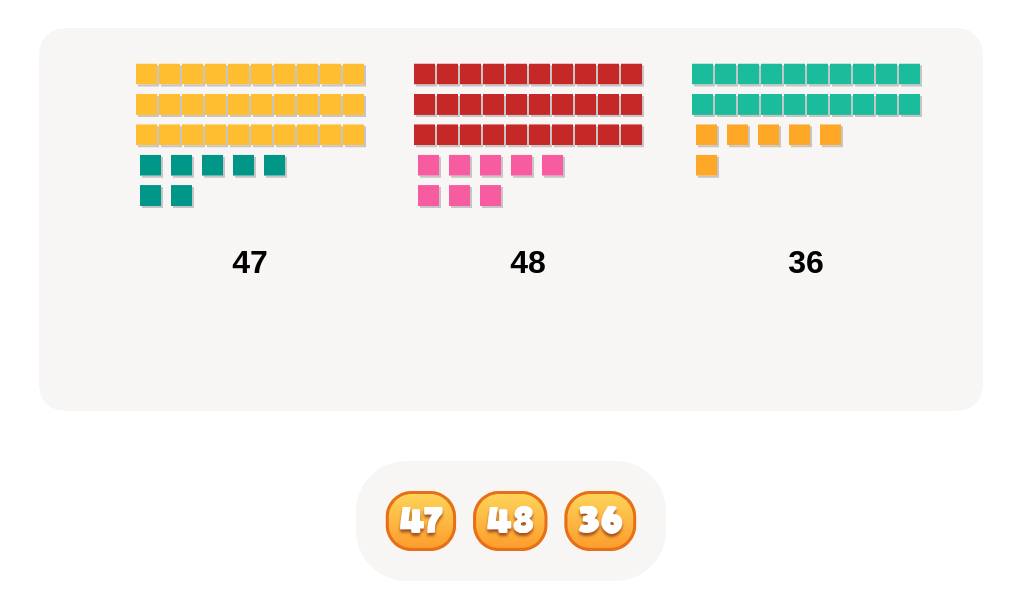
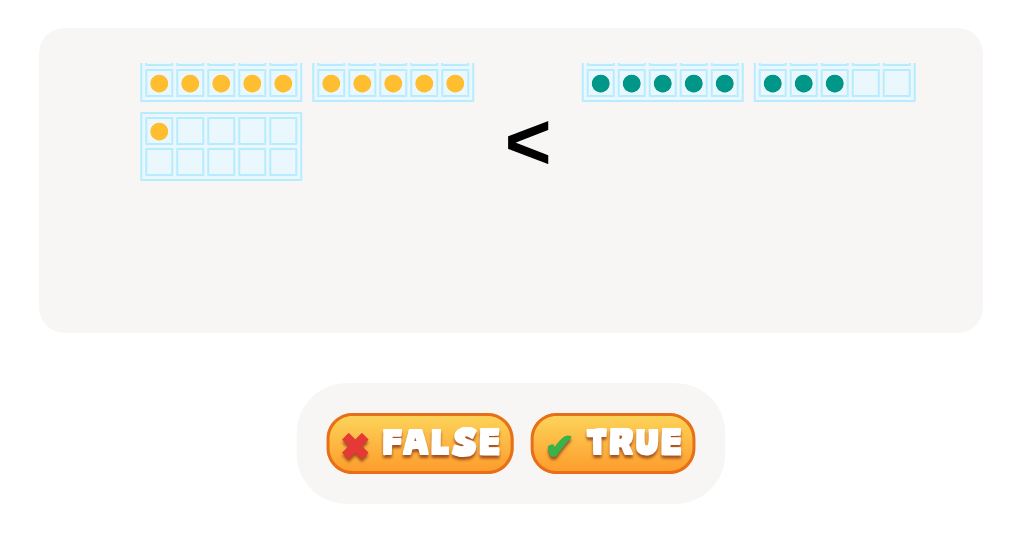
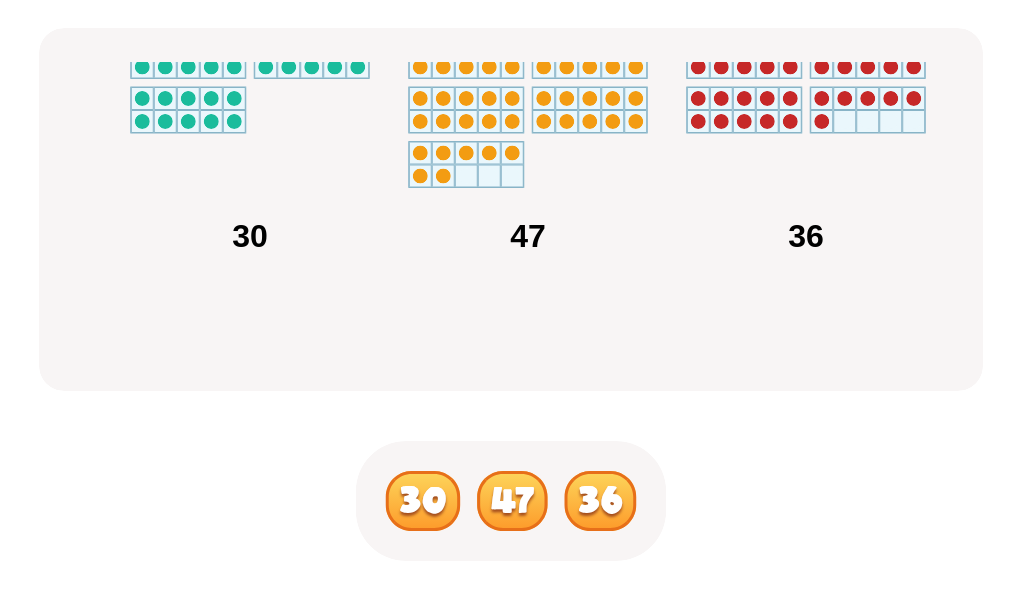
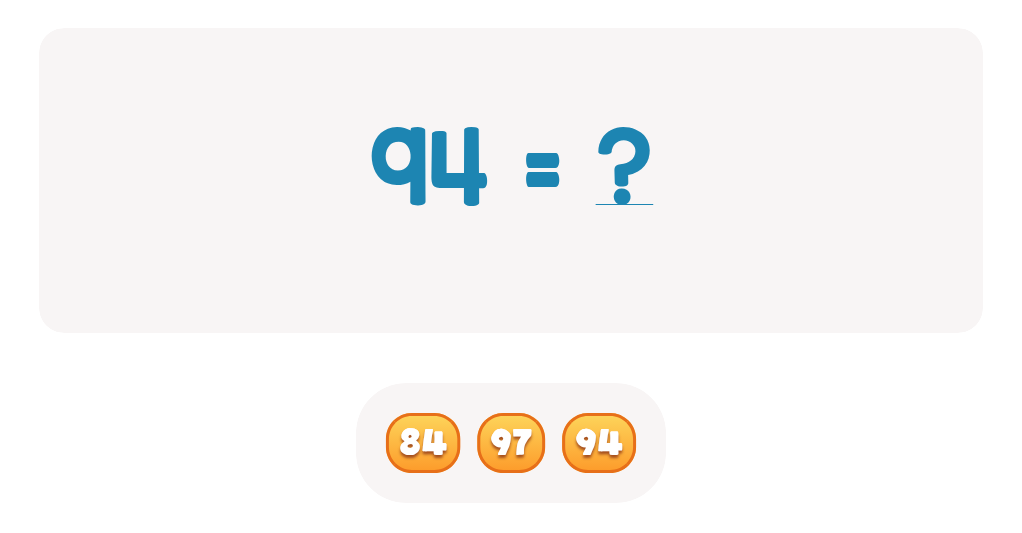
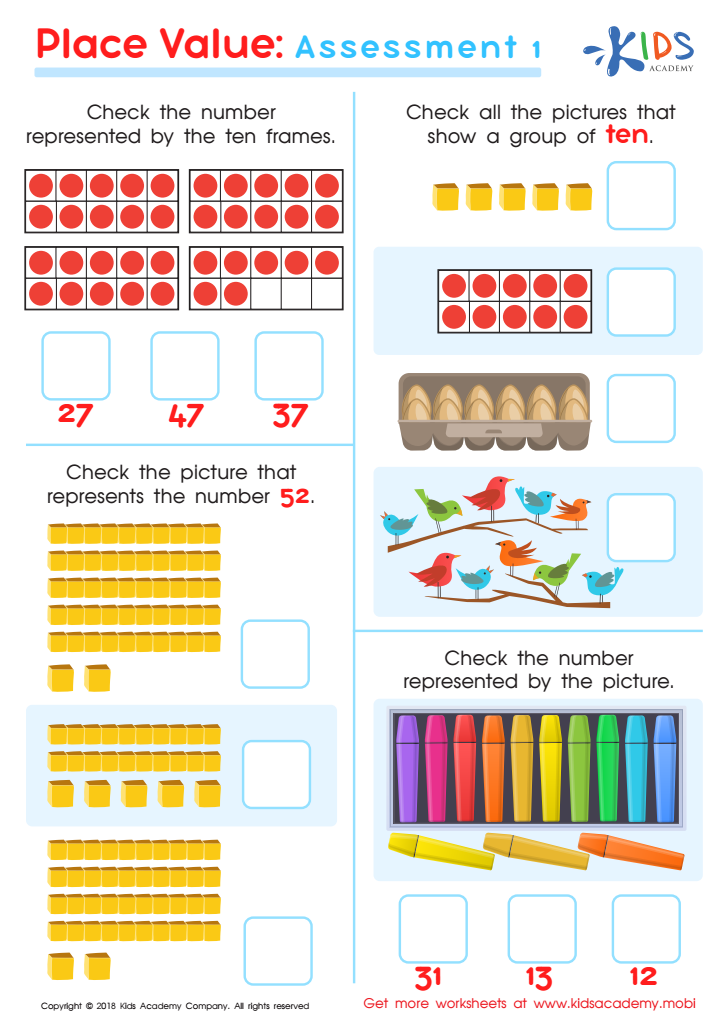
Place Value: Assessment 1 Worksheet
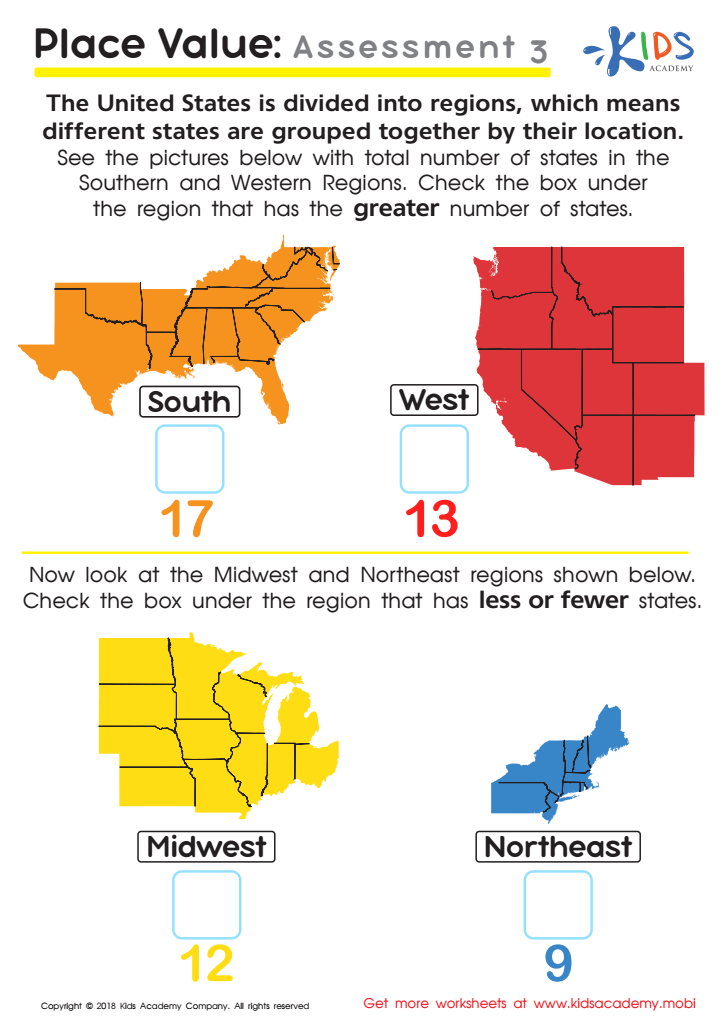
Place Value: Assessment 3 Worksheet
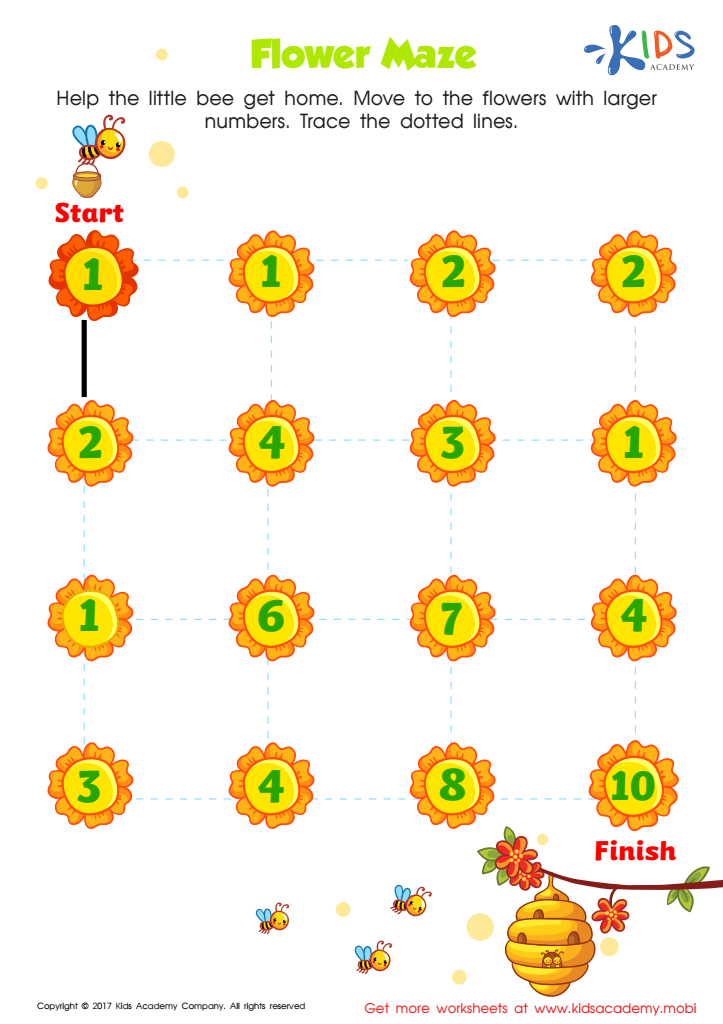
Number Maze For Kindergarten Printable
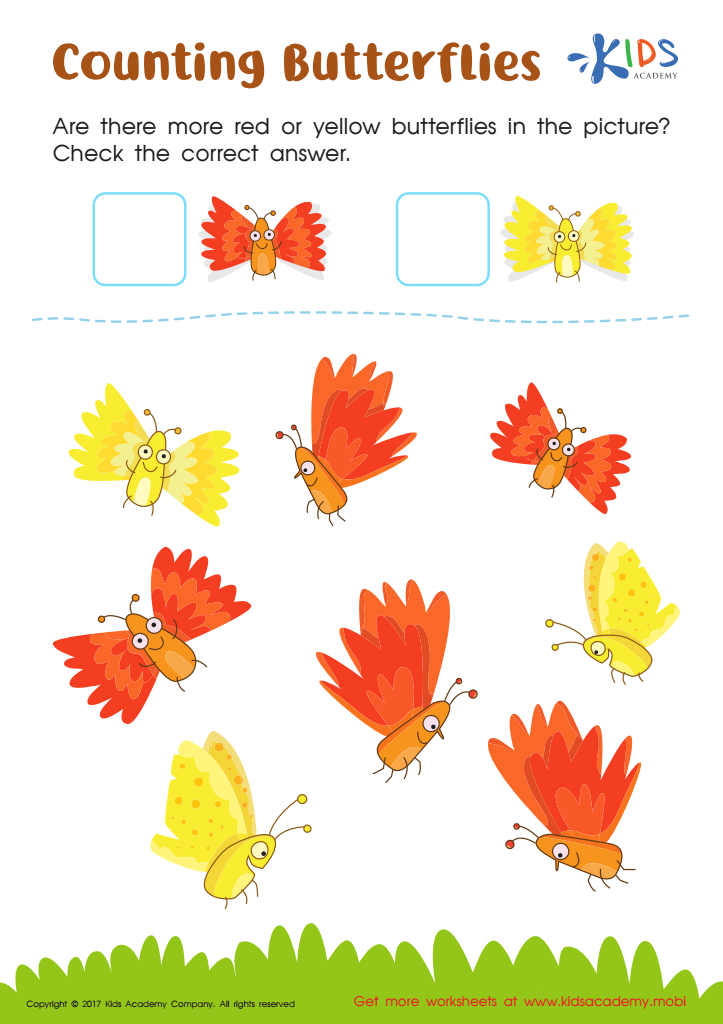
Counting Butterflies Worksheet
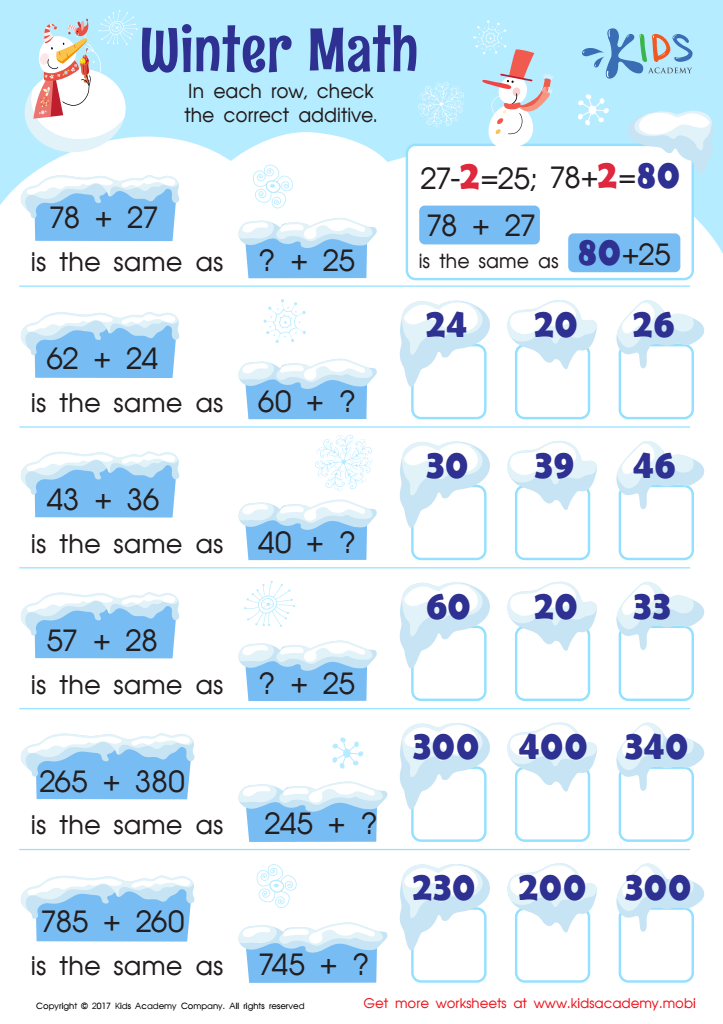
Free Addition Worksheet







Counting skills and comparing numbers are foundational components of a child's mathematical understanding, particularly for children ages 6 to 9. At this stage, children are developing critical cognitive abilities, and strong counting skills can enhance their numerical fluency, enabling them to understand more complex math concepts as they progress in their education.
These skills play a vital role in everyday life. By learning to count accurately and compare numbers, children become better equipped to solve practical problems, such as measuring ingredients for a recipe, calculating time, or budgeting their allowance. Encouraging mastery of these skills promotes confidence and autonomy in their learning.
Additionally, the ability to compare numbers lays the groundwork for more advanced concepts like addition, subtraction, and even early understanding of inequalities. Teachers and parents can support this development through engaging activities, such as games that involve counting and number comparisons. This hands-on approach not only makes learning enjoyable but also aids retention.
Investing time and resources in enhancing counting and comparing skills sets children up for long-term academic success. Ultimately, a strong mathematical foundation fosters a love for learning and encourages positive attitudes toward math as they grow older.