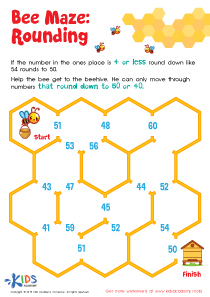
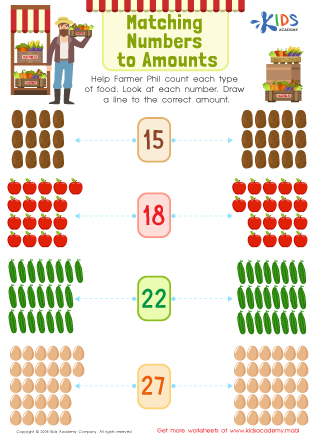
Fine Motor Skills Comparing Numbers Worksheets for Ages 6-9
3 filtered results
-
From - To
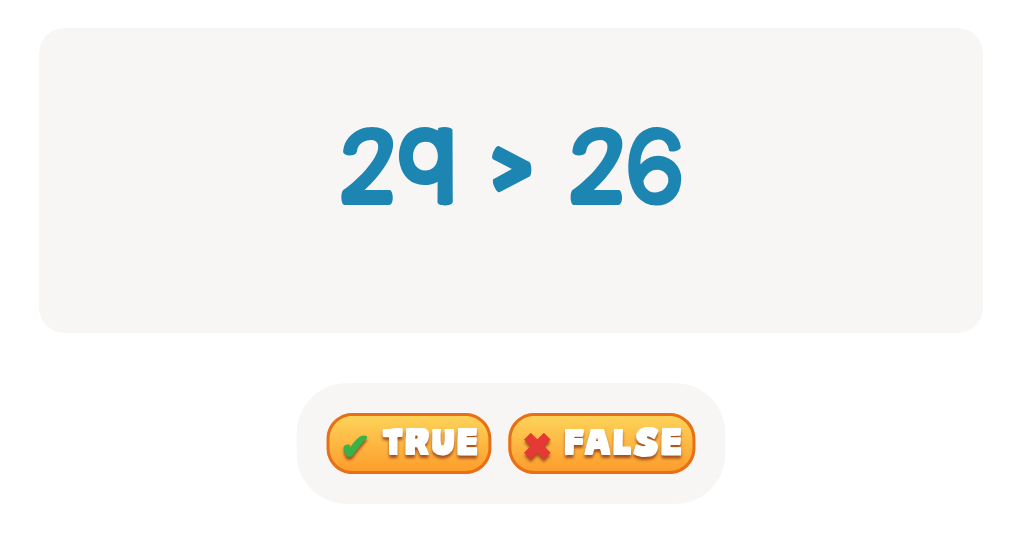
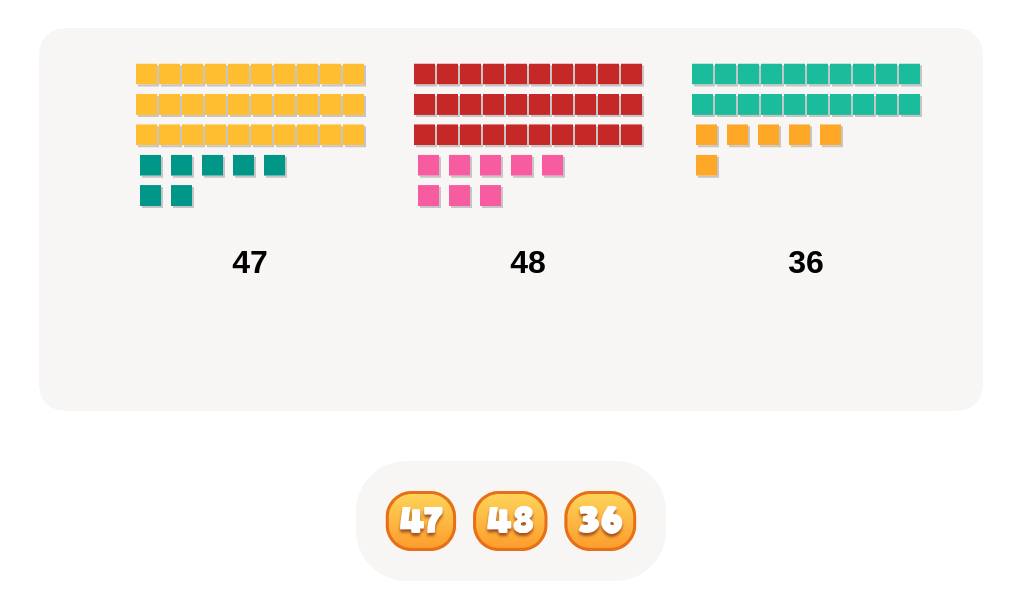
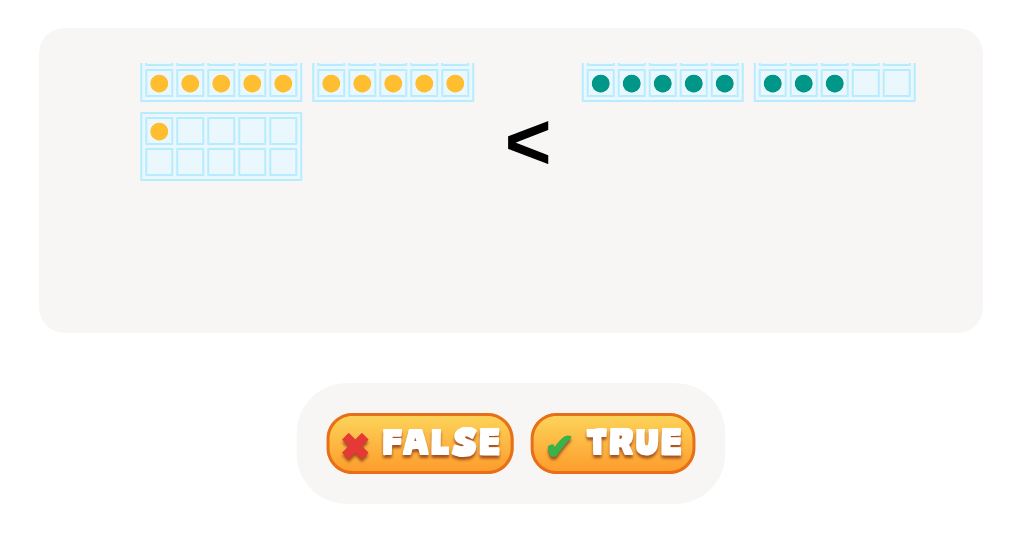
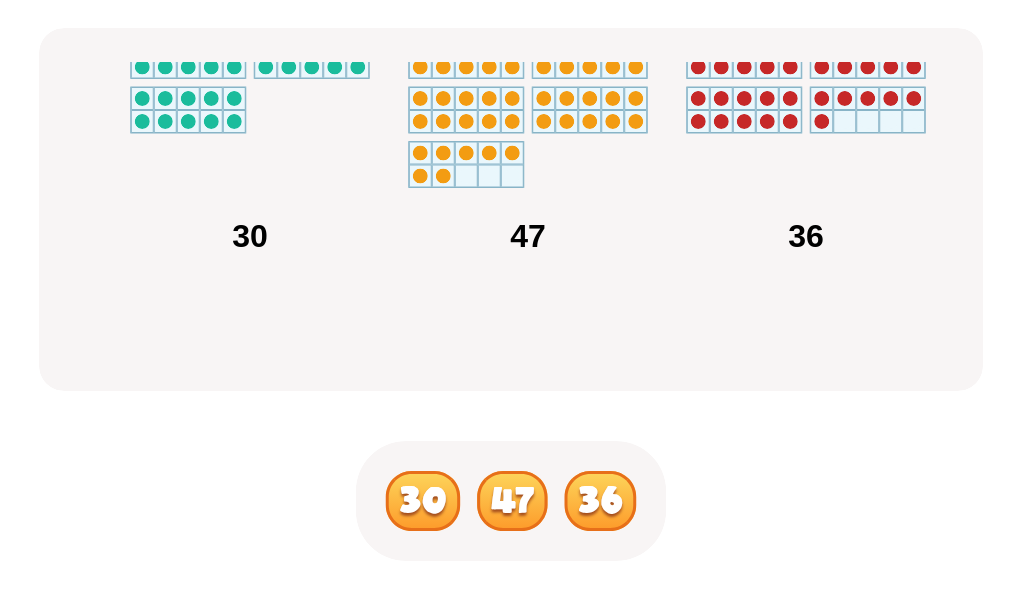
Boost your child's math and fine motor skills with our engaging Comparing Numbers Worksheets for ages 6-9. These worksheets are designed to help kids practice comparing numbers while simultaneously developing precise hand movements needed for writing. Perfect for young learners, the fun and educational activities stimulate your child’s analytical thinking and coordination. Each worksheet is filled with colorful, stimulating exercises that capture attention and make learning enjoyable. Tailored for early elementary students, our resources support cognitive growth and motor skill development, paving the way for success in both academics and everyday tasks. Start enhancing your child’s learning journey today!
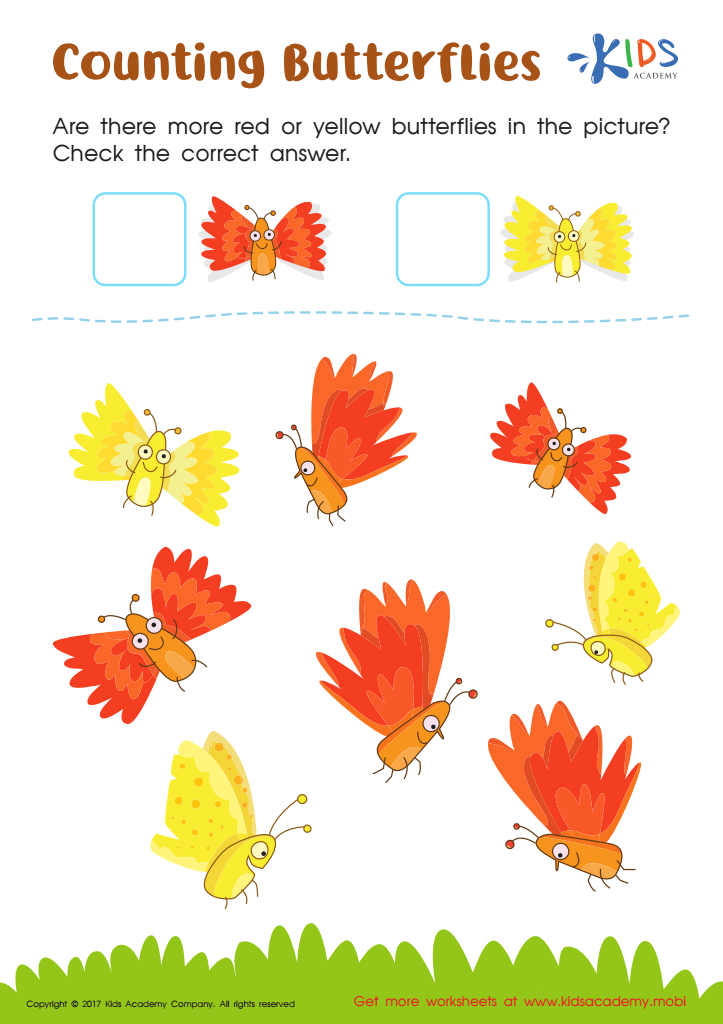
Counting Butterflies Worksheet
 Assign to My Students
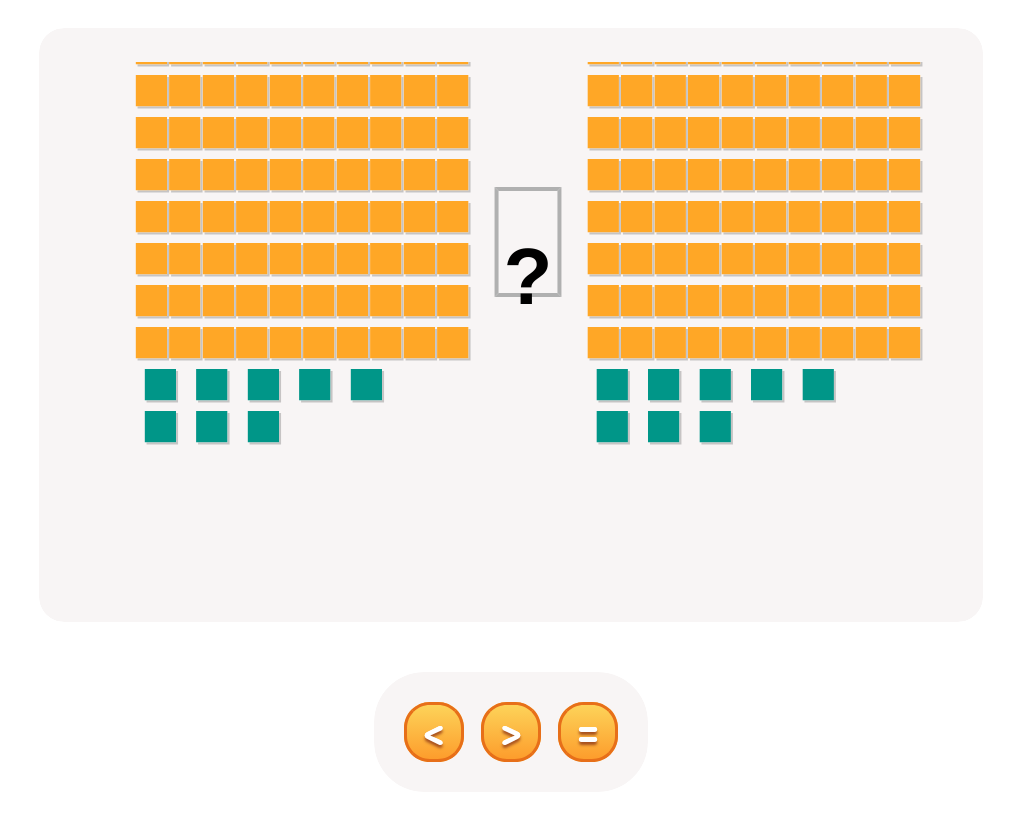

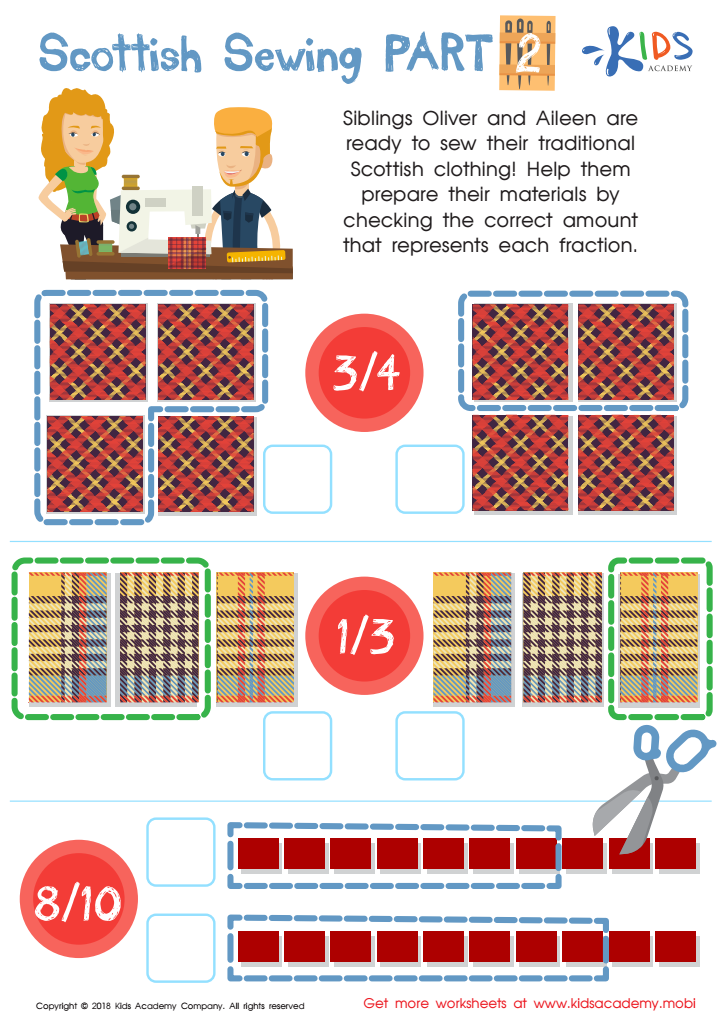
Scottish Sewing Part 2 Worksheet
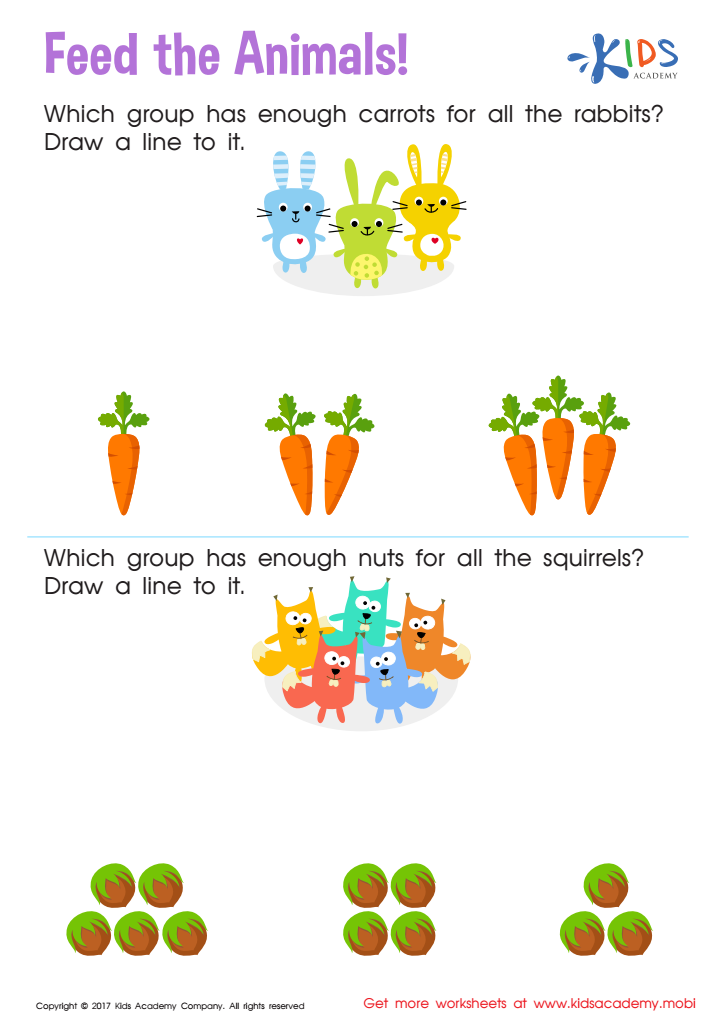
Count and Match: Feed the Animals Worksheet








Parents and teachers should care about developing fine motor skills in children aged 6-9, particularly when comparing numbers, because these skills are foundational for their academic success and overall cognitive development. Fine motor skills involve the coordination of small muscles, particularly in the hands and fingers, and are essential for tasks like writing, cutting, and manipulating small objects. When children compare numbers, they are not only learning basic math concepts such as greater than, less than, and equal to, but are also strengthening their fine motor control.
Effective fine motor skills enable children to handle pencils, use calculators, turn pages in a book, and even use technology more efficiently. Developing these skills helps improve hand-eye coordination and increases their ability to focus on intricate tasks, thereby enhancing their learning experiences. Furthermore, well-developed fine motor skills are indicative of neural growth and brain development, supporting other areas such as reading and problem-solving.
By focusing on activities that require comparing numbers, children can practice writing digits precisely and sorting numbers into correct sequences, which are both fine motor demands. Improved fine motor efficiency empowers children to perform tasks more independently and confidently, ultimately laying a stronger foundation for their future educational journey. Therefore, incorporating fine motor skill activities into numeracy lessons benefits not just academic growth but also overall cognitive and motor development.