Mathematical reasoning Counting Worksheets for Ages 6-9
3 filtered results
-
From - To
Discover our engaging Mathematical Reasoning Counting Worksheets designed for children aged 6-9. These worksheets are perfect for enhancing critical thinking and problem-solving skills while making learning fun. Students will explore various counting activities through interactive exercises that encourage logical reasoning and number recognition. Each worksheet provides a mix of challenges, ensuring that kids not only hone their counting abilities but also develop essential mathematical concepts in a playful way. Ideal for both classroom settings and at-home learning, these resources are perfect for reinforcing foundational math skills. Inspire your child's love for numbers with our thoughtfully crafted counting worksheets today!
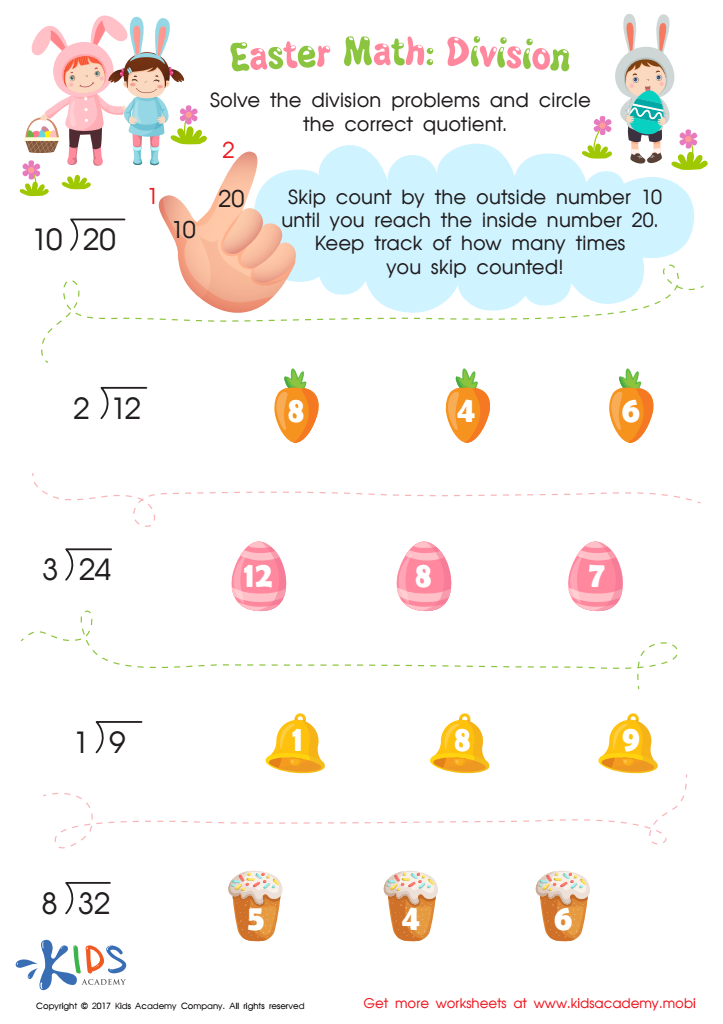
Division Worksheet
 Assign to My Students


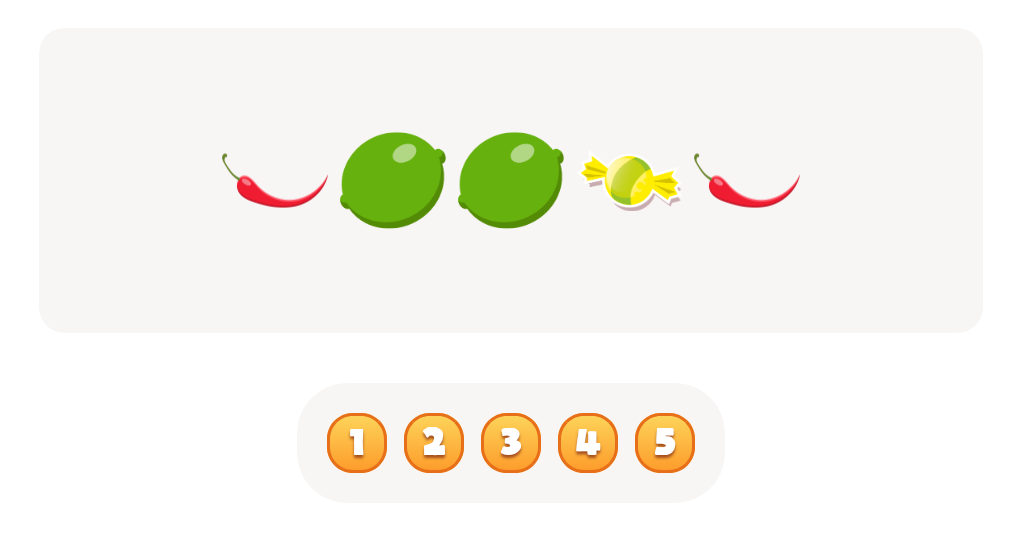
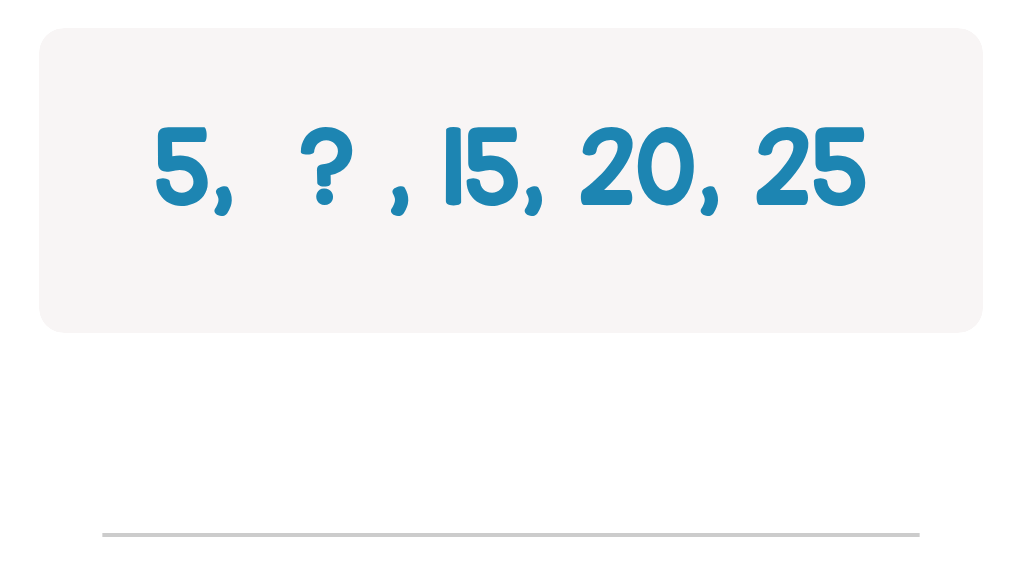
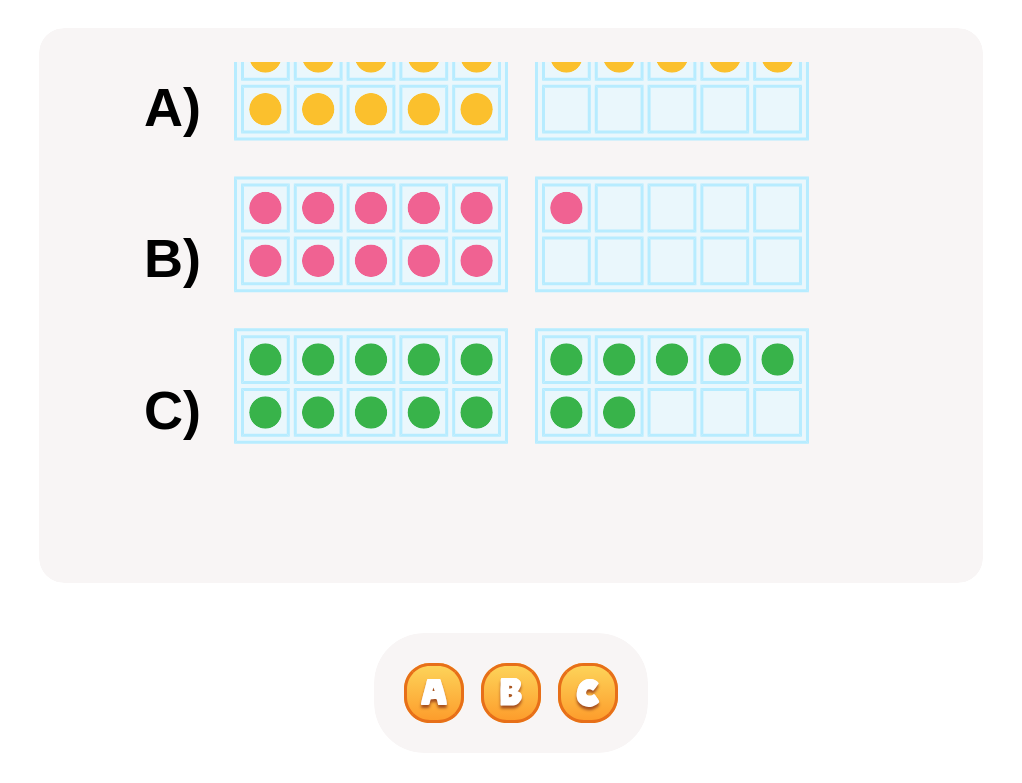
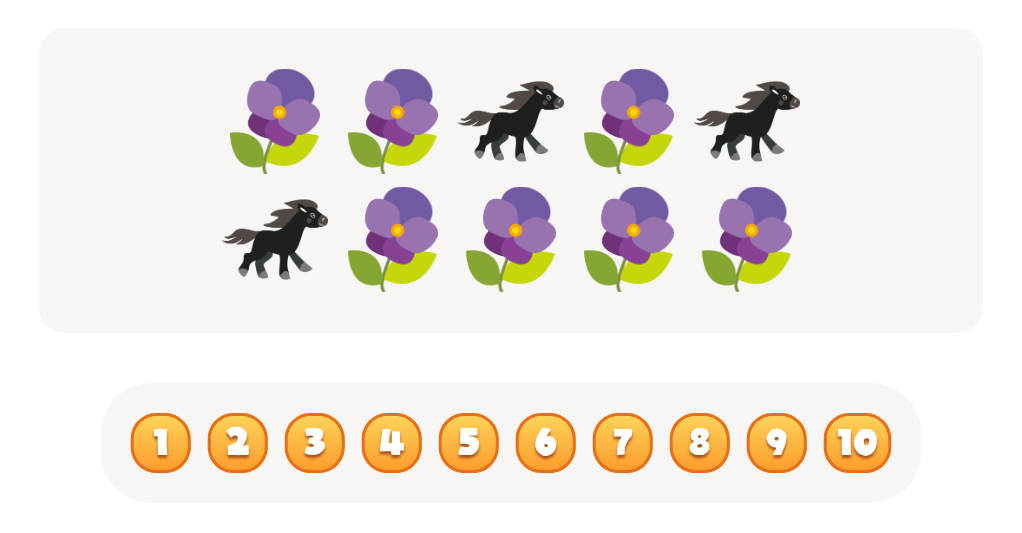
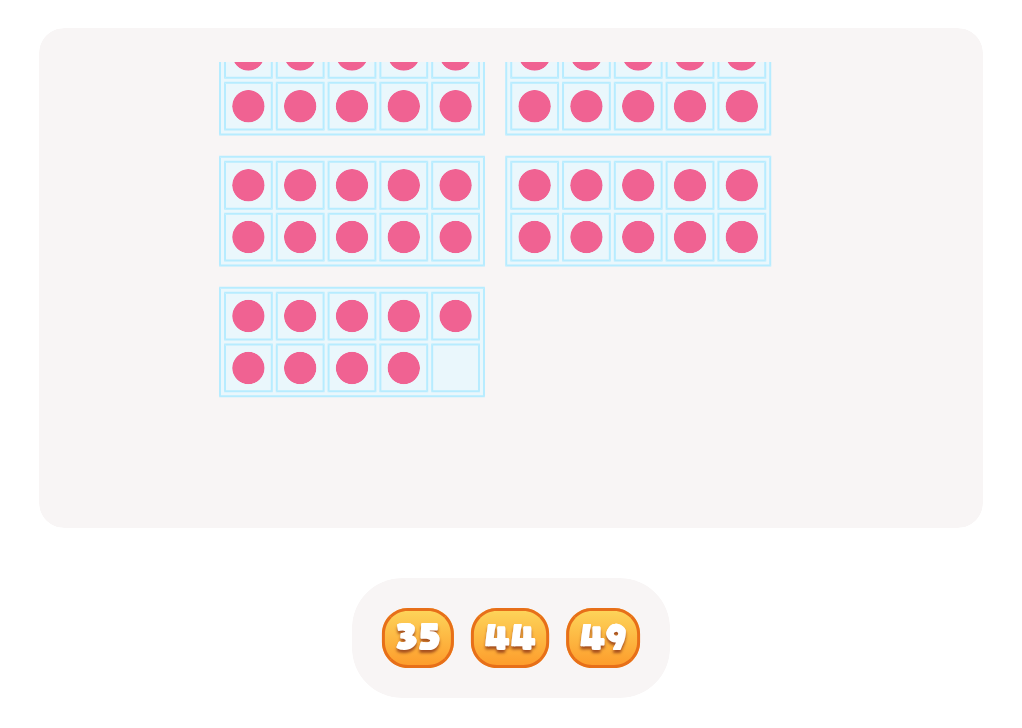
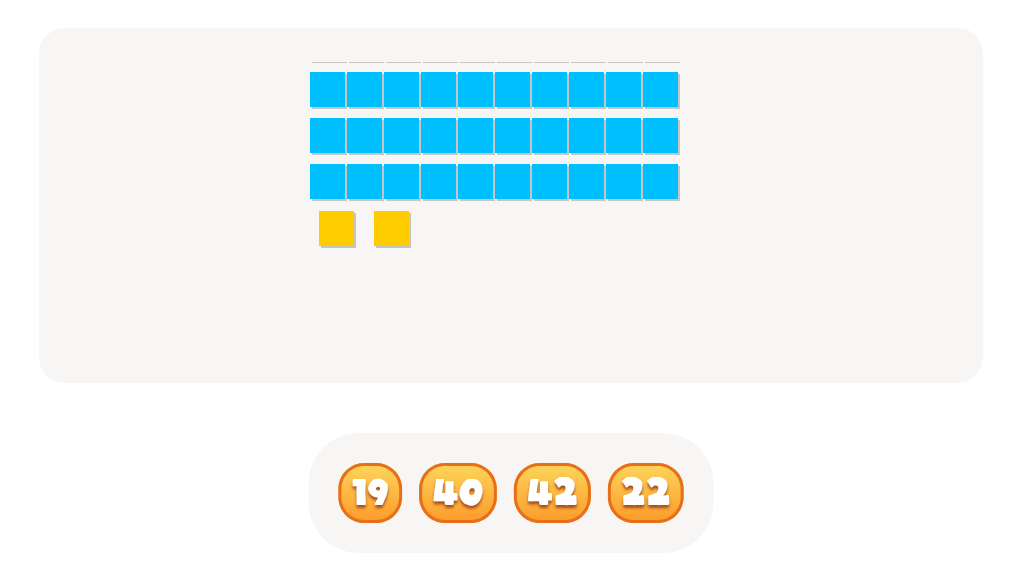
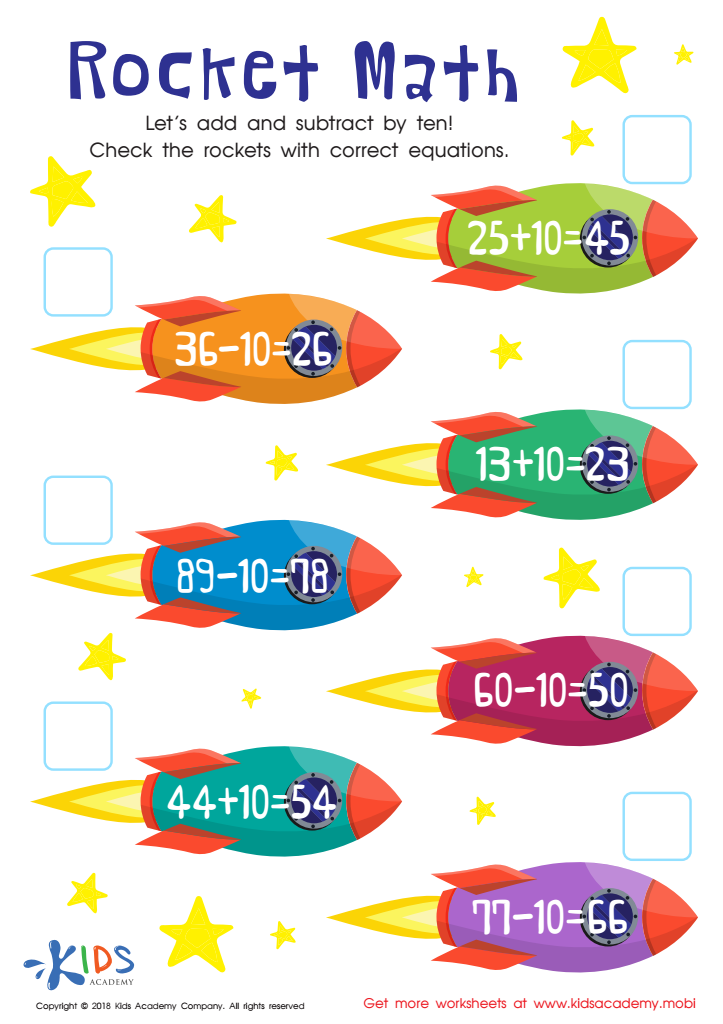
Rocket Math Worksheet
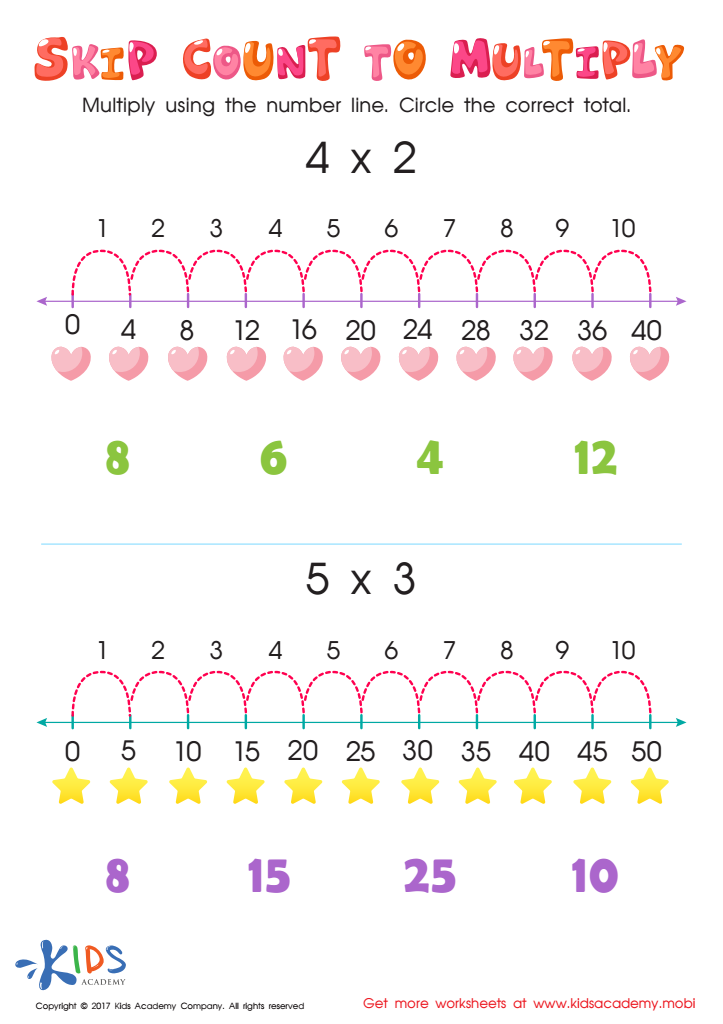
Skip Count Multiplication Worksheet








Mathematical reasoning in counting is a fundamental skill for children aged 6-9, serving as the building block for more complex math concepts. Parents and teachers should care about promoting this skill because it encourages critical thinking and problem-solving abilities, which are essential for academic success and daily life decisions.
At this age, children develop foundational numeracy skills by learning to count objects, understand number sequences, and recognize patterns. Engaging in mathematical reasoning fosters a positive attitude toward math, reducing anxiety associated with the subject in later years. Moreover, it helps children make connections between quantity and numerical representation, which strengthens their conceptual understanding.
Promoting counting skills also aids in enhancing cognitive abilities by exercising the brain’s capacity for logic and predictive reasoning. Children learn to estimate, compare quantities, and recognize relationships between numbers, which can lead to improved performance in future math tasks. Additionally, incorporating fun and interactive activities—like games and puzzles—in counting reinforces these competencies while keeping children motivated.
Ultimately, by nurturing mathematical reasoning for counting, parents and teachers lay a solid foundation for lifelong learning, equipping children with essential skills that extend beyond the classroom into real-world applications.








