Color recognition Geometry Worksheets for Ages 6-9
5 filtered results
-
From - To
Discover our engaging Color Recognition Geometry Worksheets designed specifically for children aged 6-9! These interactive resources not only reinforce essential geometric concepts such as shapes and patterns, but they also enhance color recognition skills. Through fun exercises, kids will practice identifying, coloring, and matching geometric figures, making learning enjoyable and effective. Tailored for early learners, our worksheets promote cognitive development and creativity while ensuring a solid foundation in geometry. Perfect for both classroom and home use, these worksheets are a valuable addition to any educational toolkit. Help your child master color recognition in geometry while having fun! Download now to get started!
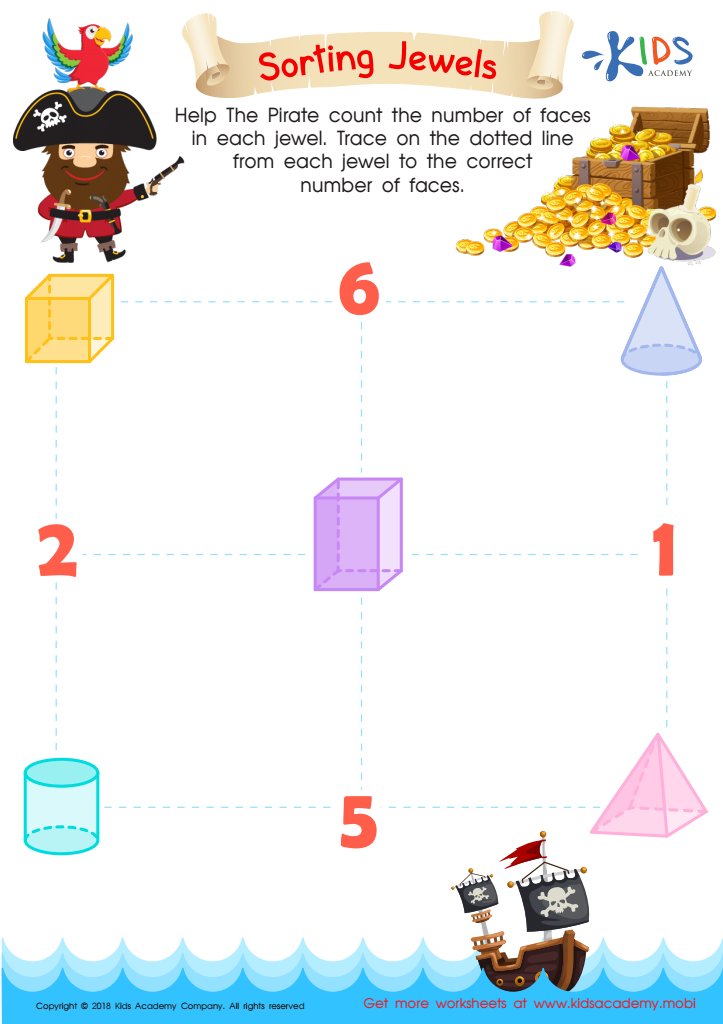
Sorting Jewels Worksheet











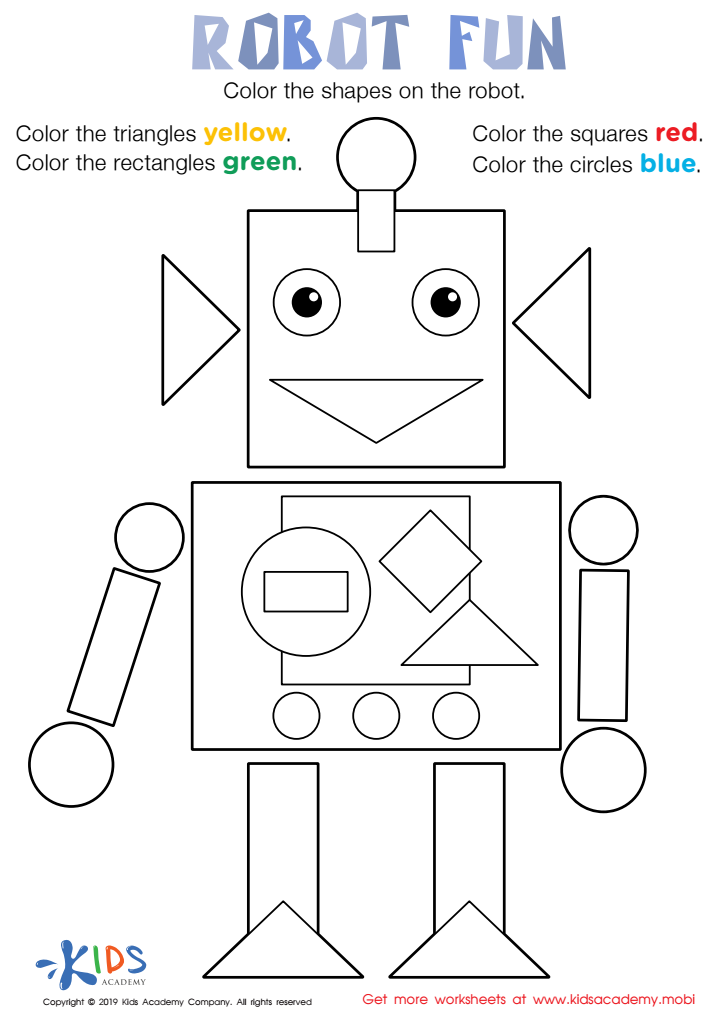
Robot Fun Worksheet
 Assign to My Students
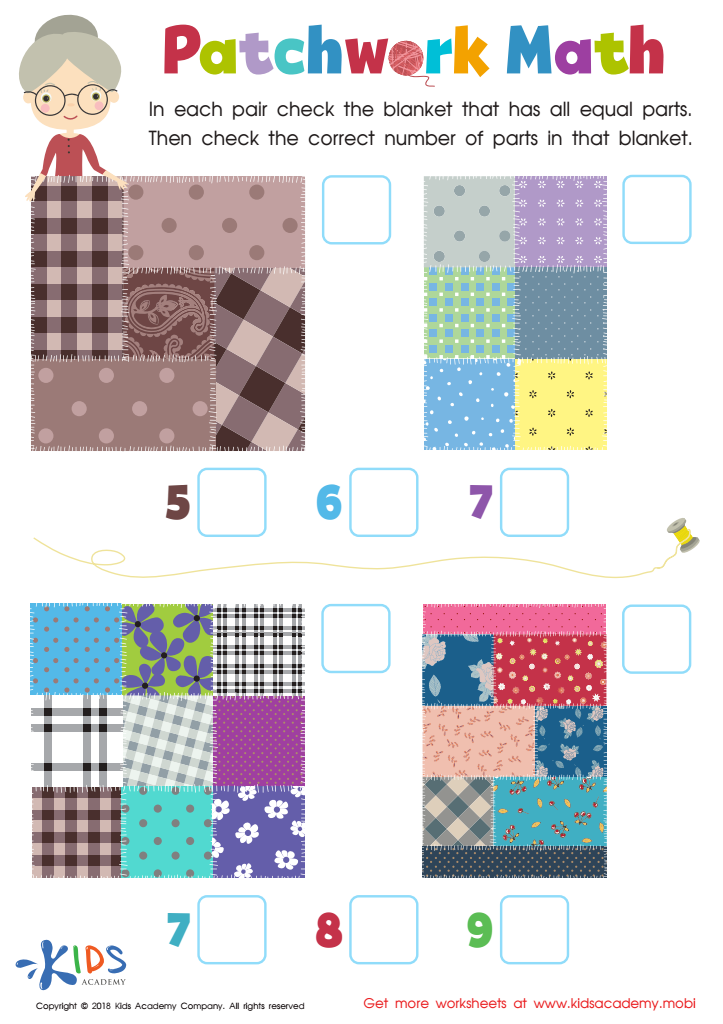
Patchwork Math Worksheet

Shapes Worksheet
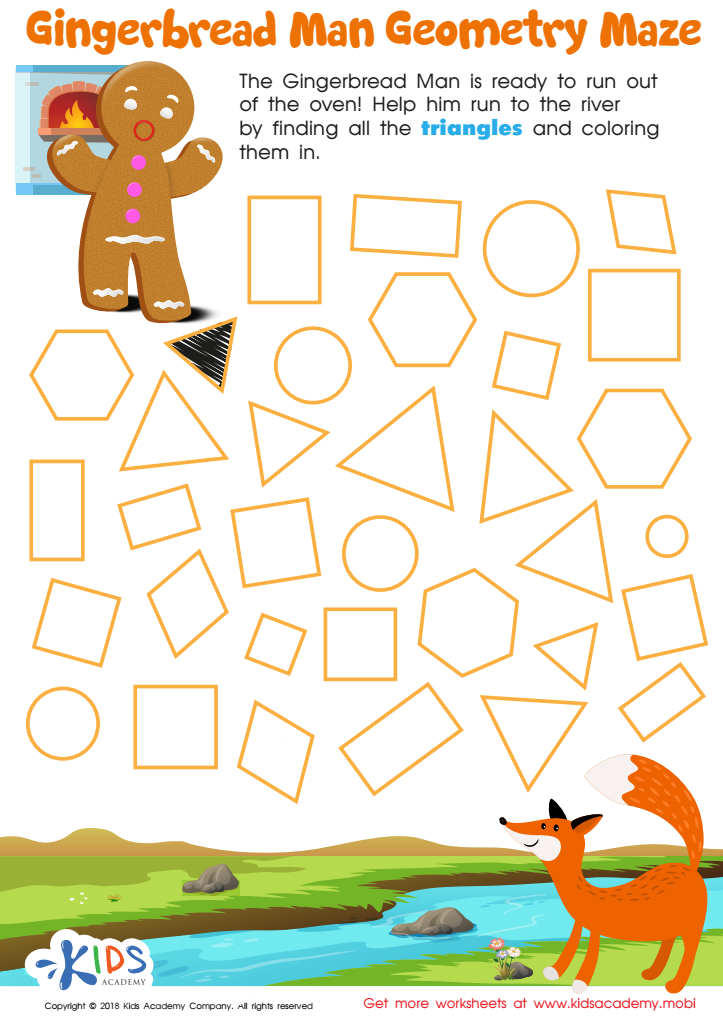
Gingerbread Man Geometry Maze Worksheet








Color recognition and geometry are fundamental aspects of early education, particularly for children aged 6-9. Understanding colors enhances a child's ability to identify and differentiate objects, which supports cognitive development. Recognizing colors stimulates visual perception and develops language skills, as children learn to describe and categorize their environment.
Geometry, on the other hand, introduces children to shapes, spatial relationships, and concepts of measurement. Learning about geometric shapes and forms cultivates critical thinking abilities, as children start to understand patterns and problem-solving. These skills are essential in various areas of study including math, science, and art.
When parents and teachers focus on color recognition and geometry, they inadvertently encourage creativity and exploration. Incorporating colors and shapes into daily activities promotes engagement and motivation in learning. Interactive games, art projects, and hands-on activities provide enjoyable ways for children to grasp these concepts.
Moreover, foundational skills in color recognition and geometry lay the groundwork for future academic success. As children progress through their educational journey, these concepts will contribute to more complex subjects. Ultimately, being attentive to color and geometry not only supports children's development but also fosters a lifelong love for learning.








