Basic addition practice Numbers Worksheets for Ages 6-9
6 filtered results
-
From - To
Boost your child’s math skills with our Basic Addition Practice Worksheets designed for ages 6-9! These engaging worksheets provide a fun and interactive way for kids to master essential addition concepts through colorful exercises and real-world problems. Each worksheet focuses on key skills like adding single and double digits, helping young learners build confidence and proficiency in their math abilities. Perfect for classroom use or at-home practice, our printable resources cater to varied learning styles. Download now and watch as your child develops a strong foundation in math, setting the stage for academic success!
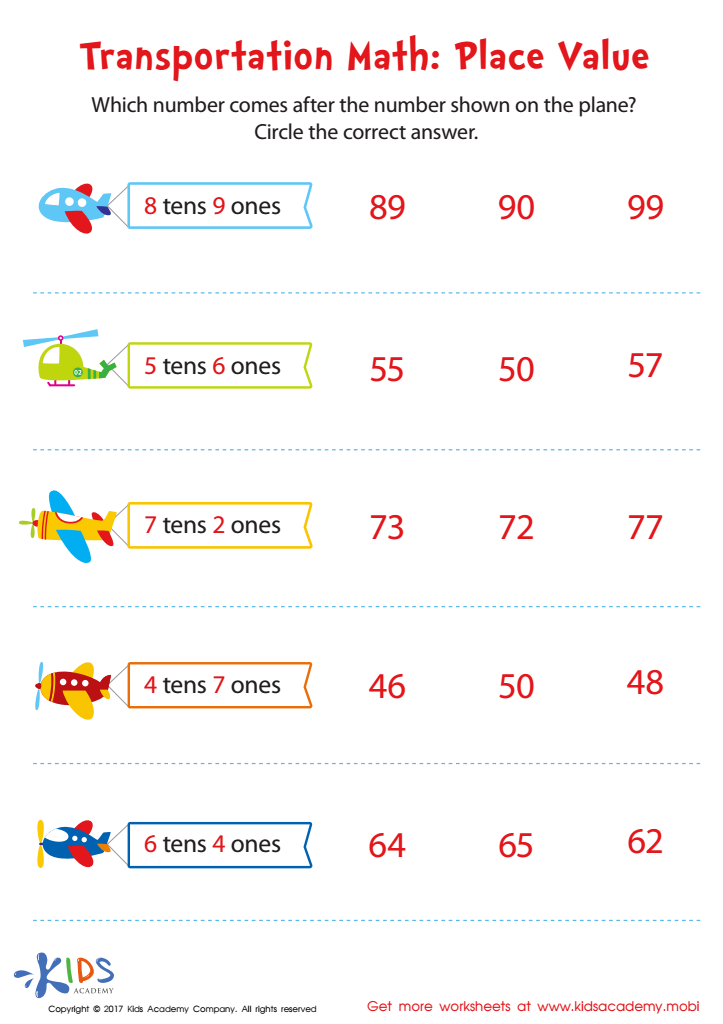
Transportation Math Printable
 Assign to My Students
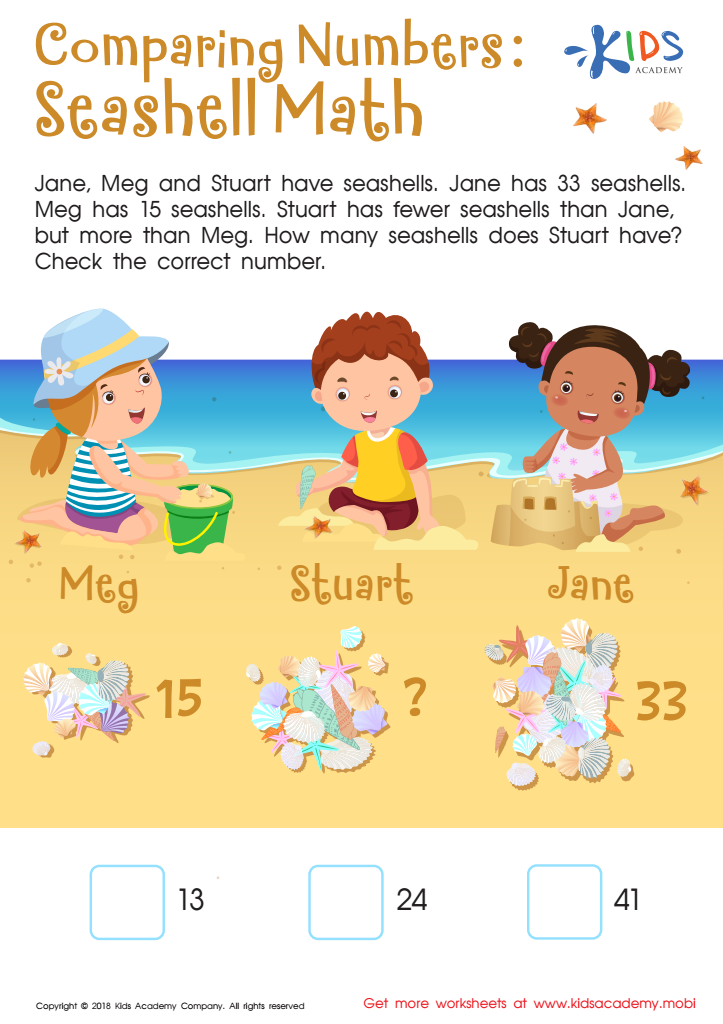
Seashell Collectors Worksheet
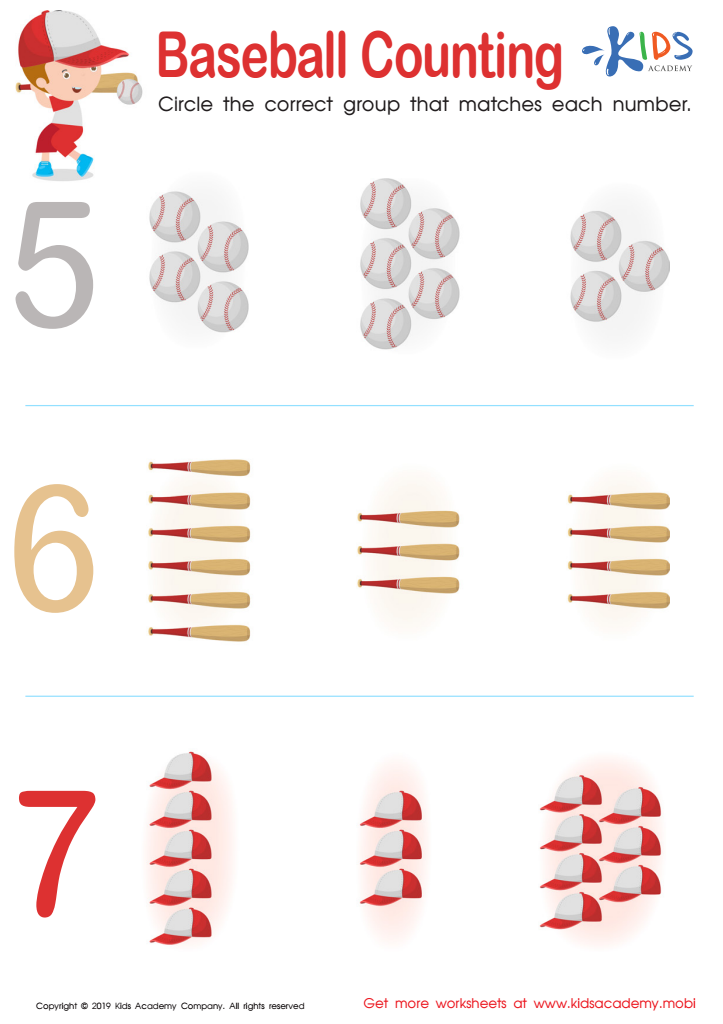
Baseball Counting Worksheet
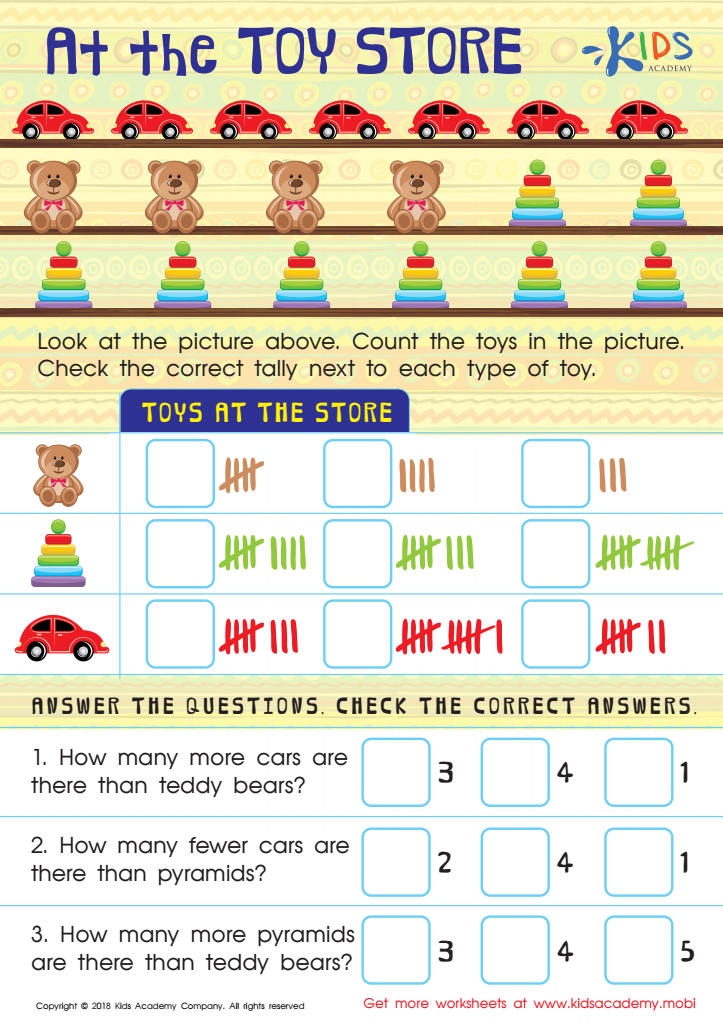
Tally Chart: At the Toy Store Worksheet
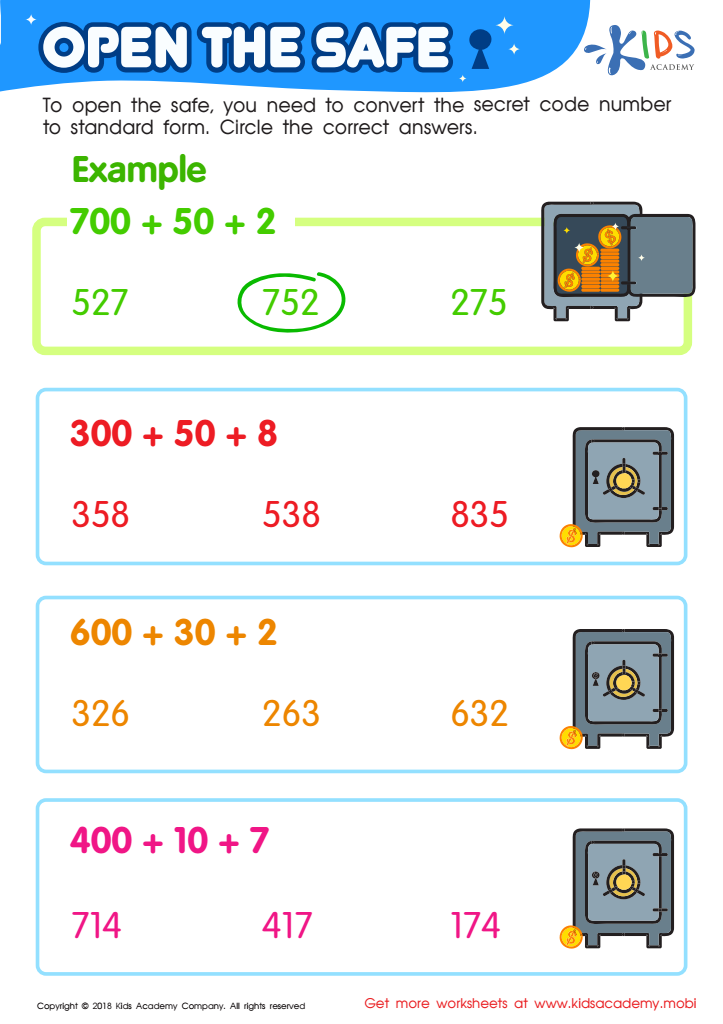
Open the Safe Worksheet
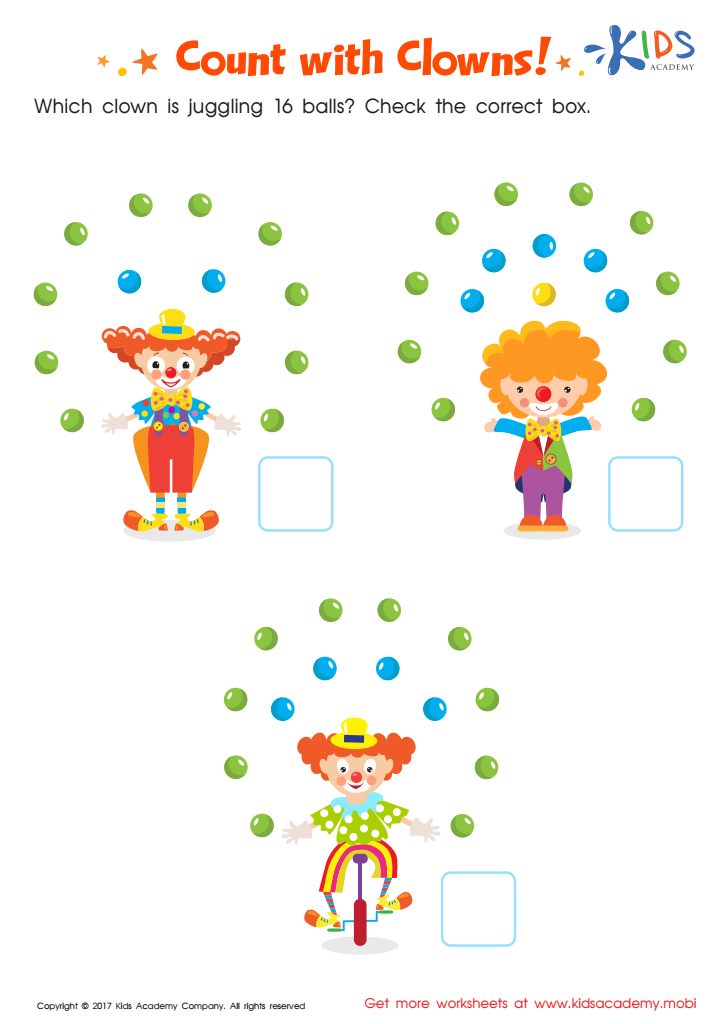
Count with Clowns Worksheet








Basic addition is foundational to a child's mathematical understanding and overall academic success. For children ages 6-9, mastering addition helps develop critical cognitive skills. During these formative years, students transition from concrete to abstract thinking, making it essential that they build a strong number sense. Basic addition practice sharpens problem-solving abilities and encourages logical reasoning, which benefits all areas of learning.
Additionally, a solid grasp of addition lays the groundwork for more advanced math concepts such as subtraction, multiplication, and ultimately, arithmetic skills used in everyday life. Parents and teachers should emphasize addition practice because it fosters confidence and reduces math anxiety, which is crucial as children's educational journeys progress.
Moreover, integrating addition practice into daily routines can enhance bonding experiences between parents and children, making learning enjoyable. Teachers can incorporate engaging activities to sustain students' interest in the subject matter, ensuring they are motivated and eager to learn.
By investing time and resources to strengthen basic addition skills, parents and teachers not only help students achieve academic success but also cultivate lifelong learners equipped with the necessary skills to navigate an increasingly numerically-oriented world. Providing this support during early education helps solidify a child's future academic and personal achievements.








