Understanding Quantities Numbers Worksheets for Ages 6-9
6 filtered results
-
From - To
Explore our engaging "Understanding Quantities Numbers Worksheets" designed for children aged 6-9! These interactive resources help young learners grasp the concept of quantities through various engaging activities. Students will practice counting, comparing, and organizing numbers while building a strong foundation in basic mathematics. With colorful visuals and age-appropriate exercises, each worksheet encourages kids to think critically and develop their number sense in a fun and supportive environment. These worksheets not only reinforce essential skills but also promote hands-on learning. Jumpstart your child's understanding of quantities and enhance their confidence in math today with our specially designed materials!
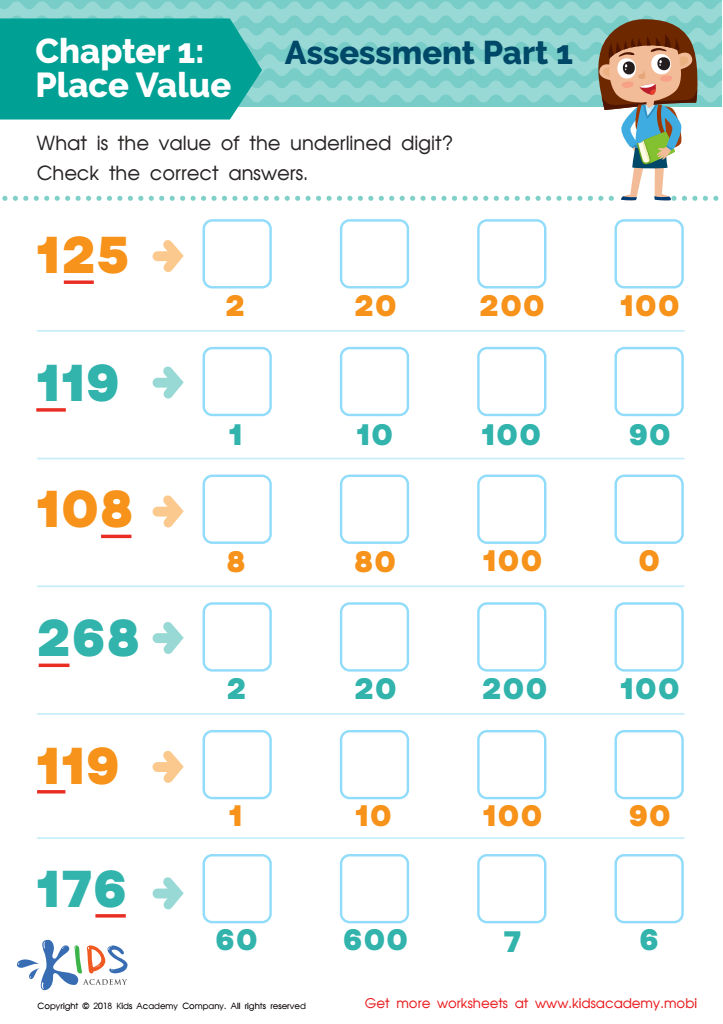
Place Value: Chapter 1 Worksheet
 Assign to My Students
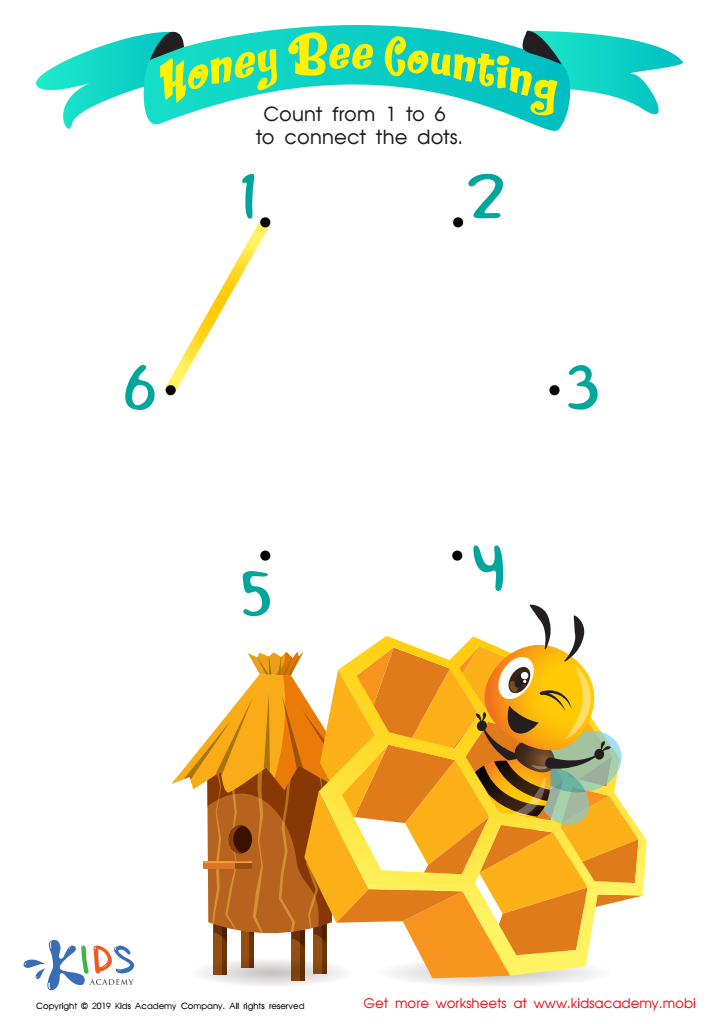
Honey Bee Counting Worksheet
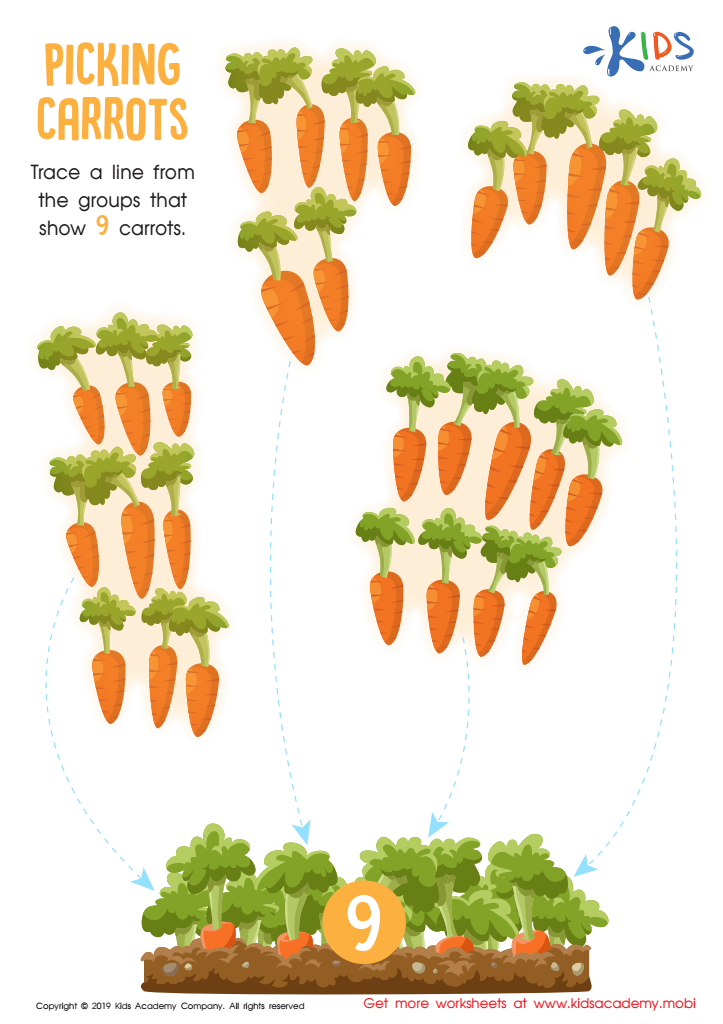
Picking Carrots Worksheet
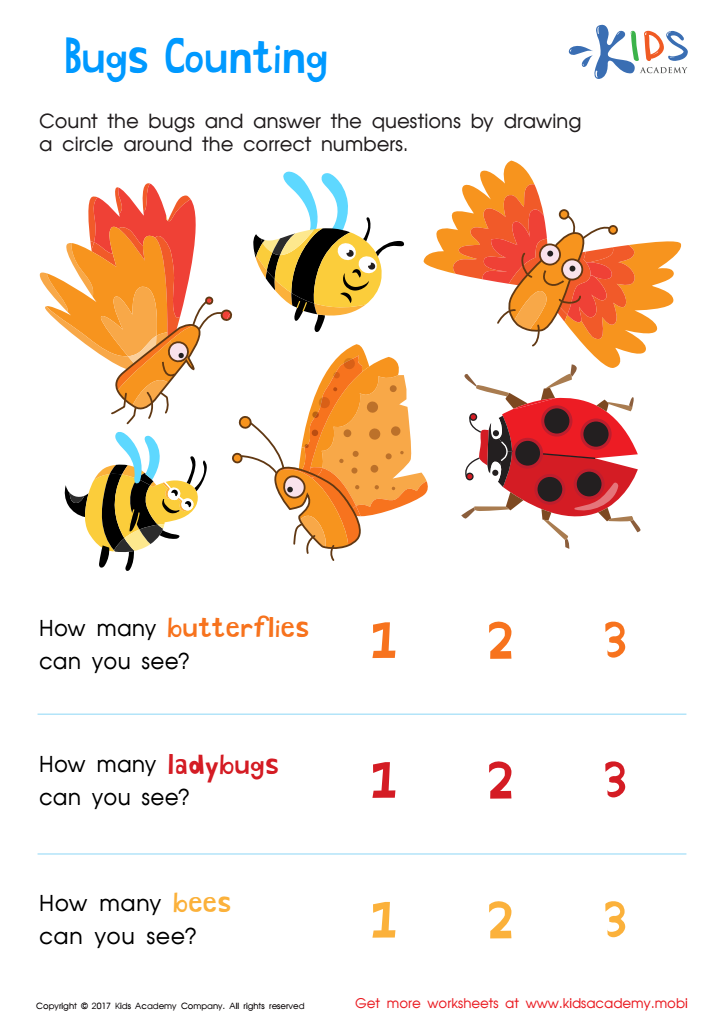
Bugs Counting Worksheet
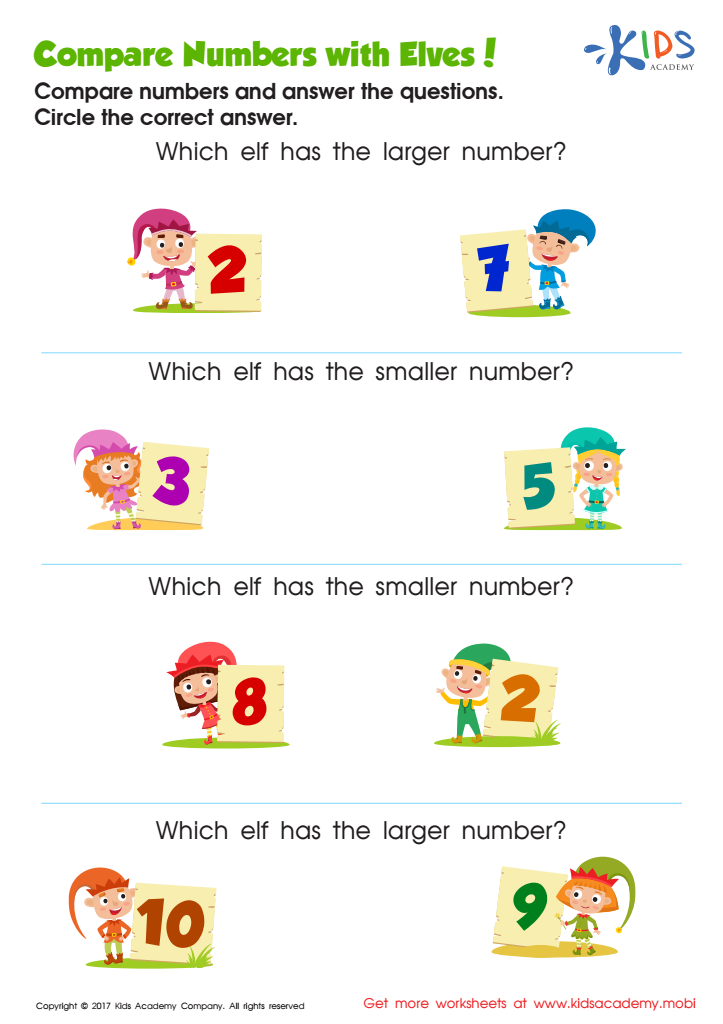
Comparing Numbers Worksheet for Kindergarten
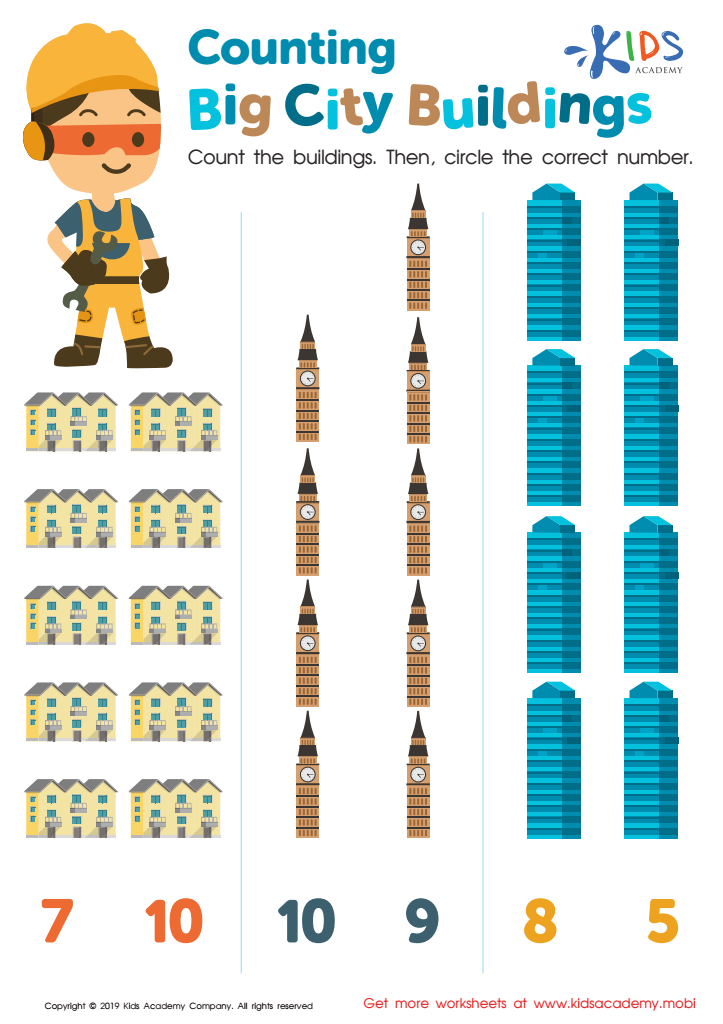
Counting Big City Buildings Worksheet








Understanding quantities and numbers is foundational for children ages 6-9, a critical period for developing strong mathematical skills that will support future learning. At this age, children are transitioning from simple counting to more complex concepts, such as addition, subtraction, and the idea of place value. By grasping these concepts early, students build confidence and a positive attitude towards math, which influences their overall academic performance.
For parents and teachers, nurturing this understanding is essential for creating a strong educational foundation. When children comprehend quantities, they become adept at problem-solving, logical reasoning, and critical thinking—skills essential in everyday life. Engaging with numbers helps children make sense of their world, from measuring ingredients for cooking to managing their time effectively.
Moreover, early number sense can prevent the anxiety and resistance to math that some children experience later on. By actively participating in their children’s learning through playful activities that involve quantities, parents and educators instill a love for learning. This collaborative approach not only enhances cognitive development but also fosters essential life skills such as perseverance and collaboration. Ultimately, prioritizing understanding quantities and numbers during these formative years can open doors to future academic and personal success.








