Writing practice Numbers Worksheets for Ages 6-9
11 filtered results
-
From - To
Our Writing Practice Numbers Worksheets for Ages 6-9 are the perfect tool to enhance your child's number writing skills. Designed by education experts, these worksheets offer engaging activities to help kids master number formation and improve handwriting. Through fun tracing exercises and numberplay, children will build confidence and accuracy in writing numbers. Ideal for both home and classroom use, these printables support early math learning and fine motor skills development. Foster your child's numeracy proficiency with our high-quality, easy-to-follow resources. Visit Kids Academy to download and boost your little learner’s numerical journey.
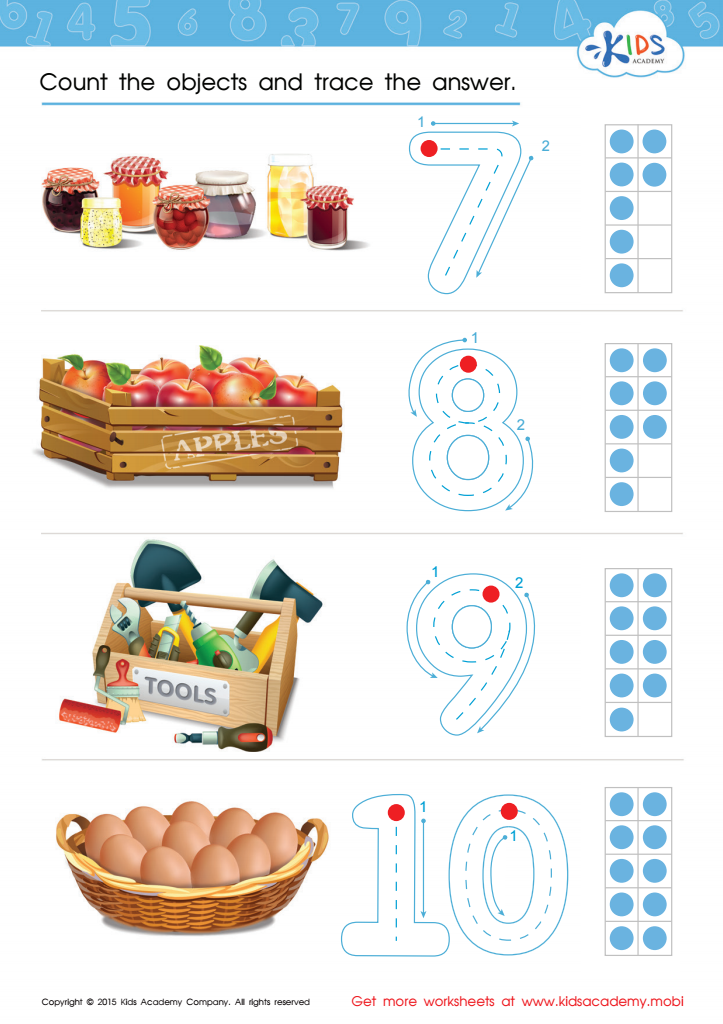
Count and Trace 7 – 10 Worksheet
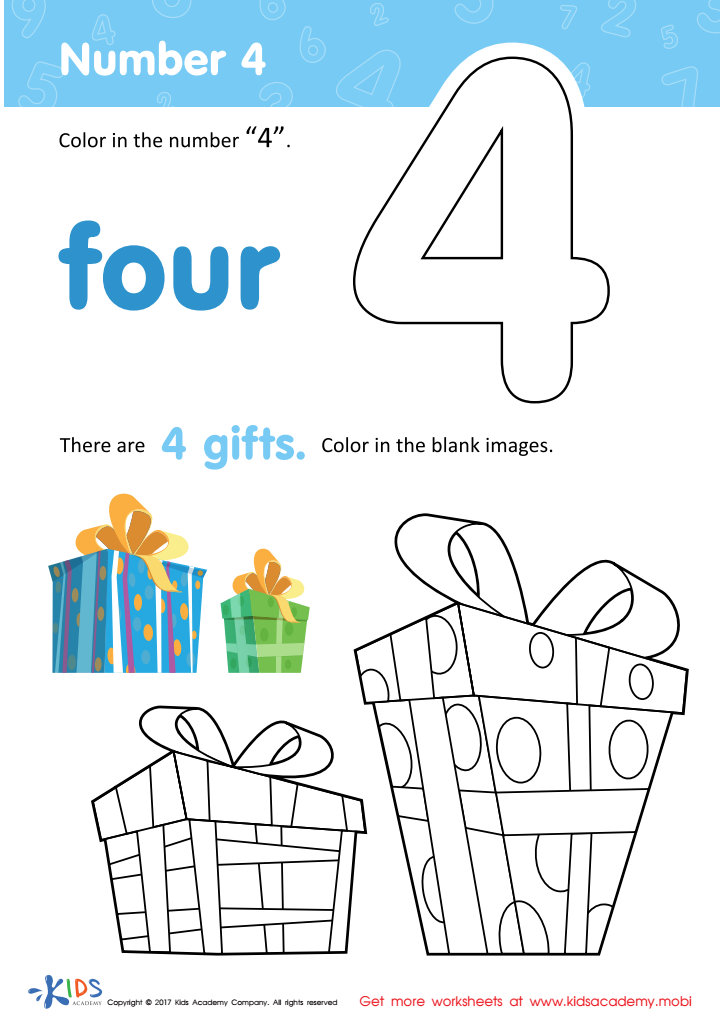
Number 4 Printable
 Assign to My Students
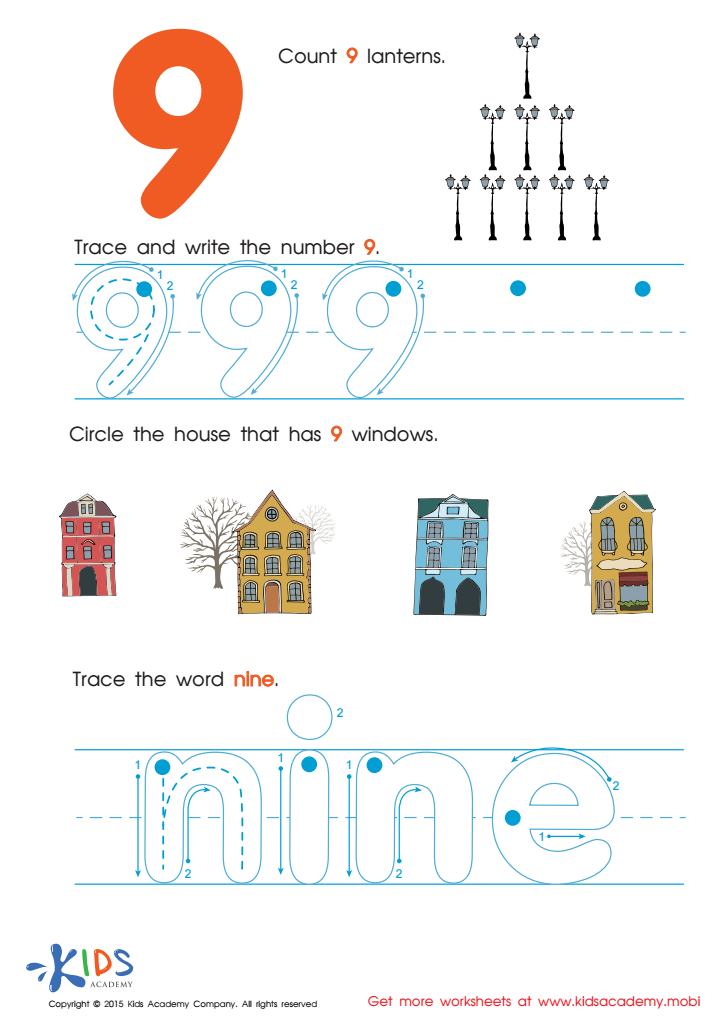
Tracing And Learning to Write Number 9 Worksheet
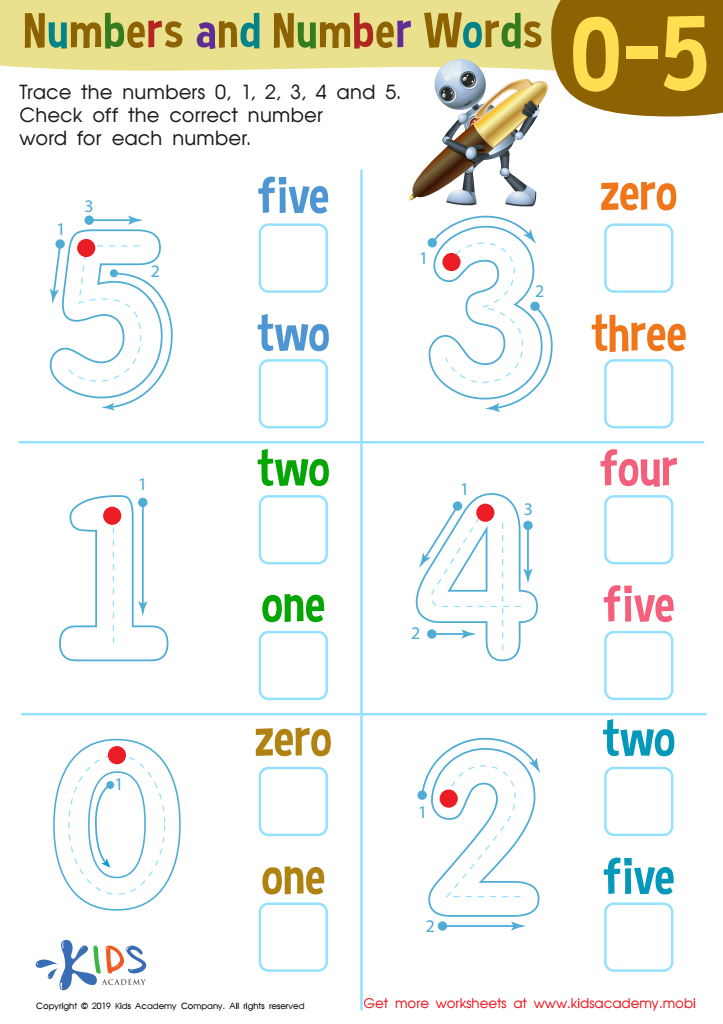
Numbers and Number Words Worksheet
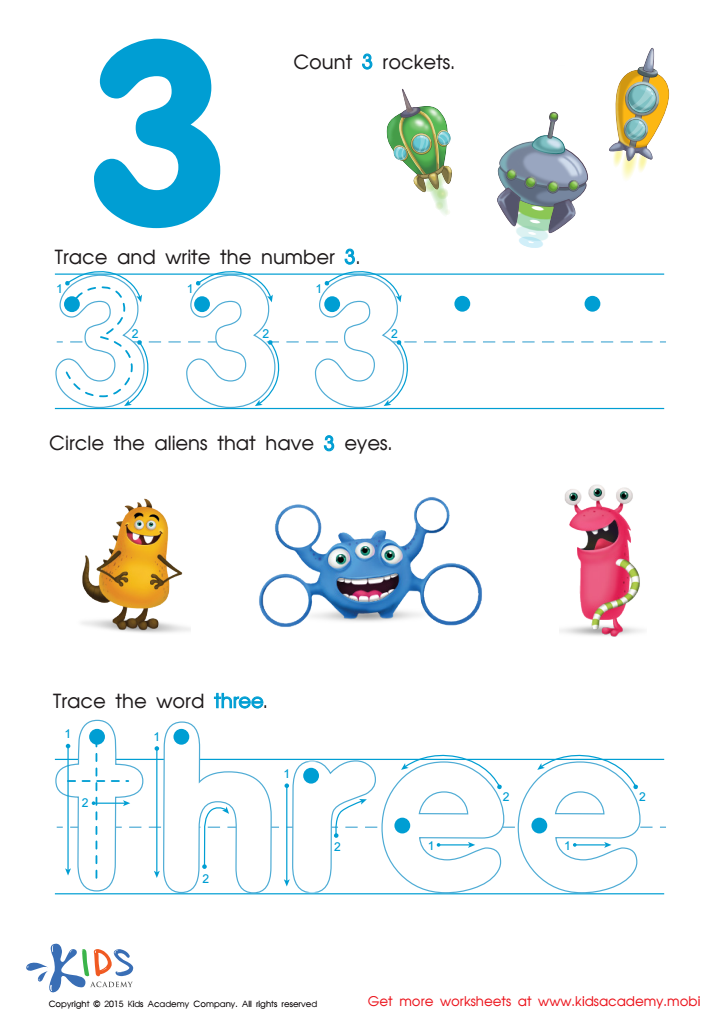
Learning Number Three Worksheet
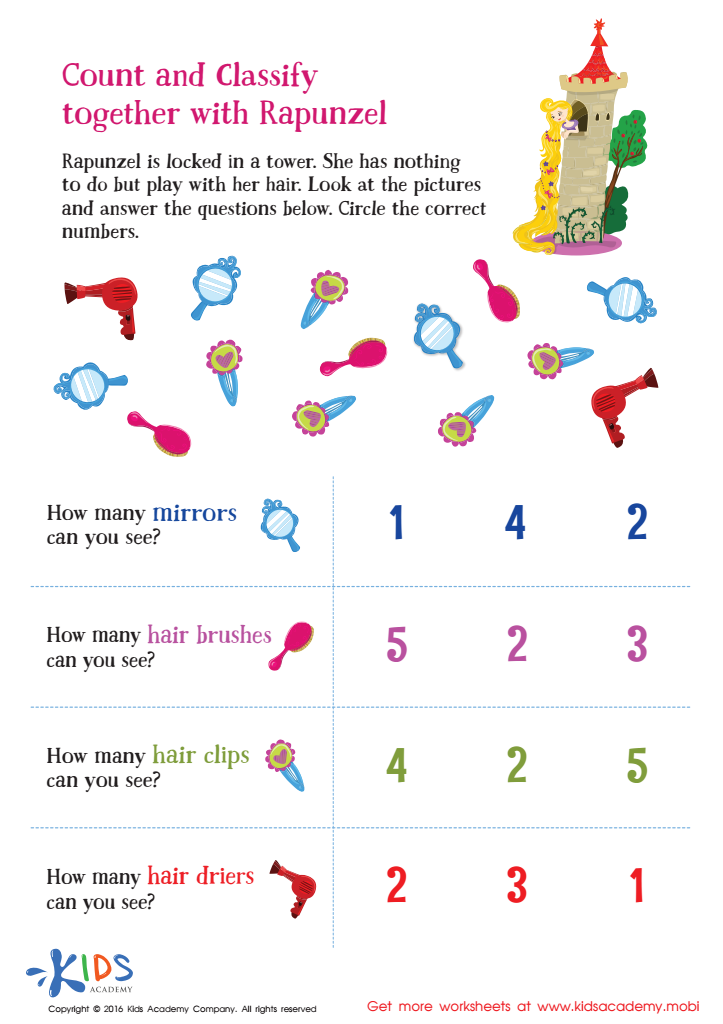
Fairy Tale Worksheet: Count and Classify with Rapunzel
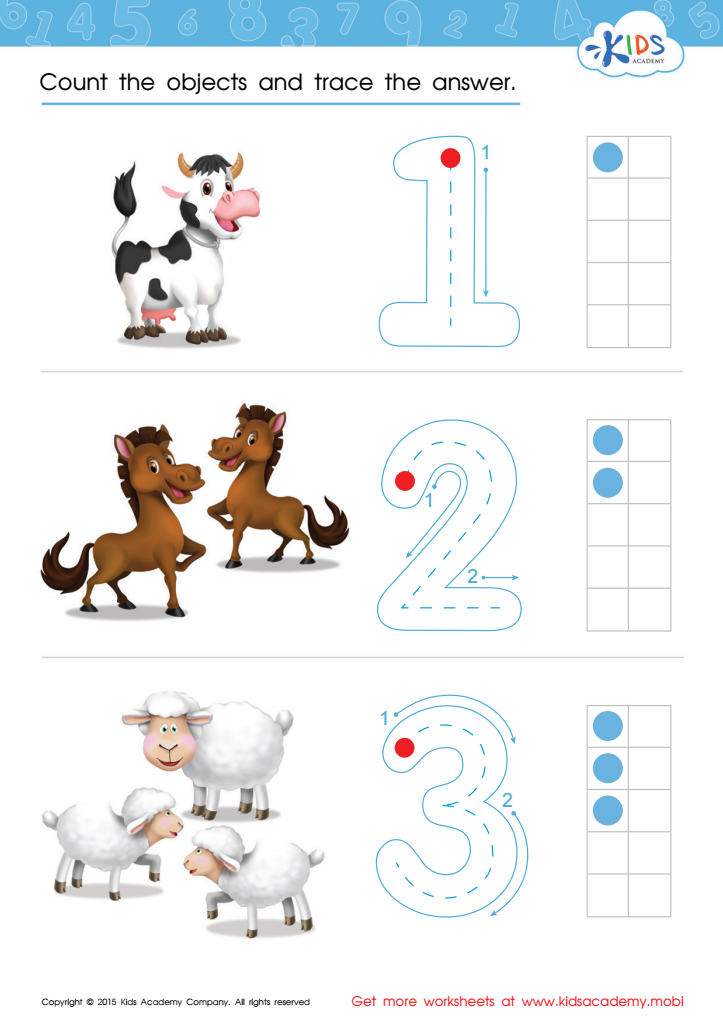
Count and Trace 1 – 3 Worksheet
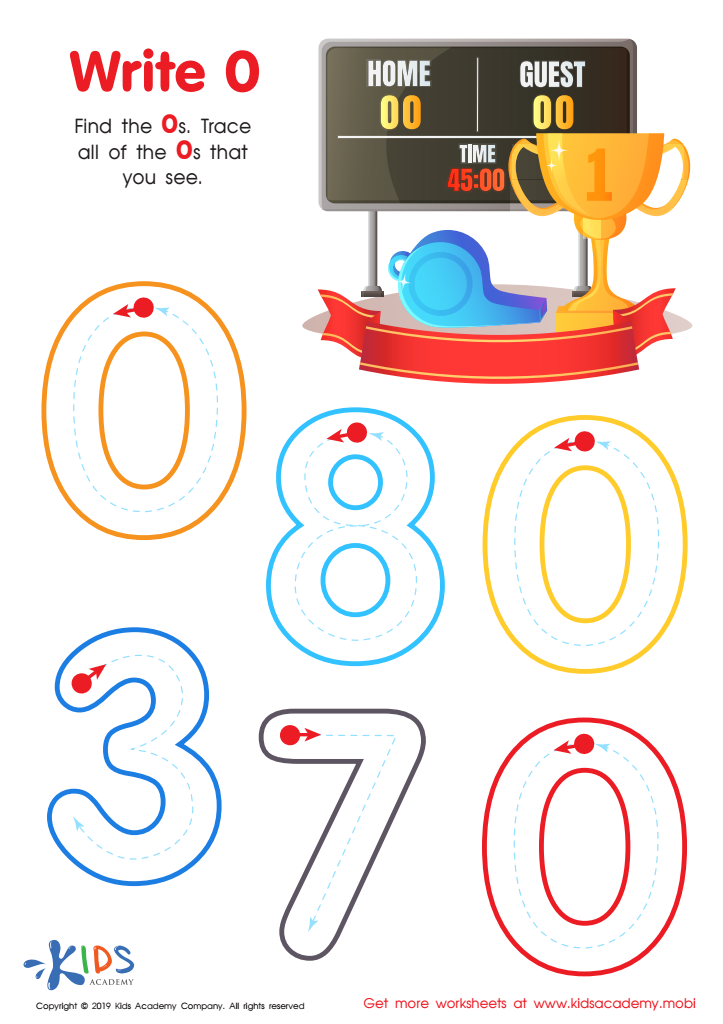
Write 0 Worksheet
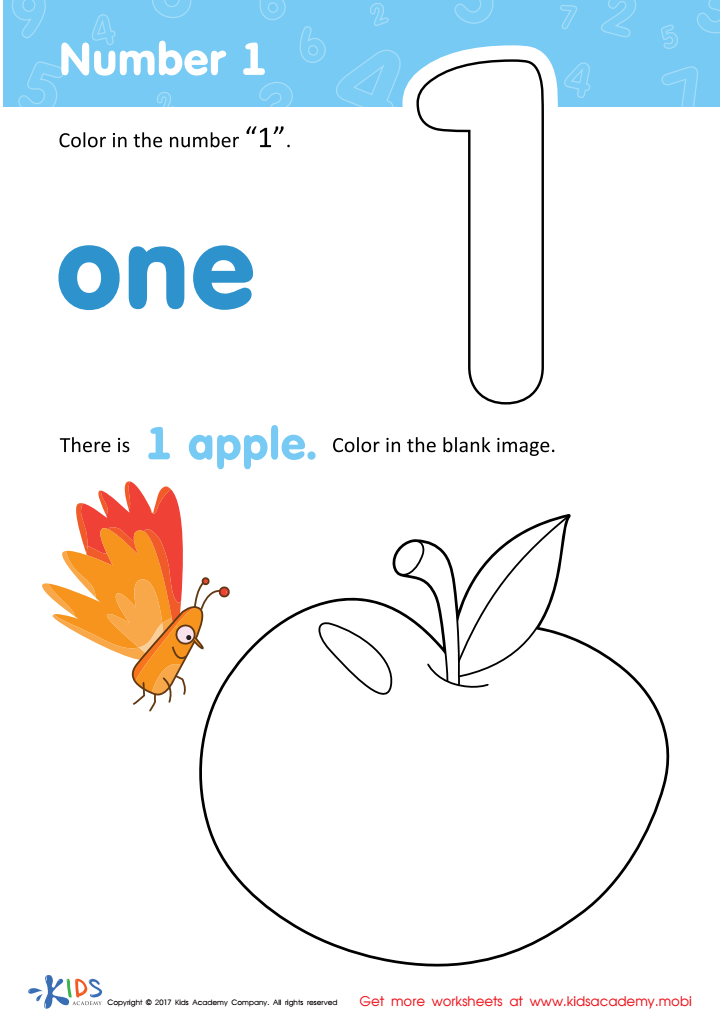
Number 1 Printable
Assign to My Students

Count the Cucumbers and Trace the Number 8 Printable
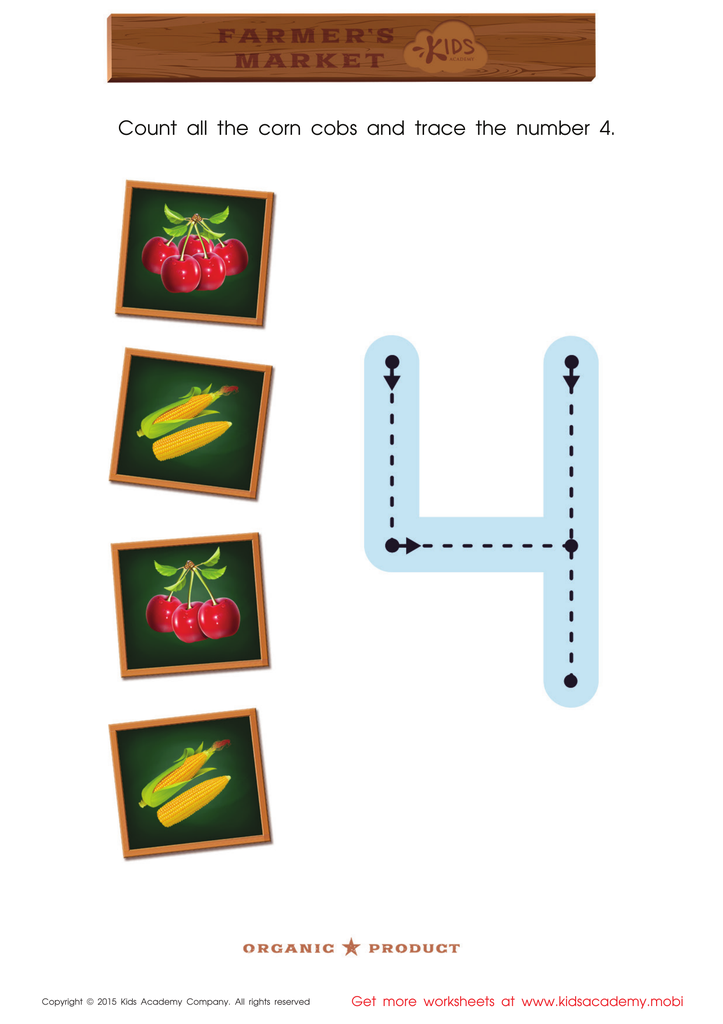
Count the Corncobs and Trace the Number 4 Worksheet








Writing practice for numbers is crucial for children aged 6-9 due to several key reasons.
First, it enhances their numeral recognition and familiarity. Regular practice helps children easily identify and remember numbers, which is fundamental for more complex math skills. As they repeatedly write numbers, they fine-tune their numerical literacy, forming a solid foundation for future arithmetic.
Second, number writing practice improves fine motor skills. Properly forming numbers requires control and precision, aiding in hand-eye coordination and muscle development in the hands. This proficiency is essential for other writing and daily activities requiring dexterity.
Third, practicing number writing fosters better cognitive development. As children learn the order and structure of numbers, they enhance their ability to organize and sequence information, a skill critical in both academic and real-world contexts.
Finally, it lays a foundation for further mathematical learning. Understanding numbers is a prerequisite for addition, subtraction, multiplication, and division. Without a strong grasp of number writing and recognition, children may struggle grasping these more intricate concepts.
In essence, consistent number writing practice bolsters early education by promoting numerical literacy, improving fine motor skills, sharpening cognitive abilities, and preparing children for advanced math concepts. Parents and teachers should, therefore, prioritize this practice to support their overall educational development.








