Associative learning Math Worksheets for Ages 6-9
5 filtered results
-
From - To
Discover our engaging "Associative Learning Math Worksheets for Ages 6-9," designed to enhance your child's understanding of mathematical concepts through relatable connections. These worksheets enable young learners to explore numbers, relationships, and basic operations in an interactive way, fostering critical thinking and problem-solving skills. By connecting new knowledge with prior experiences, students strengthen their math foundation while enjoying fun and educational activities. Perfect for homeschooling or supplementary practice, our worksheets offer clear instructions and colorful illustrations to keep children motivated. Unlock the joy of learning with our carefully crafted resources that make math enjoyable and approachable for every child!
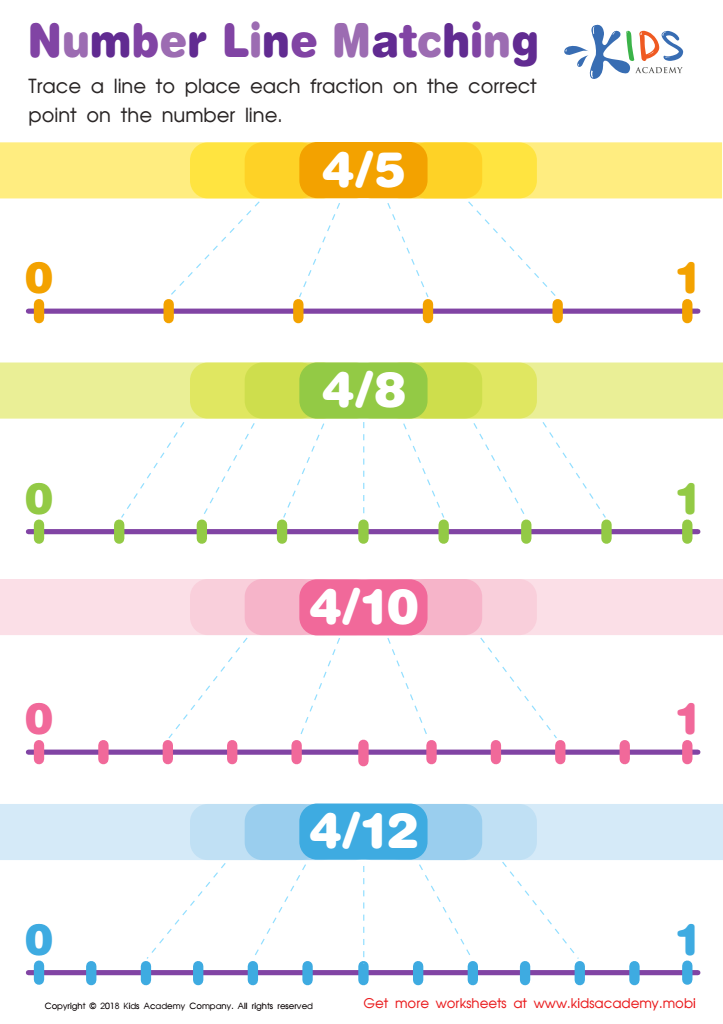
Number Line Matching Worksheet
 Assign to My Students
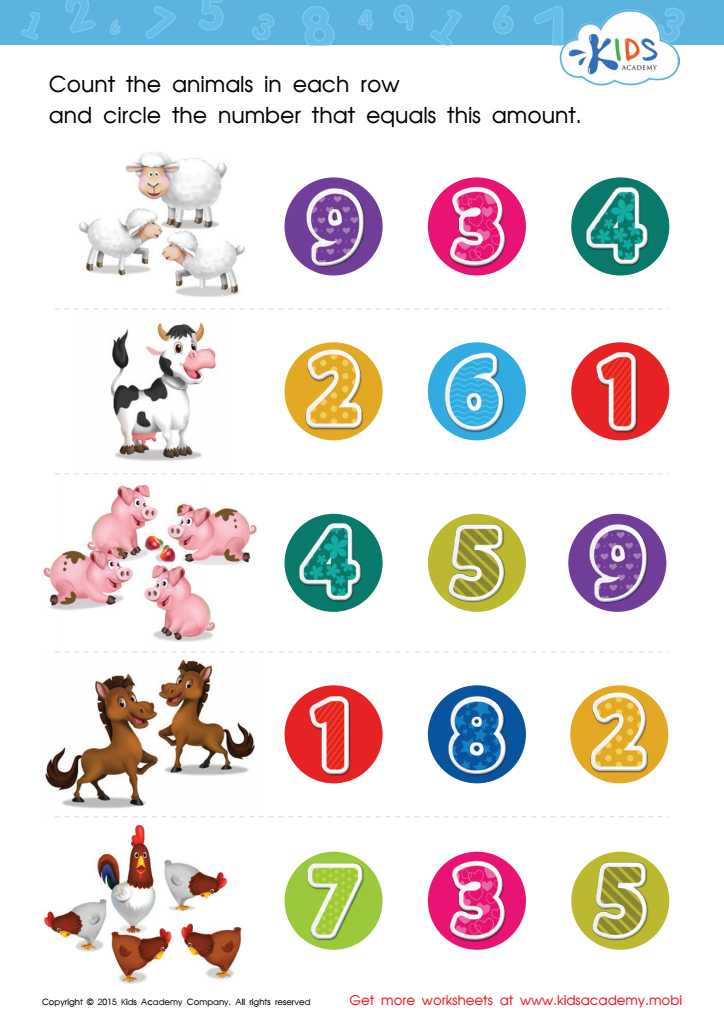
Count and Match 1 – 5 Math Worksheet
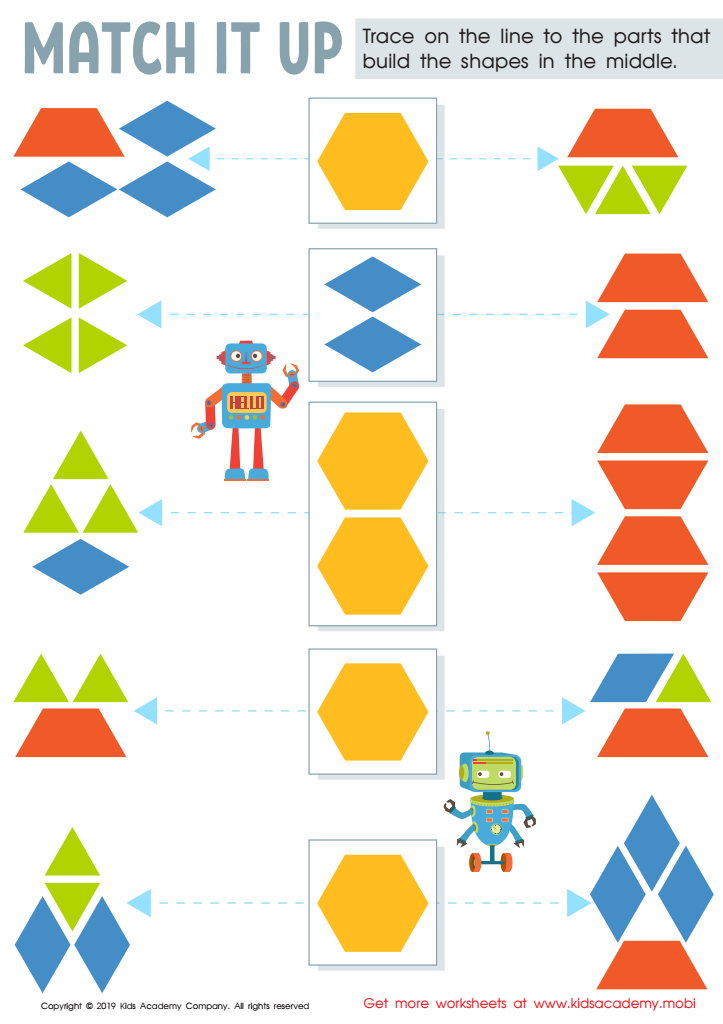
Match It up Worksheet
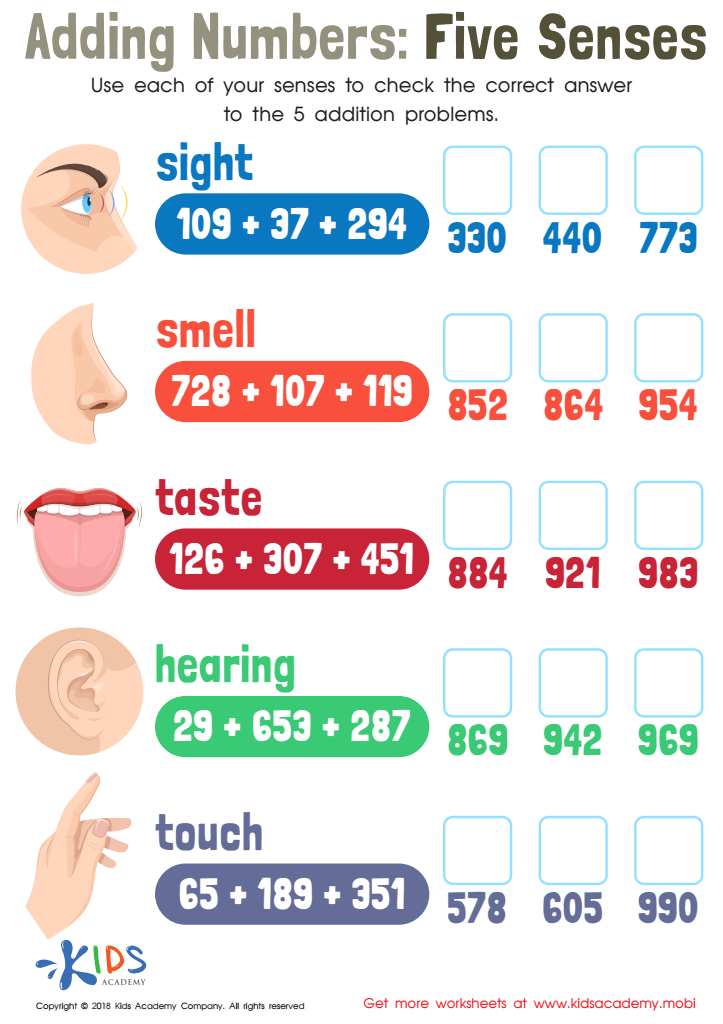
Adding Numbers: Five Senses Worksheet
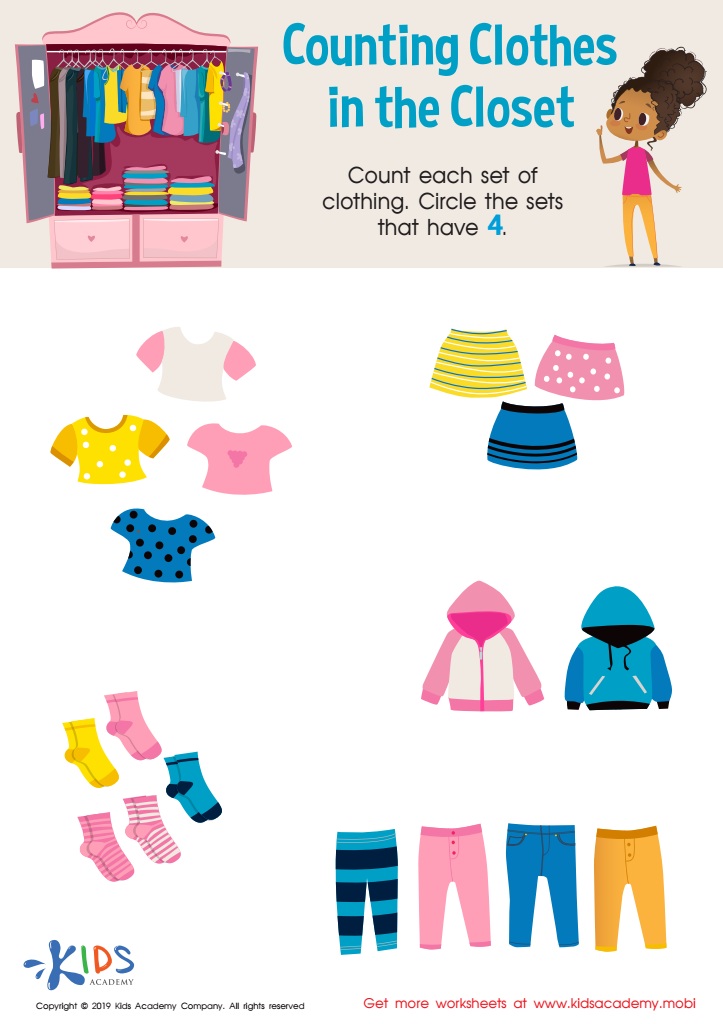
Counting Clothes Worksheet







Associative learning is a crucial aspect of cognitive development for children aged 6-9, particularly in mathematics. At this stage, children are beginning to grasp more complex concepts and develop problem-solving skills. Associative learning fosters connections between new mathematical ideas and prior knowledge, enabling students to understand and retain concepts more deeply.
Teachers and parents should care about this approach because it enhances children's ability to think critically and creatively. For example, when a child learns the relationship between addition and subtraction, they can apply that understanding to various mathematical problems, creating a strong foundation for future learning.
Moreover, associative learning can reduce anxiety around math by making concepts more relatable and engaging. When children see the connections between numbers, patterns, and shapes in their everyday lives, they gain confidence and curiosity in their abilities.
This learning method also encourages teamwork and collaboration among peers, as they work together to solve problems, share insights, and build a supportive learning environment. By prioritizing associative learning in math education, parents and teachers can promote a joyful and successful mathematical journey, cultivating lifelong skills that extend beyond the classroom.








