Basic Math knowledge Math Worksheets for Ages 6-9
3 filtered results
-
From - To
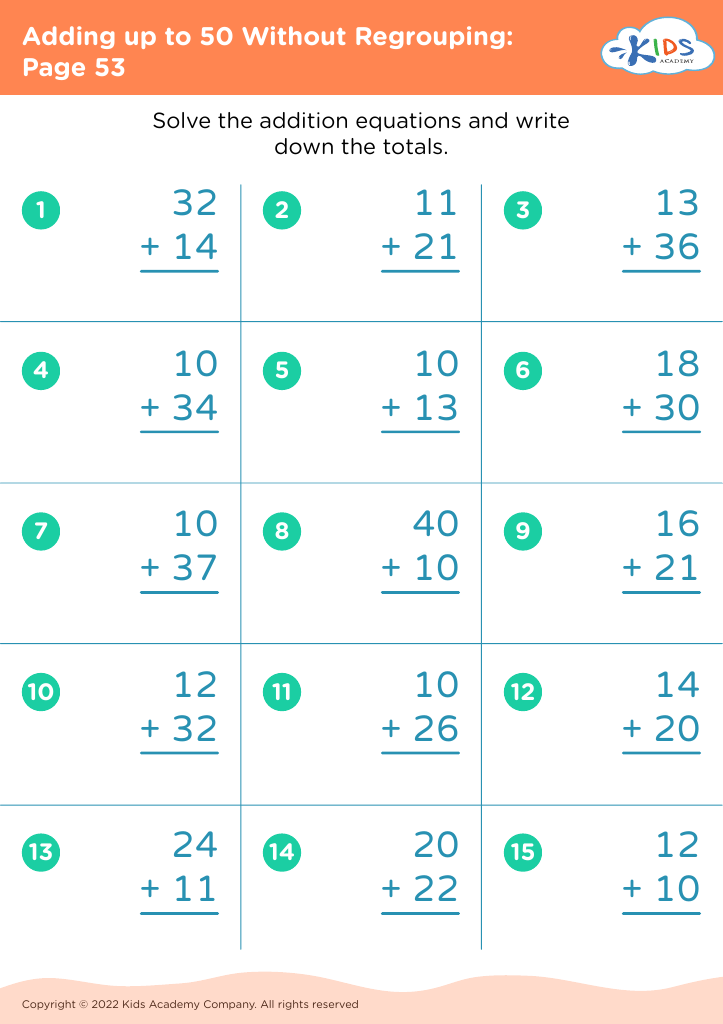
Discover a fun and effective way to enhance your child's math skills with our Basic Math Knowledge Worksheets designed specifically for ages 6-9. These engaging, print-friendly worksheets cover essential concepts such as addition, subtraction, shapes, and number recognition. Perfect for homeschools or supplementary practice, our resources help children develop confidence and proficiency in foundational math skills. With colorful illustrations and diverse activities, these worksheets make learning enjoyable and interactive. Whether used in the classroom or at home, our math worksheets are a great tool for supporting your child's educational journey. Explore our collection now and watch your young learner thrive!
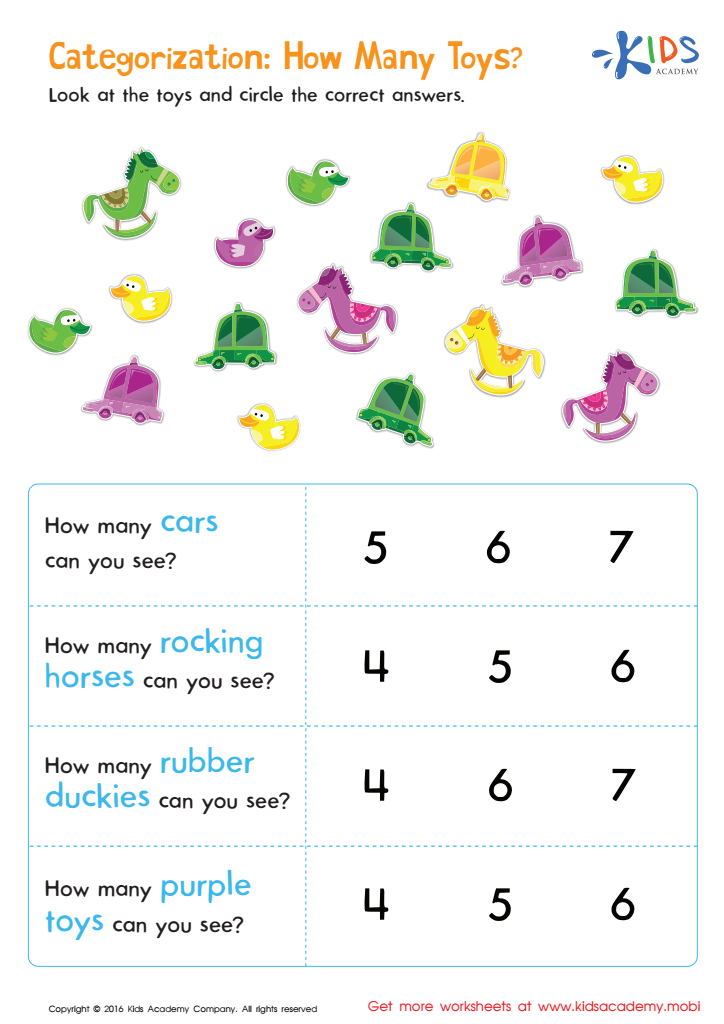
Classifying Toys by Type and Color Sorting Worksheet
 Assign to My Students
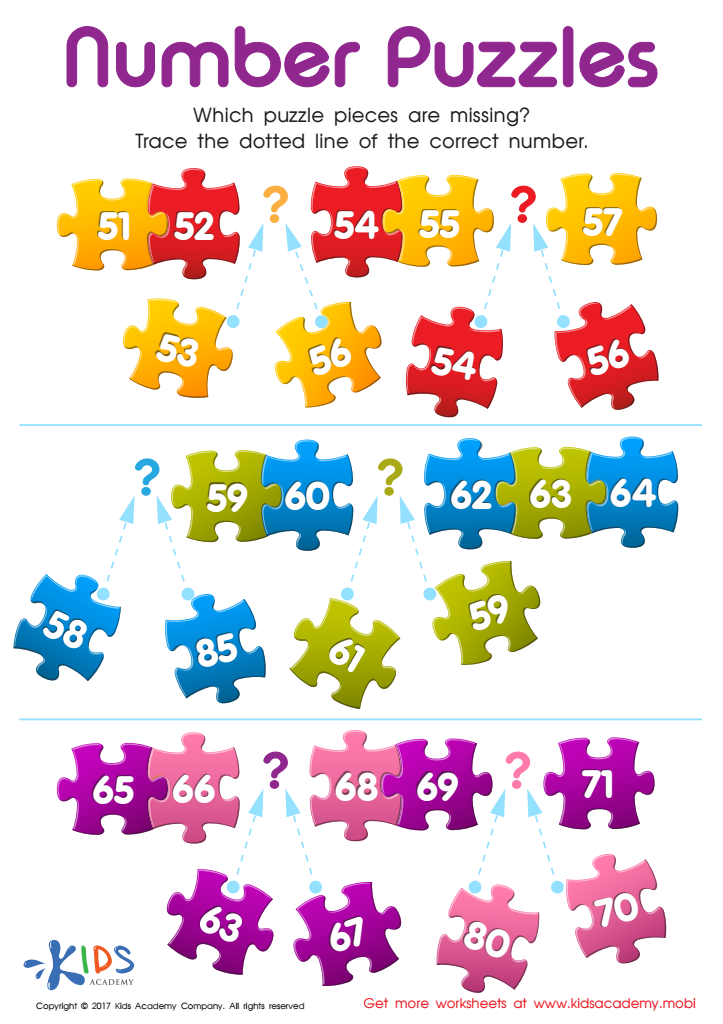
Number Puzzles Worksheet








Basic math knowledge for children ages 6-9 serves as the foundation for their future academic success and everyday life skills. During these formative years, children develop critical thinking, problem-solving abilities, and logical reasoning. Understanding core concepts such as addition, subtraction, multiplication, and division allows them to engage in more complex mathematical tasks as they progress in their education.
Moreover, math is an essential tool for understanding the world around them. It helps children make sense of patterns, measurements, and relationships in daily activities, from cooking to budgeting. Parents and teachers should recognize that math isn’t just about numbers; it’s about instilling confidence, persistence, and curiosity in children.
Additionally, strong math skills enhance performance in various subjects and contribute to overall academic achievement. Early mastery of math paves the way for future opportunities, enabling students to excel in science, technology, engineering, and mathematics (STEM) fields, which are increasingly vital in today’s economy. By prioritizing basic math education, caregivers foster a positive attitude towards learning, equipping children with the necessary skills to face challenges and become competent, independent adults. Thus, supporting math learning in this age group is both an investment in their future and an empowerment tool.








