Color recognition Math Worksheets for Ages 6-9 - Page 2
33 filtered results
-
From - To
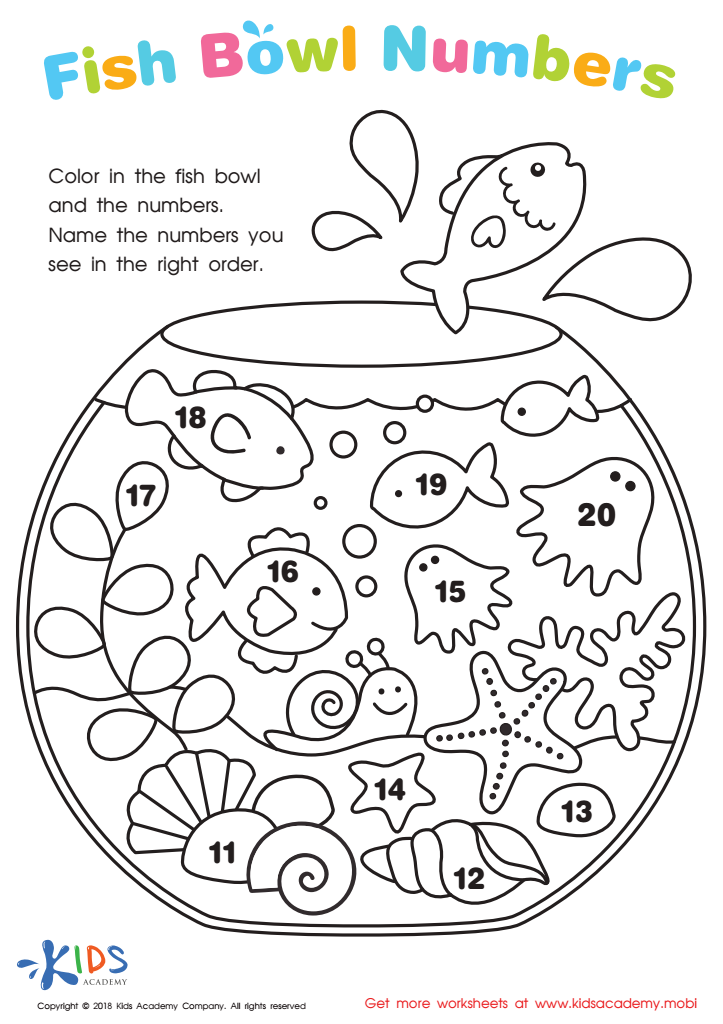
Fish Bowl Numbers Worksheet
 Assign to My Students
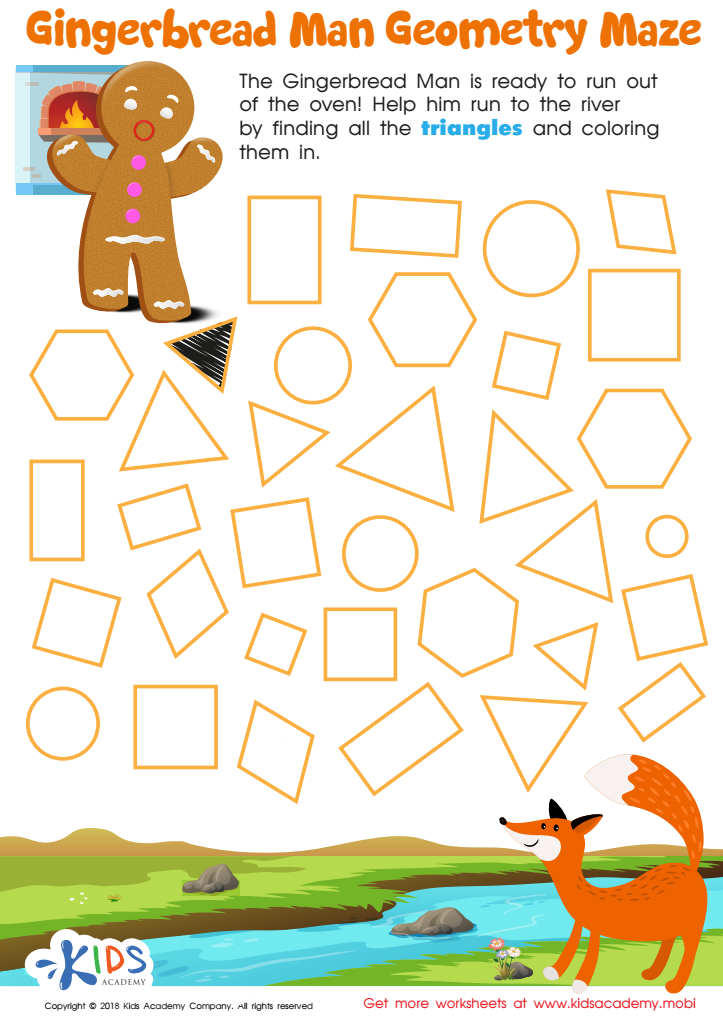
Gingerbread Man Geometry Maze Worksheet
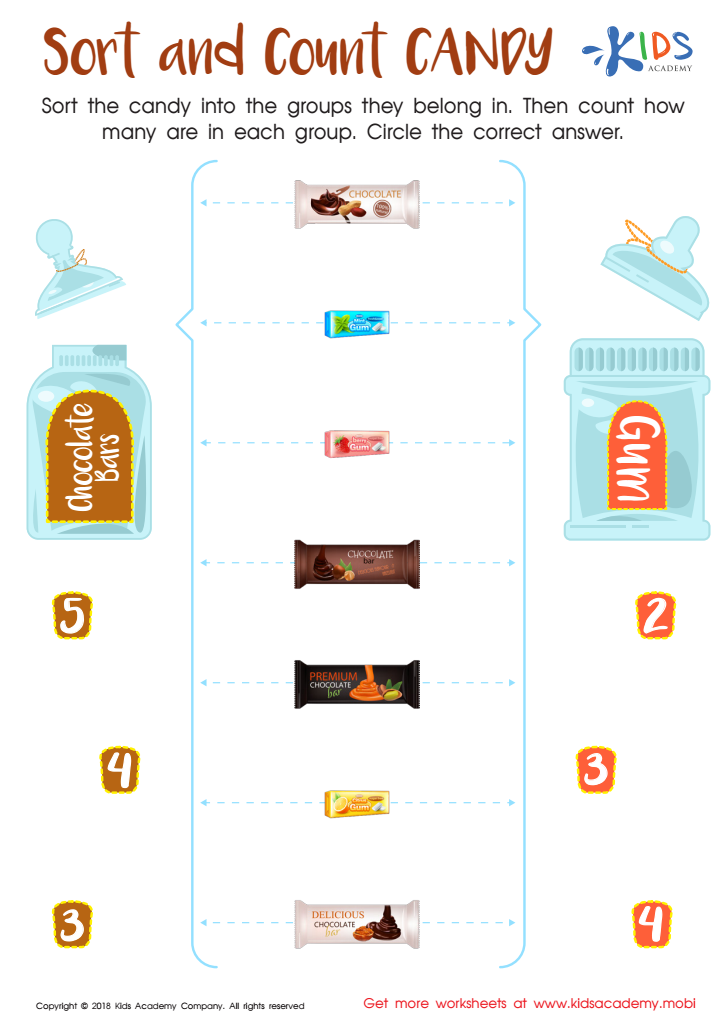
Sort and Count Candy Worksheet
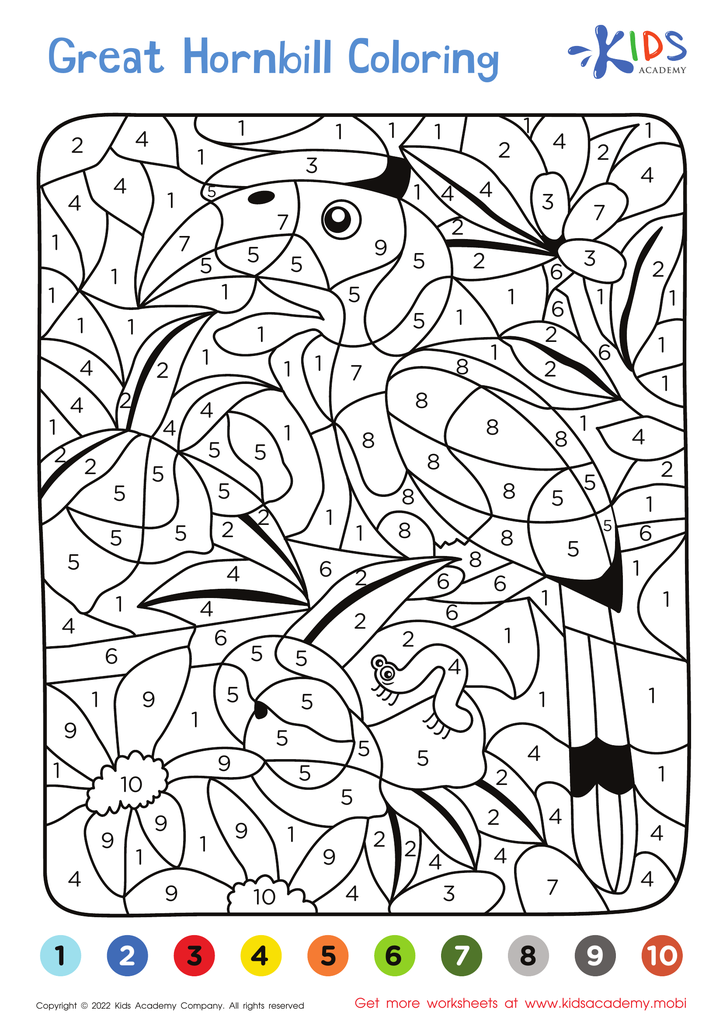
Great Hornbill – Coloring by Numbers
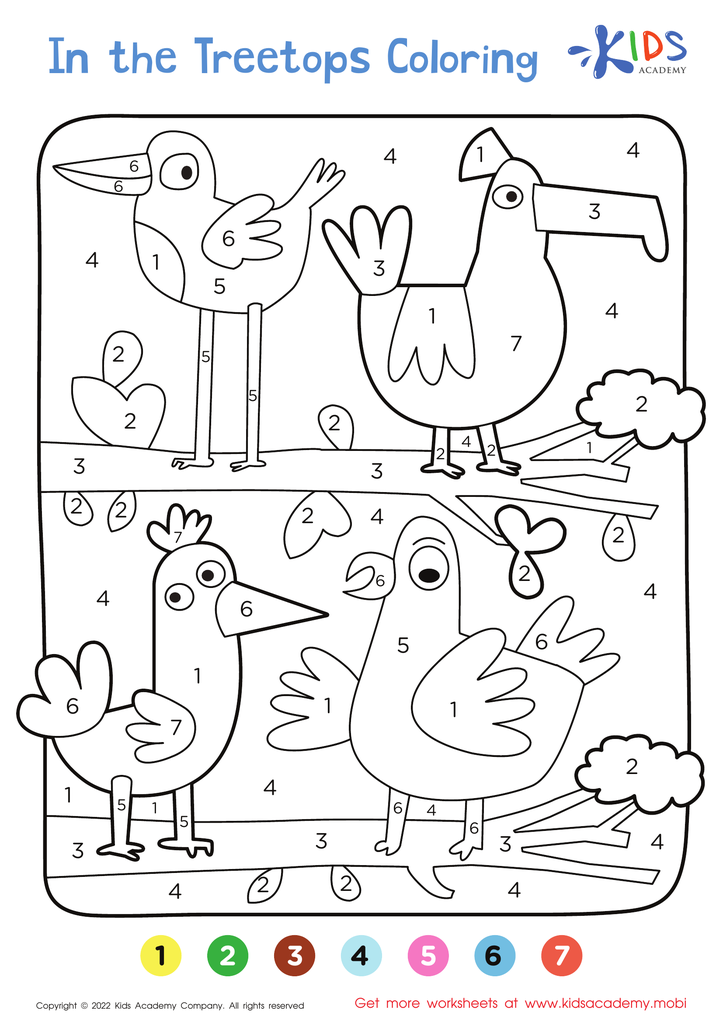
In the Treetops – Coloring Page
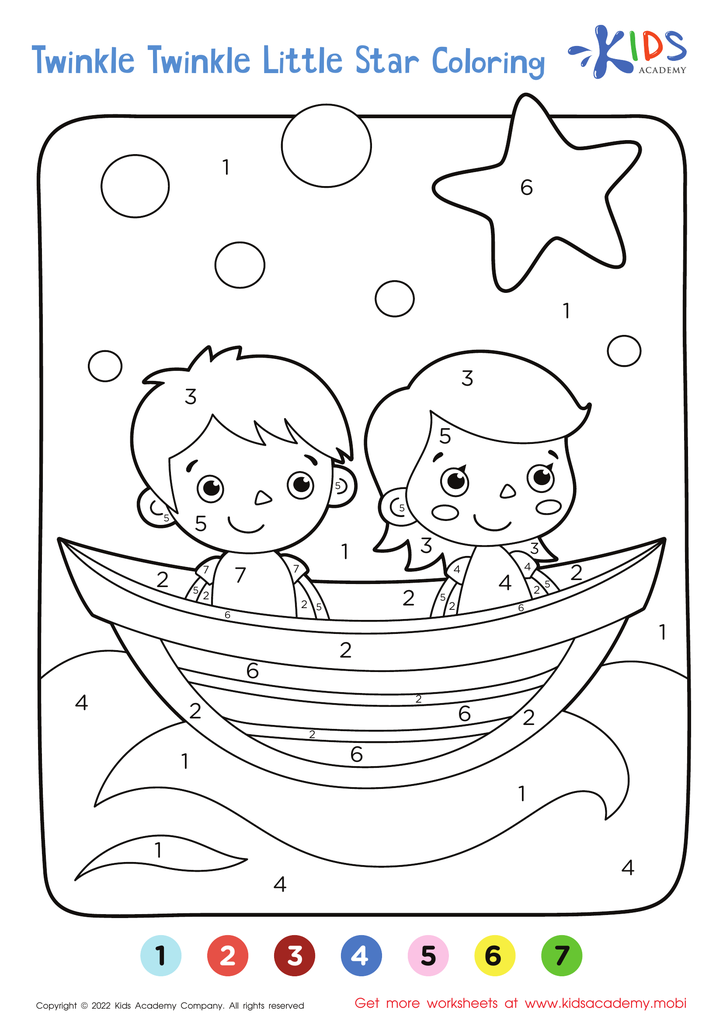
Twinkle, Twinkle, Little Star – Coloring by Numbers
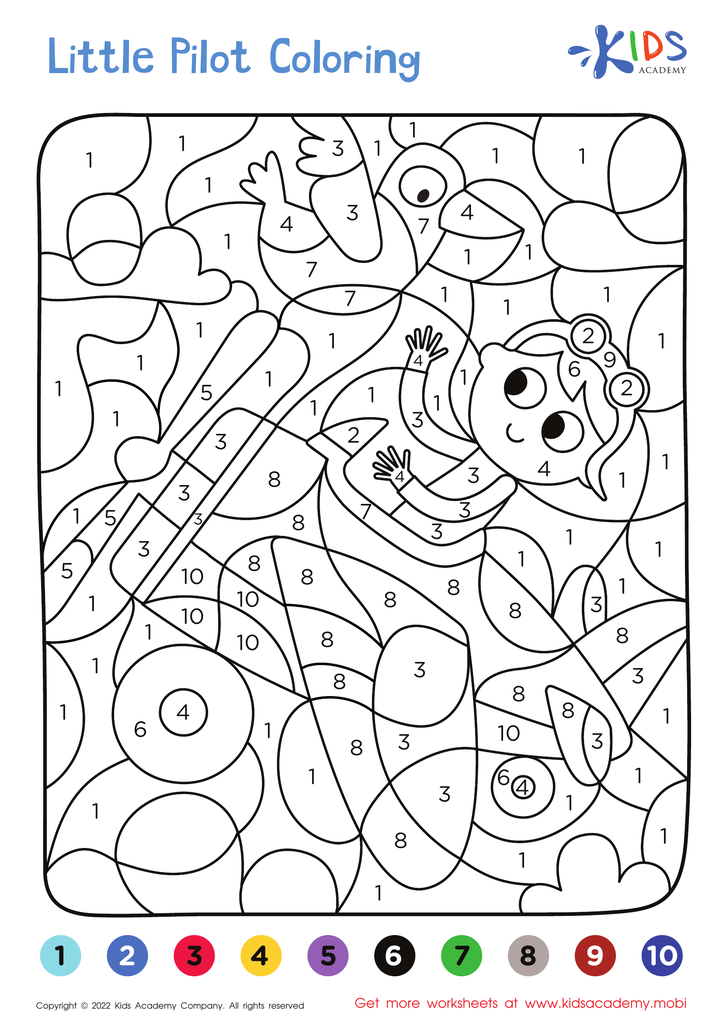
Little Pilot – Coloring by Numbers
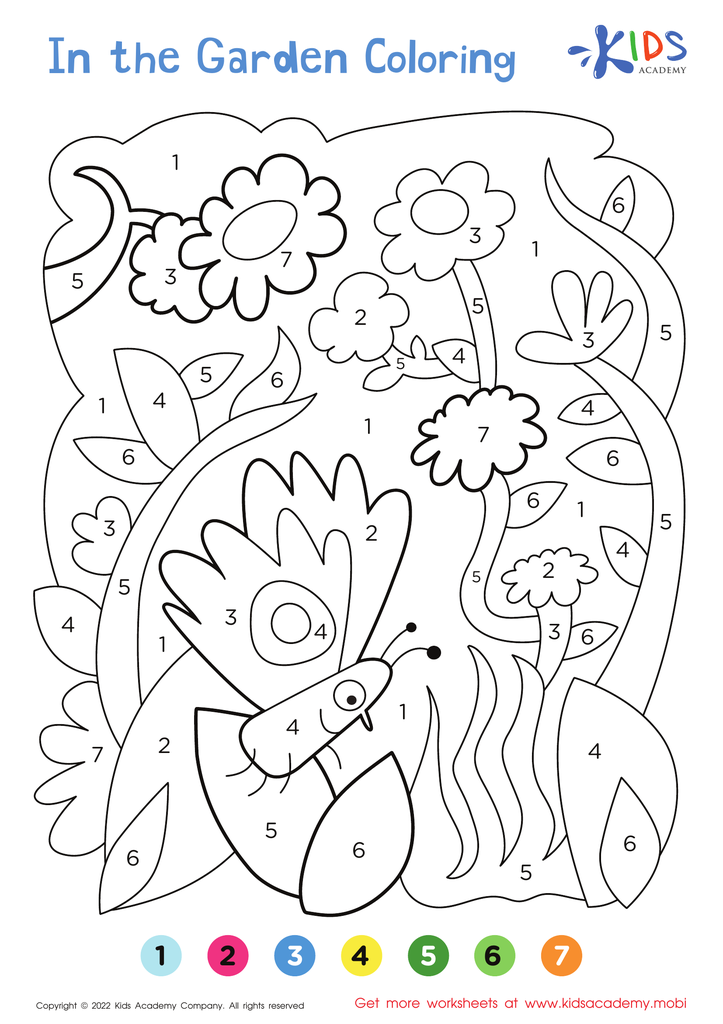
In the Garden – Coloring by Numbers
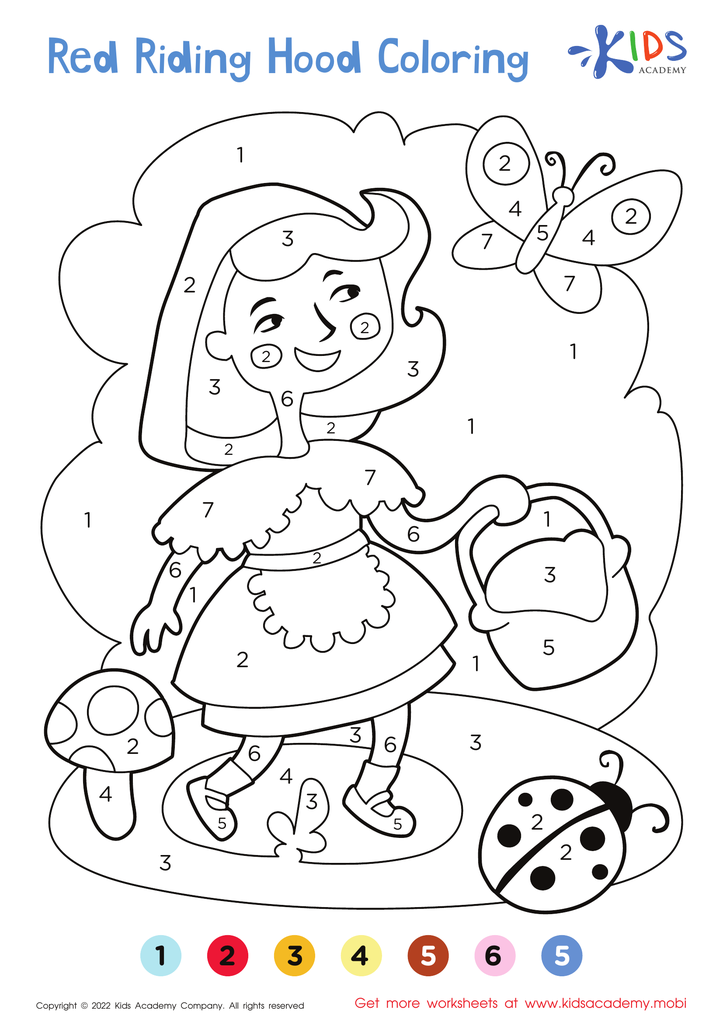
Little Red Riding Hood – Coloring by Numbers








Understanding color recognition in math for children aged 6-9 offers an invaluable advantage in their cognitive development and academic foundation. During these formative years, integrating color into math education harmonizes with their natural learning instincts, making abstract concepts more tangible and engaging.
First, color aids in the differentiation and categorization of mathematical elements. For example, using varied colors for different numbers or operations can enhance a child’s ability to quickly identify and differentiate them. This visual aid simplifies complex information, facilitating and speeding up their learning process.
Furthermore, color recognition fosters memory retention. Children are more likely to recall information tied to distinctive colors, which leads to better grasping and long-term retention of mathematical concepts. This can be particularly helpful in understanding patterns, sequences, and solving problems.
Emotionally and psychologically, color can make math more enjoyable and less intimidating. A vibrant, color-coded worksheet is often more appealing than a plain, black-and-white one, making the learning process more inviting and less anxiety-inducing. This positive emotional response can build a stronger, more confident foundation in math.
Incorporating color recognition in math not only enhances learning efficiency but also nurtures an inviting and stimulating educational environment. This balanced approach supports holistic cognitive development, setting a strong stage for future academic success.








