Fine motor skills development Math Worksheets for Ages 6-9
7 filtered results
-
From - To
Enhance your child’s fine motor skills while reinforcing essential math concepts with our engaging worksheets designed for ages 6-9. These fun, interactive activities combine math practice with essential hand-eye coordination exercises, helping young learners develop dexterity and precision. Each worksheet features colorful illustrations and exercises that promote cutting, tracing, and writing, making learning enjoyable and effective. Whether at home or in the classroom, our fine motor skills development math worksheets support a child's growth in a playful and stimulating environment. Get started today to boost your child's confidence and proficiency in both math and motor skills!

Trace The Circles Worksheet
 Assign to My Students
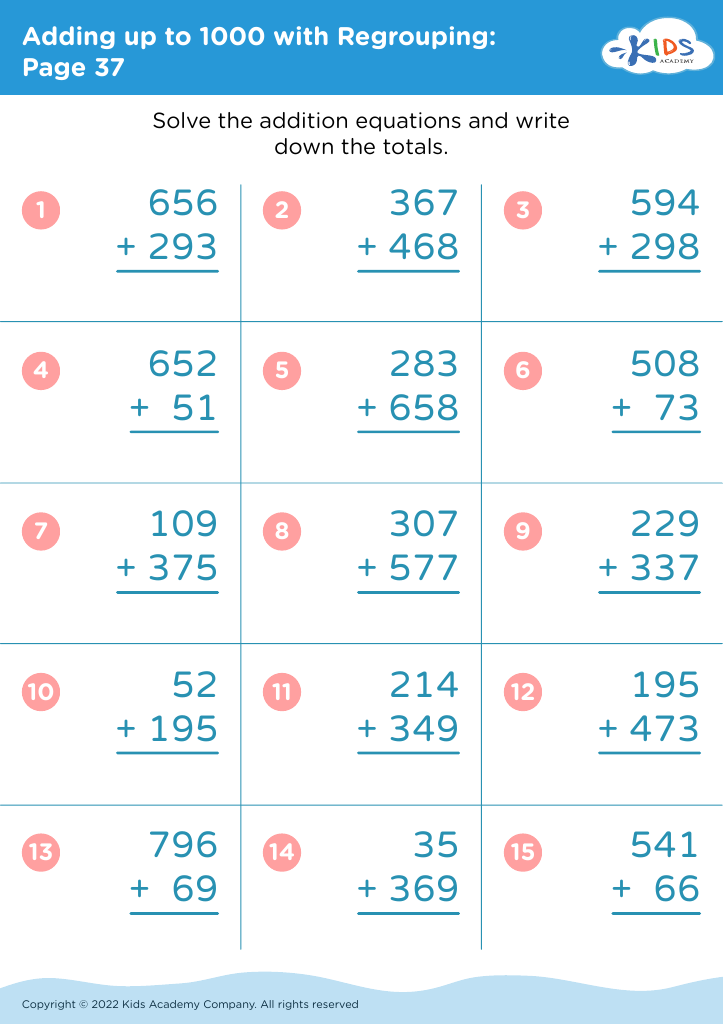
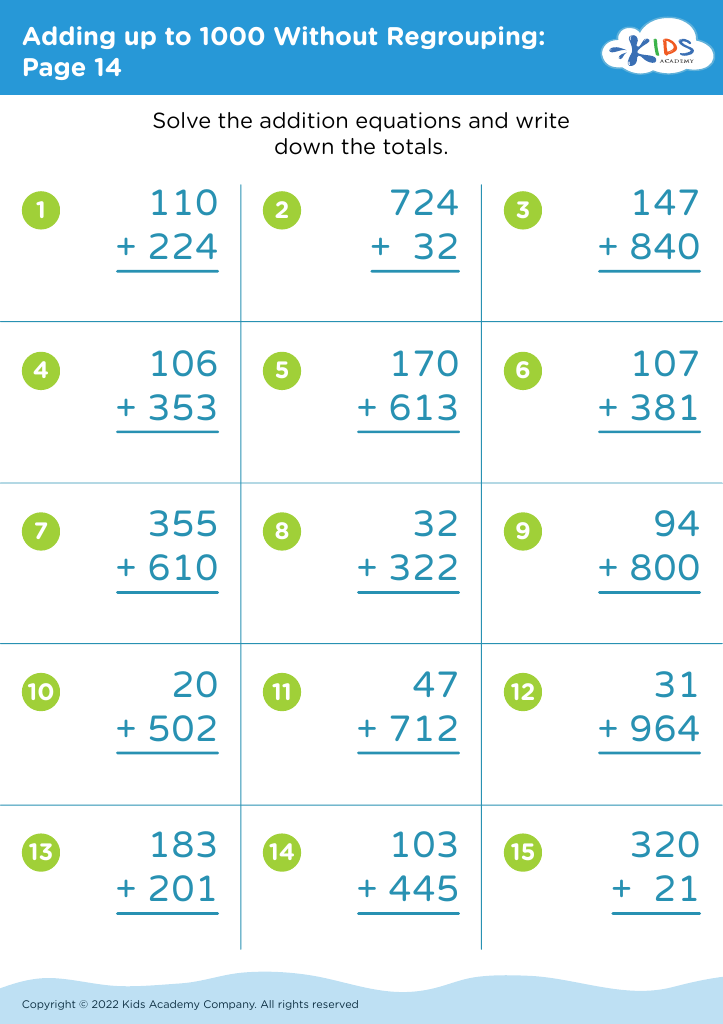
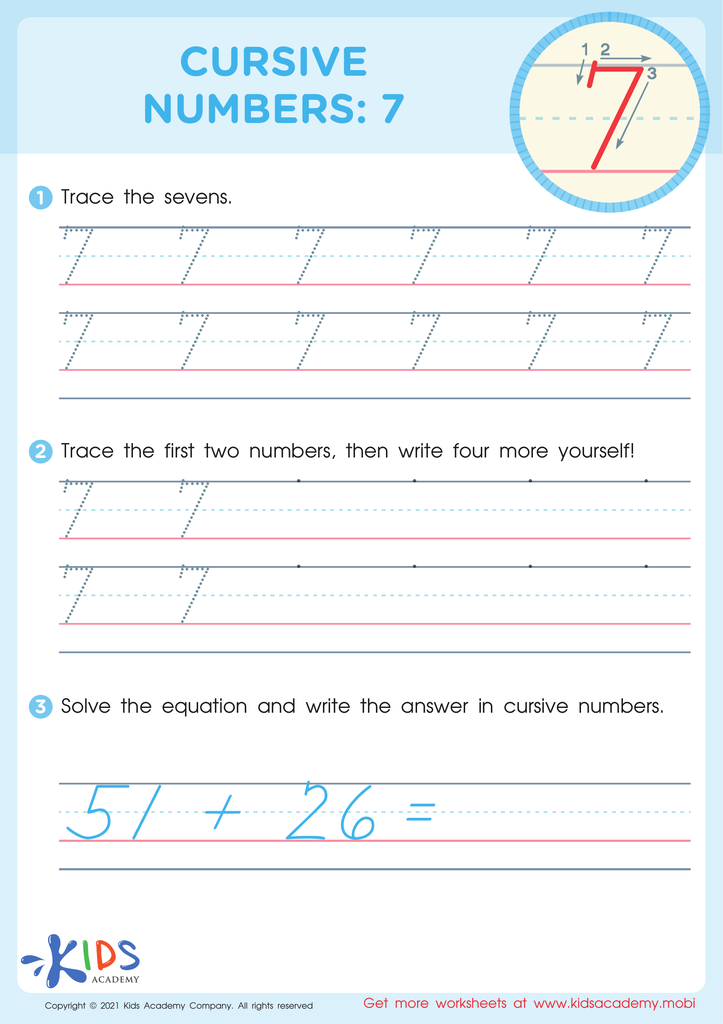
Cursive Numbers: 7 Worksheet
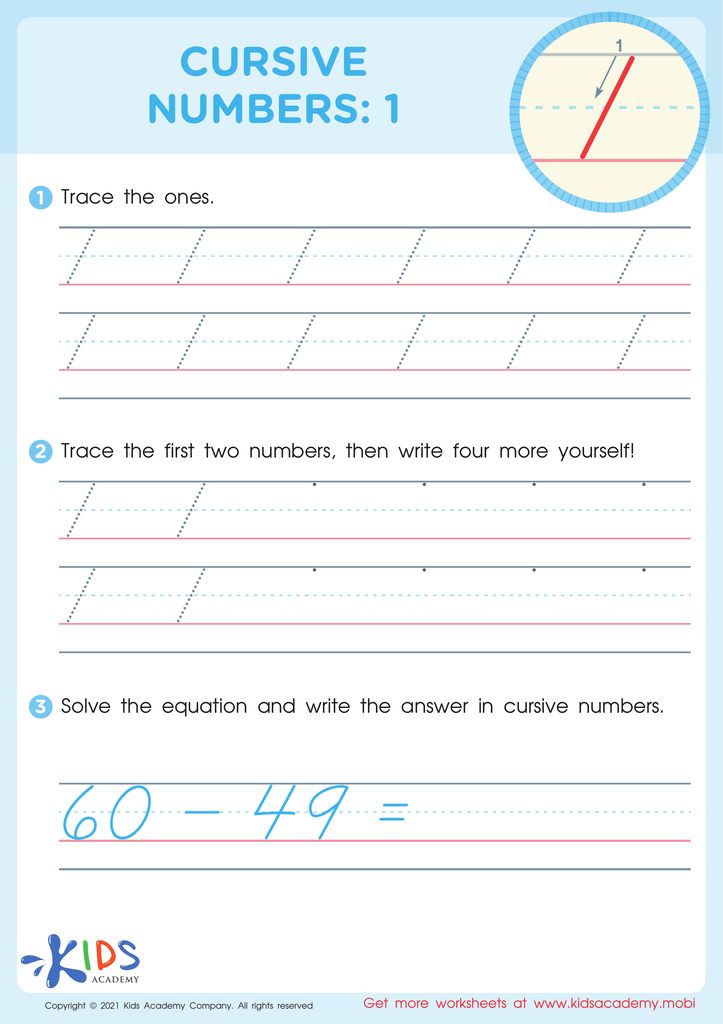
Cursive Numbers: 1 Worksheet
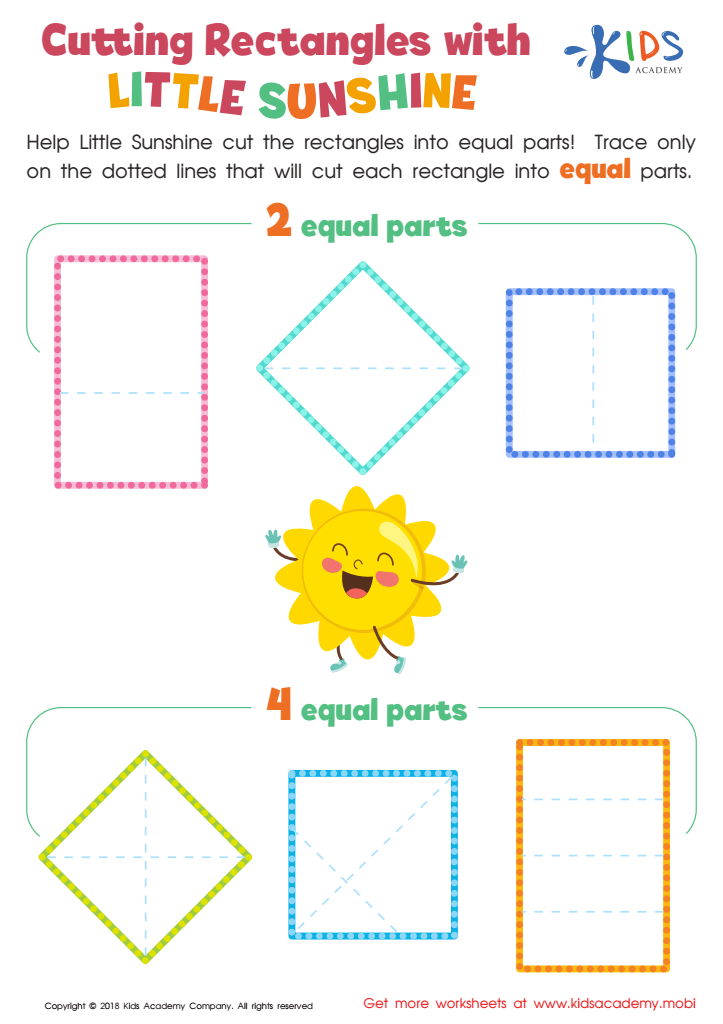
Cutting Rectangles with Little Sunshine Worksheet
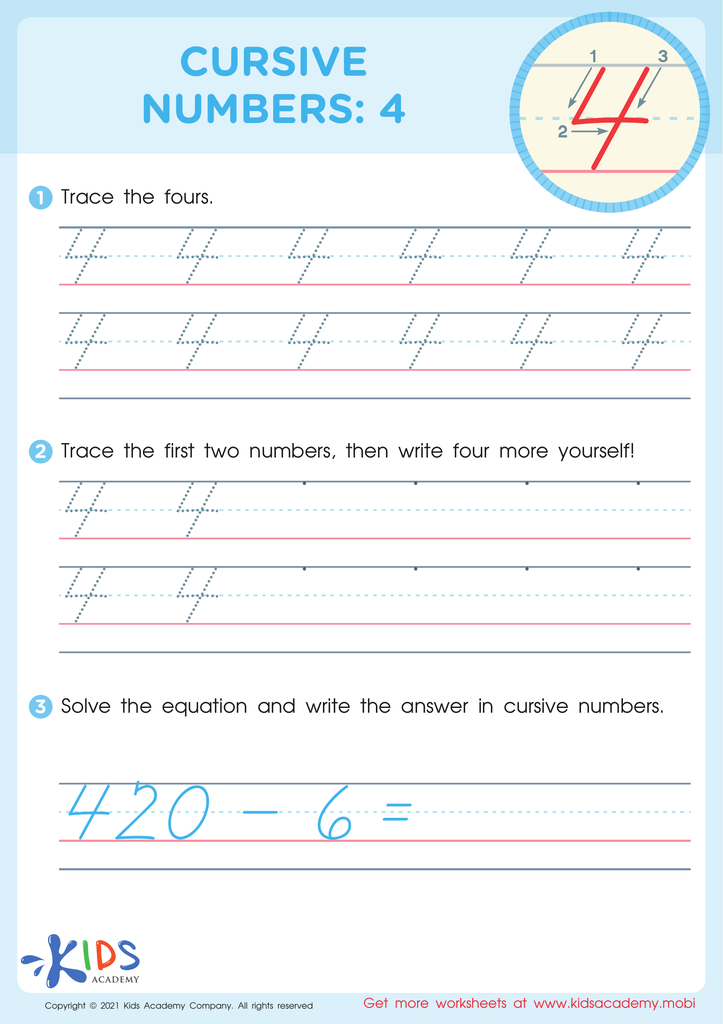
Cursive Numbers: 4 Worksheet








Fine motor skills are critical for children aged 6-9 as they directly influence their ability to perform various tasks, including mathematical activities. As children engage with numbers, they often use manipulatives, such as counters or building blocks, which require precise hand movements and control. Developing fine motor skills enhances their ability to write neatly, follow multi-step math problems, and draw shapes or graphs—foundational components of math proficiency.
Moreover, strong fine motor skills contribute to a child's overall confidence and independence in learning. Children who struggle with these skills may feel frustrated during math tasks, leading to a negative attitude towards the subject. Teachers and parents must create opportunities for fine motor practice combined with math, such as using play-based activities, art projects, and hands-on manipulative games.
Additionally, these skills support not only academic success but also daily tasks like buttoning clothes or tying shoes, which impact a child's self-esteem and social interactions. Hence, nurturing fine motor skills is essential for holistic development, fostering a positive learning environment, and preparing children for future academic challenges, especially in subjects like math that require both cognitive and physical dexterity.








