Fine motor skills (drawing) Math Worksheets for Ages 6-9
5 filtered results
-
From - To
Enhance your child's fine motor skills with our engaging drawing math worksheets designed for ages 6-9! These thoughtfully crafted activities combine creativity and learning, allowing young learners to practice vital skills while exploring math concepts. Your child will enjoy drawing shapes, patterns, and numbers, which helps improve hand-eye coordination and dexterity essential for writing and other activities. Each worksheet is tailored to promote not only fine motor development but also foundational math understanding. Dive into our collection and watch your child flourish as they develop confidence and creativity alongside essential math skills, making learning a fun and enjoyable journey!
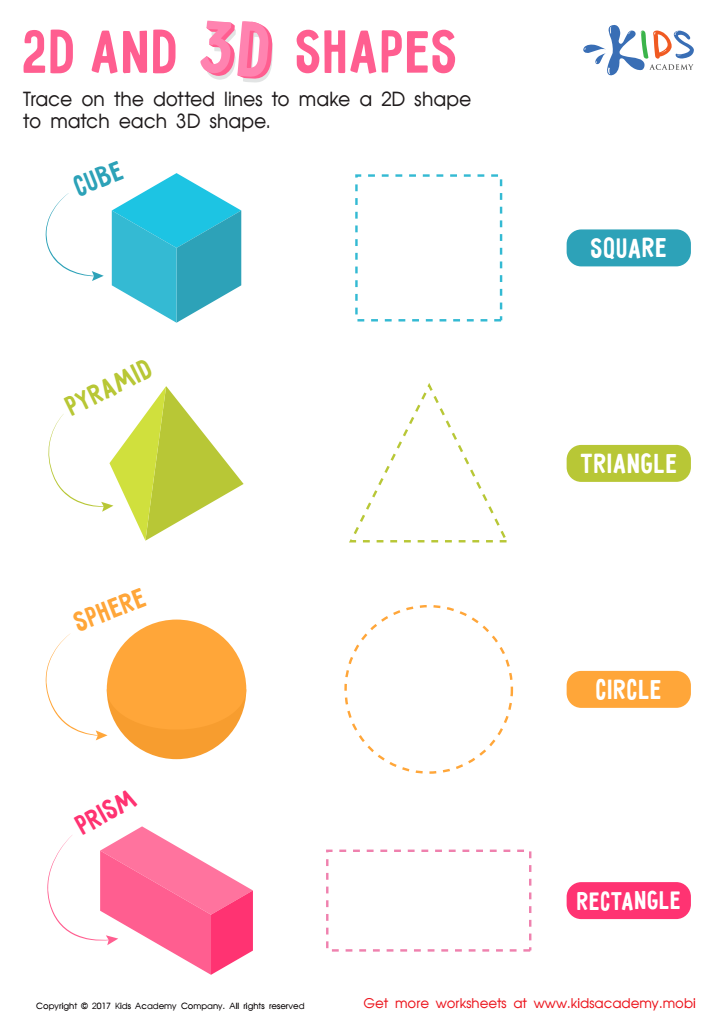
2D and 3D Shapes Worksheet
 Assign to My Students

Make it Even: St. Valentine's Day Worksheet
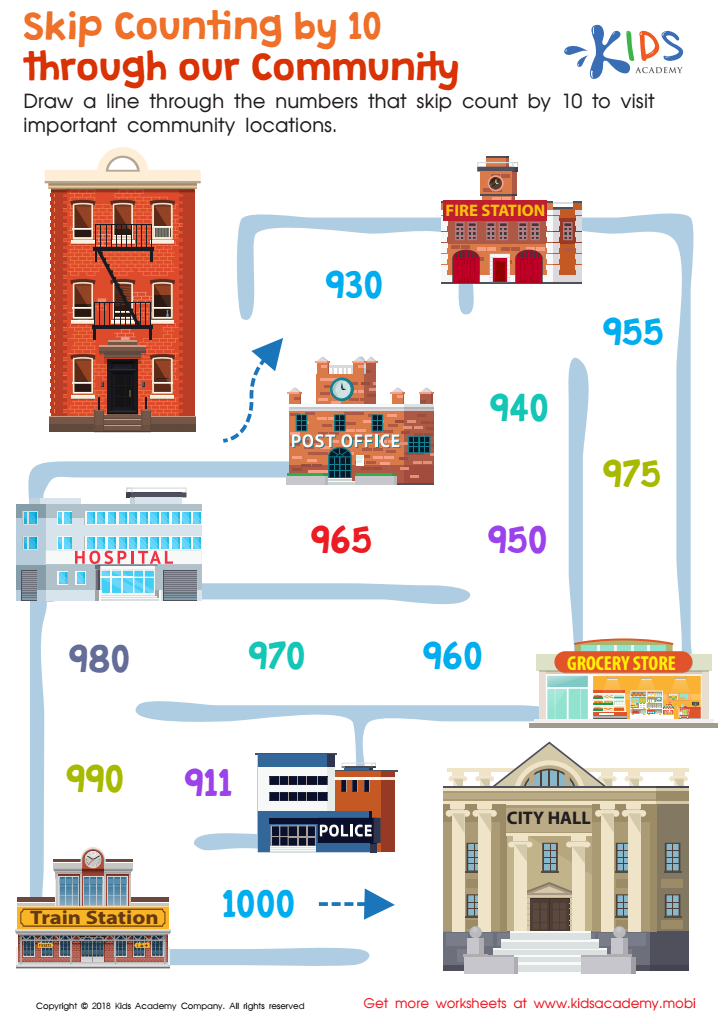
Skip Counting by 10 Through Our Community Worksheet
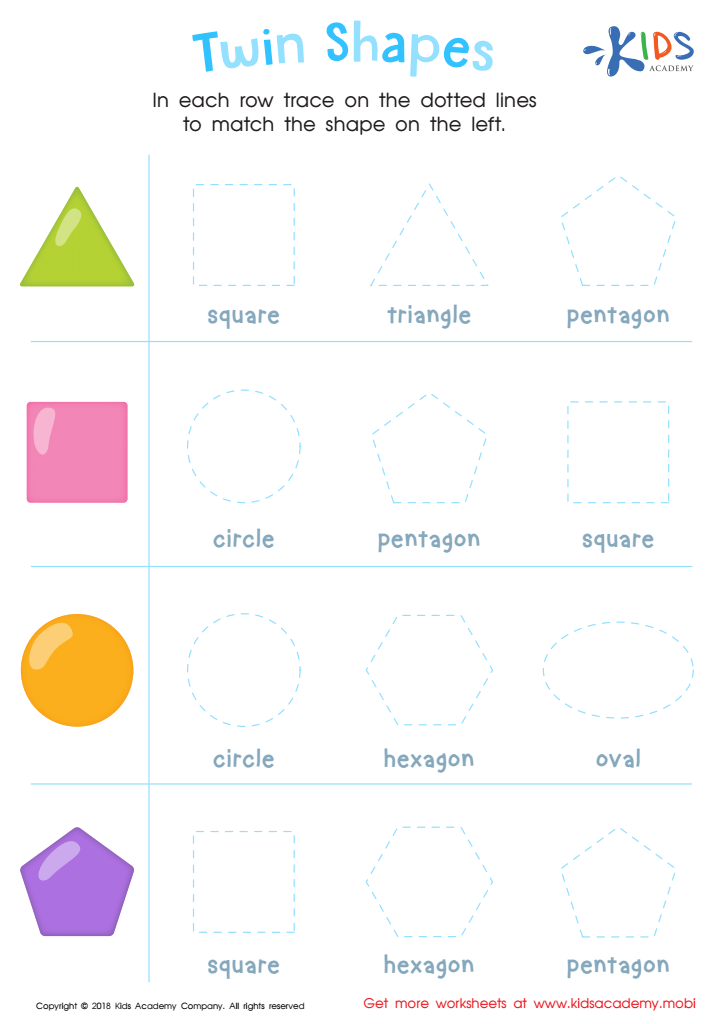
Twin Shapes Dot-to-Dot Worksheet
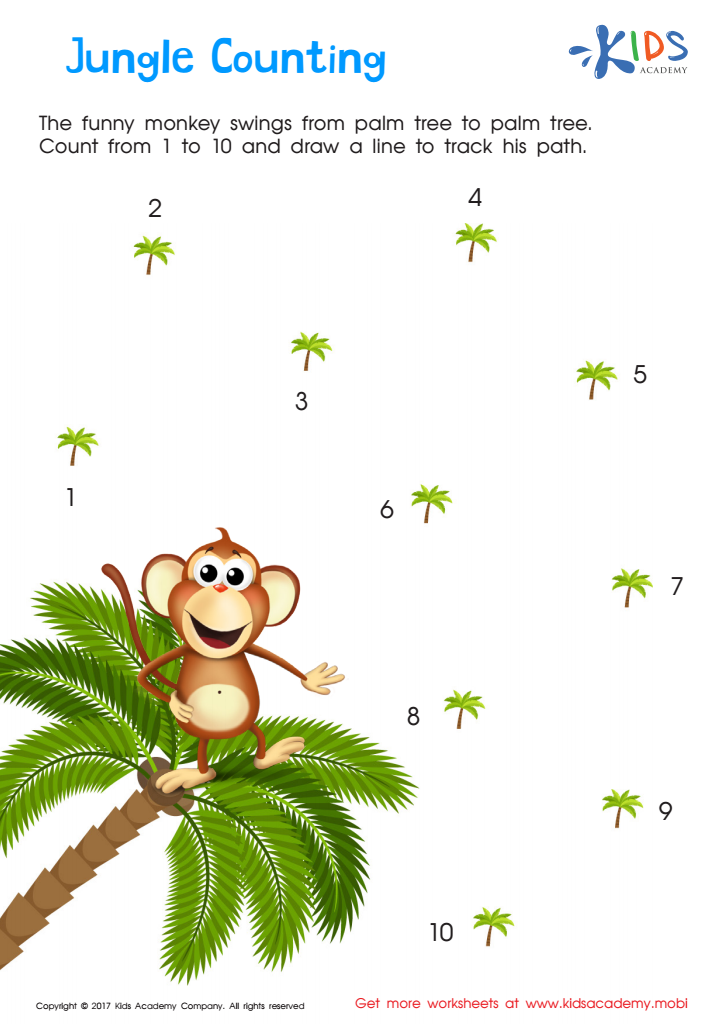
Jungle Counting Connect Dots Worksheet








Fine motor skills and math are crucial for children ages 6-9, as they provide a foundation for academic and future life success. Fine motor skills, such as drawing, involve the coordination of small muscles in the hands and fingers. These skills assist children in tasks like writing, using scissors, and manipulating tools. Mastering fine motor skills contributes to improved handwriting and artistic expression, fostering creativity and confidence.
Mathematics is equally vital during this developmental stage. Understanding numbers, patterns, and basic operations lays the groundwork for more complex mathematical concepts later on. Engaging in activities that blend fine motor skills with math—like using clay to shape numbers or drawing graphs—can make learning enjoyable and interactive.
When parents and teachers prioritize these skills, they are encouraging a well-rounded educational experience. Specifically, enhancing fine motor abilities while exploring mathematical concepts helps children develop critical thinking, problem-solving skills, and spatial awareness. Ultimately, investing time and resources in cultivating fine motor skills and math proficiency in young learners supports their overall cognitive development and promotes a lifelong love for learning.








