Hand-eye Coordination Math Worksheets for Ages 6-9 - Page 3
51 filtered results
-
From - To
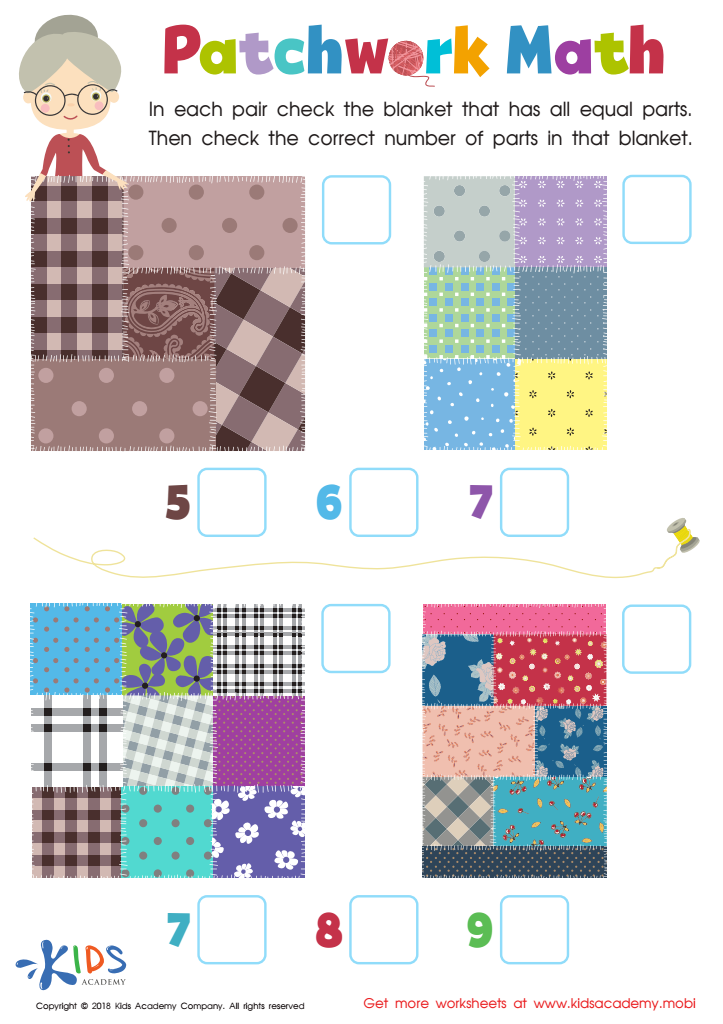
Patchwork Math Worksheet
 Assign to My Students
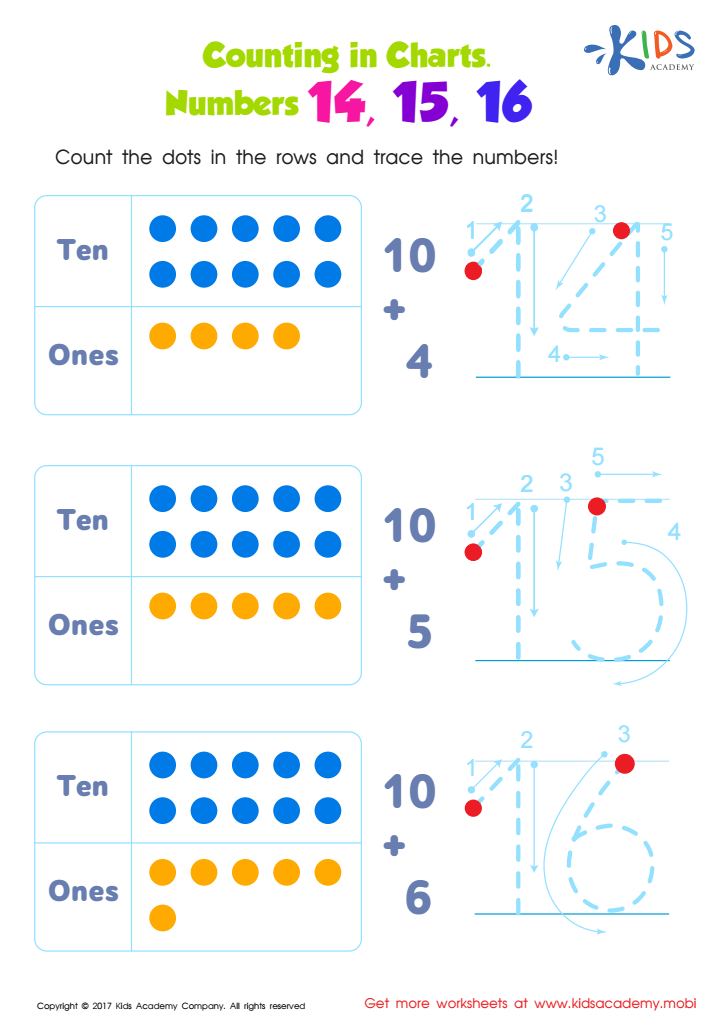
Number Tracing Worksheet
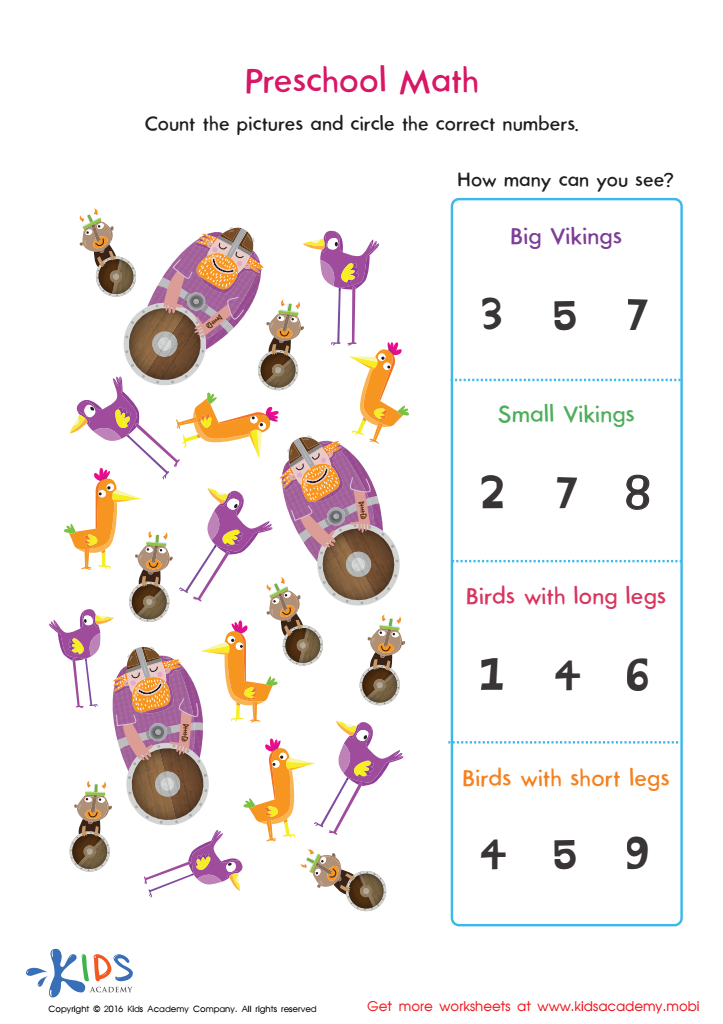






Hand-eye coordination math is an essential skill for children aged 6-9, blending physical movements with cognitive learning. By integrating hand-eye coordination into math activities, parents and teachers can help foster both physical and intellectual development. This coordination enhances fine motor skills, crucial for tasks such as writing, drawing, and executing precise movements with tools and manipulatives.
Moreover, hand-eye coordination math can make learning engaging and interactive, capturing children's attention. Games and activities that require hand-eye coordination, like measuring ingredients, building shapes, or interactive math video games, provide an enjoyable way to develop mathematical concepts including addition, subtraction, and spatial awareness.
These skills not only benefit students in math class but are foundational for future academic success across various subjects. Additionally, strong hand-eye coordination positively impacts children’s self-confidence as they master tasks, promoting a growth mindset.
Incorporating hand-eye coordination tasks into the curriculum encourages collaborative learning, fostering teamwork and communication skills. As children solve problems together, they learn to respect diverse approaches and develop emotional intelligence. Ultimately, focusing on hand-eye coordination math leads to well-rounded, capable learners equipped for both academic and life challenges.








