
Improve number recognition Math Worksheets for Ages 6-9
15 filtered results
Difficulty Level
Grade
Age
-
From - To
Subject
Activity
Standards
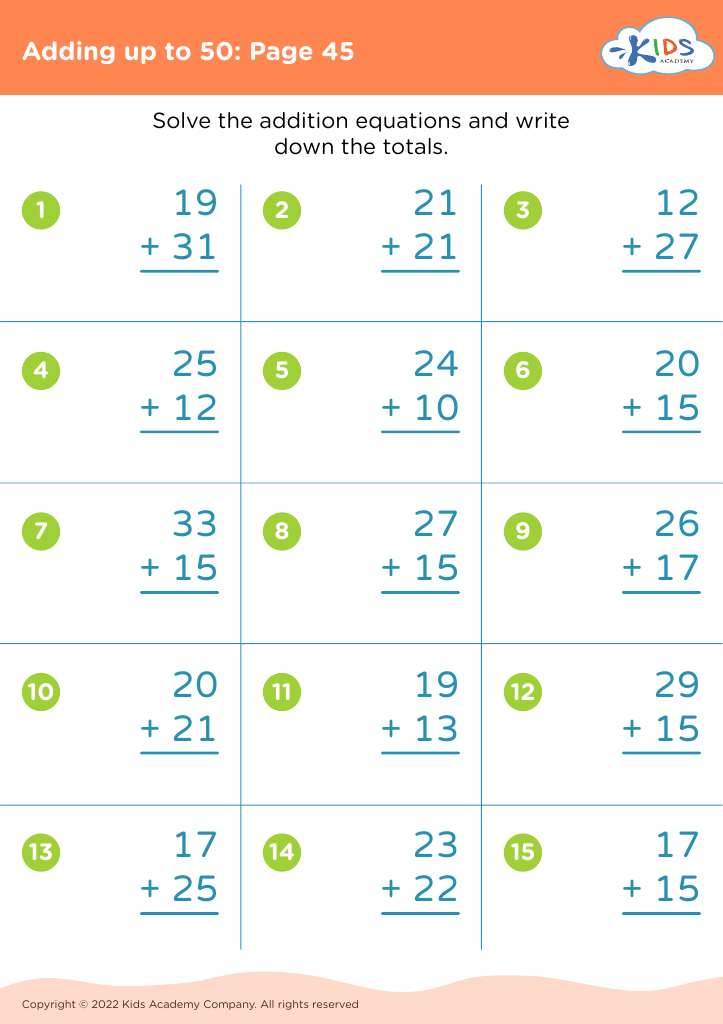
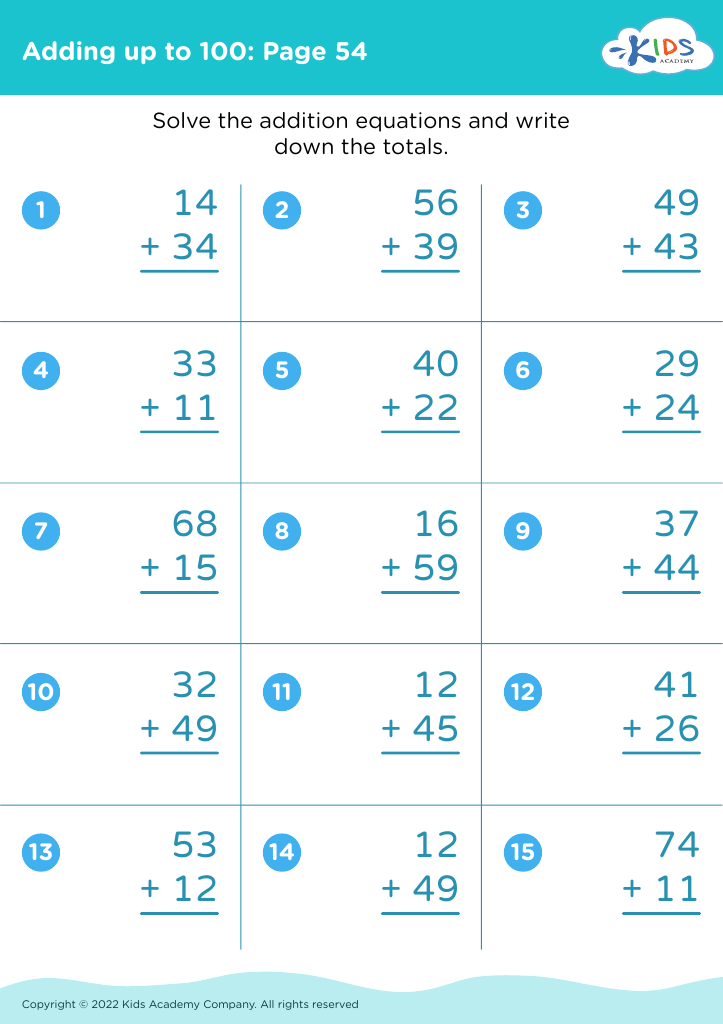
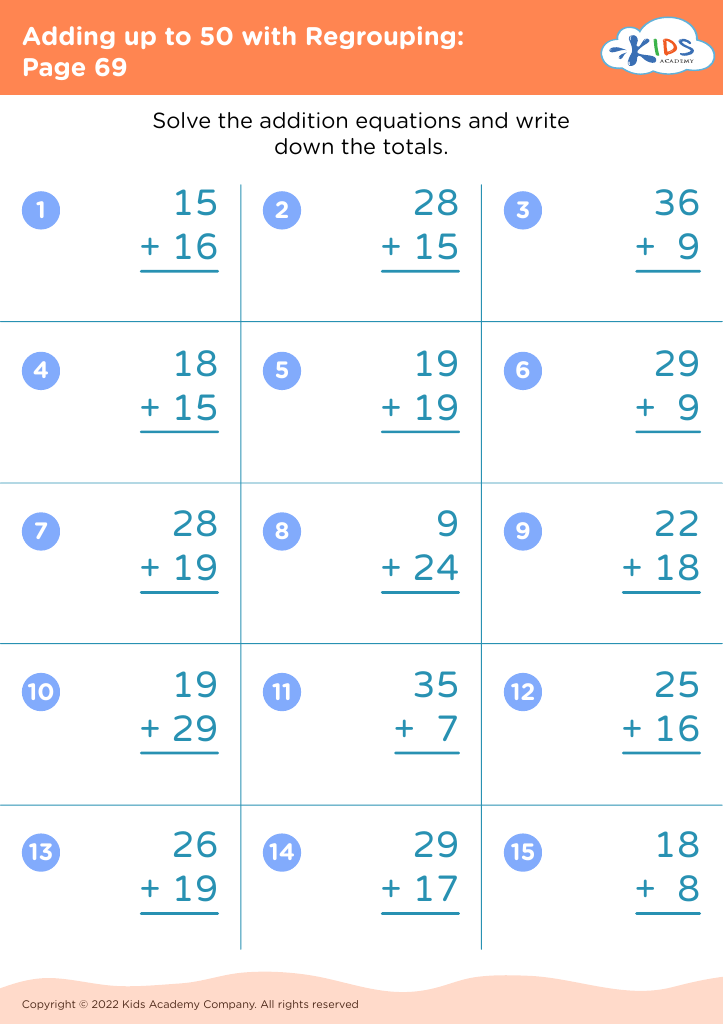
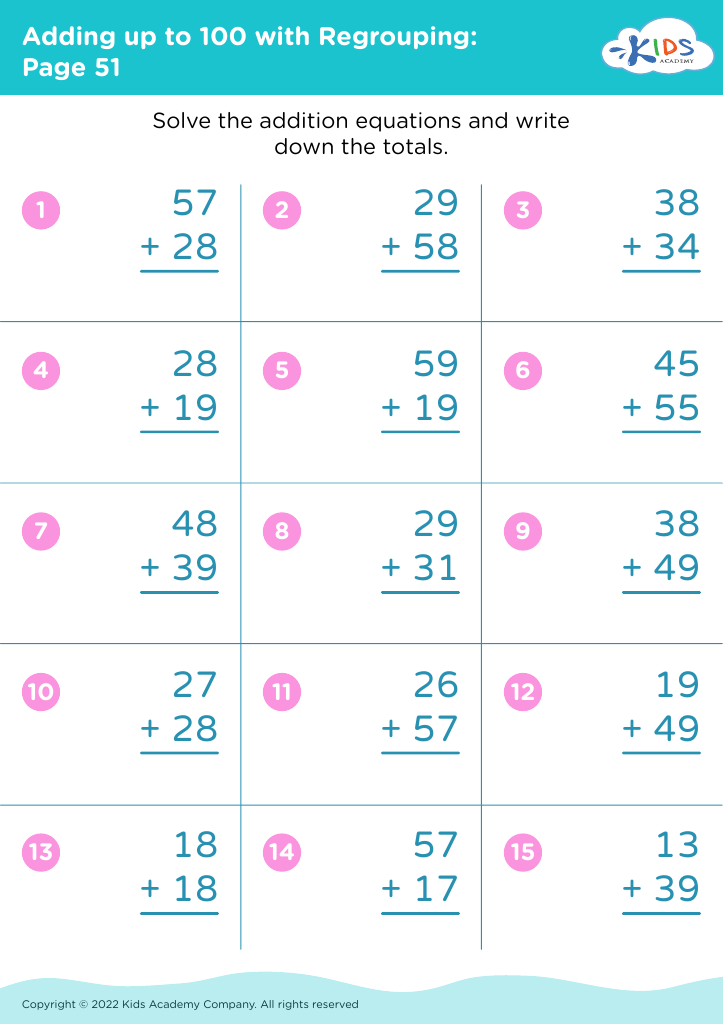
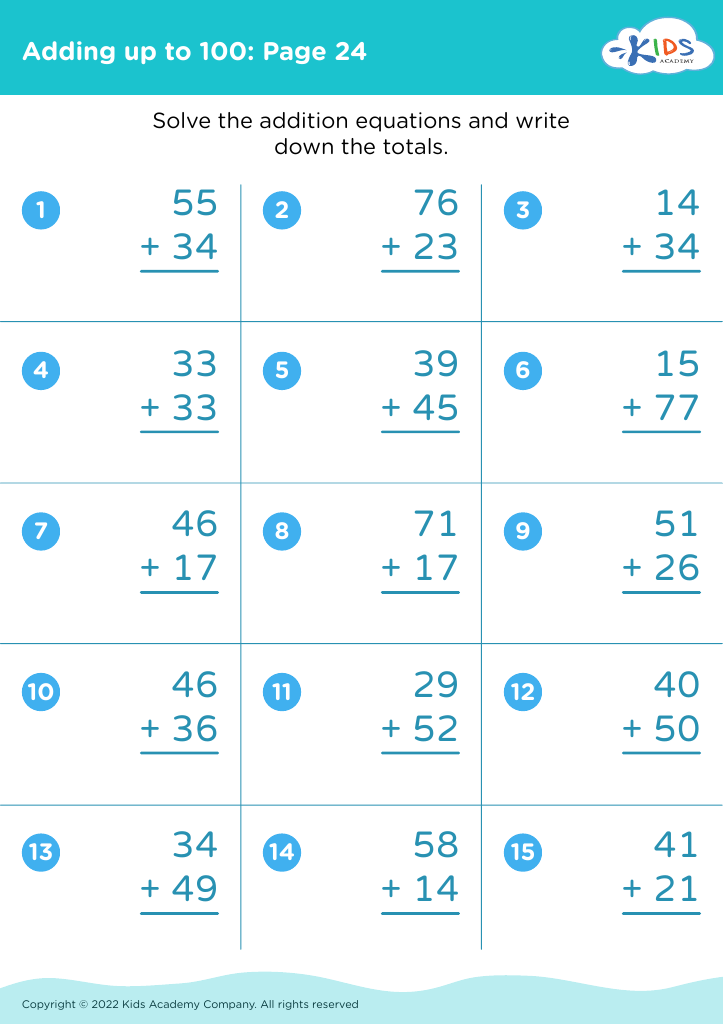
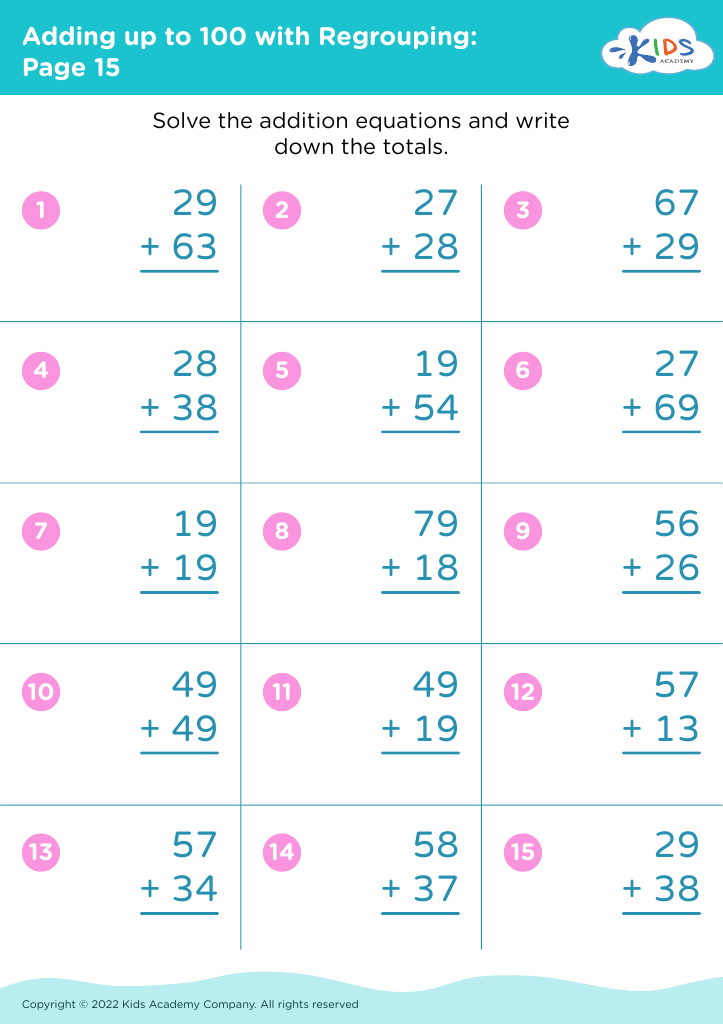
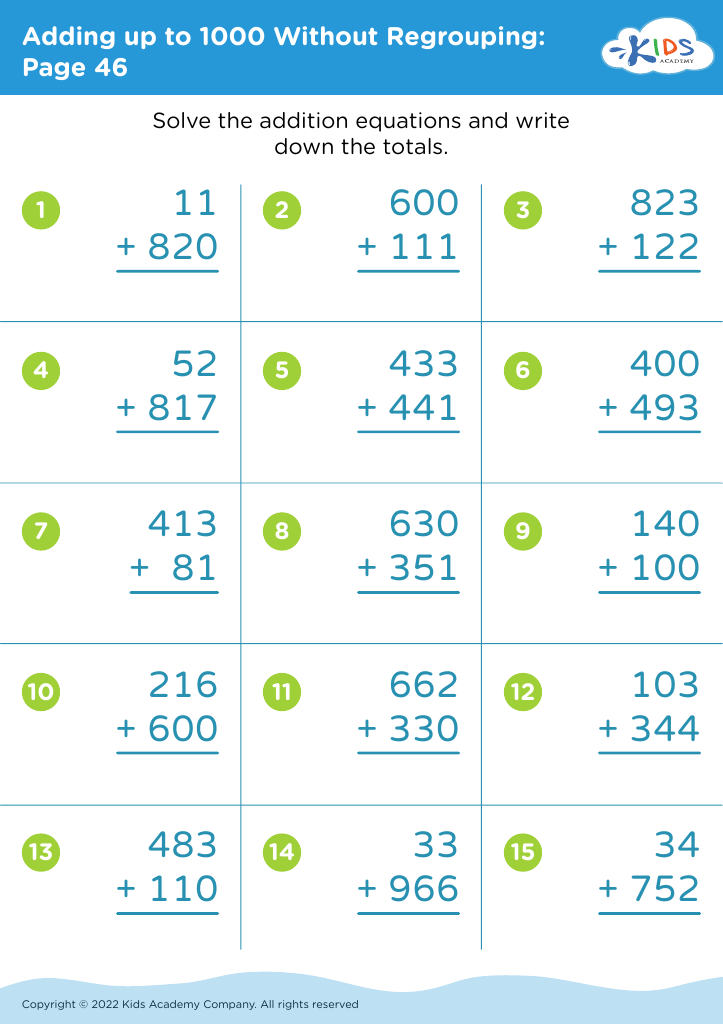
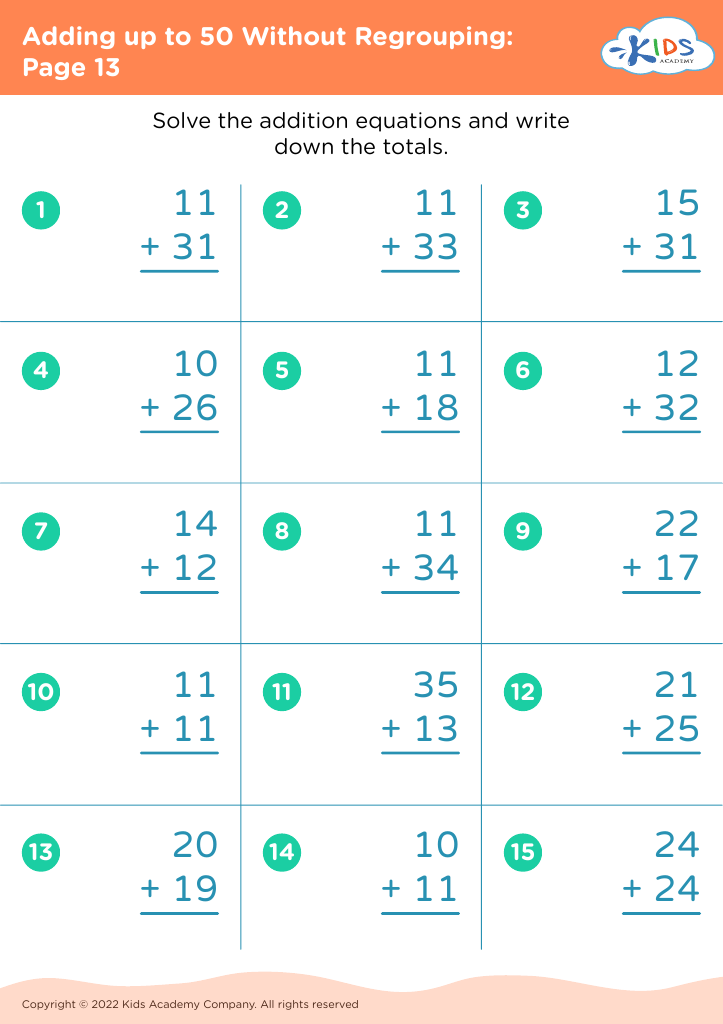
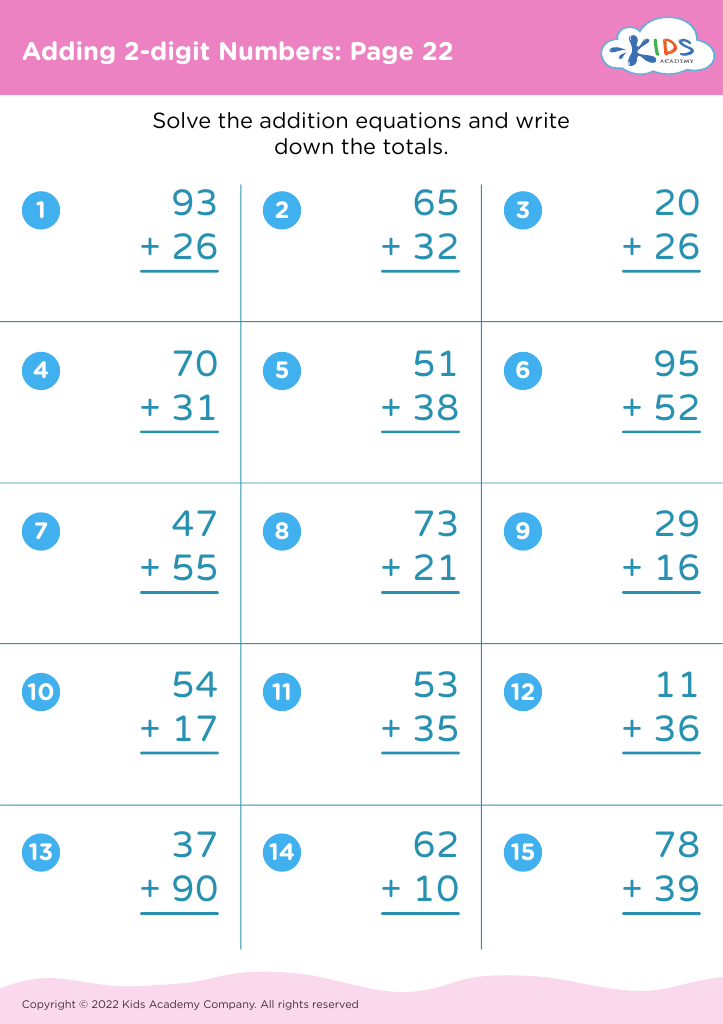
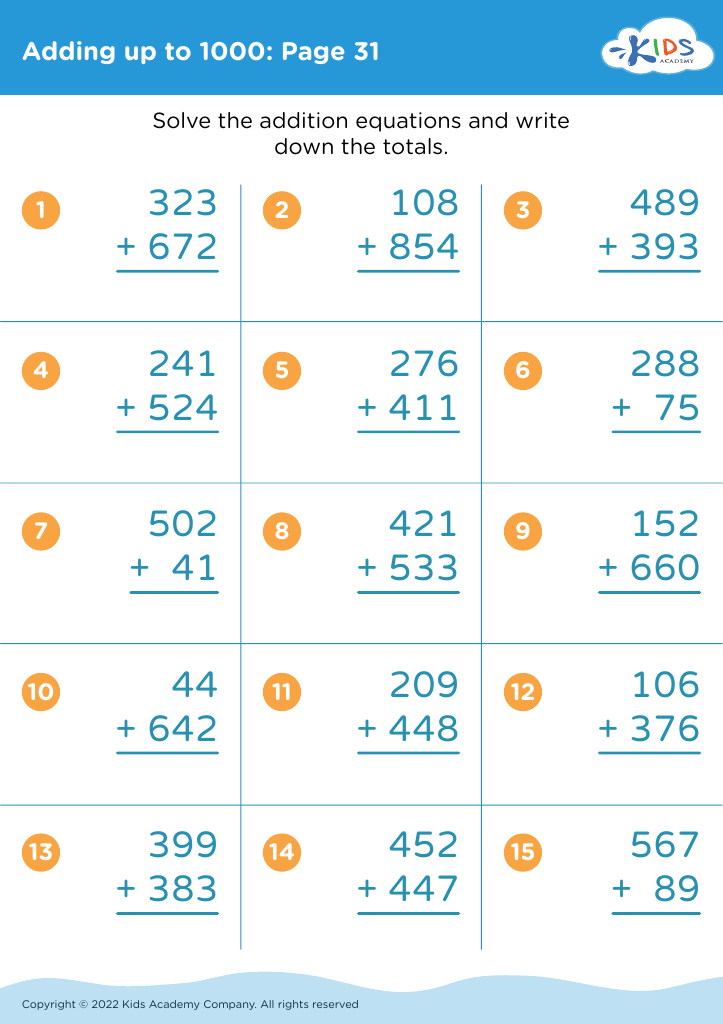
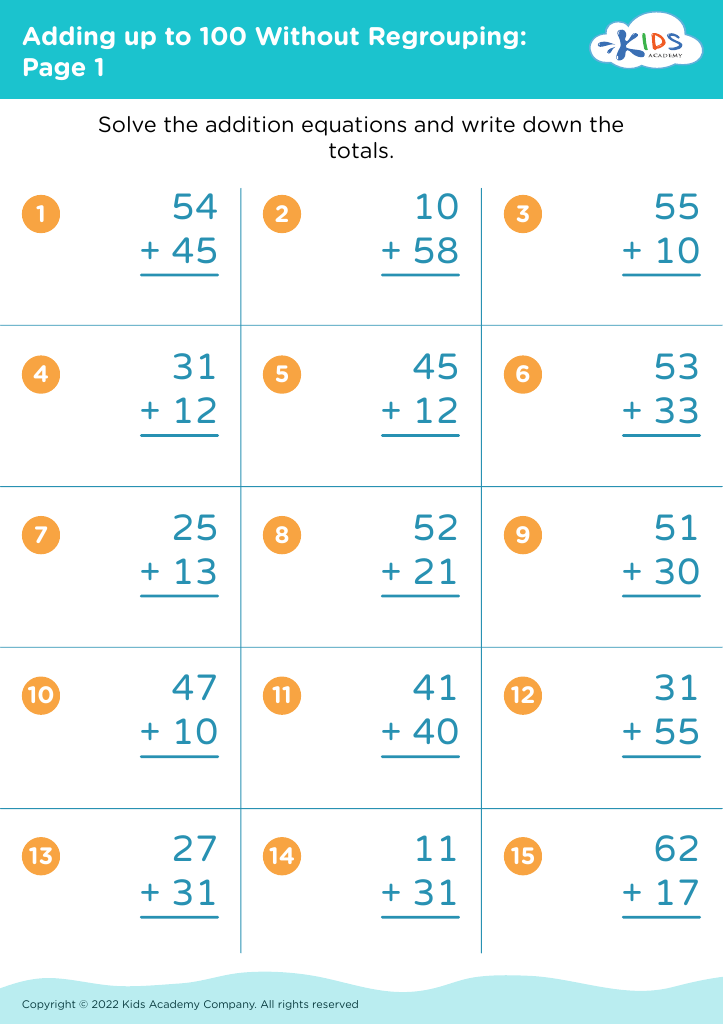
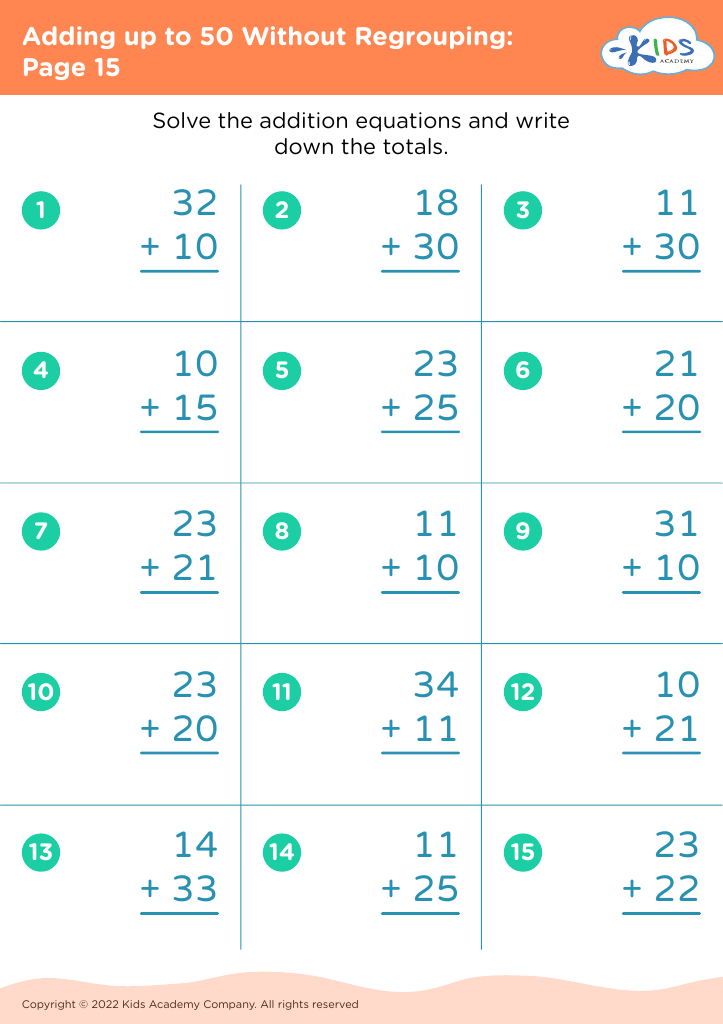
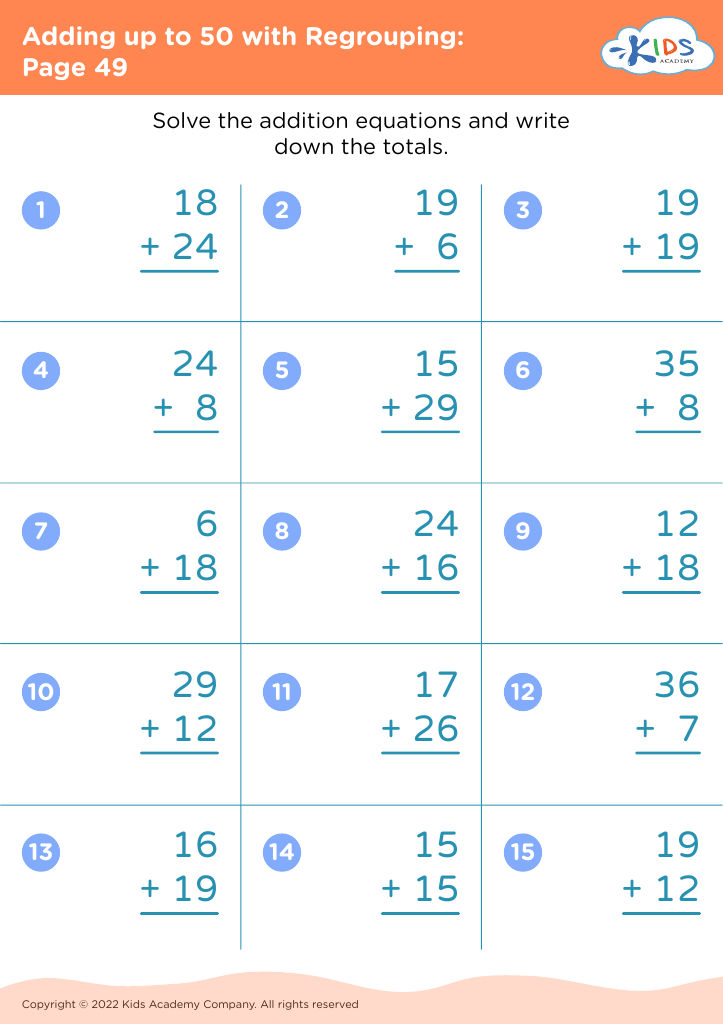
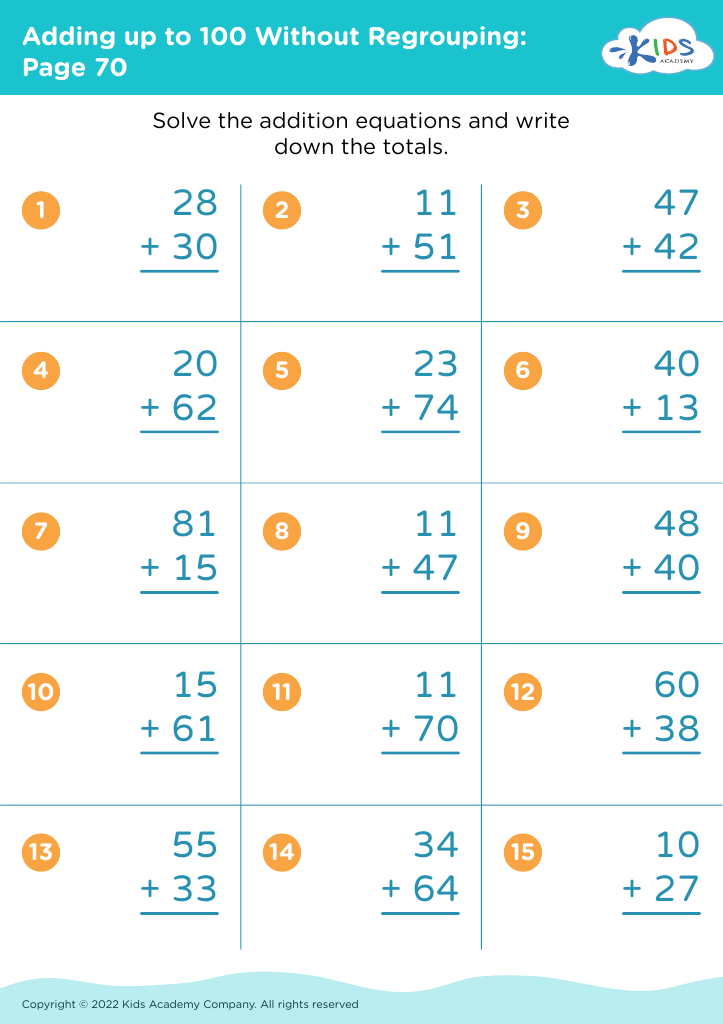
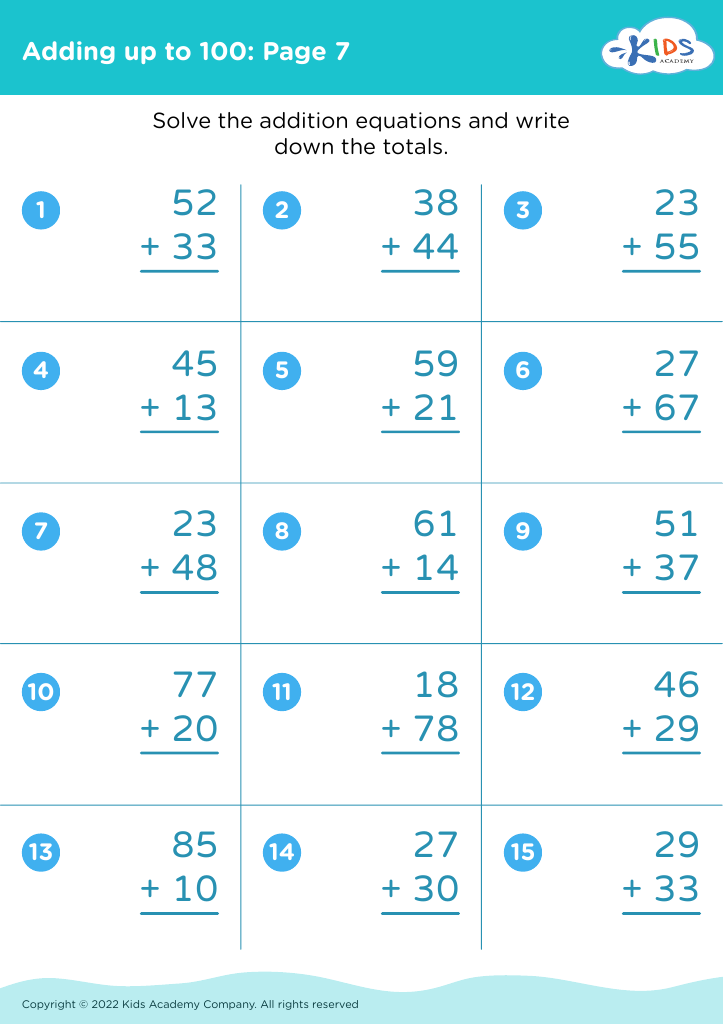
Enhance your child's number recognition skills with our engaging math worksheets designed for ages 6-9. Our collection features interactive activities that make learning fun and effective. Kids will practice identifying, writing, and understanding numbers through colorful illustrations and age-appropriate challenges. Whether at school or home, these worksheets support early math development and boost confidence in young learners. Perfect for reinforcing foundational skills, they cater to varied learning styles and can be easily integrated into daily routines. Download our easy-to-use worksheets today, and watch your child's numeracy skills flourish while enjoying the learning process! Start their mathematical journey now!
Favorites
With answer key
Interactive
Join Kids Academy for Free
Who is primarily going to use this learning content?







%20(1).jpg)
Improving number recognition for children aged 6-9 is crucial for their overall math development and academic success. At this stage, children are transitioning from mastering basic number concepts to solving more complex mathematical problems. Enhanced number recognition skills lay a solid foundation for future learning, enabling students to identify, compare, and manipulate numbers confidently.
For parents and teachers, early interventions in number recognition can foster a love for mathematics and dispel math-related anxieties. When children can quickly recognize numbers, they can focus on higher-order skills such as addition, subtraction, and problem-solving, which are essential for academic achievement. Furthermore, developing these skills can boost a child’s confidence, allowing them to participate actively in classroom activities and ultimately leading to better academic outcomes.
Moreover, number recognition is intertwined with other critical skills, such as cognitive development and spatial reasoning. Addressing difficulties in this area early on can prevent future challenges in mathematics. Supporting children in developing number recognition not only enhances their math competencies but also promotes a positive attitude towards learning, setting a strong precedent for lifelong academic engagement. In summary, prioritizing number recognition is essential for laying a foundation for success in more advanced mathematical concepts.








