Mathematical thinking Math Worksheets for Ages 6-9
6 filtered results
-
From - To
Discover the power of Mathematical Thinking Math Worksheets for Ages 6-9 at Kids Academy! Designed to foster critical thinking and problem-solving skills, our engaging worksheets cover a range of topics including patterns, sequences, logical reasoning, and spatial awareness. Perfect for young learners, these activities are both fun and educational, helping children build a strong mathematical foundation. With vibrant visuals and age-appropriate challenges, your child will enjoy exploring math concepts while developing essential cognitive skills. Visit our website to empower your child's mathematical journey with our expertly crafted resources. Give your child the gift of confidence in math today!
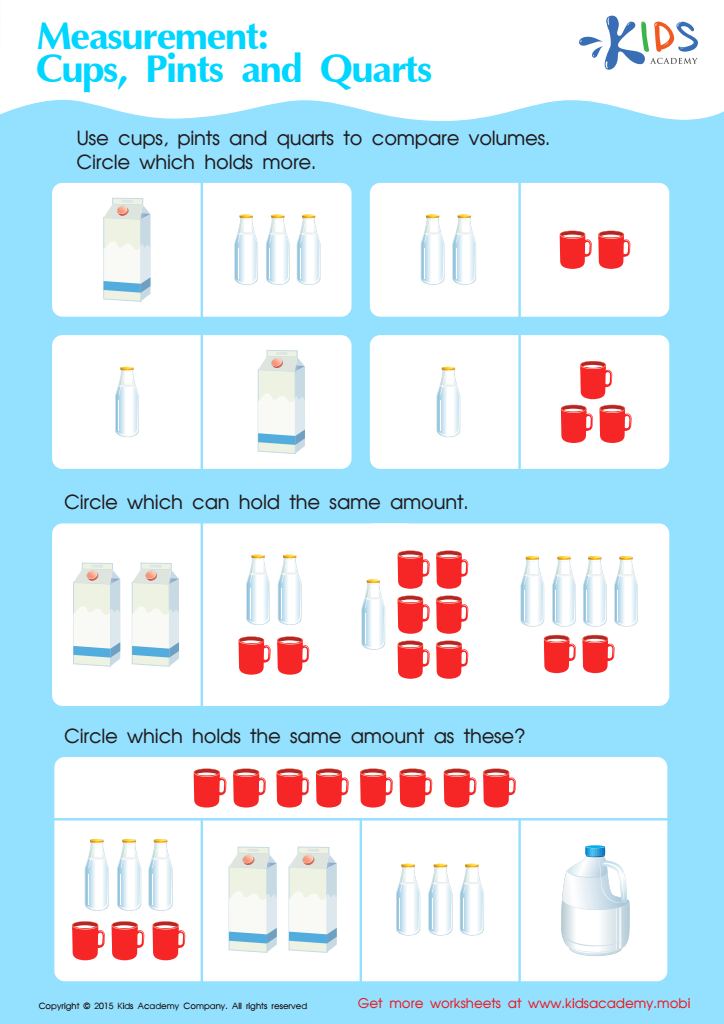
Measurement: Compare Volumes Worksheet
 Assign to My Students
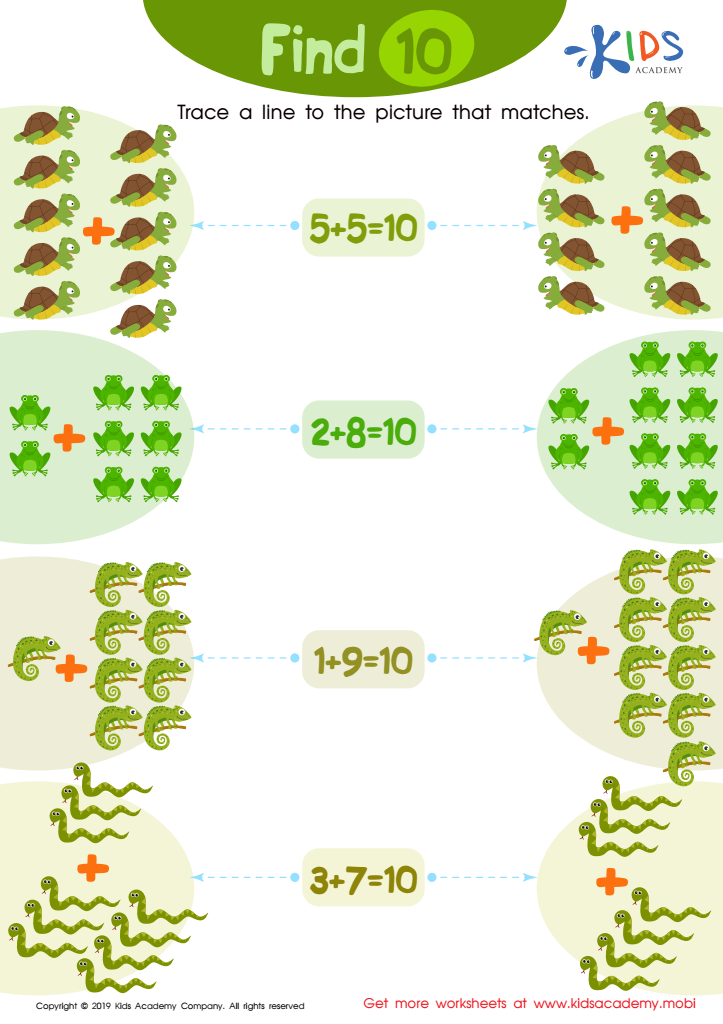
Find 10 Worksheet
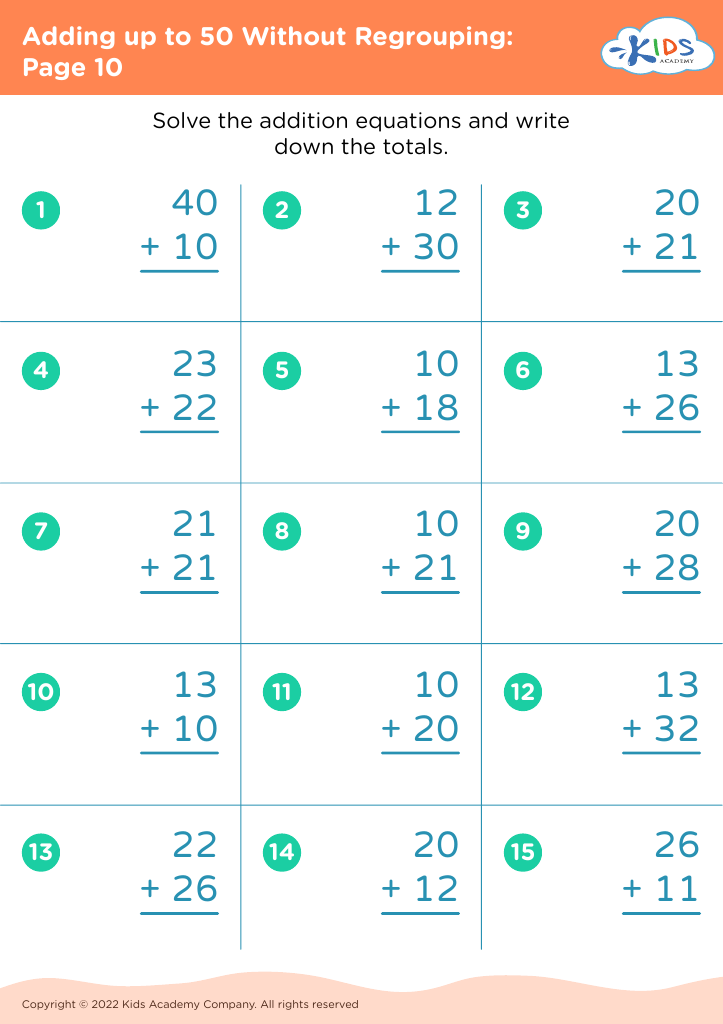
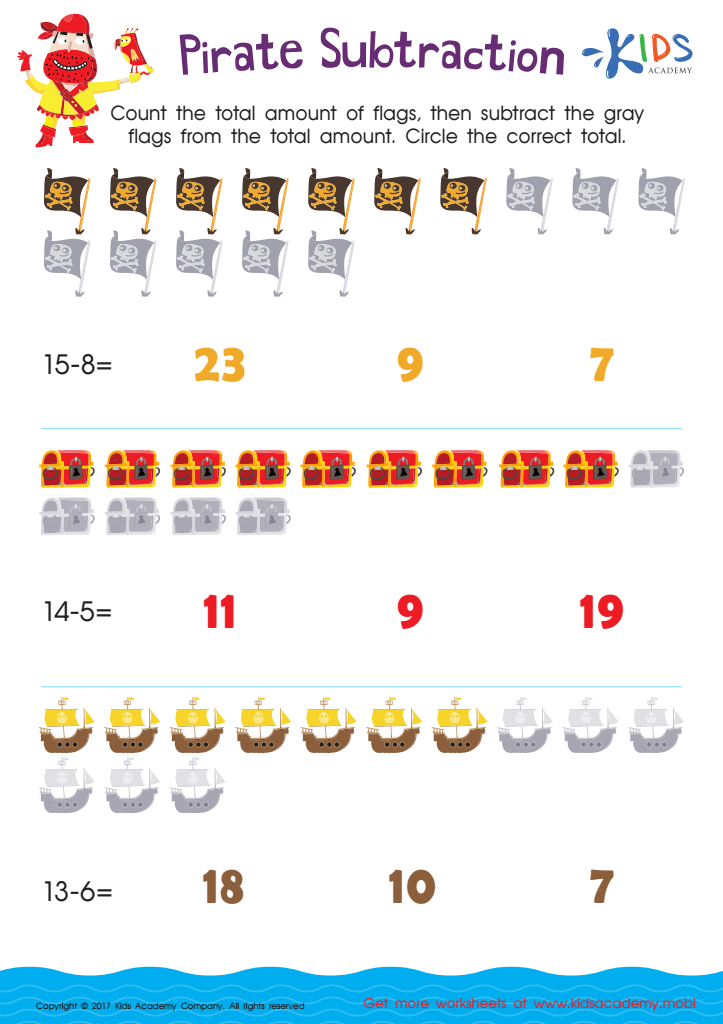
Pirate Subtraction Substraction Worksheet
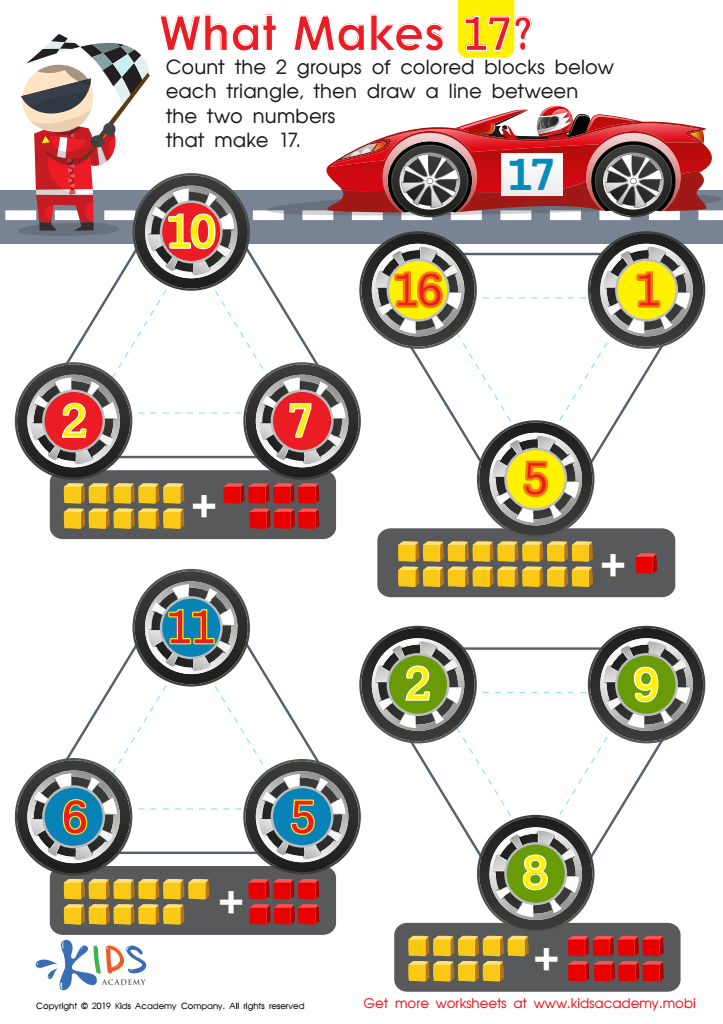
What Makes 17 Worksheet
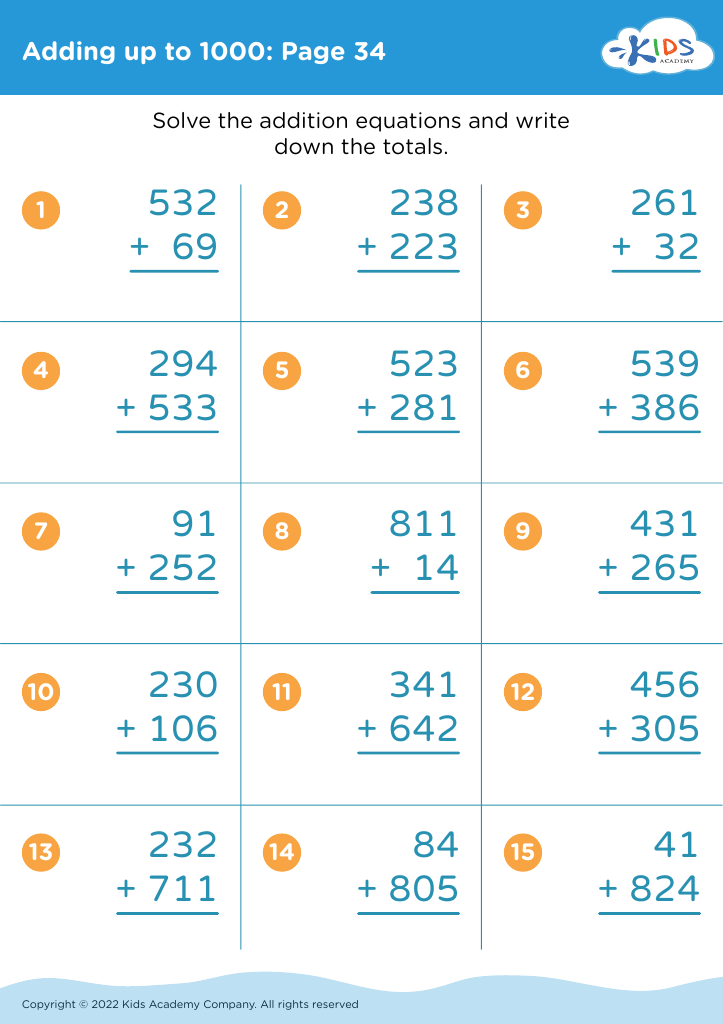








Parents and teachers should prioritize mathematical thinking for children aged 6-9 because it lays the foundation for critical cognitive development and future academic success. At this crucial stage, young learners are incredibly receptive to new concepts and are beginning to form their initial perceptions of learning and problem-solving. By engaging in mathematical thinking, such as recognizing patterns, understanding basic arithmetic, and fostering logical reasoning, children enhance their ability to think analytically and abstractly.
Mathematical thinking also promotes confidence and a growth mindset. When children successfully solve problems, they gain confidence in their abilities and are more likely to approach new challenges with a positive attitude. This resilience is not only important in mathematics but in all areas of learning and personal development.
Furthermore, early exposure to math concepts ensures that children do not fall prey to math anxiety later in life. A solid mathematical foundation helps them seamlessly transition into more advanced topics, such as geometry and algebra, which are critical for higher education and many career paths.
Incorporating math into everyday activities, such as cooking, shopping, or playing, shows children that math is not an abstract subject confined to the classroom but a valuable skill that is instrumental in real life. Therefore, nurturing mathematical thinking from a young age sets children on a trajectory of lifelong learning and problem-solving prowess.








