Recognize shapes Math Worksheets for Ages 6-9
9 filtered results
-
From - To
Enhance your child's geometry skills with our "Recognize Shapes Math Worksheets for Ages 6-9." These engaging worksheets help young learners identify and classify various shapes, ranging from basic circles and squares to more complex polygons. Fun and educational activities are designed to reinforce geometry concepts, improve cognitive skills, and boost problem-solving abilities. Perfect for classroom use or at-home practice, these worksheets are tailored to align with school curriculum standards, ensuring your child stays ahead. Empower your little mathematician with tools they need to succeed while making learning an exciting adventure. Download now and start exploring the world of shapes!
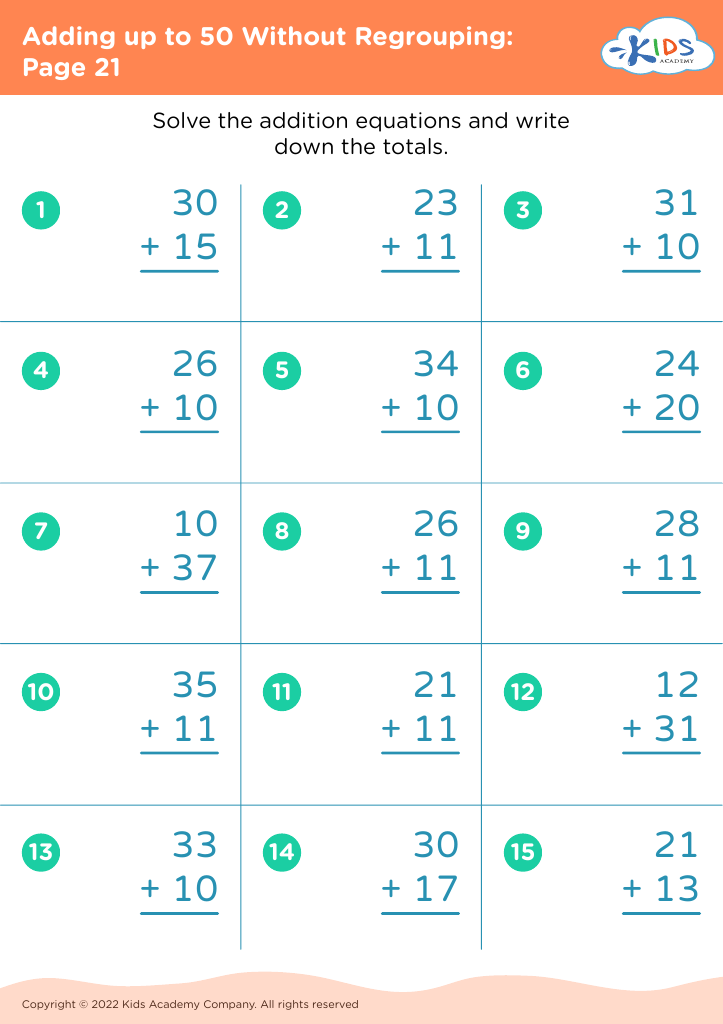
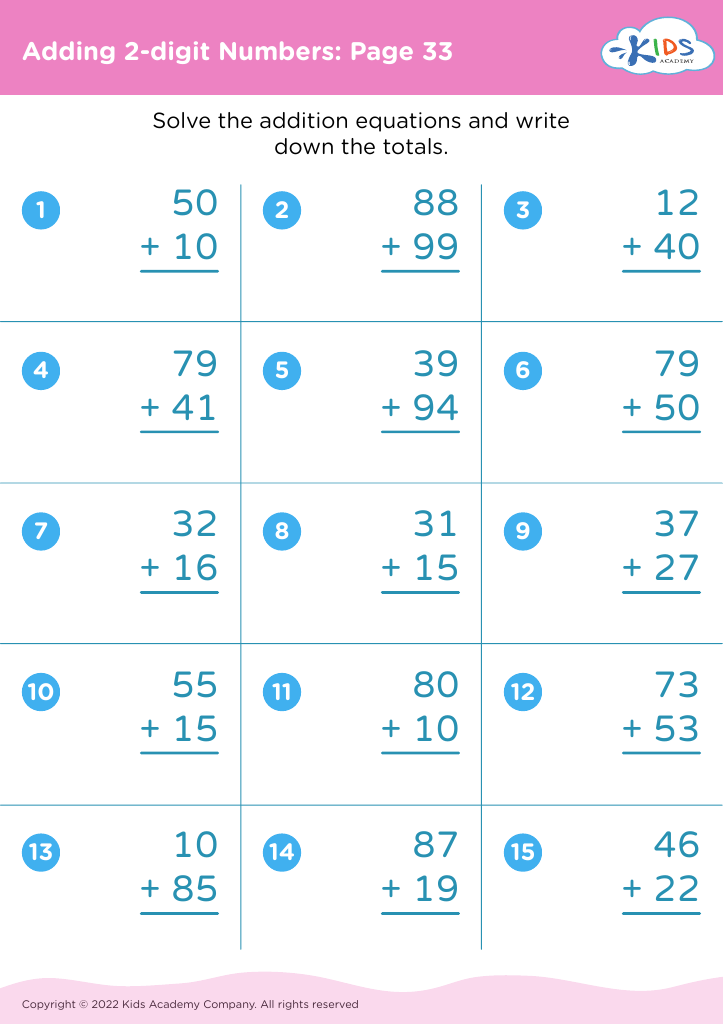
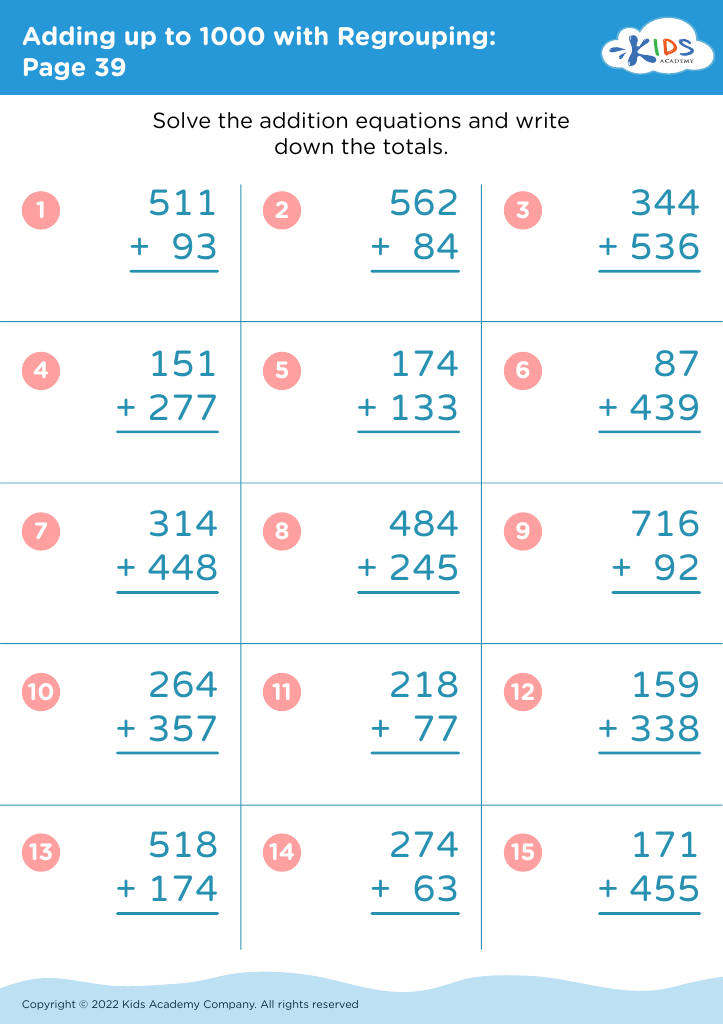
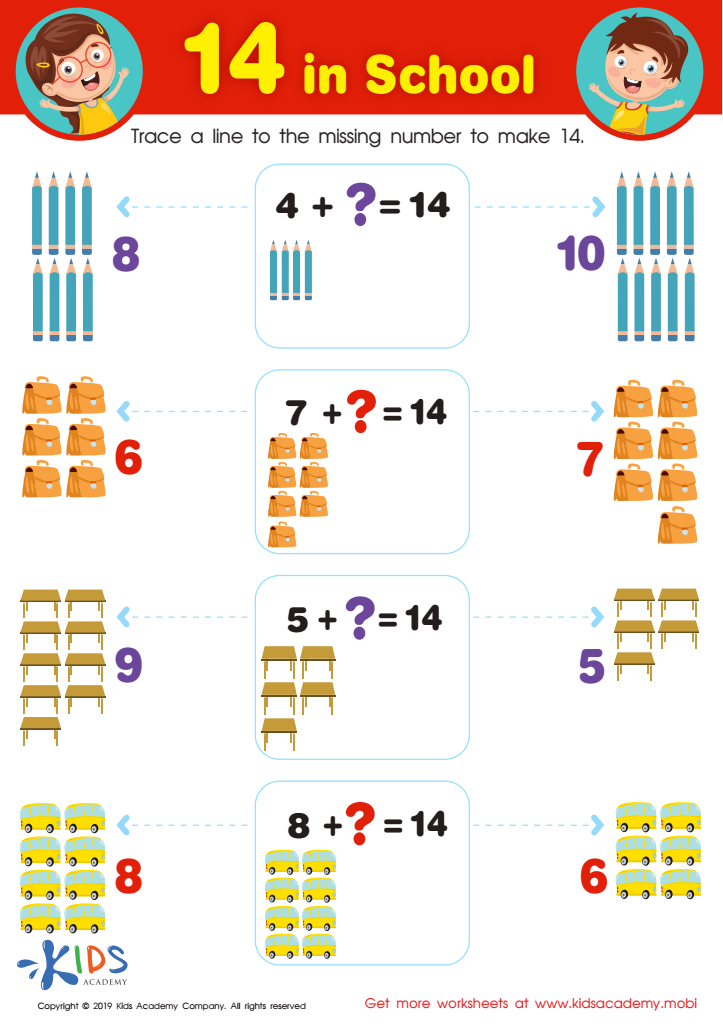
14 in School Worksheet
 Assign to My Students








Recognizing shapes is a fundamental math skill for children aged 6-9, underpinning a broad range of educational and developmental benefits. Parents and teachers should care about this aspect of math education because it directly supports cognitive development, spatial awareness, and problem-solving abilities. Engaging with shapes allows children to understand and organize their visual world, aiding in the recognition of patterns and relationships.
This early math skill lays the groundwork for more advanced mathematical concepts such as geometry, measurement, and even algebra later on. By learning to recognize and analyze shapes, children also improve their fine motor skills through activities like drawing and building, which enhances hand-eye coordination. Vocabulary expansion is another crucial benefit; as children learn to identify and articulate different shapes, they develop linguistic and descriptive skills that will serve them in many areas of learning.
Furthermore, recognizing shapes enhances practical life skills. Many daily tasks, from navigating via maps to assembling toys, involve shape recognition. This understanding also fosters creativity, as children begin to see geometric principles in art, nature, and design. Overall, focusing on shapes in early education sets a strong foundation for academic success and well-rounded cognitive and creative growth.








