Spatial reasoning Math Worksheets for Ages 6-9
8 filtered results
-
From - To
Enhance your child's spatial reasoning skills with our captivating math worksheets designed for ages 6-9. These carefully crafted resources promote critical thinking and problem-solving through engaging activities that encourage kids to explore shapes, patterns, and spatial relationships. Our worksheets are aligned with educational standards, ensuring effective learning while keeping your child motivated and entertained. From identifying angles to understanding three-dimensional objects, each exercise is tailored to boost your child's confidence in math. Perfect for both classroom settings and at-home learning, our spatial reasoning worksheets are an invaluable tool for nurturing young minds and laying a strong foundation for future success in mathematics.
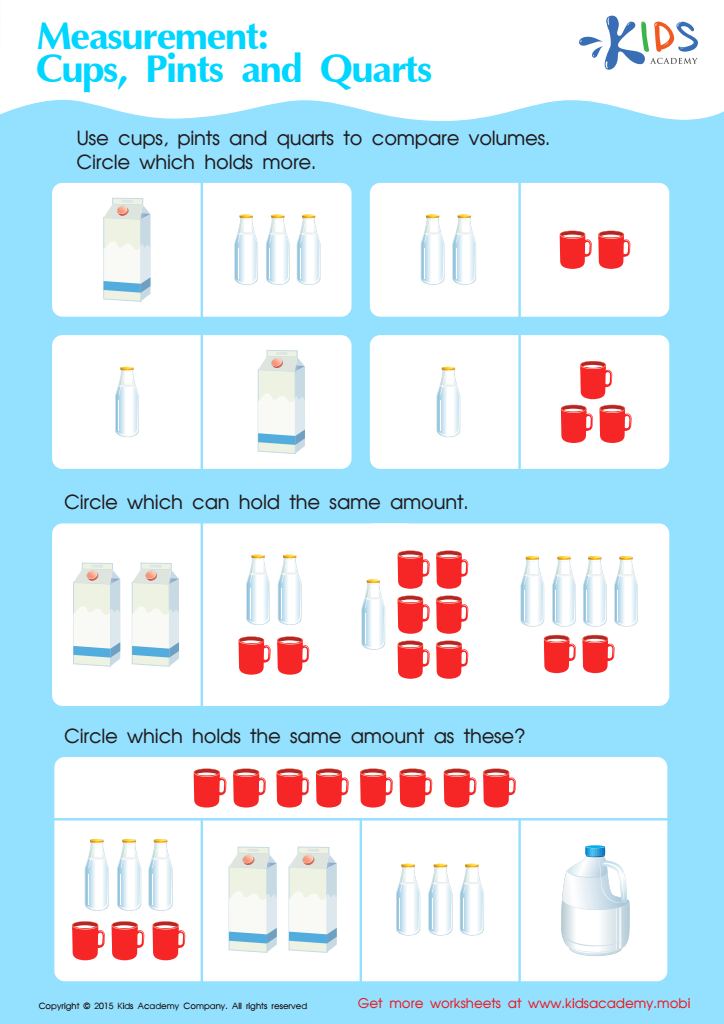
Measurement: Compare Volumes Worksheet
 Assign to My Students
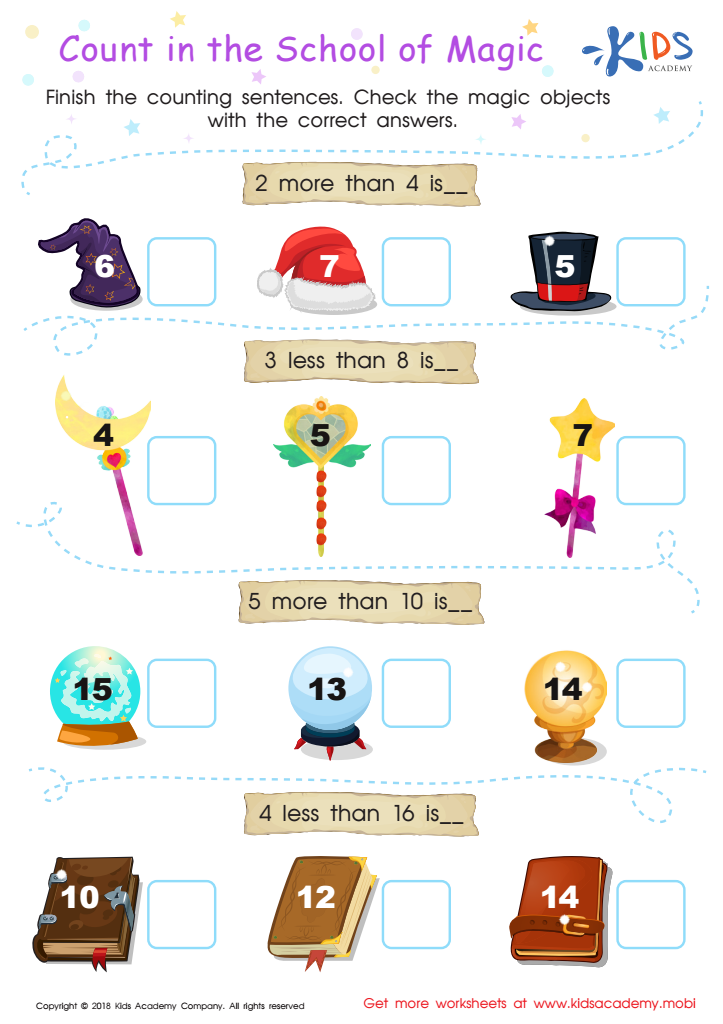
Count in the School of Magic Worksheet
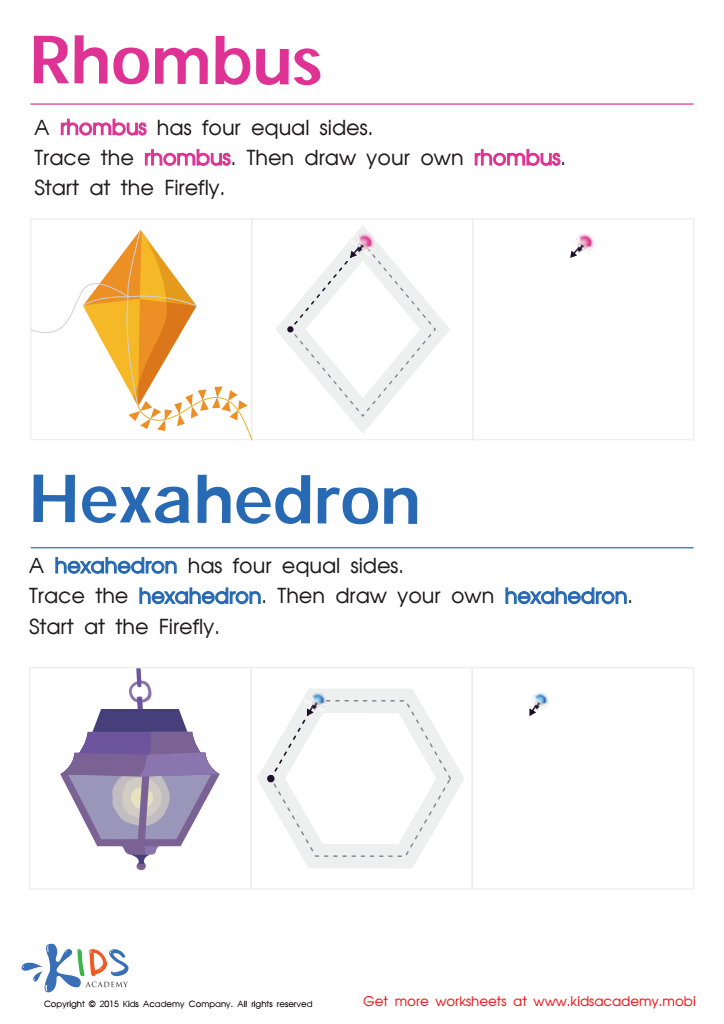
Draw a Rhombus And a Hexahedron Printable
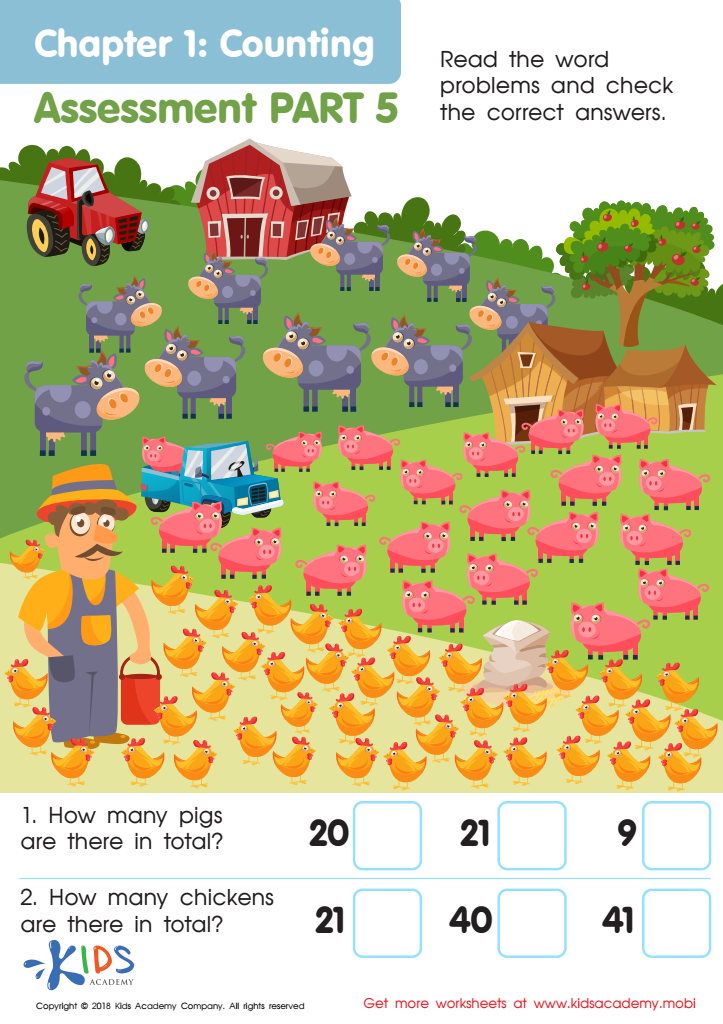
Counting: Assessment 5 Worksheet
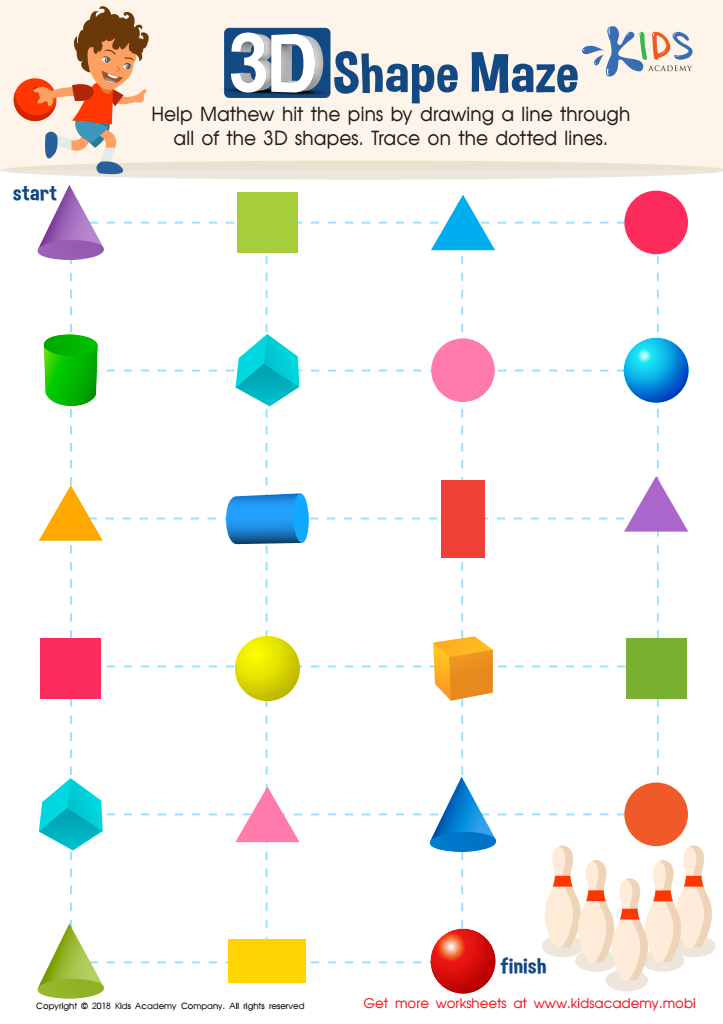
Shapes Maze Geometry Worksheet
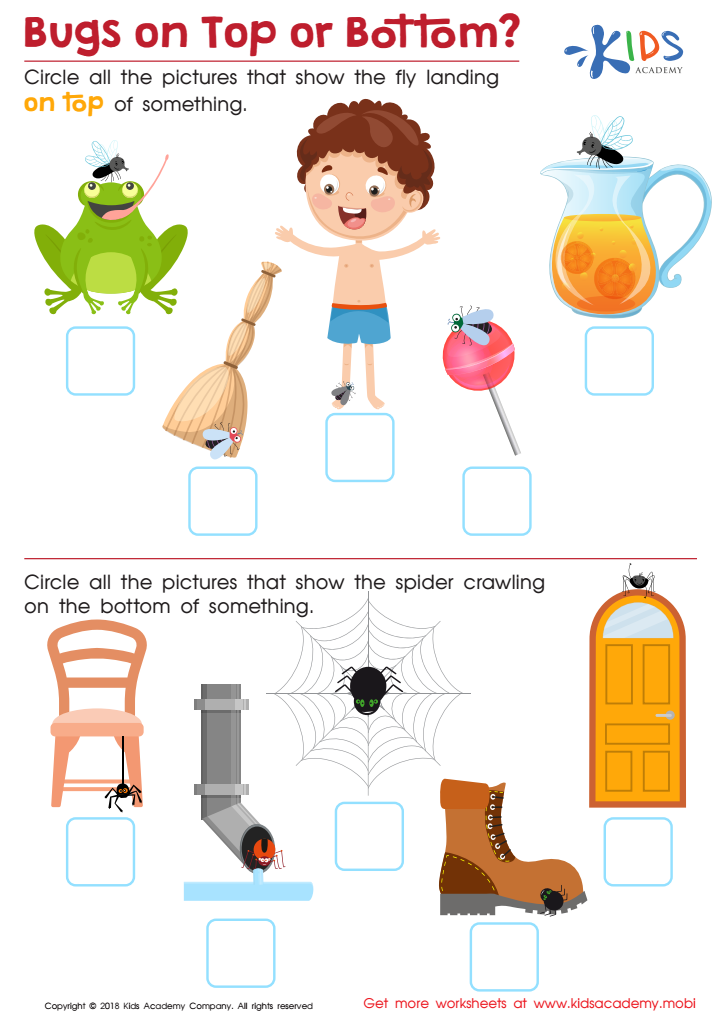
Bugs on Top or Bottom? Worksheet
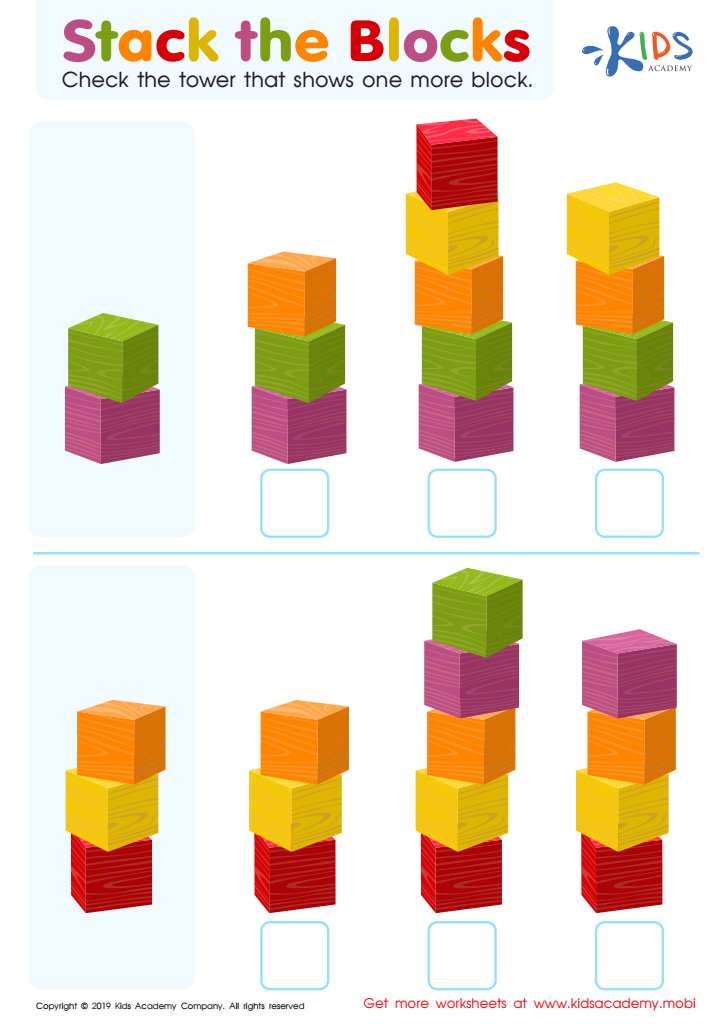
Stack the Blocks Worksheet
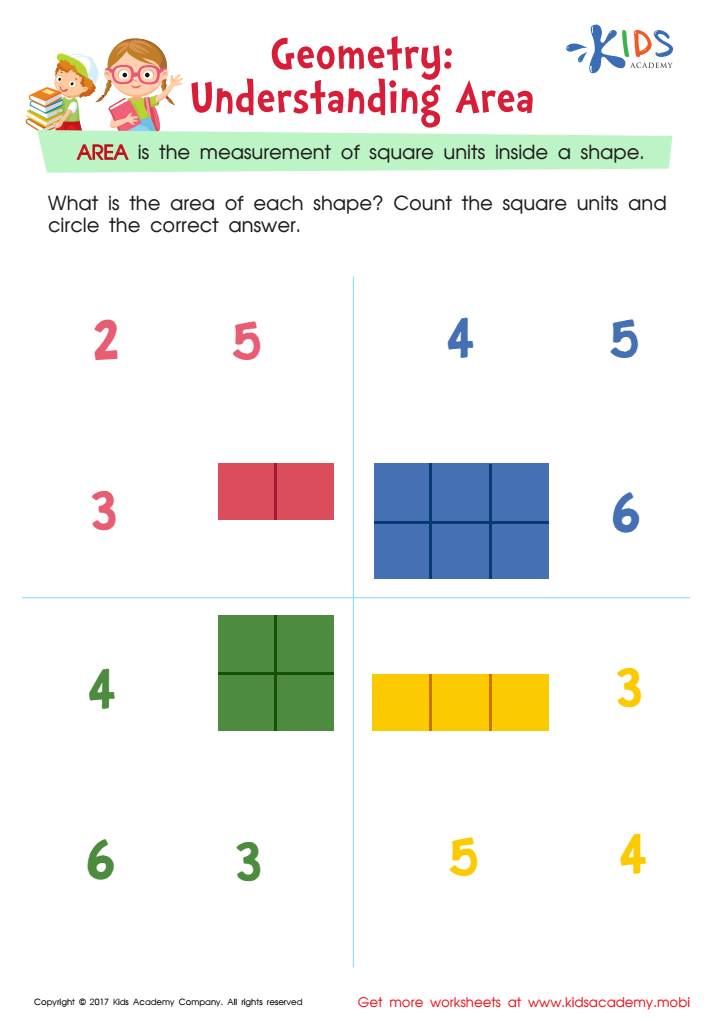
Understanding Area Worksheet



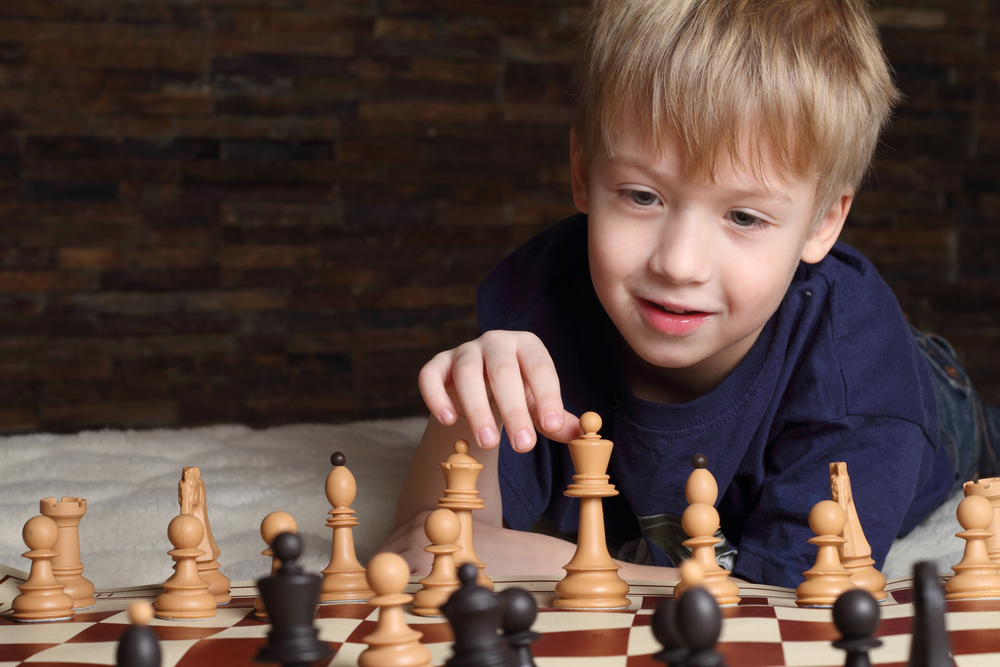



Spatial reasoning is a crucial cognitive skill that allows children to understand and manipulate the world around them. For ages 6-9, this skill is particularly important as it lays the foundation for essential mathematical concepts and problem-solving abilities. Parents and teachers should prioritize spatial reasoning because it significantly enhances children’s understanding of geometry, measurement, and visualization.
Strong spatial reasoning skills contribute to academic success, particularly in STEM fields (science, technology, engineering, and mathematics). Children who can visualize and manipulate shapes can better comprehend complex mathematical concepts, leading to improved performance in mathematics. Furthermore, these skills foster creativity and critical thinking, essential for innovation in any discipline.
Additionally, spatial reasoning helps children navigate their physical environment, aiding in tasks like reading maps, understanding directions, and interpreting diagrams. Engaging children in spatial activities—such as puzzles, building blocks, or drawing—can develop these abilities in a fun and interactive way.
Ultimately, fostering spatial reasoning during these formative years can equip children with valuable tools that enhance their learning experiences, boost confidence in tackling mathematical challenges, and prepare them for future academic and career opportunities. Parents and teachers play a pivotal role in nurturing these skills, paving the way for a well-rounded education.








