Understanding equality Math Worksheets for Ages 6-9
5 filtered results
-
From - To
"Understanding Equality Math Worksheets for Ages 6-9"
Help your child grasp the fundamental concept of equality with our engaging and educational worksheets tailored for ages 6-9. Designed to enhance young learners' math skills, these printable activities provide practice with balancing equations, comparing values, and understanding the equal sign. Each worksheet features fun, relatable problems that motivate and challenge children, making learning both enjoyable and effective. Whether in the classroom or at home, these worksheets serve as a valuable resource to build a solid mathematical foundation. Explore our collection today and empower your child to master the concept of equality with confidence.
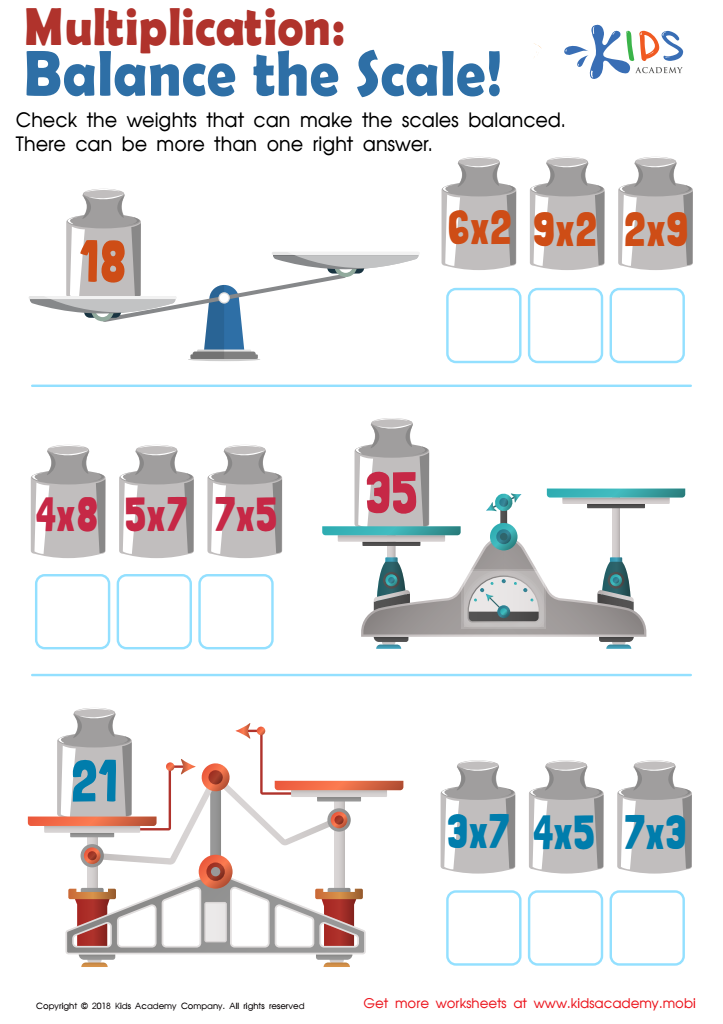
Balance the Scales Multiplication Worksheet
 Assign to My Students
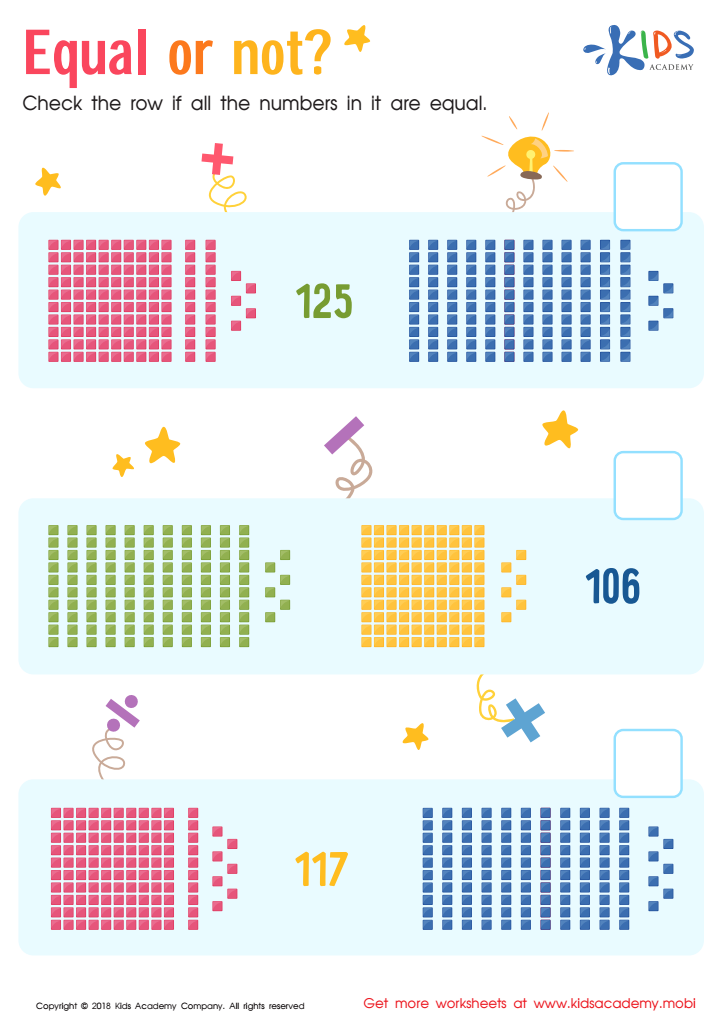
Equal or not Worksheet
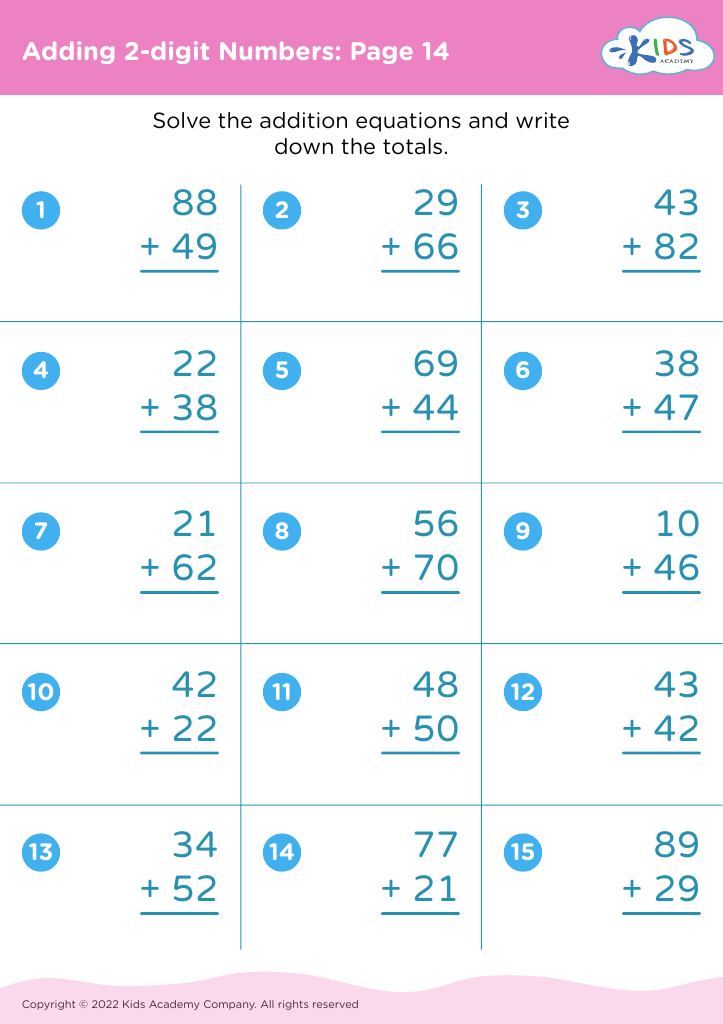
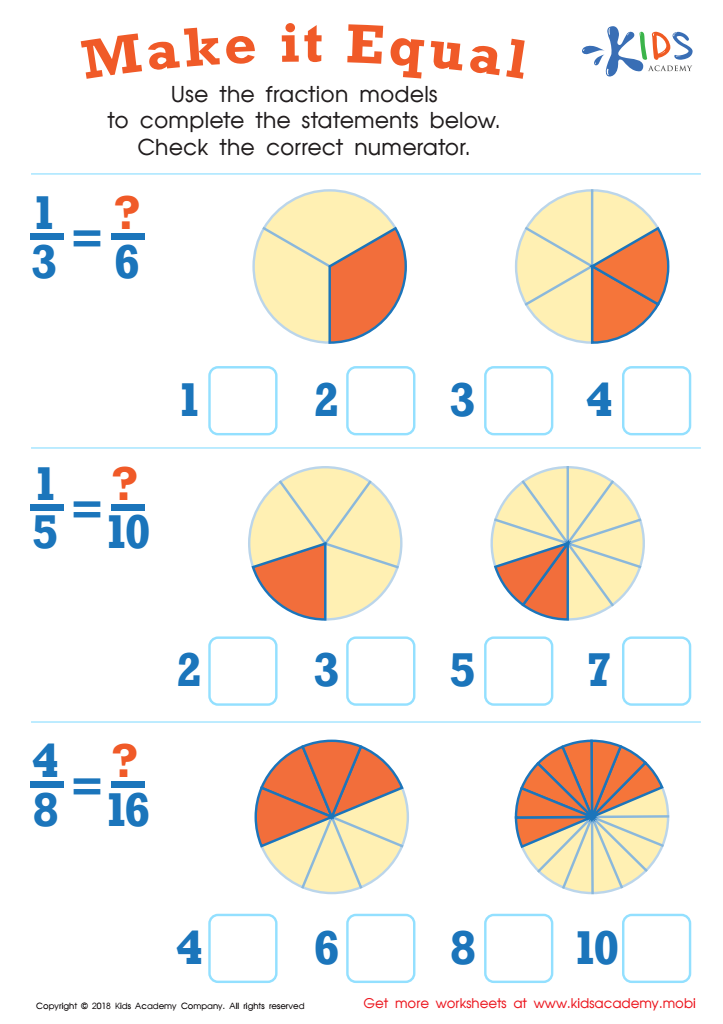
Make It Equal Worksheet
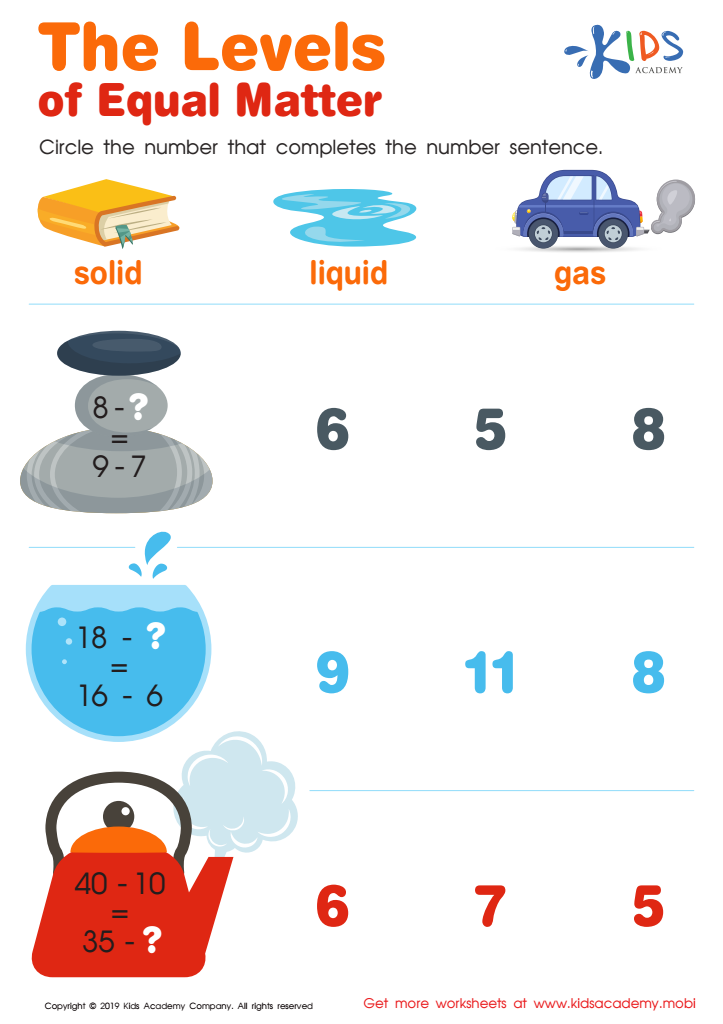
The Levels of Equal Matter Worksheet






.jpg)
Understanding equality in math is foundational for children aged 6-9 as it shapes their logical reasoning and problem-solving skills. At this developmental stage, grasping the concept of equality goes beyond recognizing that two amounts are the same; it helps build a concrete understanding of how numbers and operations relate to each other. This comprehension lays the groundwork for advanced mathematical concepts such as algebra, where balance and equivalence are key principles.
When children understand that the equal sign ( = ) signifies balance rather than an operation prompt, they develop a deeper appreciation for equations. This means recognizing that what's on one side of the equal sign should match whatever is on the other side, an understanding crucial for more advanced math they'll encounter later. This understanding promotes cognitive skills such as analytical thinking and mental discipline.
For teachers and parents, emphasizing equality helps to nurture a child’s confidence in math by ensuring they gain a solid, accurate understanding from the outset. This firm foundation prevents misconceptions and errors later, which could derail their mathematical journey. Moreover, incorporating equality in lessons and daily problem-solving activities fosters a positive attitude toward math, demonstrating that learning math can be accessible, logical, and enjoyable.








