Understanding more/less concept Math Worksheets for Ages 6-9
3 filtered results
-
From - To
Explore our engaging "Understanding More/Less Concept Math Worksheets" designed for children ages 6-9! These worksheets empower young learners to grasp the fundamental math concepts of comparison by helping them distinguish between larger and smaller quantities. Featuring colorful illustrations and interactive exercises, our resources encourage hands-on learning and critical thinking. Kids will practice identifying and comparing numbers, enhancing their mathematical reasoning and confidence in a fun and supportive way. Whether at home or in the classroom, these worksheets will make mastering the more/less concept an enjoyable experience. Help your child build a solid foundation in math skills today!
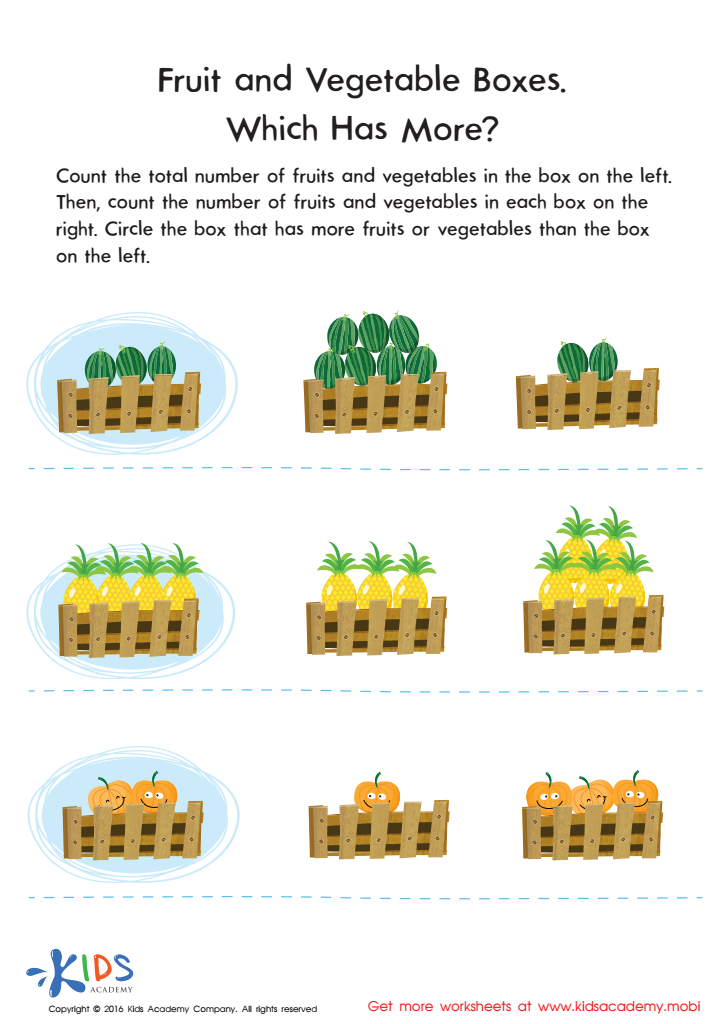
Which Has More? Size Worksheet
 Assign to My Students
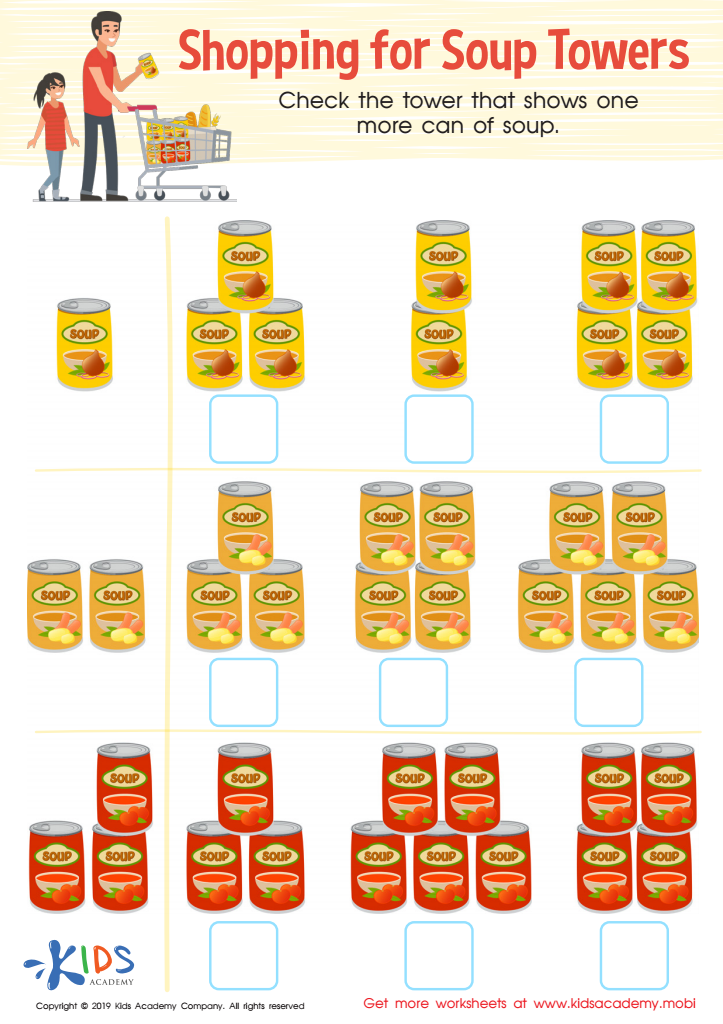
Soup Towers Worksheet
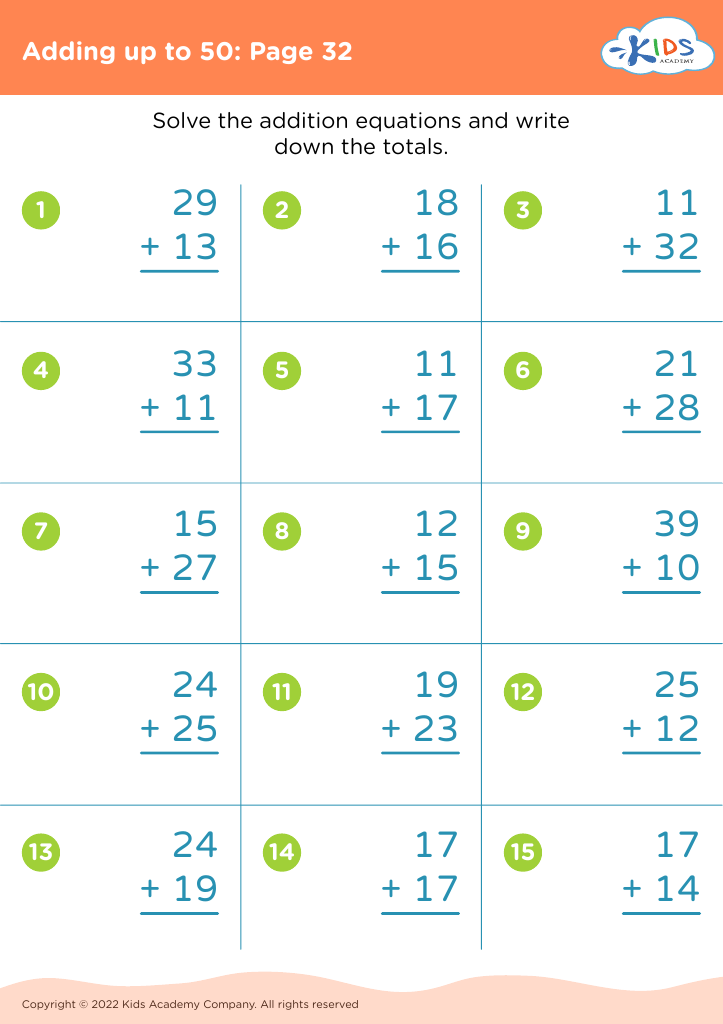







Understanding the more and less concepts in math is crucial for children aged 6-9, as it lays the foundation for their overall mathematical development. At this age, children are beginning to explore numbers in various contexts, and grasping these concepts helps them build essential critical thinking and problem-solving skills.
More and less concepts are vital in everyday life. Children encounter such comparisons regularly, whether they are sharing snacks, counting toys, or comparing heights. Recognizing these ideas helps them make sense of their world, enhancing their observational skills. Math is not only about numbers but also about reasoning, and understanding comparisons builds this logic.
Furthermore, mastering these concepts is linked to other mathematical skills such as addition, subtraction, and even higher-order concepts like greater than and less than. Teachers and parents should care because making these concepts engaging and relatable can foster a child's excitement for learning math.
Lastly, building a strong foundation in these fundamental concepts encourages confidence in young learners. This confidence translates into a more positive attitude towards math as they grow, which sets them up for success in future mathematical endeavors and encourages a lifelong love for learning.








