Visual interpretation Math Worksheets for Ages 6-9
7 filtered results
-
From - To
Enhance your child's mathematical understanding with our Visual Interpretation Math Worksheets, designed specifically for ages 6-9. These engaging worksheets utilize visual aids to help young learners grasp key math concepts such as addition, subtraction, and basic geometry through fun illustrations and interactive exercises. By incorporating visual learning techniques, your child will develop stronger problem-solving skills and boost their confidence in tackling math challenges. Ideal for both classroom and home use, these worksheets provide a solid foundation for early math education. Dive into a world of colorful learning and watch your child's mathematical abilities grow! Explore our collection today!
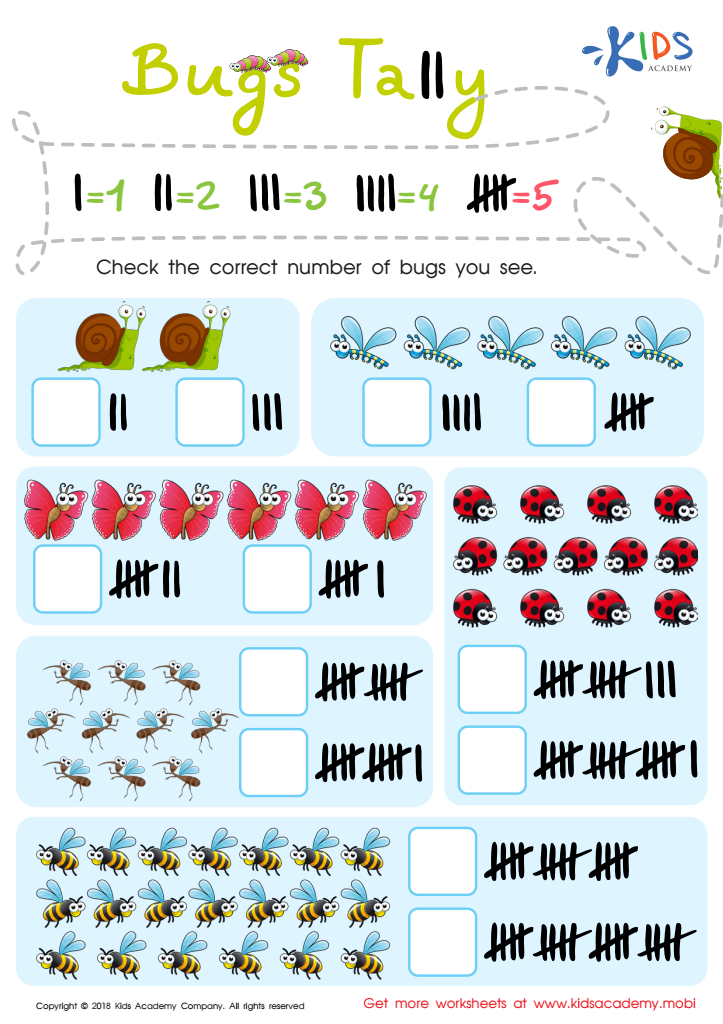
Bugs Tally Worksheet
 Assign to My Students
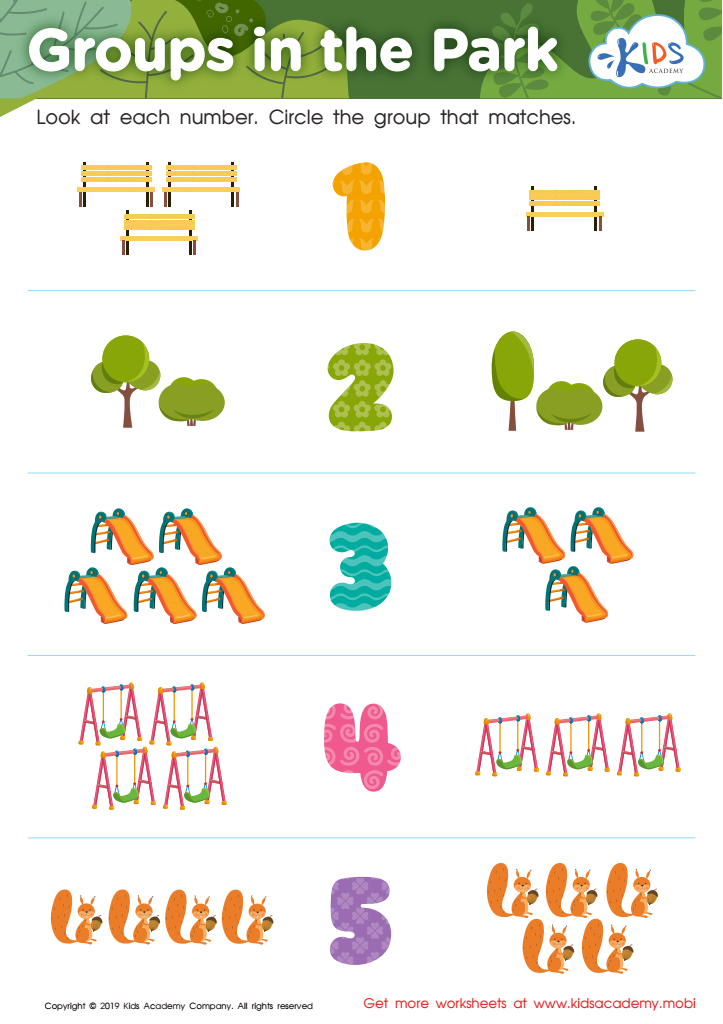
Groups in the Park Worksheet
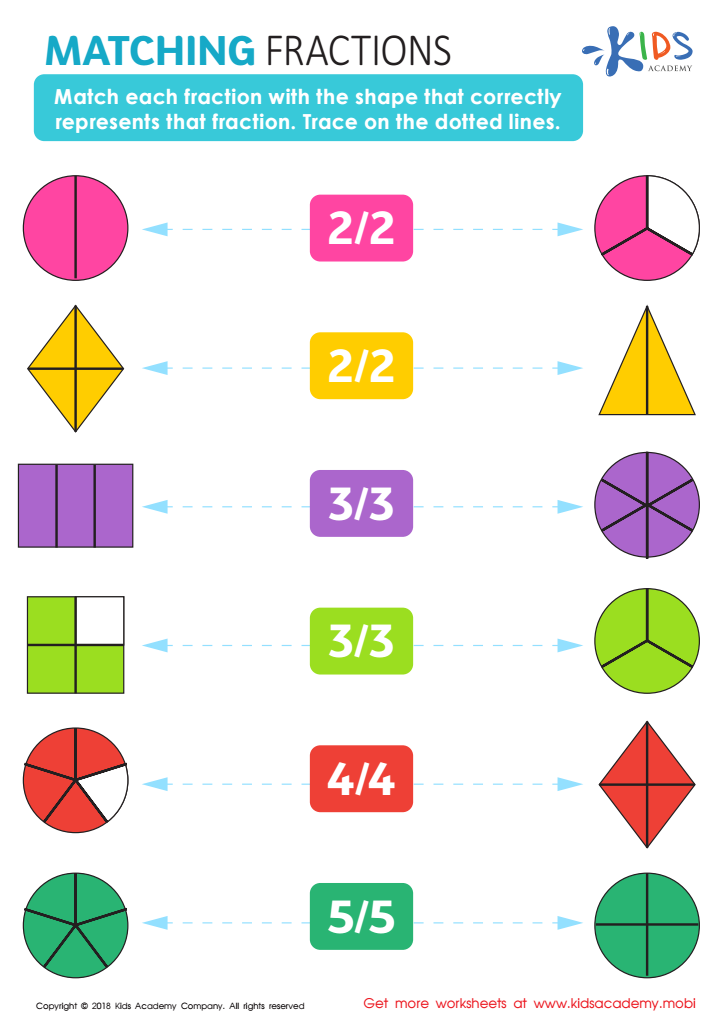
Matching Fractions Worksheet
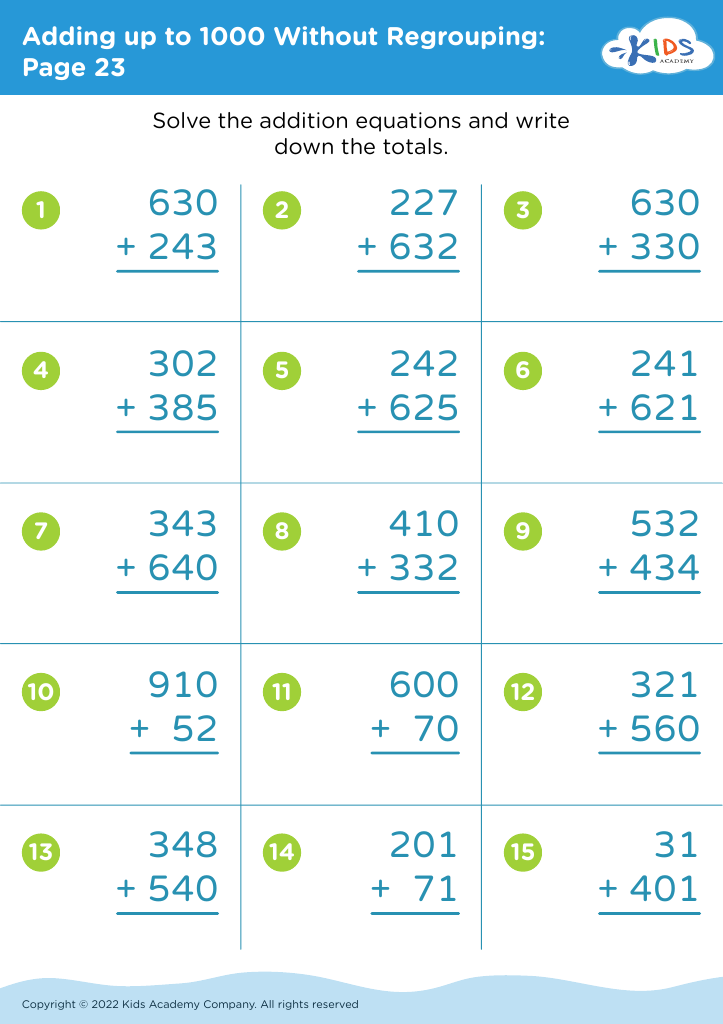
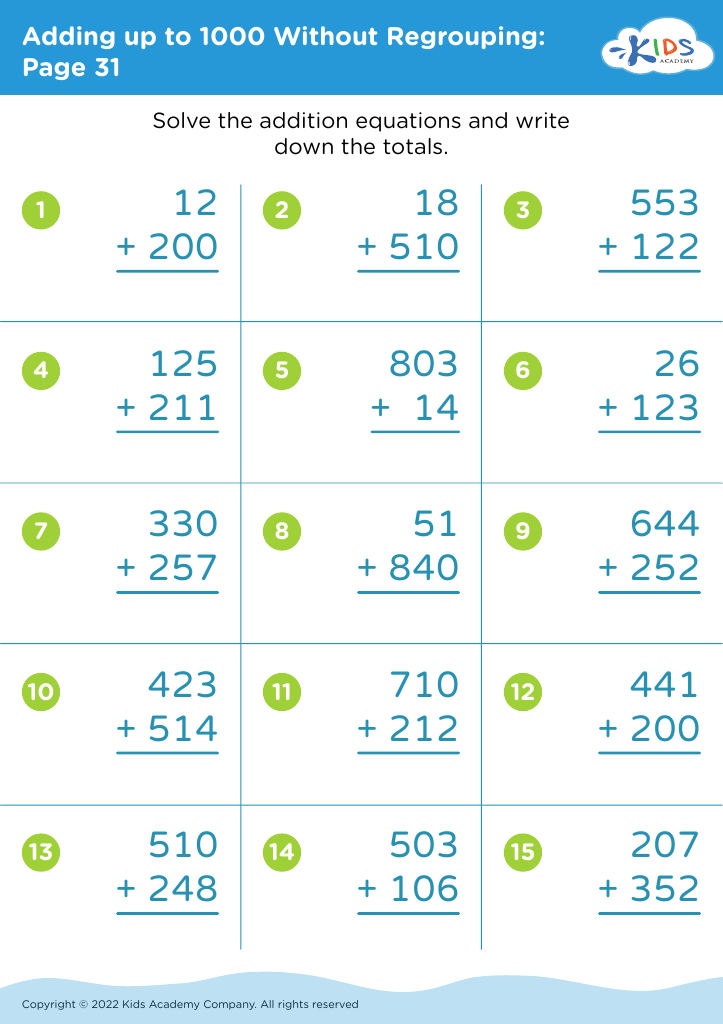
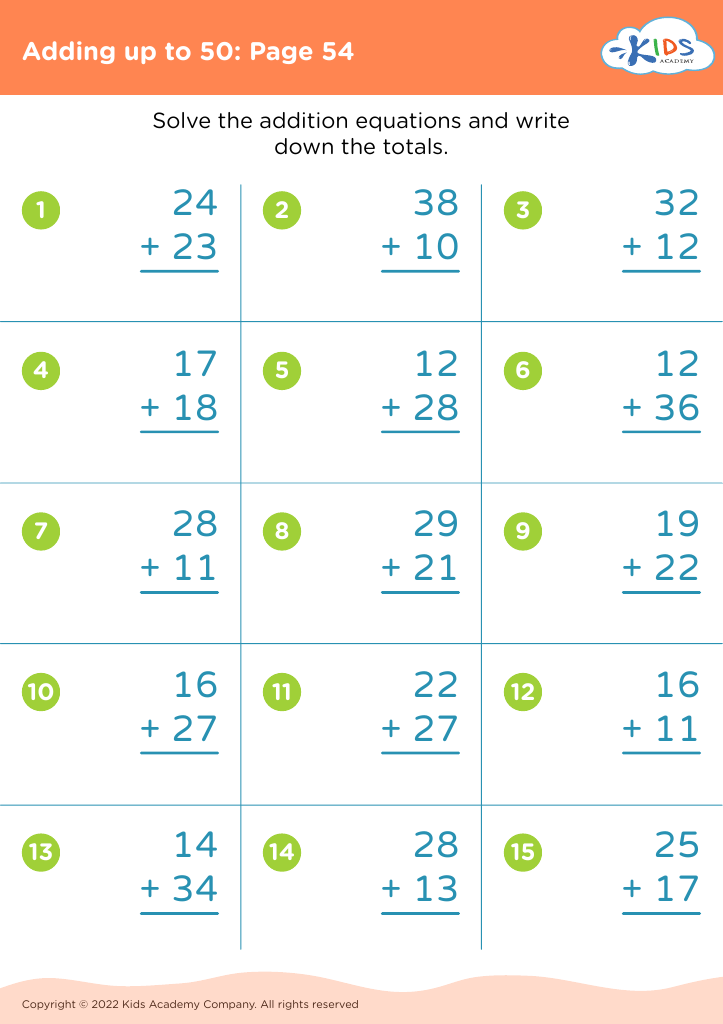
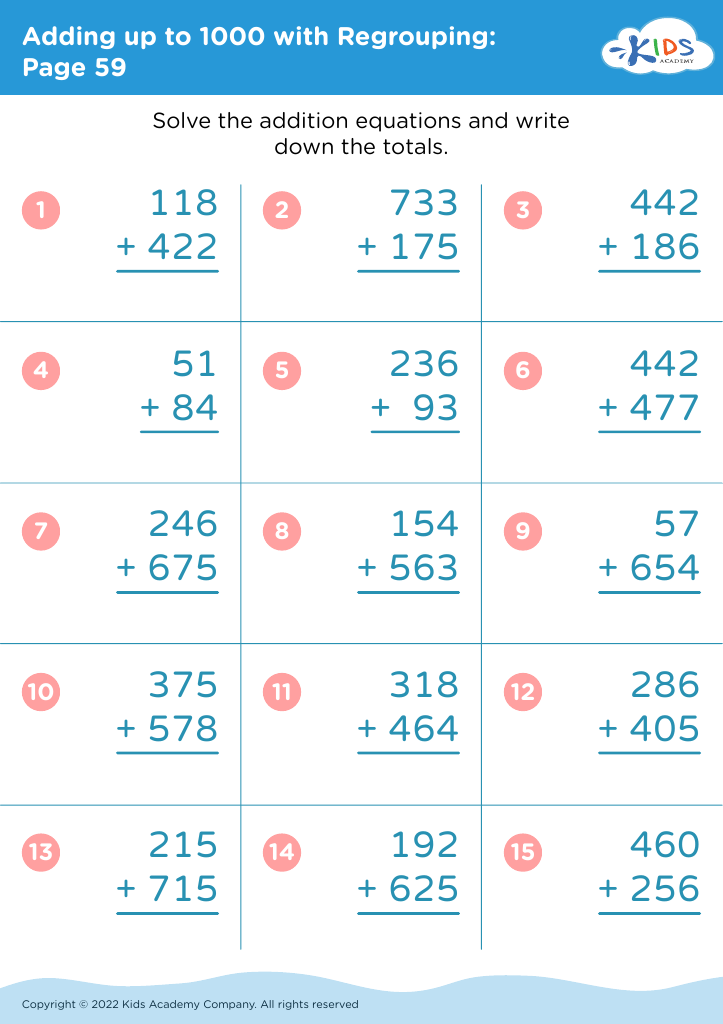






.jpg)
.jpg)
Visual interpretation in math for children aged 6-9 is essential for several reasons. At this developmental stage, children are typically transitioning from concrete to more abstract thinking. Incorporating visual aids, such as diagrams, models, and manipulatives, helps them understand mathematical concepts fundamentally and intuitively.
Visual representation can simplify complex ideas, making them more accessible. For example, using pictures or drawings to explore addition and subtraction can help students see the relationships between numbers rather than memorizing procedures. It also encourages problem-solving skills by allowing children to visualize and work through problems in a more hands-on and engaging manner.
Moreover, visual interpretation fosters motivation and enthusiasm for math. When children can see the relevance and application of math in everyday situations, they cultivate a more positive attitude. Research shows that visual tools cater to various learning styles, ensuring inclusivity and enhancing overall comprehension.
By caring about and incorporating visual interpretation methods, parents and teachers can build a strong mathematical foundation that supports critical thinking, creativity, and resilience. Ultimately, these skills are essential for propelling a child’s academic success and confidence in their math abilities as they progress through their educational journey.








