Number Sequencing Numbers 0–10 Worksheets for Ages 6-9
4 filtered results
-
From - To
Enhance your child's mathematical skills with our engaging Number Sequencing Numbers 0–10 worksheets designed for ages 6-9. These printable resources help young learners master the critical concept of number order, boosting their confidence in early math. The worksheets feature a variety of fun and interactive activities that make learning exciting, including fill-in-the-blank sequences and counting exercises. Our curriculum-aligned materials ensure comprehensive skill development while keeping your child entertained. Suitable for both classroom and home use, these worksheets support independent learning and promote essential numeracy skills. Start your child's math journey today and watch them thrive in number sequencing!
 Assign to My Students
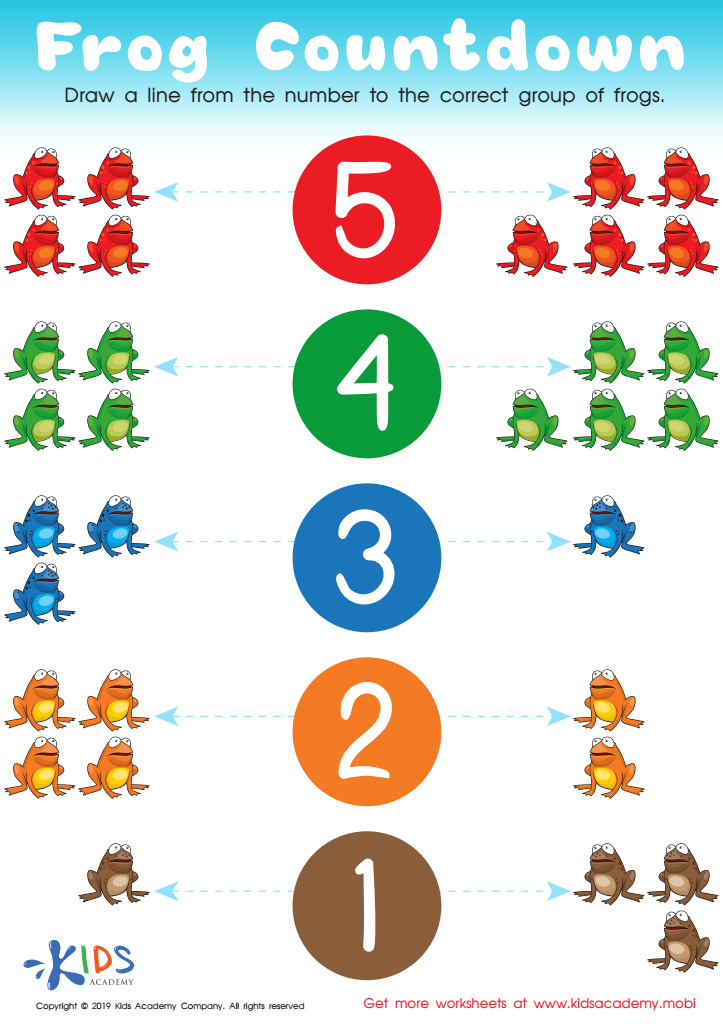
Frog Countdown Worksheet
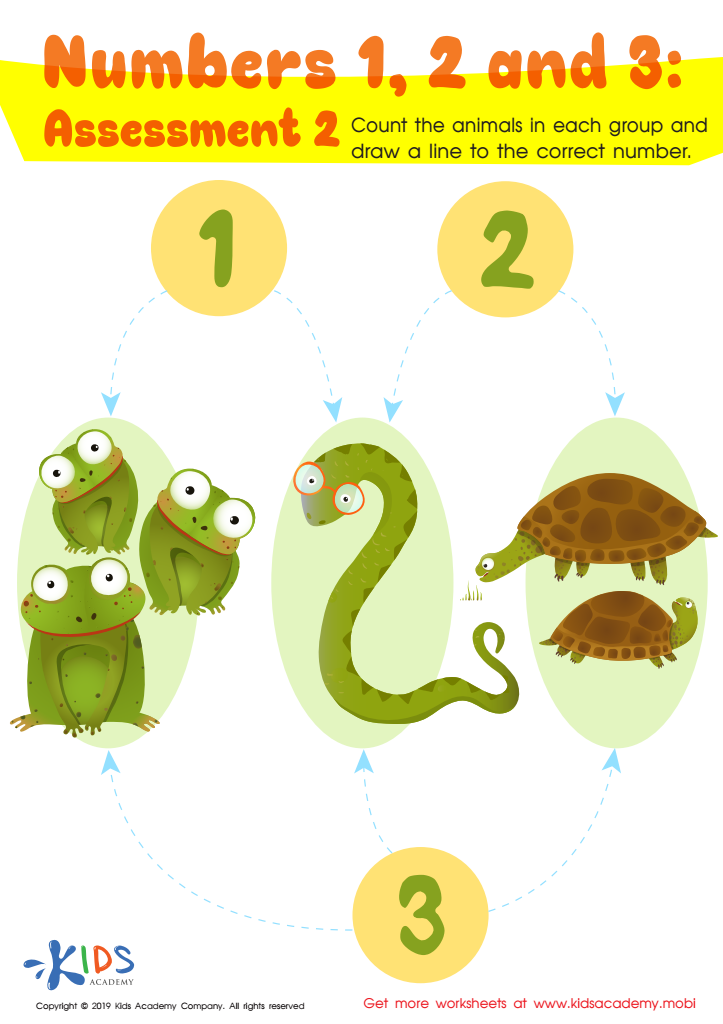
Numbers 1, 2 and 3: Assessment 2 Worksheet
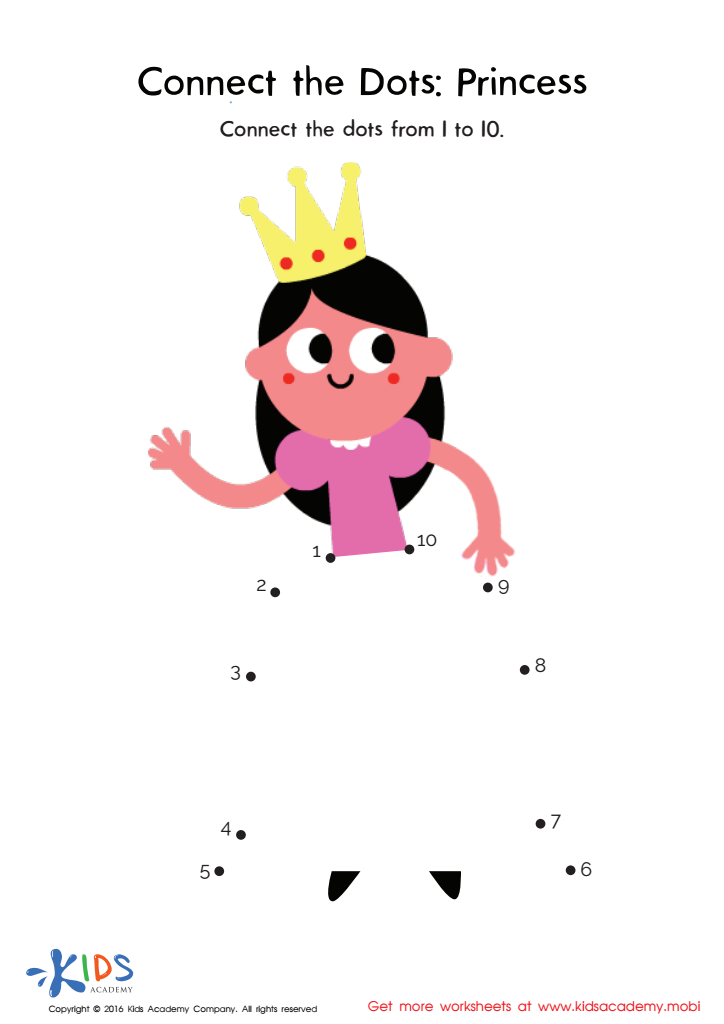
Princess Connect Dots Worksheet








Number sequencing from 0 to 10 is crucial for children aged 6 to 9, forming the foundation for their mathematical understanding and problem-solving skills. During this developmental stage, children are becoming more adept at recognizing patterns and relationships between numbers. Mastering sequencing enhances their ability to count, perform basic arithmetic, and understand the concept of order, which is essential for time management and organization in daily life.
Parents and teachers should focus on this skill because it spurs cognitive development and boosts confidence in mathematics. Children who grasp sequencing are more likely to succeed in later, more complex mathematical concepts like addition, subtraction, and eventually, multiplication. Furthermore, engaging with number sequences helps foster a love for learning numbers, easing the anxiety that often accompanies math subjects.
Moreover, sequencing activities can be integrated into various subjects and routines, making learning dynamic and fun. For example, using everyday items such as toys or snacks to practice can make the concept more relatable for kids. By prioritizing number sequencing, parents and educators not only enhance children's mathematic abilities but also promote critical thinking and lay the groundwork for future academic success. Thus, nurturing this skill early sets students on a path toward lifelong learning and achievement in math.