Understanding addition Place Value Worksheets for Ages 6-9
3 filtered results
-
From - To
Explore our "Understanding Addition Place Value Worksheets" designed specifically for children ages 6 to 9. These engaging worksheets introduce crucial math concepts, focusing on addition and place value. Young learners will enhance their mathematical skills by practicing how to break down numbers, understand the significance of each digit, and improve their problem-solving abilities. Through a variety of fun and interactive exercises, students will build a solid foundation in addition while mastering the concept of place value. Perfect for classroom or home use, these worksheets encourage confidence in mathematics, setting children up for success in their learning journey.
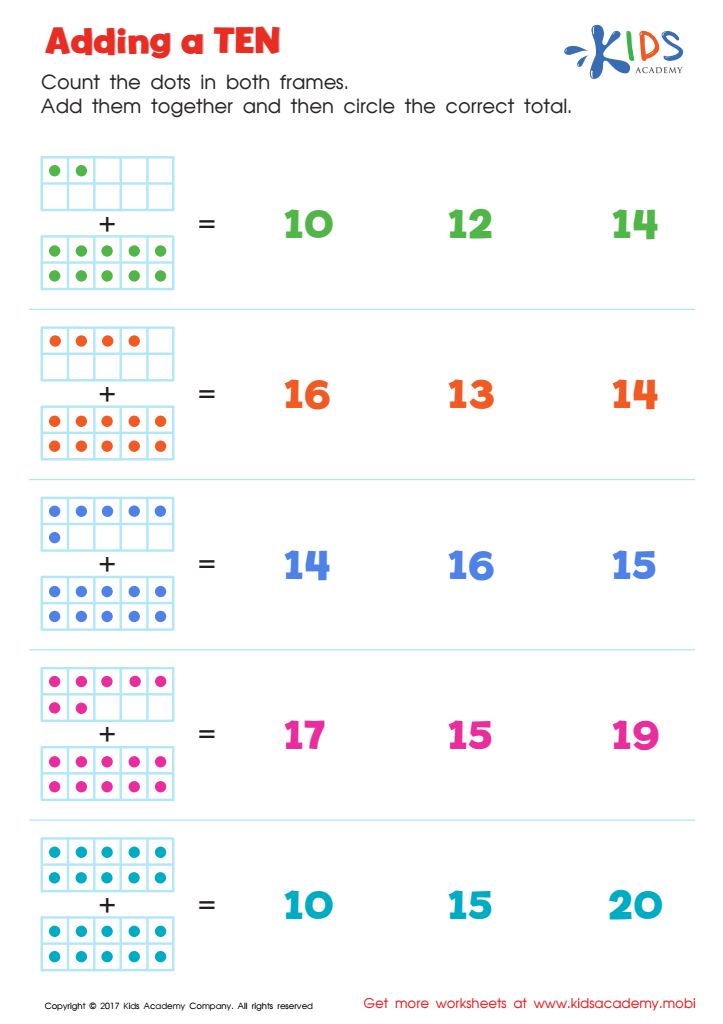
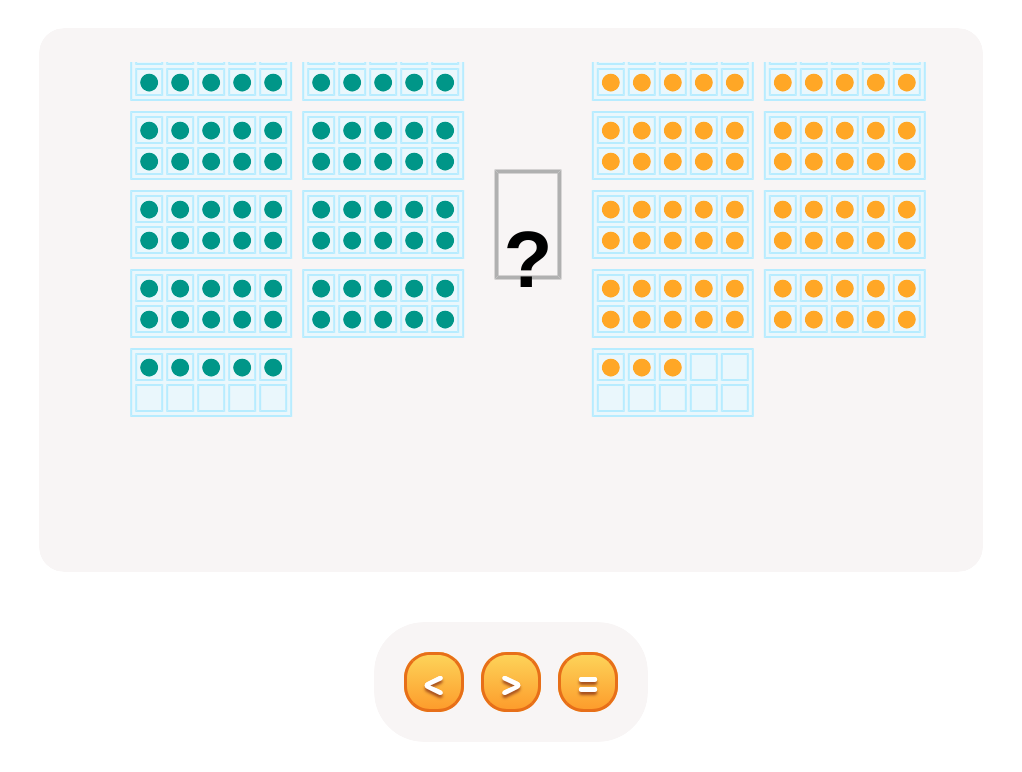
Adding a Ten Worksheet
 Assign to My Students
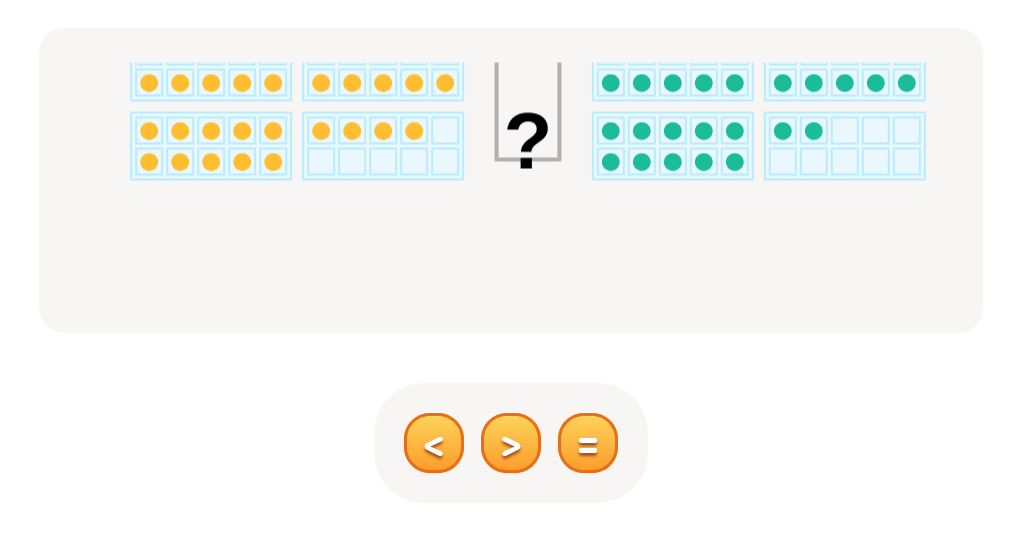

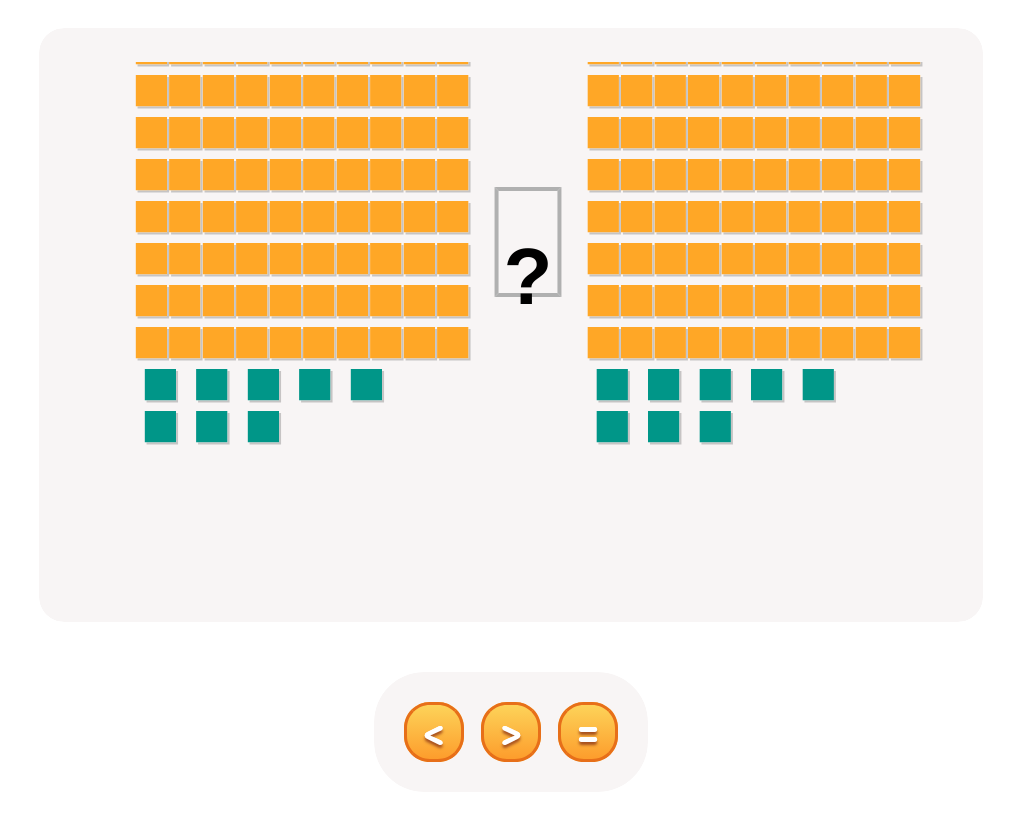
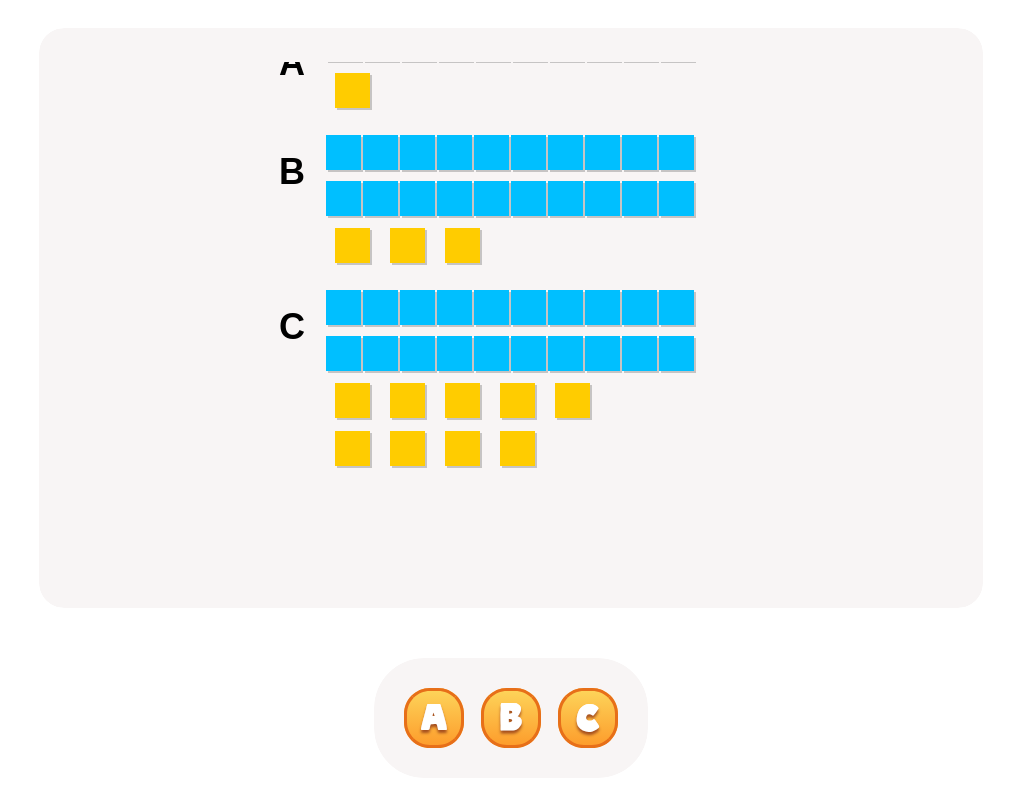
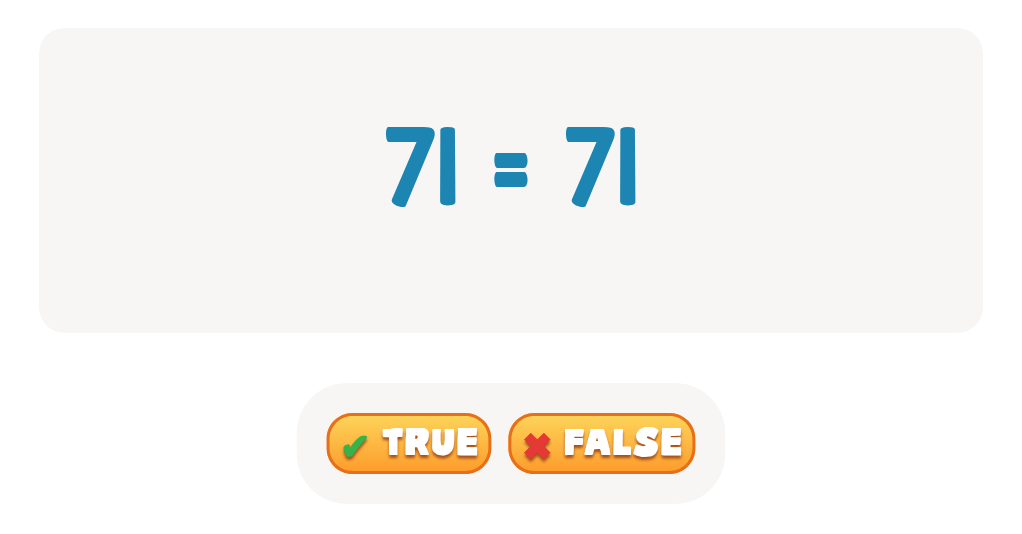
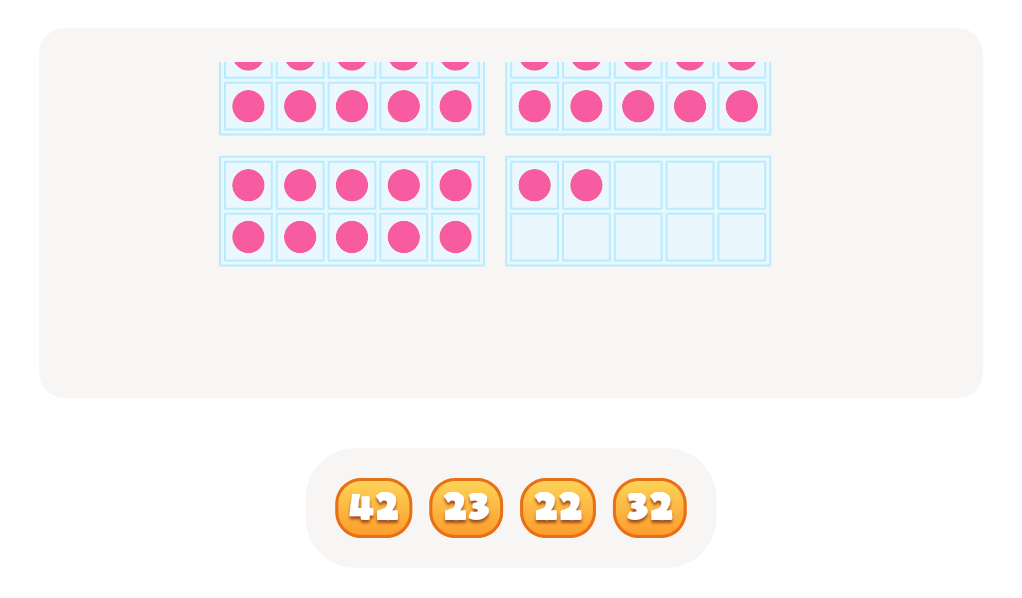
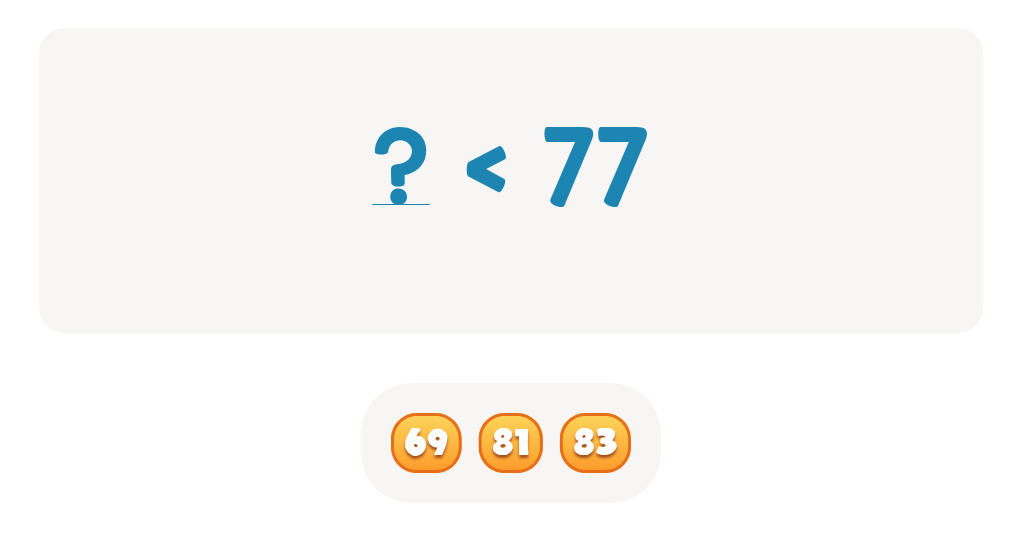
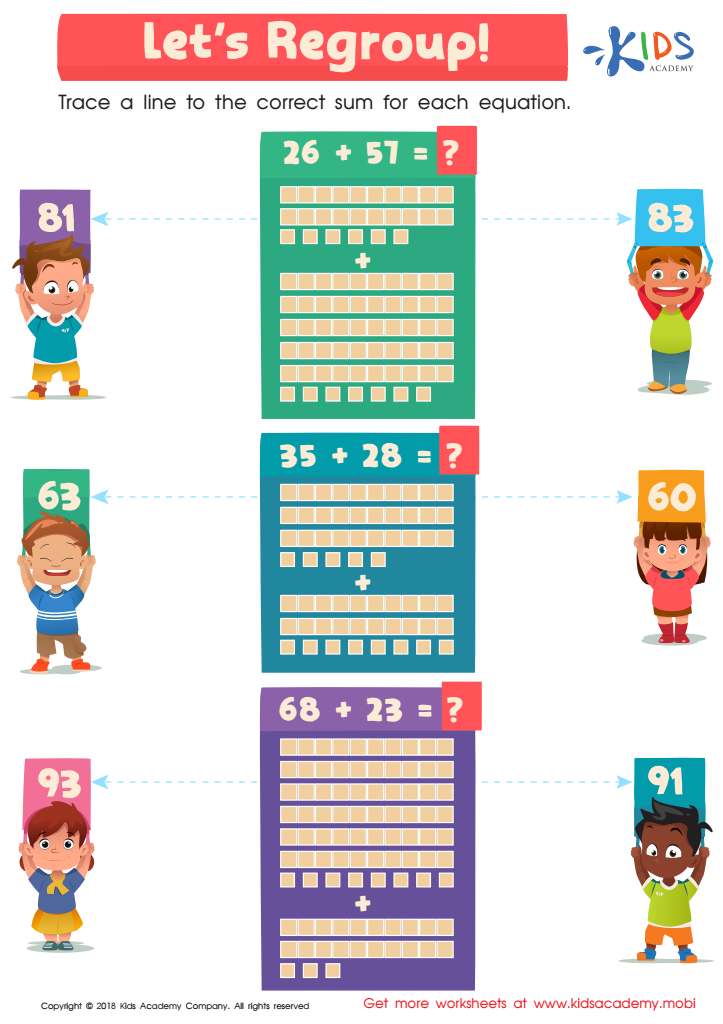
Let's Regroup Worksheet
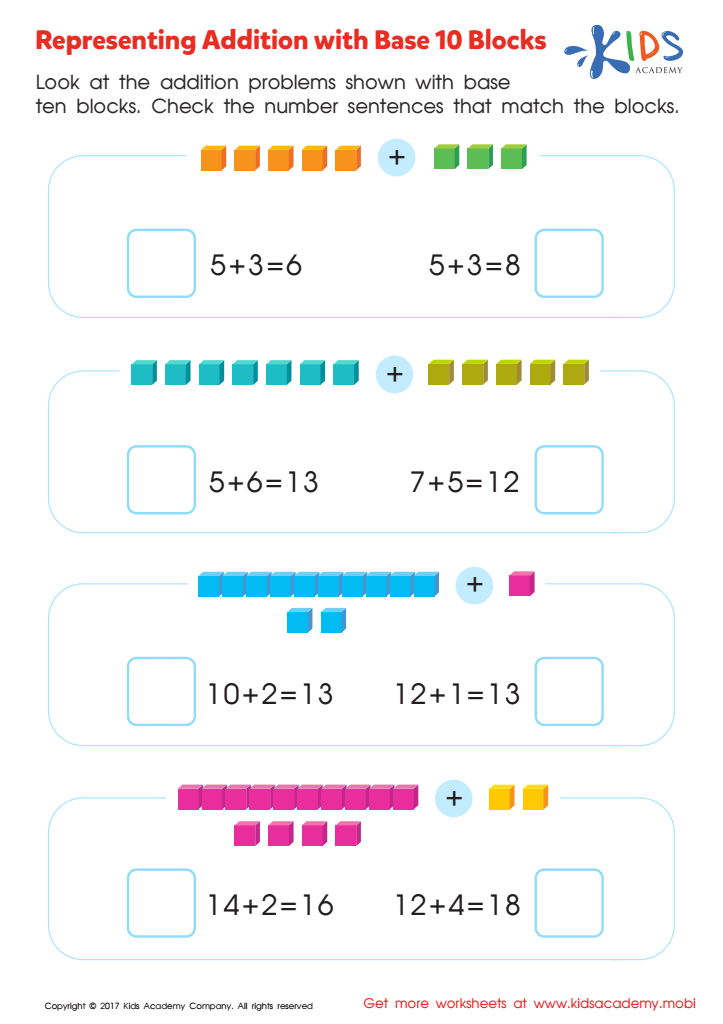
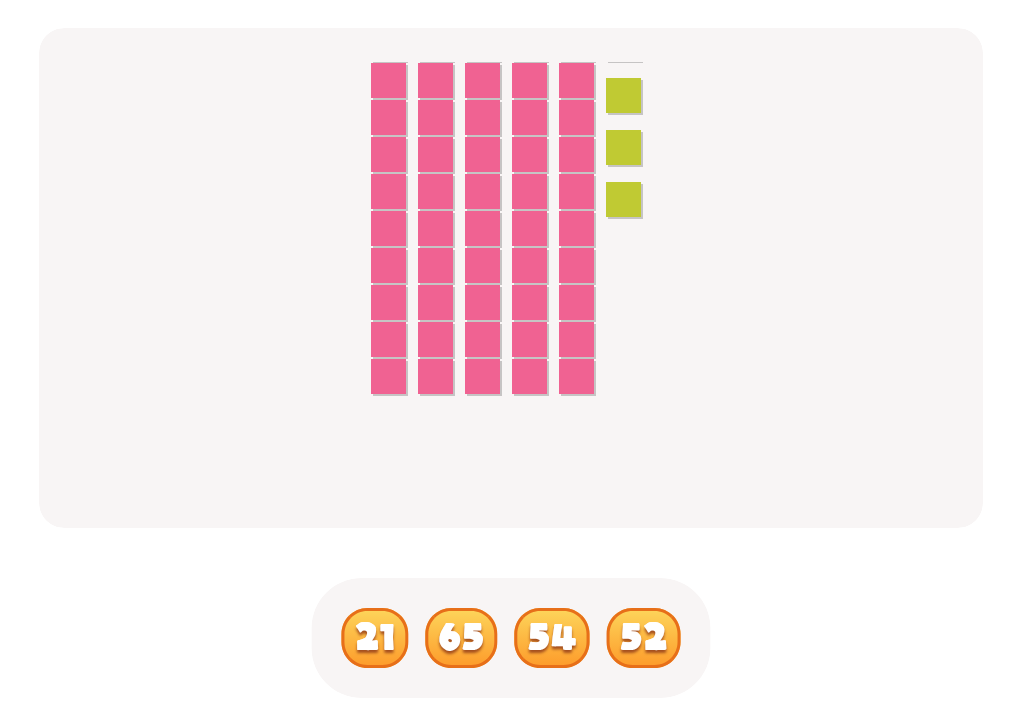
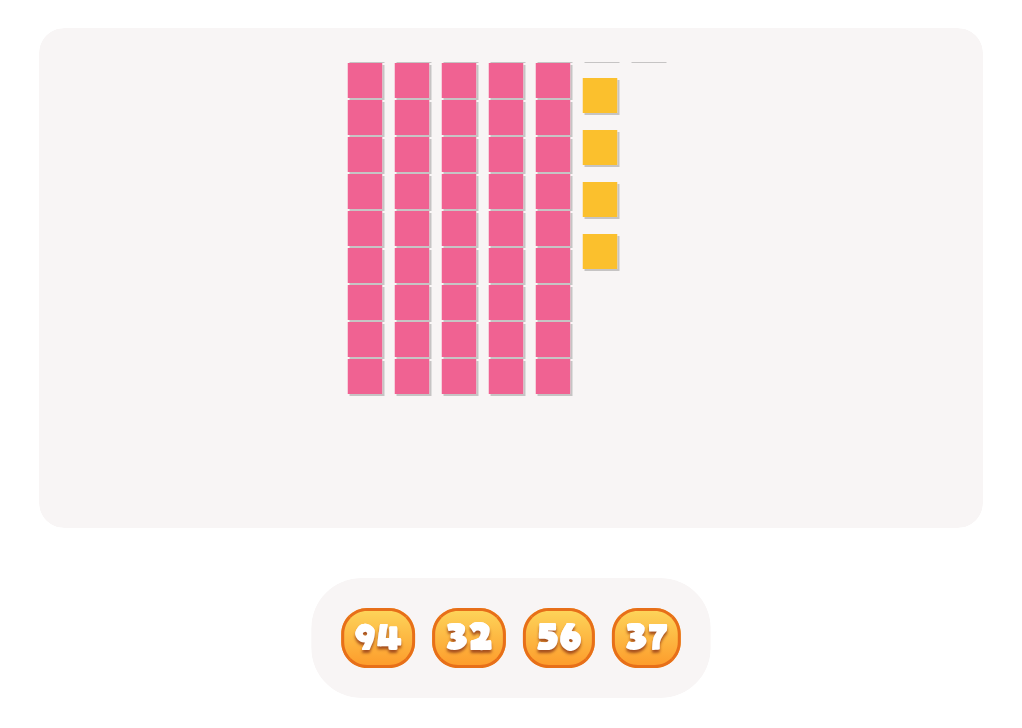
Representing Addition with Base 10 Blocks Worksheet








Understanding addition and place value is crucial for children aged 6 to 9 as it forms the foundation of their mathematical knowledge and skills. At this age, students transition from basic counting to more complex operations, and grasping place value is key to mastering addition, especially when working with larger numbers. Place value helps children understand that in a number, each digit represents a different quantity depending on its position, enabling them to add numbers accurately, regroup when necessary, and comprehend the concept of tens and ones.
For parents and teachers, promoting a strong grasp of addition and place value can lead to greater confidence and competence in mathematics. This foundational skill not only enhances children's calculation abilities but also fosters critical thinking and problem-solving skills. In turn, children who develop a strong understanding of these concepts are more prepared for upcoming math challenges, setting the stage for future success.
Additionally, early proficiency in math correlates with increased academic performance across various subjects. Engaging in activities that reinforce these concepts, such as games and real-life problem-solving, can make learning enjoyable and relatable. Therefore, both parents and teachers have an essential role in nurturing this foundational understanding to support children's long-term growth in mathematics.