
Addition Practice Building Vocabulary Worksheets for Ages 6-9
8 filtered results
Difficulty Level
Grade
Age
-
From - To
Subject
Activity
Standards
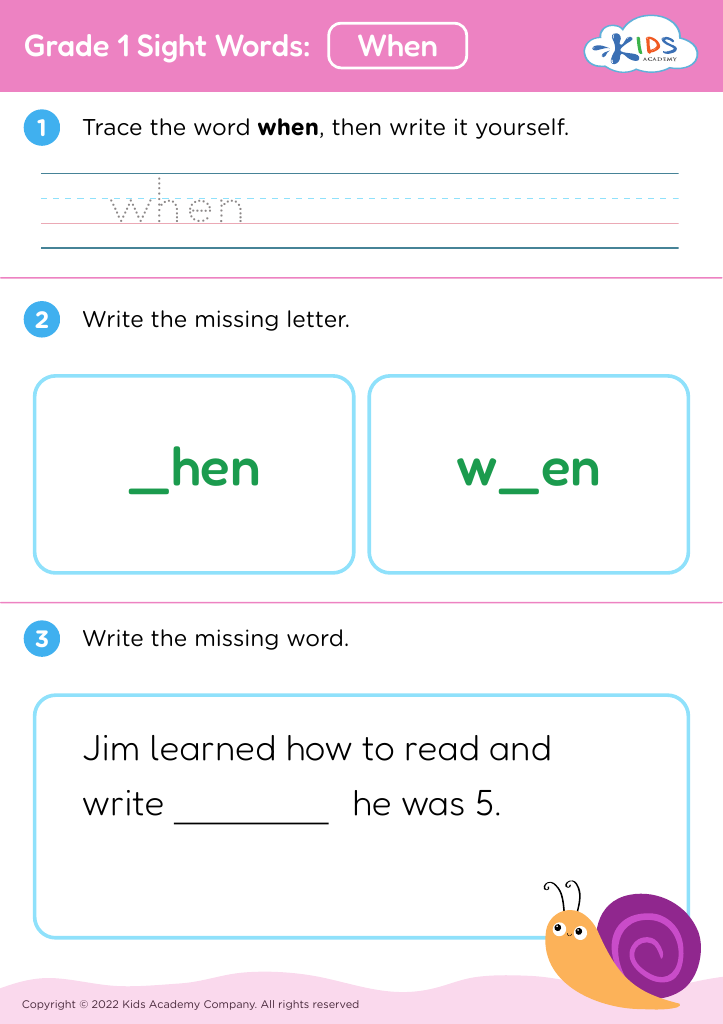
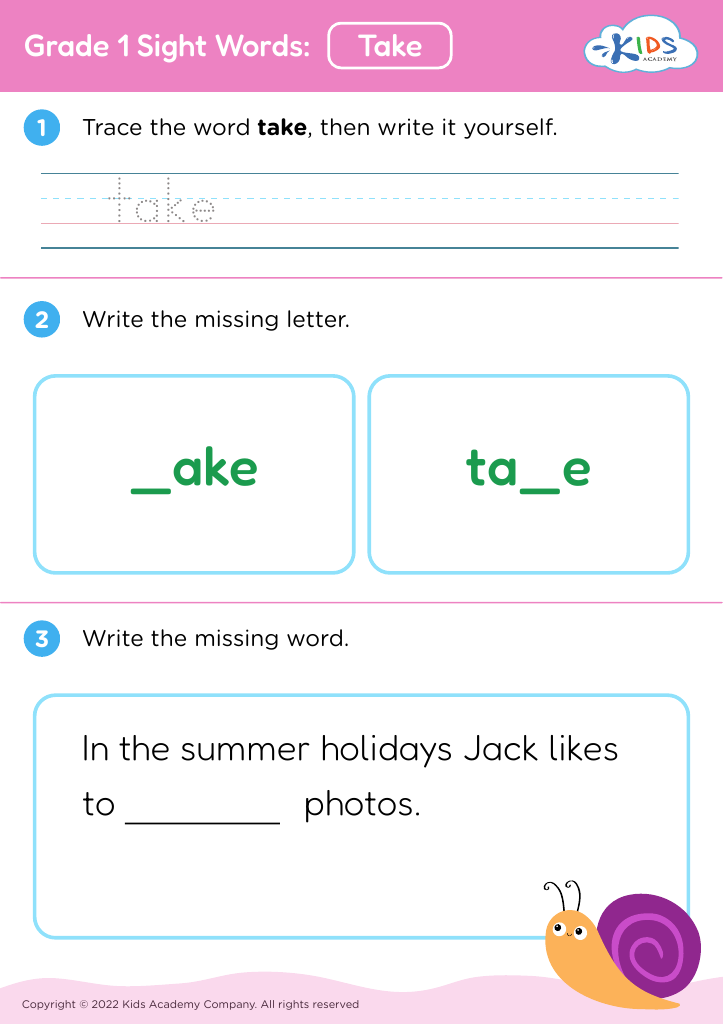
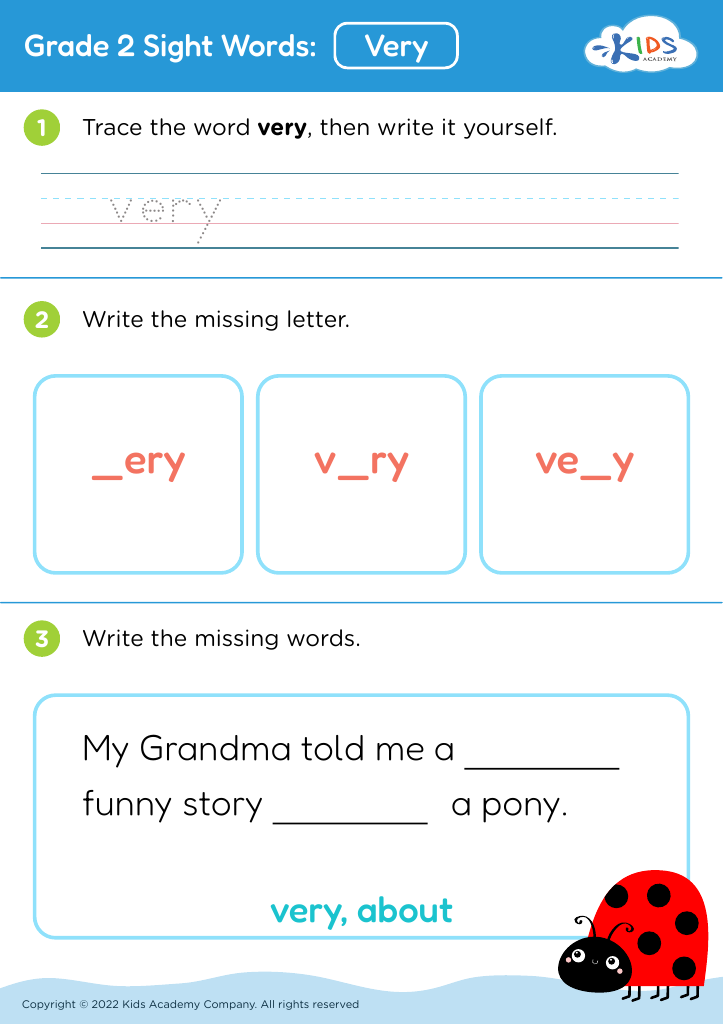
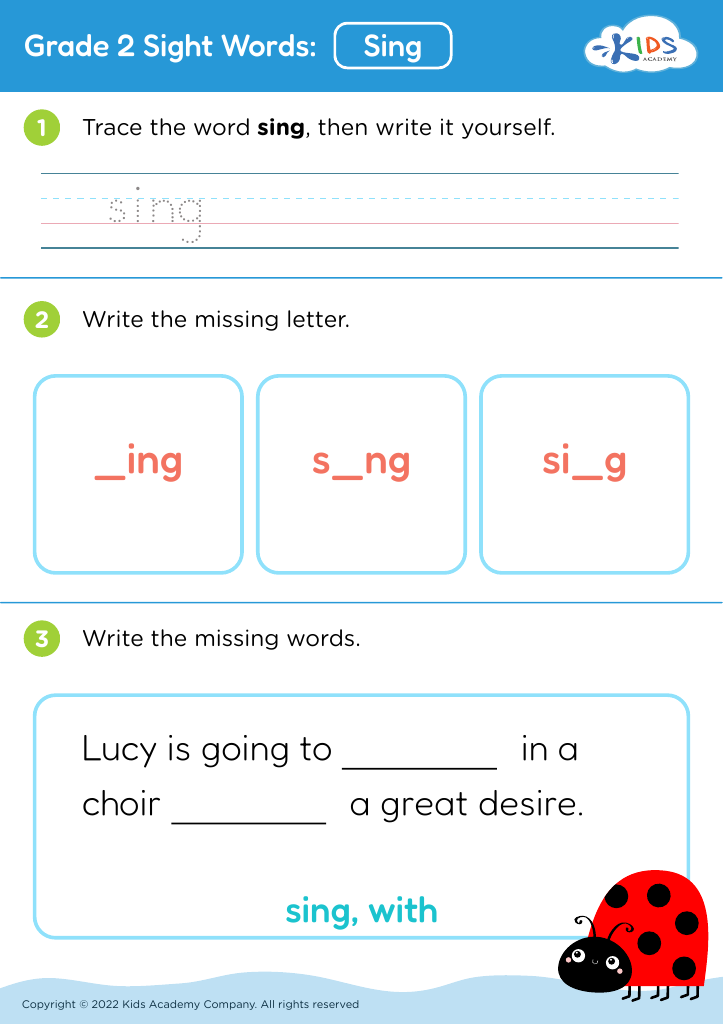
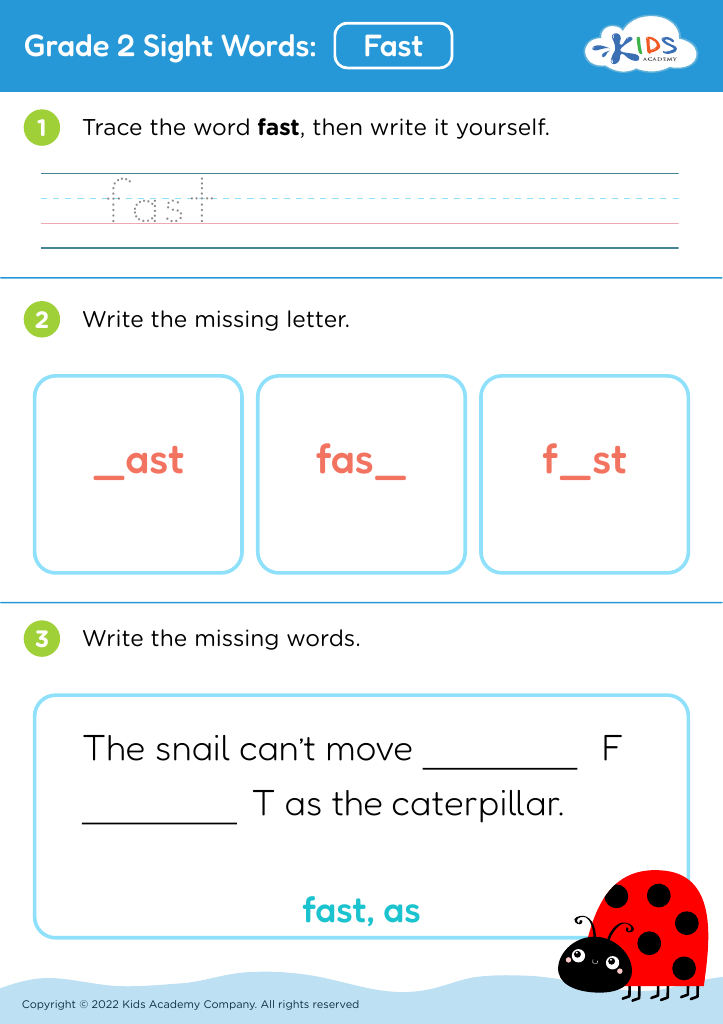
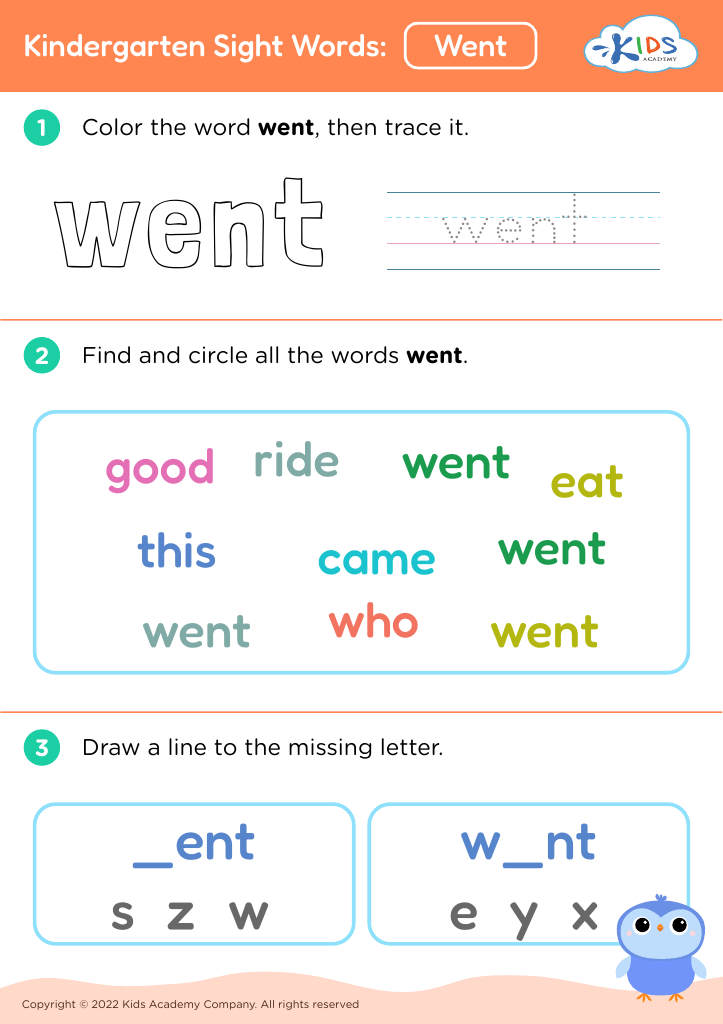
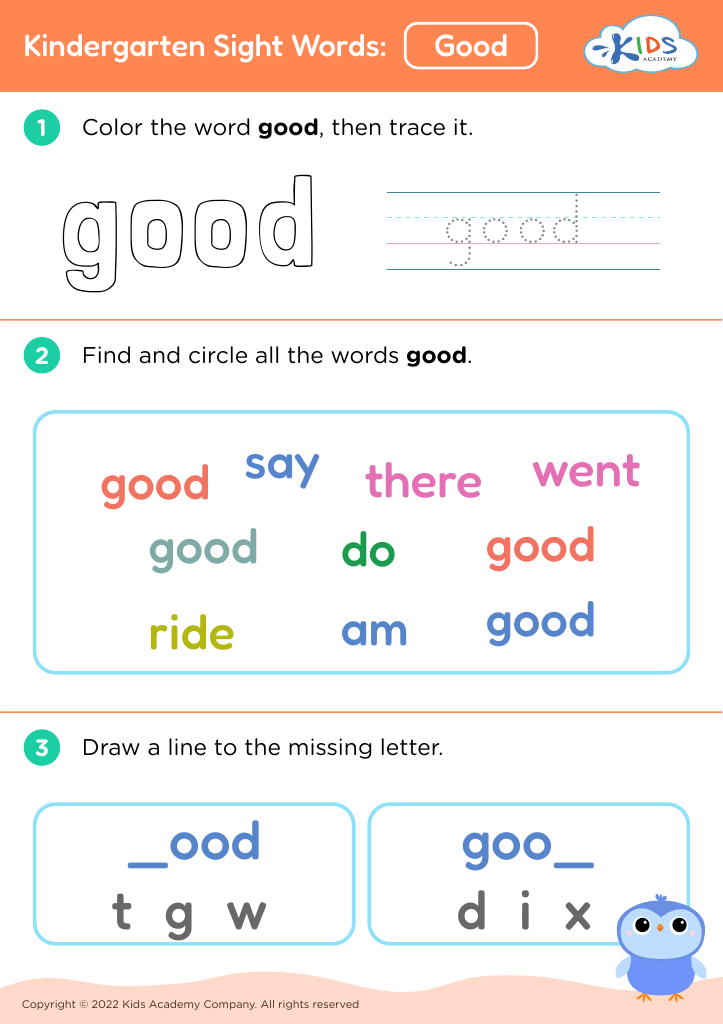
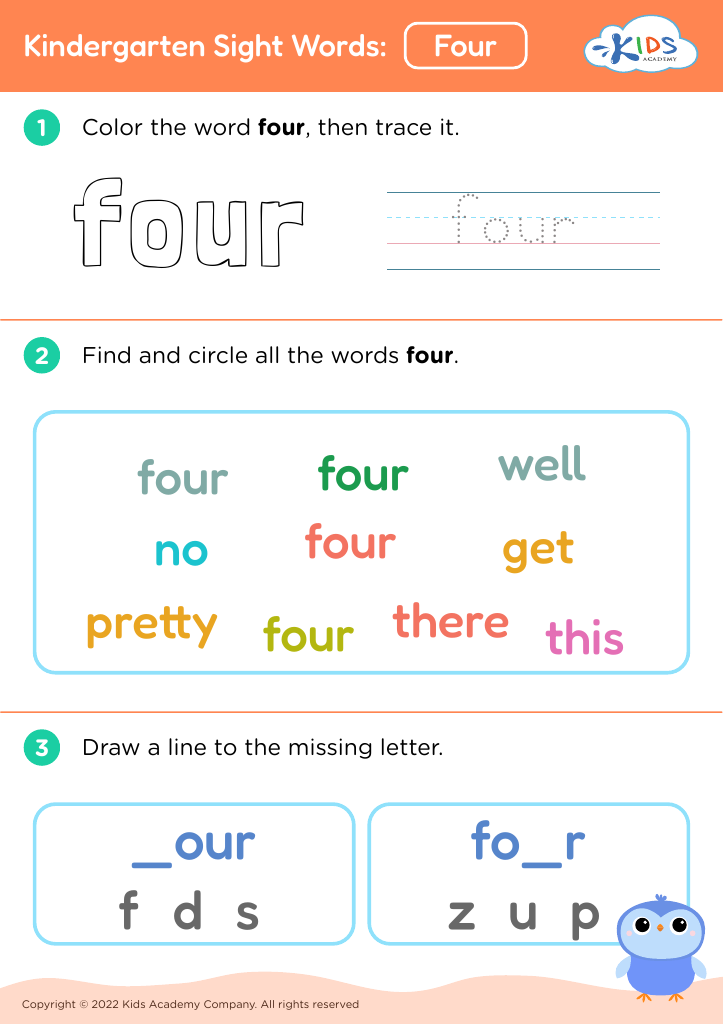
Enhance your child’s math skills and vocabulary with our Addition Practice Building Vocabulary Worksheets, designed for ages 6-9! These engaging and interactive worksheets blend math practice with language enrichment, helping young learners connect numbers with words effectively. Students will enjoy solving addition problems while simultaneously expanding their vocabulary through fun activities. Our thoughtfully crafted exercises support developmental milestones, promoting number sense and comprehension. Whether at home or in the classroom, these worksheets are perfect for reinforcing essential math concepts while encouraging language growth. Equip your child with the skills they need to succeed in both math and literacy with these versatile learning tools!
Favorites
With answer key
Interactive











Join Kids Academy for Free
Who is primarily going to use this learning content?




.jpg)



Addition Practice and Building Vocabulary are crucial components of a child's early education, particularly for ages 6-9. This developmental stage is foundational, where children acquire fundamental skills that pave the way for future academic success.
Firstly, mastering addition enhances a child’s numerical fluency, critical for more complex mathematical concepts. Regular practice reinforces their understanding, helping them to approach problems with confidence and speed. Confidence in math can also positively impact other academic areas that require logical thinking and problem-solving skills.
Simultaneously, building vocabulary is equally imperative during these formative years. A rich vocabulary empowers children to express themselves clearly and understand diverse texts. Language skills are intertwined with their ability to comprehend math problems, as many require reading and interpreting language.
Furthermore, fostering both math and language skills can create well-rounded learners. Children develop critical thinking skills and the ability to connect concepts, which are essential for lifelong learning.
By prioritizing Addition Practice alongside vocabulary enrichment, parents and teachers are not only preparing children for immediate academic challenges but also ensuring they develop the skills necessary for future educational endeavors and everyday problem-solving. This dual approach will help children thrive both inside and outside the classroom.








