Attention to Detail Building Vocabulary Worksheets for Ages 6-9
5 filtered results
-
From - To
Improve your child's reading skills with our "Attention to Detail Building Vocabulary Worksheets for Ages 6-9". These engaging, educator-designed worksheets are crafted to enhance focus, improve vocabulary, and boost comprehension. It encourages meticulous reading and critical thinking through fun and interactive exercises. Perfect for young learners, our worksheets make learning enjoyable and effective, helping kids aged 6-9 grasp new words and their meanings while developing a keen eye for detail. With various themes and activities, your child will explore language in an entertaining and educational way. Strengthen their reading foundation with these crucial vocabulary-building resources today!

The Dog and His Bone Worksheet
 Assign to My Students











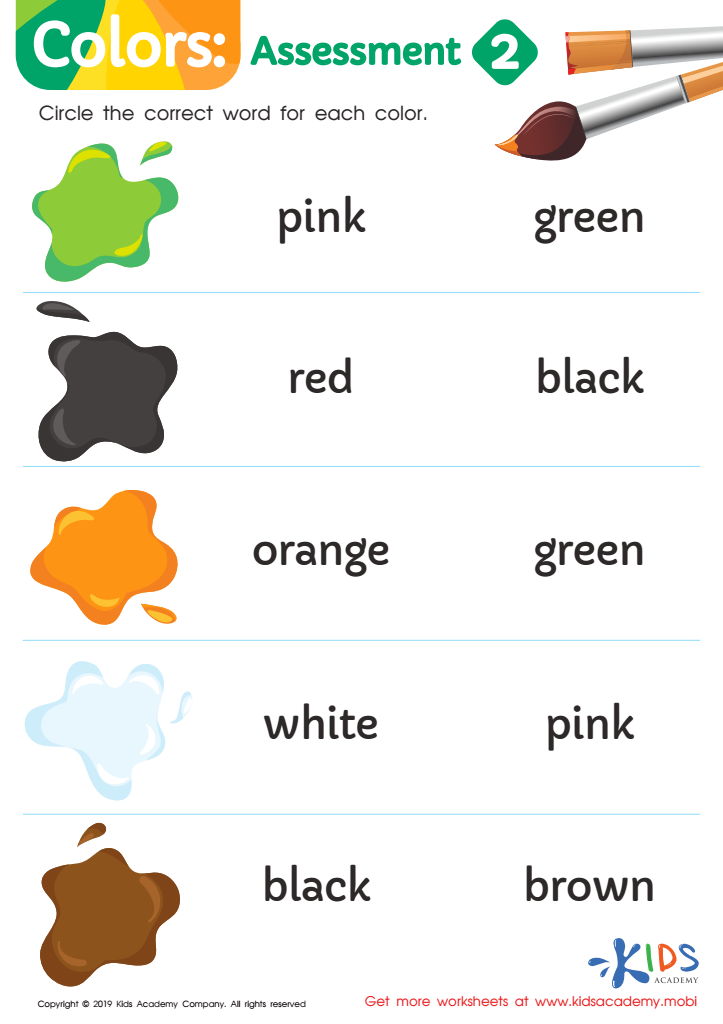
Colors: Assessment 2 Worksheet
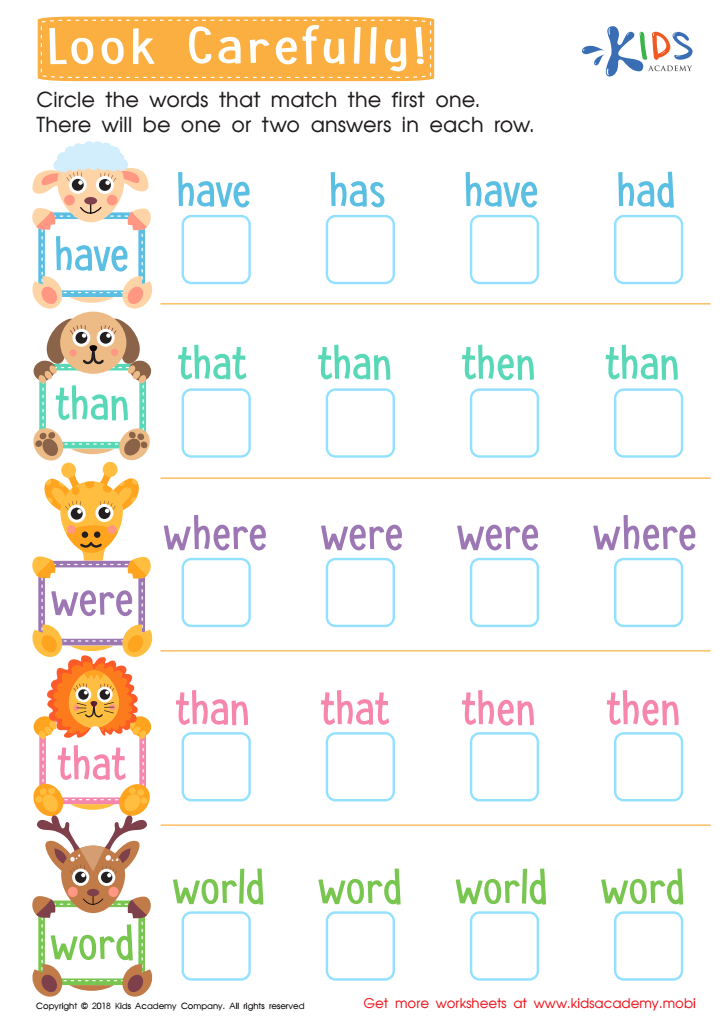
Look Carefully Worksheet
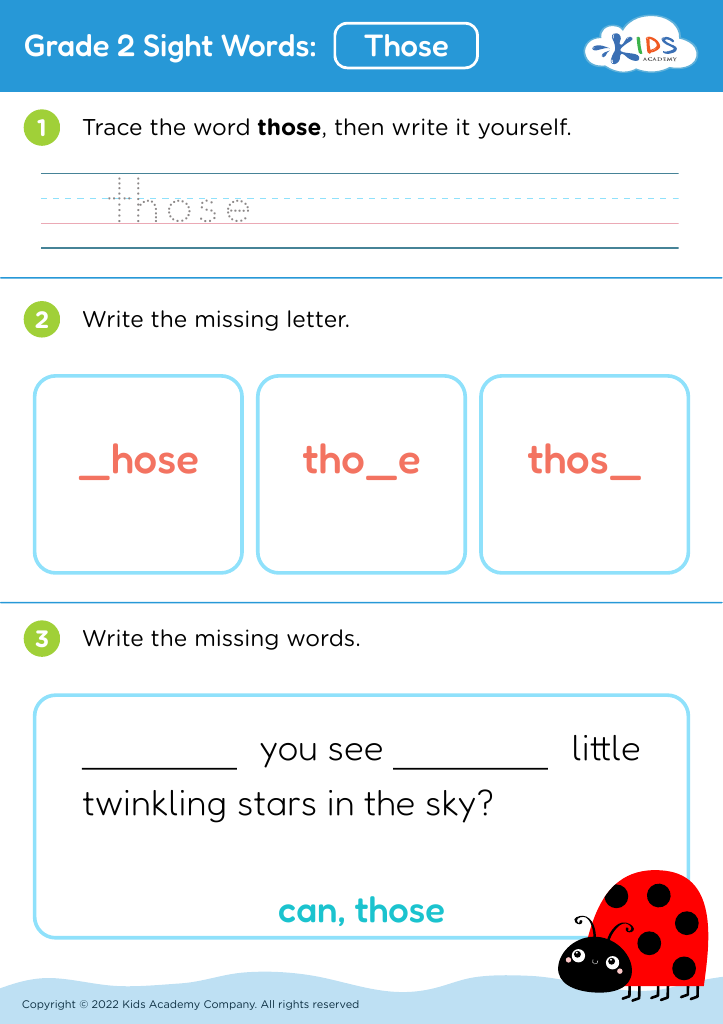
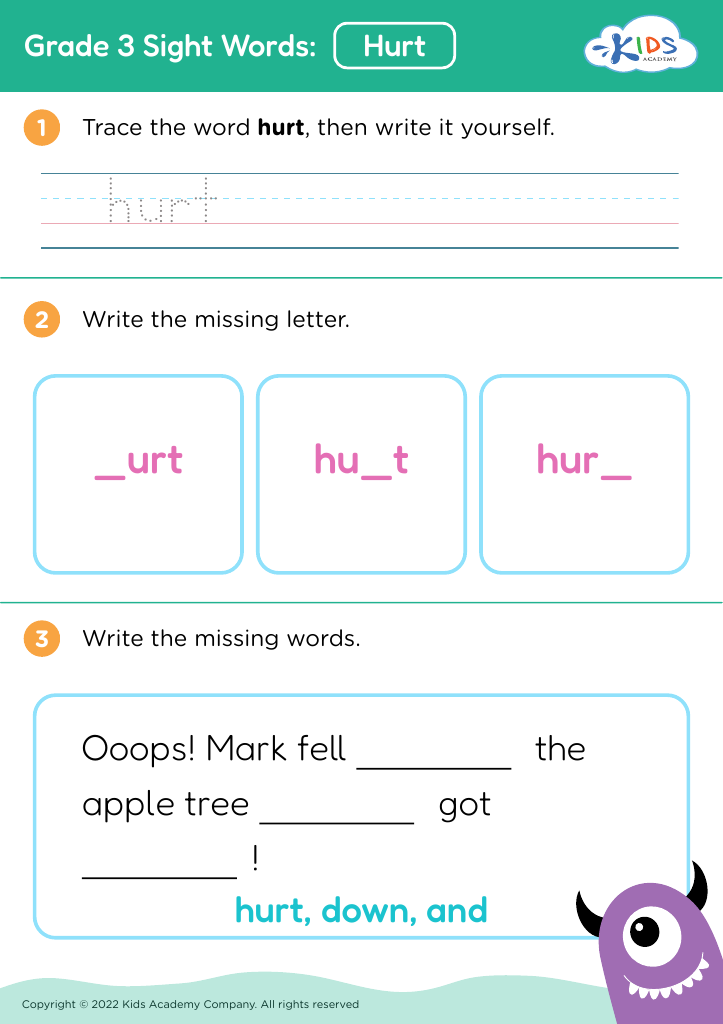








Attention to detail and building vocabulary in children aged 6-9 are crucial aspects of their development for several reasons. Firstly, this is a pivotal time when children transition from learning to read to reading to learn. A rich vocabulary becomes the foundation for understanding complex texts, enhancing comprehension, and fostering a lifelong love of reading. When children pay attention to details in words, they notice spellings, meanings, and contextual uses, which enriches their language skills.
Moreover, vocabulary is intricately linked to academic success across all subjects. Words are the fundamental tools for expressing ideas, whether in science, math, social studies, or art. Attention to detail helps children accurately follow instructions, comprehend questions, and articulate thoughtful responses, thereby improving their overall academic performance.
Attention to detail also nurtures critical thinking and problem-solving abilities. By focusing on specifics, children learn to observe patterns, differentiate between similar concepts, and make informed decisions. These skills are essential not only in academics but also in everyday life.
Furthermore, a robust vocabulary benefits social development. It empowers children to communicate effectively, express their emotions, and engage in meaningful conversations, fostering better relationships with peers and adults.
Parents and teachers should therefore prioritize nurturing attention to detail and building vocabulary, recognizing their vital roles in shaping well-rounded, capable, and confident individuals.








