Comparing Fractions Building Vocabulary Worksheets for Ages 6-9
31 filtered results
-
From - To
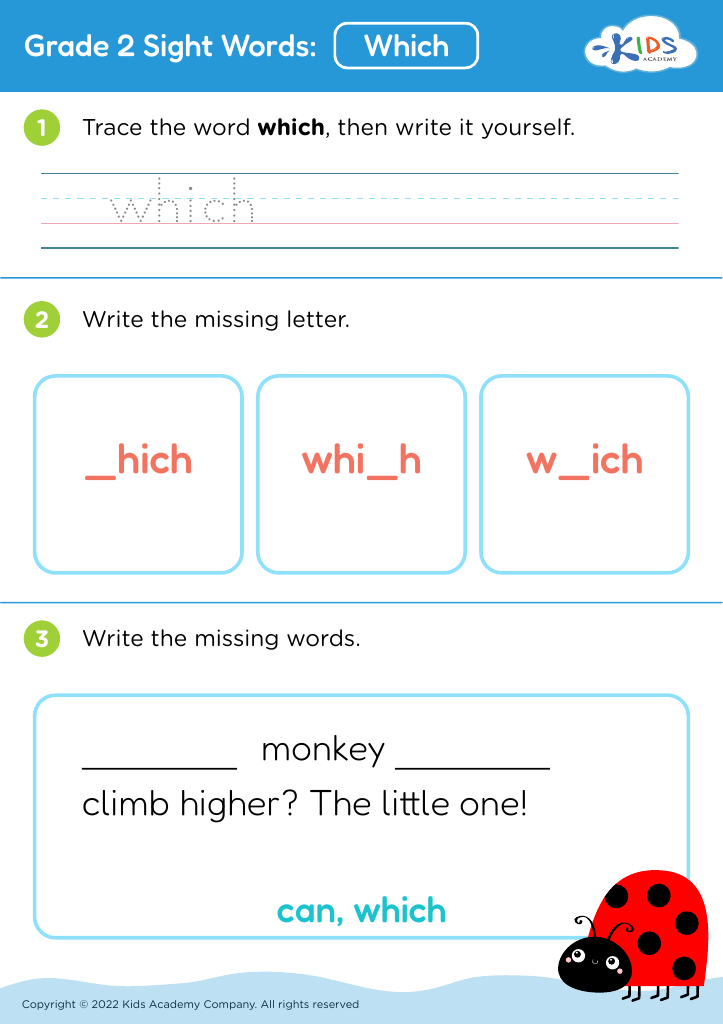
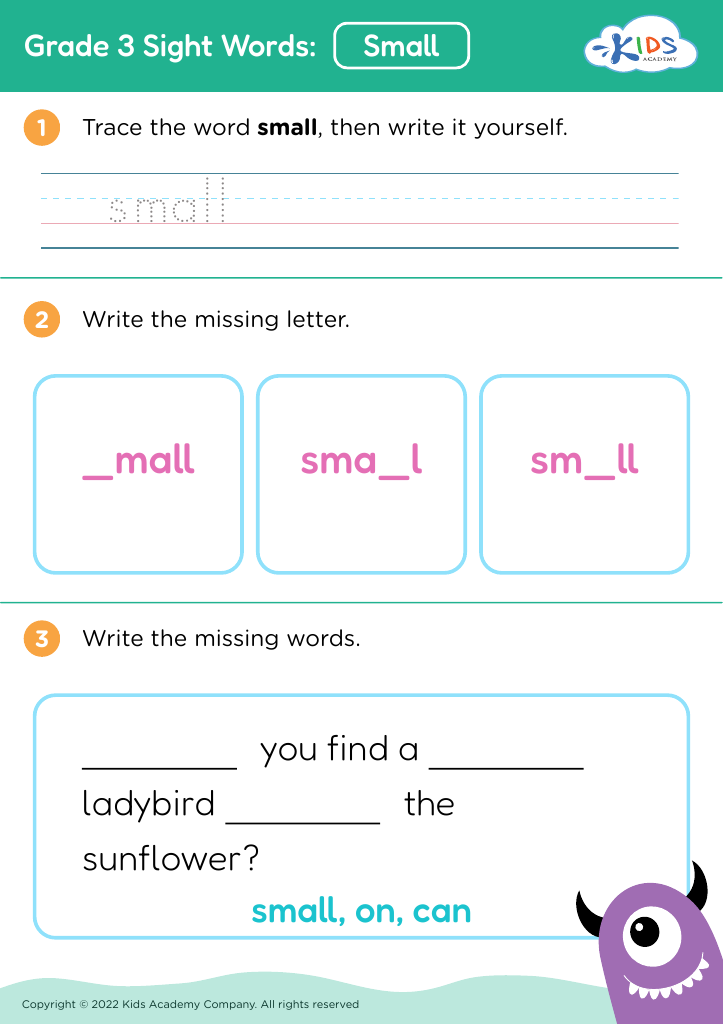
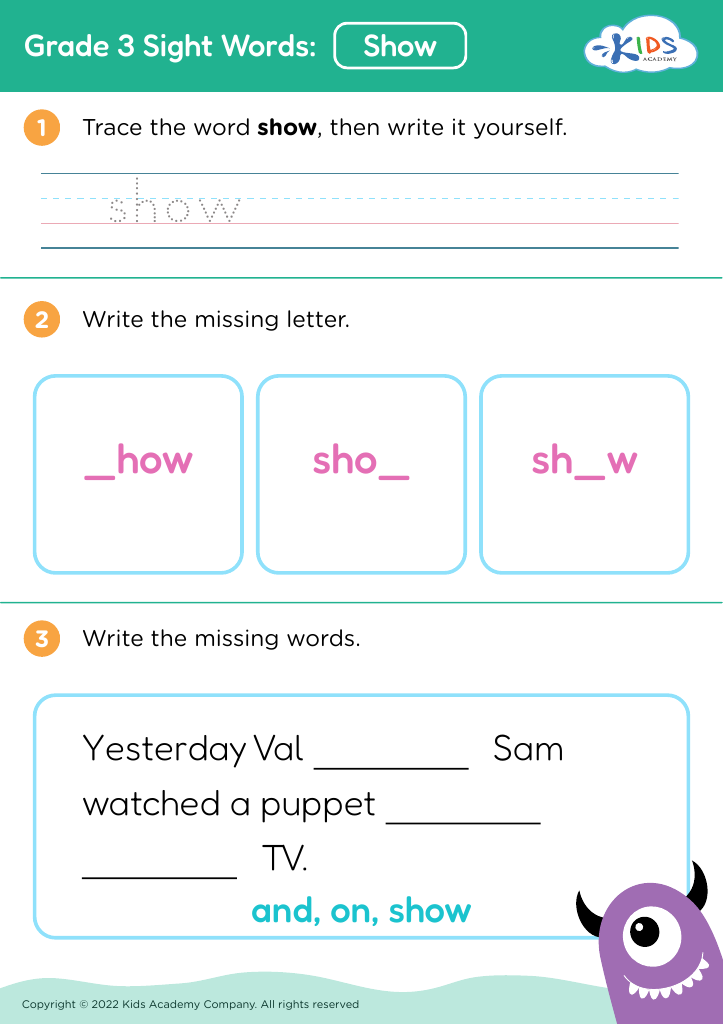
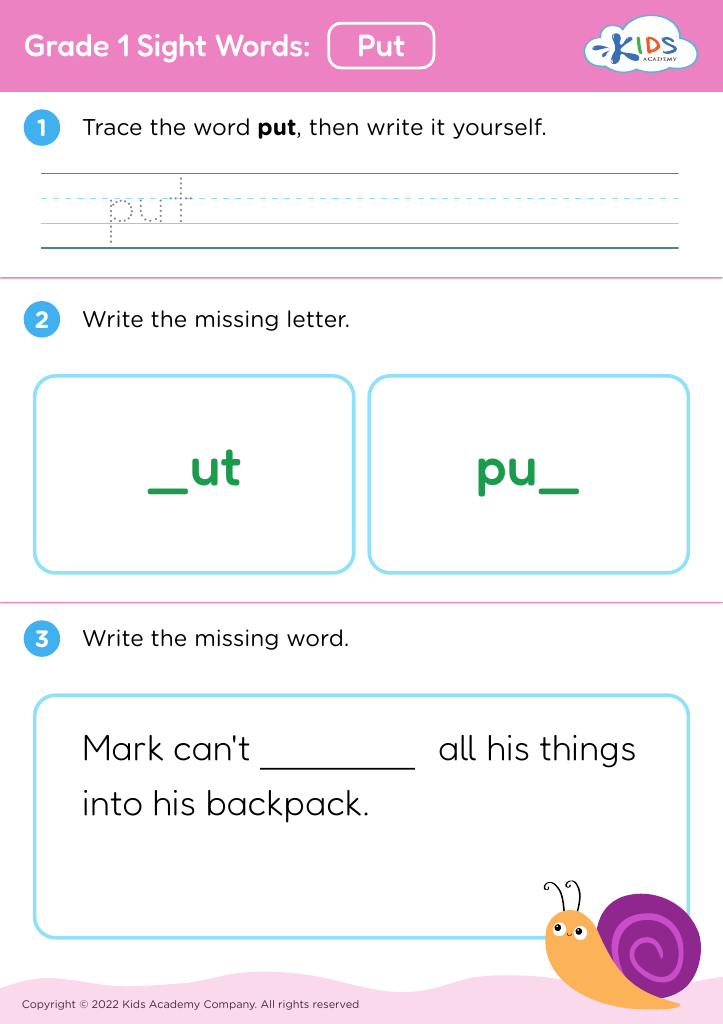
Discover the perfect engaging worksheets to help young learners aged 6-9 master the concept of comparing fractions! Our Comparing Fractions Building Vocabulary Worksheets are designed to develop essential math and language skills simultaneously. Through these innovative and interactive activities, children will enhance their understanding of fractions while building a robust math vocabulary. Our colorful and lively worksheets make learning fun, encouraging kids to explore fractions with confidence. Ideal for classroom or home use, these printable PDFs offer a structured approach tailored to young minds. Set your child on the path to success with Kids Academy's exceptional resources!


















Comparing fractions and building vocabulary in the early grades is crucial for several reasons. It establishes a strong mathematical foundation, which is essential for young learners. Understanding fractions involves recognizing parts of a whole, which is a key concept that extends to various areas of mathematics, such as division, ratios, and percentages. When children first encounter fractions, they often find it abstract and challenging. Therefore, a solid vocabulary assists in demystifying these concepts.
For ages 6-9, developing a robust mathematical vocabulary helps children articulate their understanding and questions clearly. Terms such as "numerator," "denominator," "greater than," "less than," and "equivalent" become essential tools that enable them to engage more deeply with the material. This linguistic foundation allows them to discuss and reason about math problems with accuracy and confidence.
Moreover, proficiency in discussing fractions aids in problem-solving and critical thinking. It increases the capacity to compare, order, and simplify fractions, making them adept at navigating more complex mathematical ideas as they progress academically. For parents and teachers, focusing on these areas nurtures a child's growth mindset and encourages a love for learning math, fostering an academic environment where children feel empowered to tackle challenging concepts with language as a supportive pillar.








