Counting practice Building Vocabulary Worksheets for Ages 6-9
11 filtered results
-
From - To
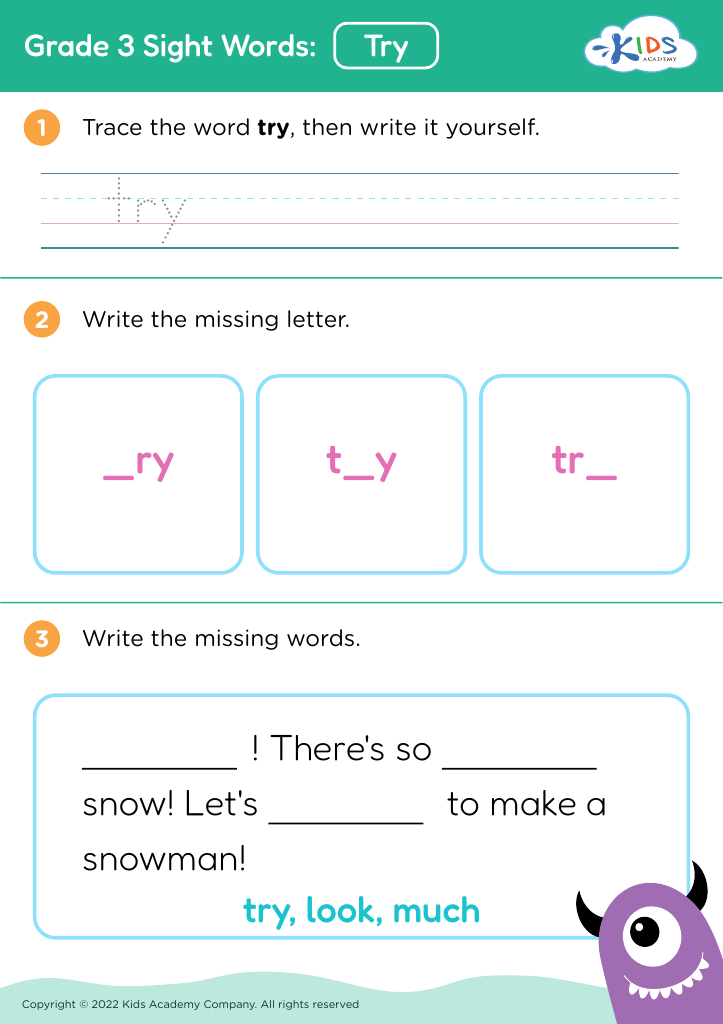
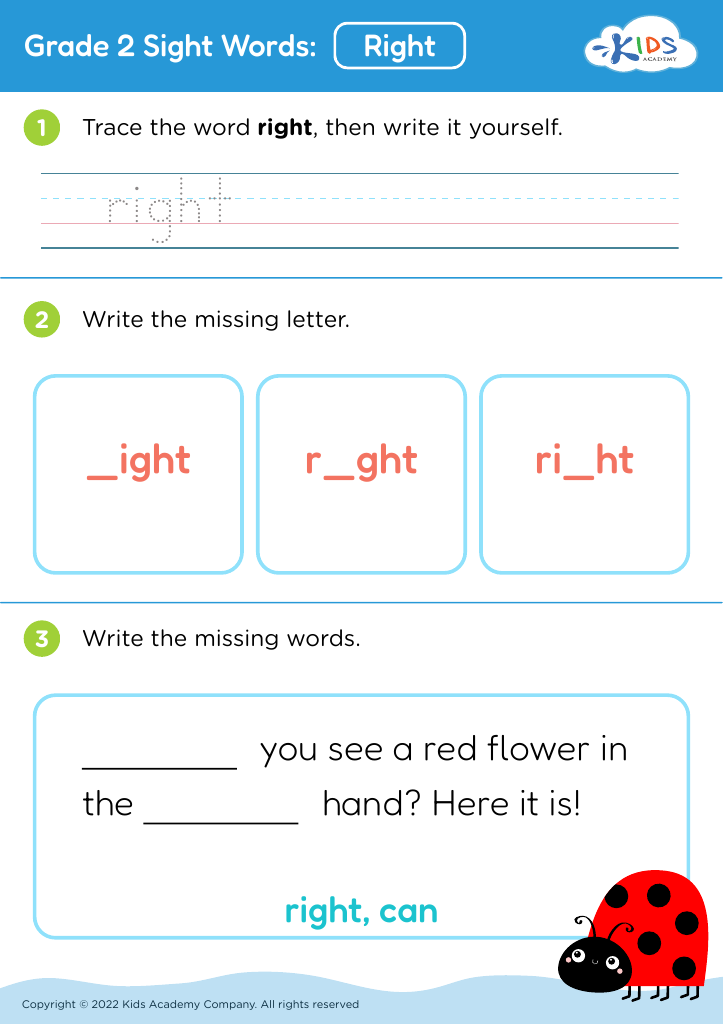
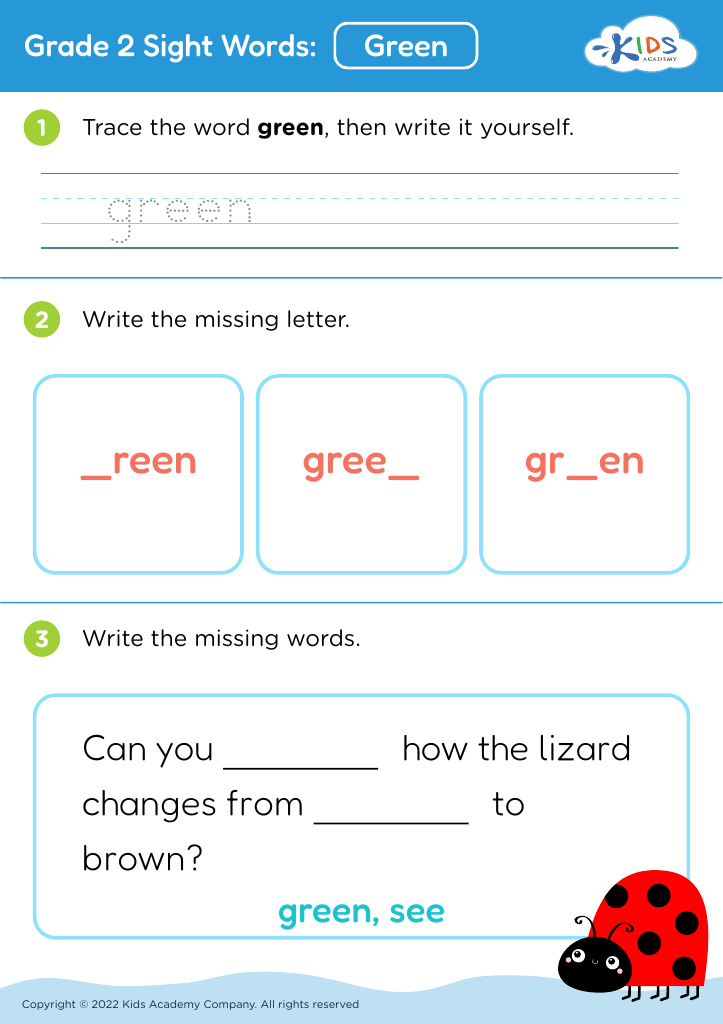
Enhance your child's vocabulary and counting skills with our unique "Counting Practice Building Vocabulary Worksheets for Ages 6-9". These engaging worksheets seamlessly combine fun and education, helping young learners to develop essential skills. Each printable activity guides children through counting exercises while introducing new words, fostering both numerical and verbal proficiency. Parents and teachers alike will appreciate the user-friendly design, which ensures effective learning. Perfect for classroom or at-home use, these worksheets offer a customizable experience to support your child's individual learning path. Build a strong educational foundation with our innovative and interactive resources.
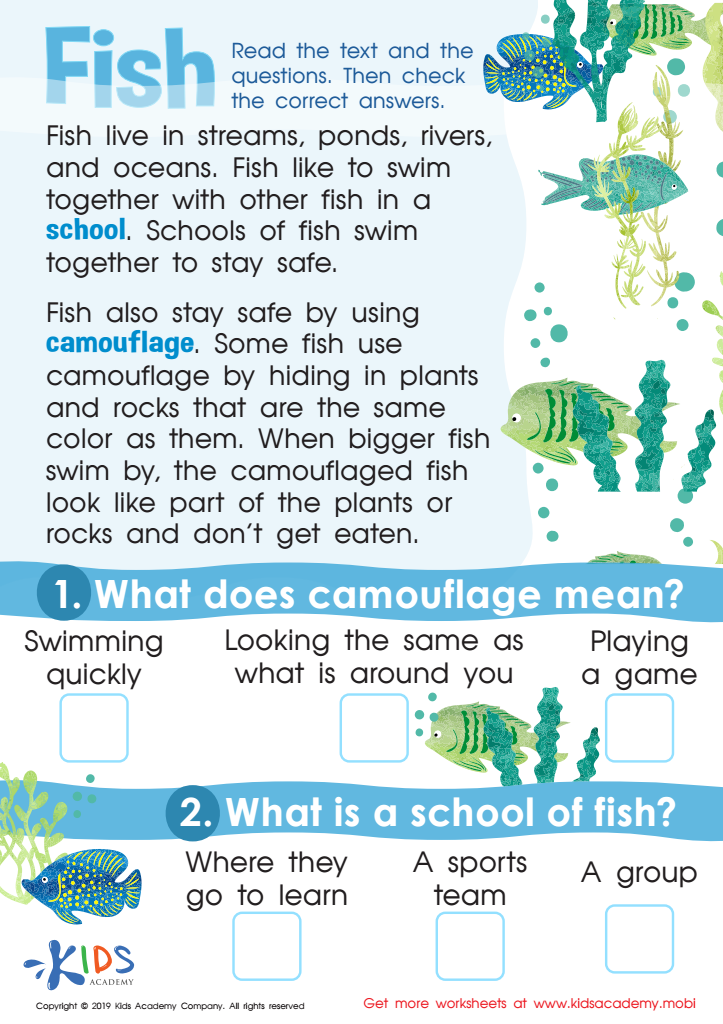
Fish Worksheet
 Assign to My Students











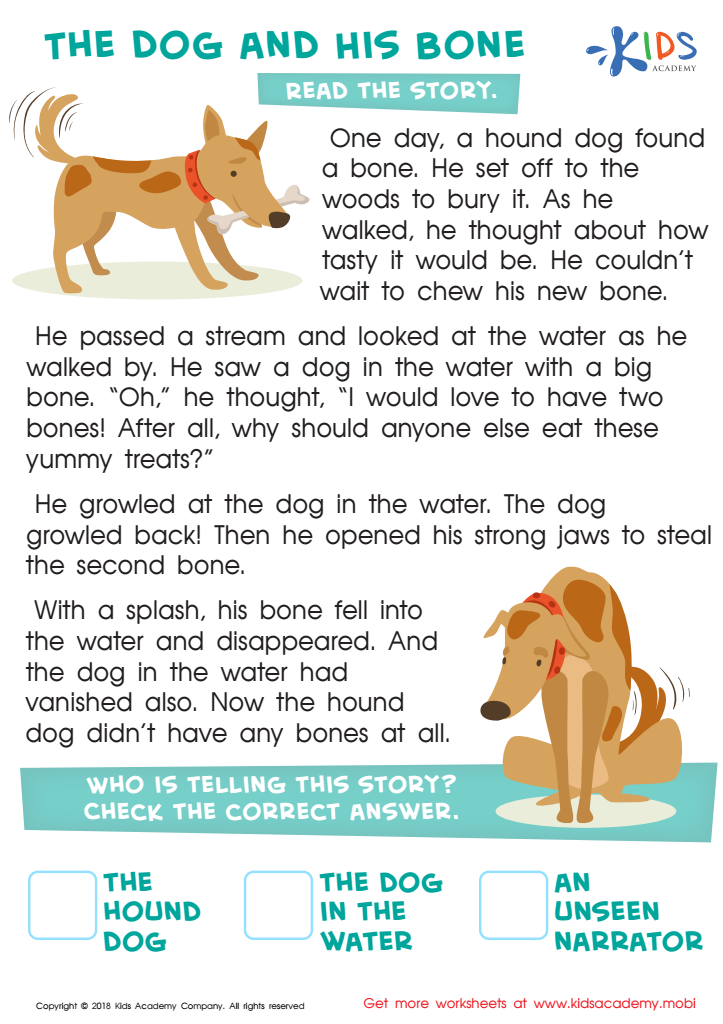
The Dog and His Bone Worksheet
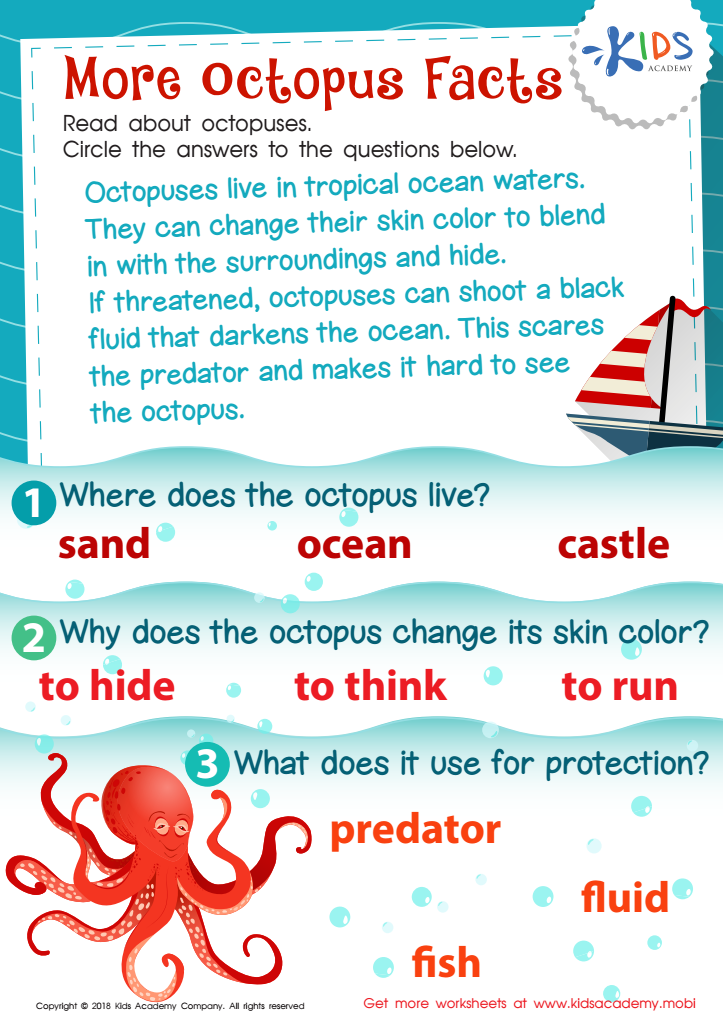
More Octopus Facts Worksheet
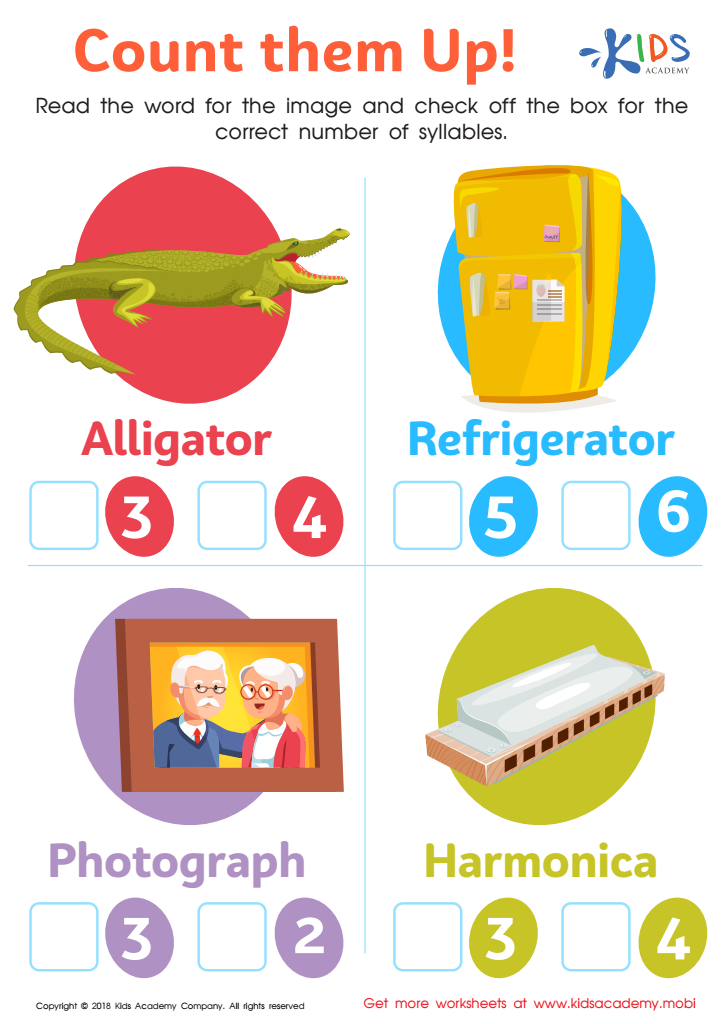
Count Them Up Worksheet






.jpg)

Counting practice and vocabulary building are foundational for children ages 6-9, and both parents and teachers play crucial roles in supporting these skills.
For math readiness, counting practice lays the groundwork for understanding more complex concepts such as addition, subtraction, and number sense. Fluent counting forms the basis for these operations, enabling kids to tackle problems with confidence. Children who regularly practice counting develop better number recognition and improve their ability to follow mathematical reasoning, which is critical for future success in STEM subjects.
Vocabulary building is equally important, as it enhances a child’s communication, reading, and comprehension skills. A rich vocabulary allows children to express themselves more clearly and understand others better, fostering effective communication. It supports reading development because understanding words helps with interpreting texts, leading to better academic performance across subjects. Engaging children in activities that build vocabulary, like storytelling and interactive discussions, enriches their language abilities.
Parents and teachers should collaborate to create a balanced, engaging educational environment that incorporates both counting practice and vocabulary development. Activities like counting games, reading together, and interactive conversations can make learning fun and effective. Investing time in these foundational skills ensures children are well-prepared for future academic challenges and everyday problem-solving.








