Geography knowledge Building Vocabulary Worksheets for Ages 6-9
5 filtered results
-
From - To
Discover our engaging "Geography Knowledge Building Vocabulary Worksheets for Ages 6-9" designed to spark curiosity and enhance learning skills. These worksheets are perfect for young readers to explore fascinating geographical terms and concepts. Featuring a rich variety of fun activities, our printables help children build a robust vocabulary while ensuring they understand essential geography topics. Ideal for classrooms or at-home learning, these worksheets support effective learning and retention. Visit us today to give your child the tools they need to become confident and knowledgeable geography enthusiasts! Start your geographic adventure now with Kids Academy.
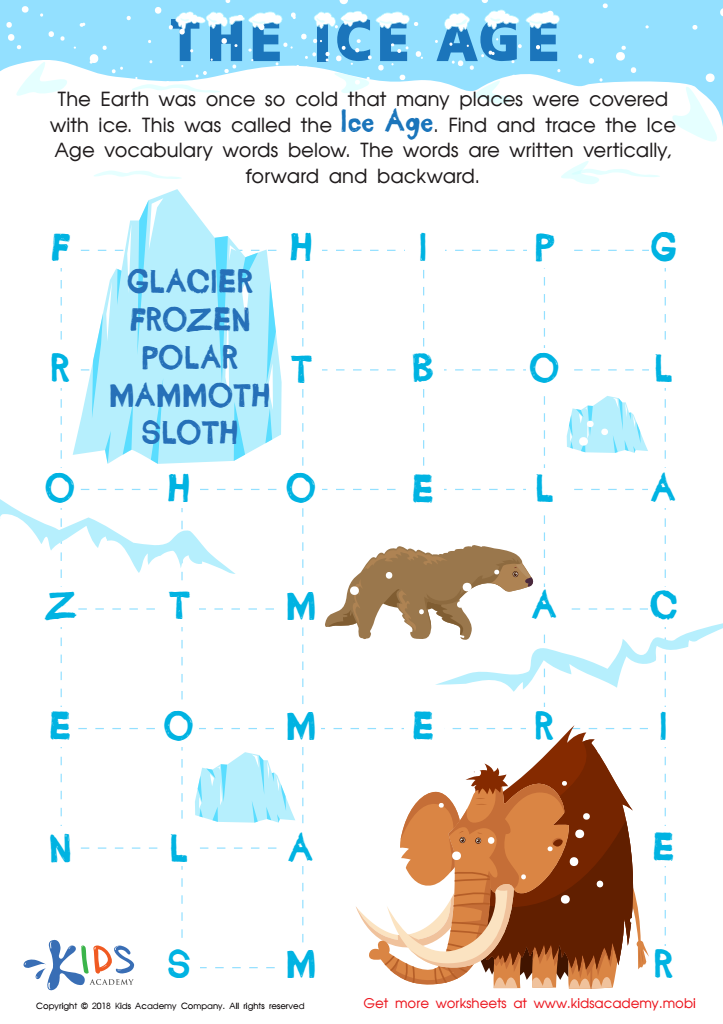
The Ice Age Worksheet
 Assign to My Students











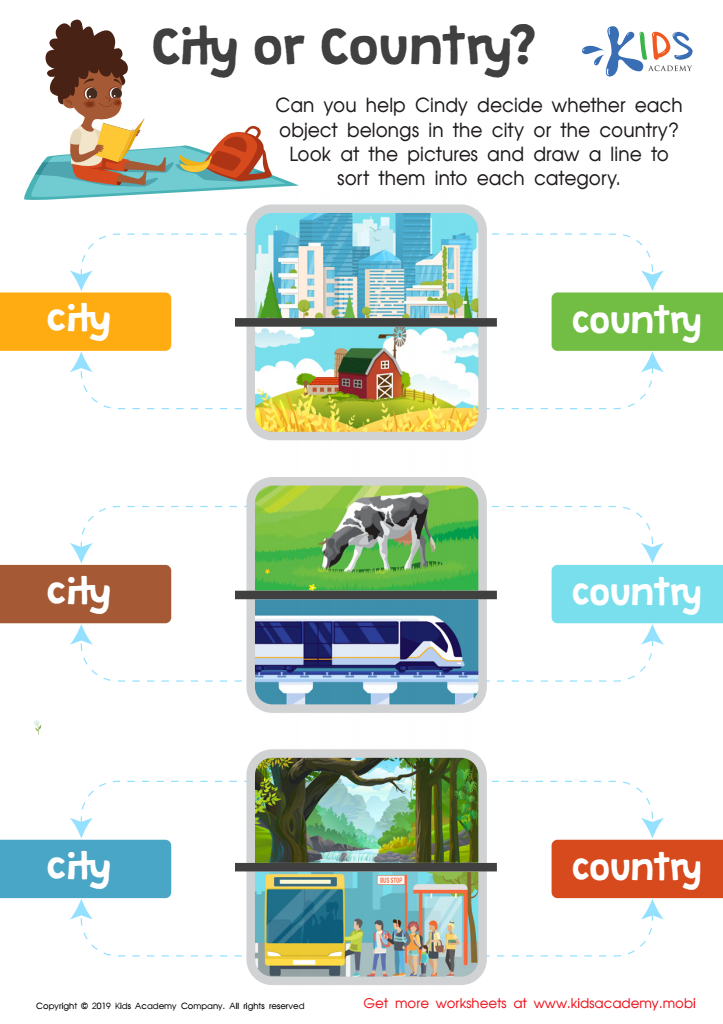
City or Country? Worksheet
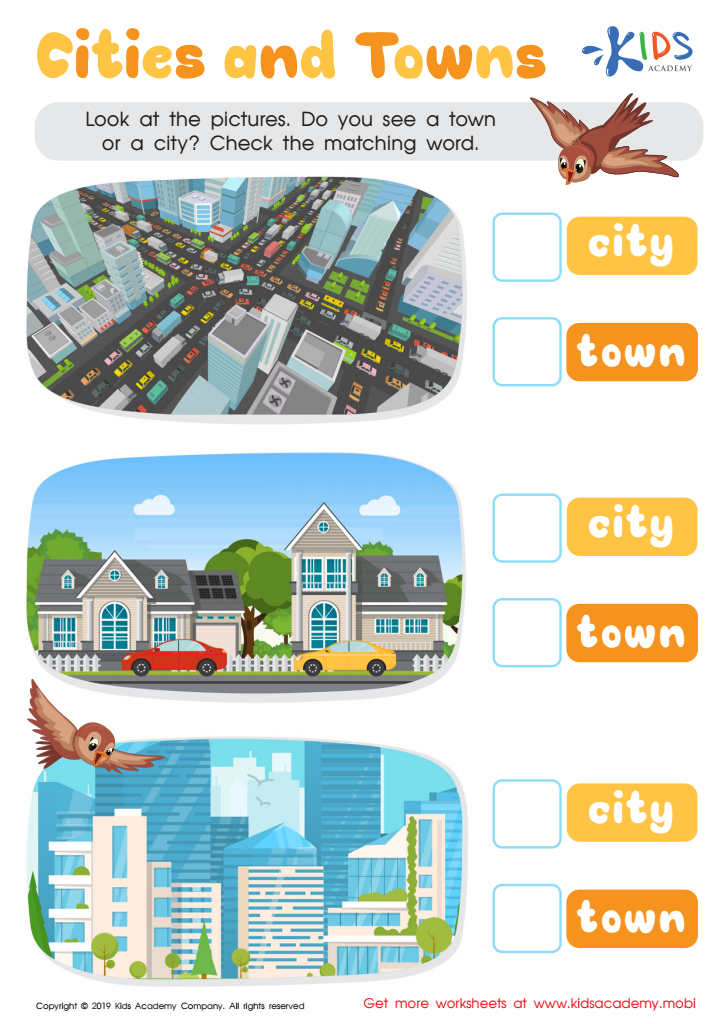
Cities and Towns Worksheet
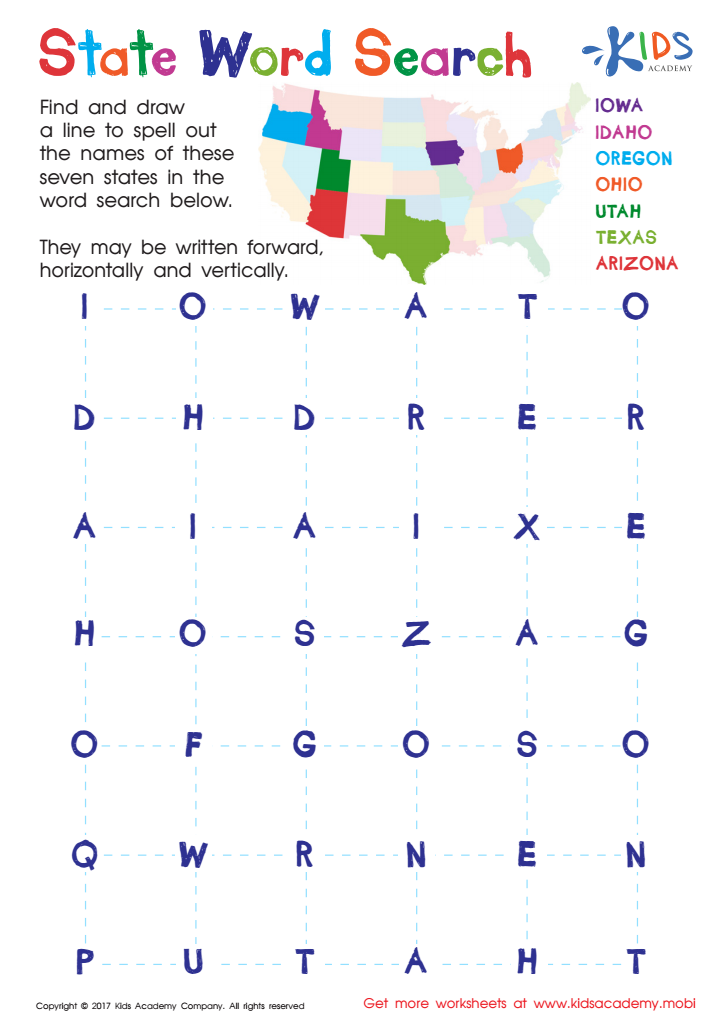
State Word Search Worksheet
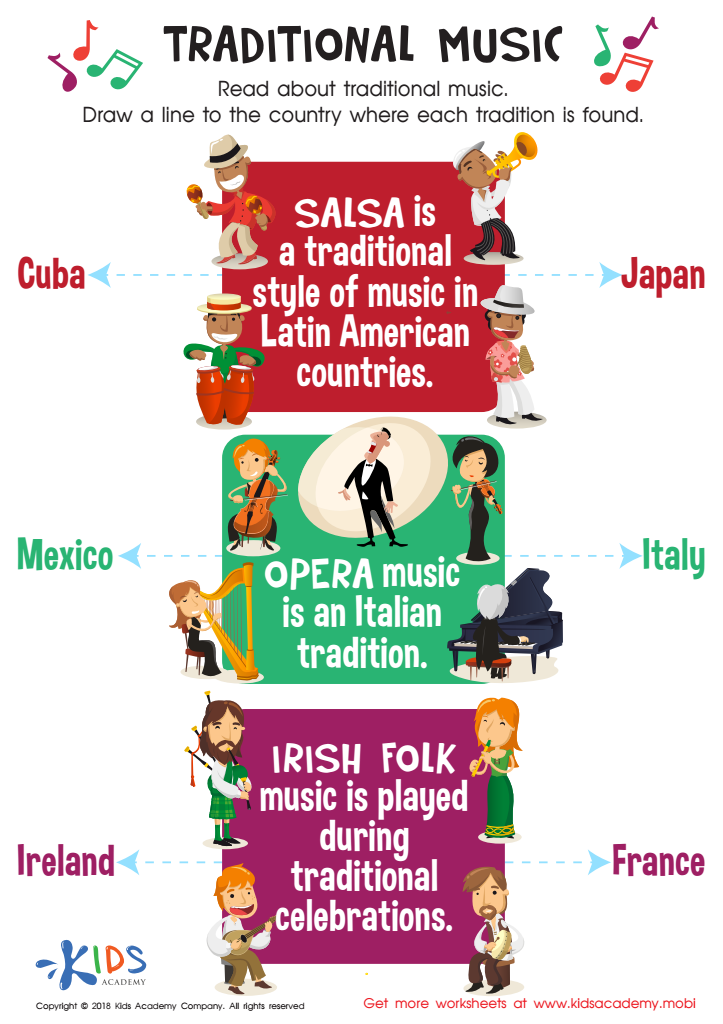
Traditional Music Worksheet







.jpg)
Building geography vocabulary for children aged 6-9 is immensely beneficial as it lays a foundational framework for understanding the world. Firstly, a rich geography vocabulary enhances cognitive development by helping children categorize and make sense of their surroundings. Words like "continent," "ocean," "river," and "mountain" offer concrete labels for natural and human-made features, sparking curiosity and a sense of adventure.
Secondly, it cultivates a global perspective, fostering empathy and awareness of cultural diversity. By learning about different landforms, climates, and communities, children begin to appreciate the vastness and variety of our planet. This serves as a precursor to important social skills such as respect and cooperation.
Moreover, geography vocabulary intersects with other academic disciplines. Terms like "latitude," "longitude," and "equator" introduce basic concepts of spatial relationships and integrate seamlessly with math skills such as measuring and graphing. Understanding regions and climates also ties directly into science lessons about ecosystems and weather patterns.
Lastly, an early grasp of geography vocabulary sets the stage for lifelong learning. It empowers children to ask informed questions and seek out knowledge independently. Parents and teachers play a crucial role in this process by providing engaging lessons, materials, and real-world experiences like maps, globes, and interactive games, turning geographical exploration into an exciting adventure.








