Improving reading skills Building Vocabulary Worksheets for Ages 6-9
3 filtered results
-
From - To
Enhance your child's reading abilities with our "Improving Reading Skills: Building Vocabulary Worksheets" designed specifically for ages 6-9. These engaging and interactive worksheets focus on expanding vocabulary through fun exercises, allowing young learners to grasp new words in contextual settings. Activities include word searches, matching exercises, and creative storytelling prompts that ignite imagination while reinforcing language skills. Perfect for both classroom and home use, our resources promote reading comprehension and foster a love for literature. Explore our worksheets to help your child gain confidence in their reading journey while enjoying the enriching experience of building their vocabulary!
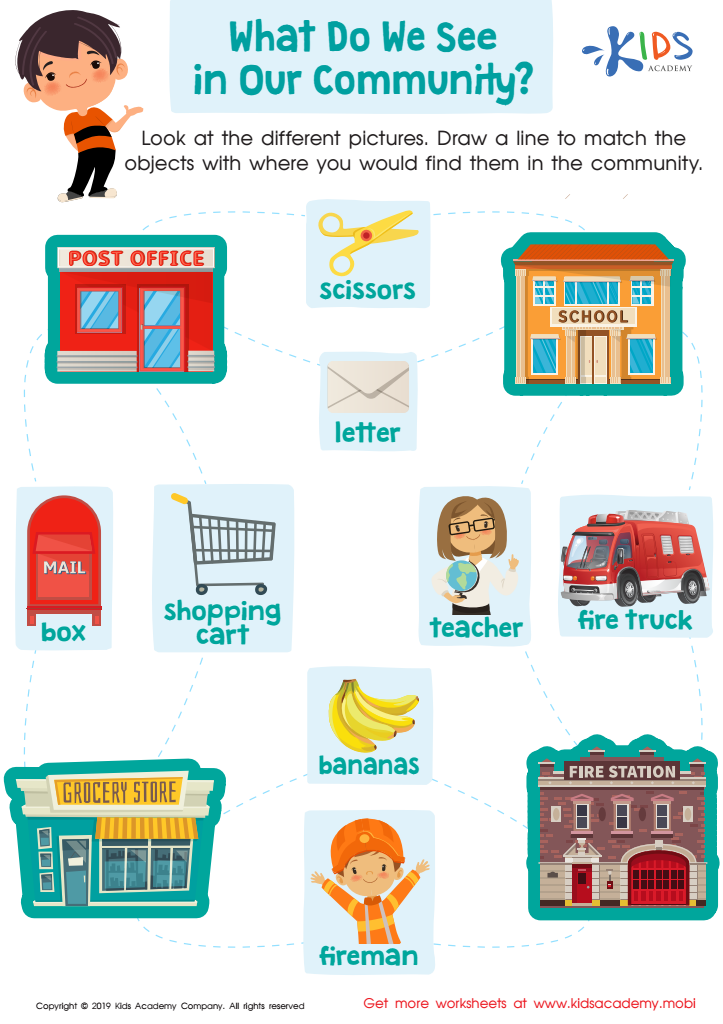
What Do We See in our Community? Worksheet
 Assign to My Students











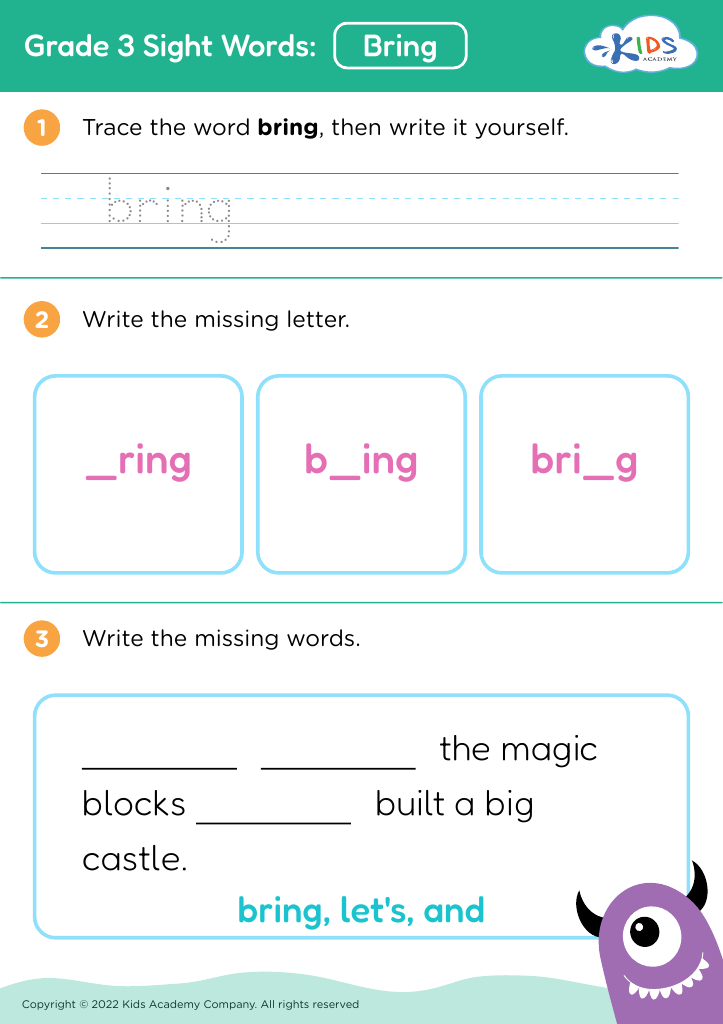
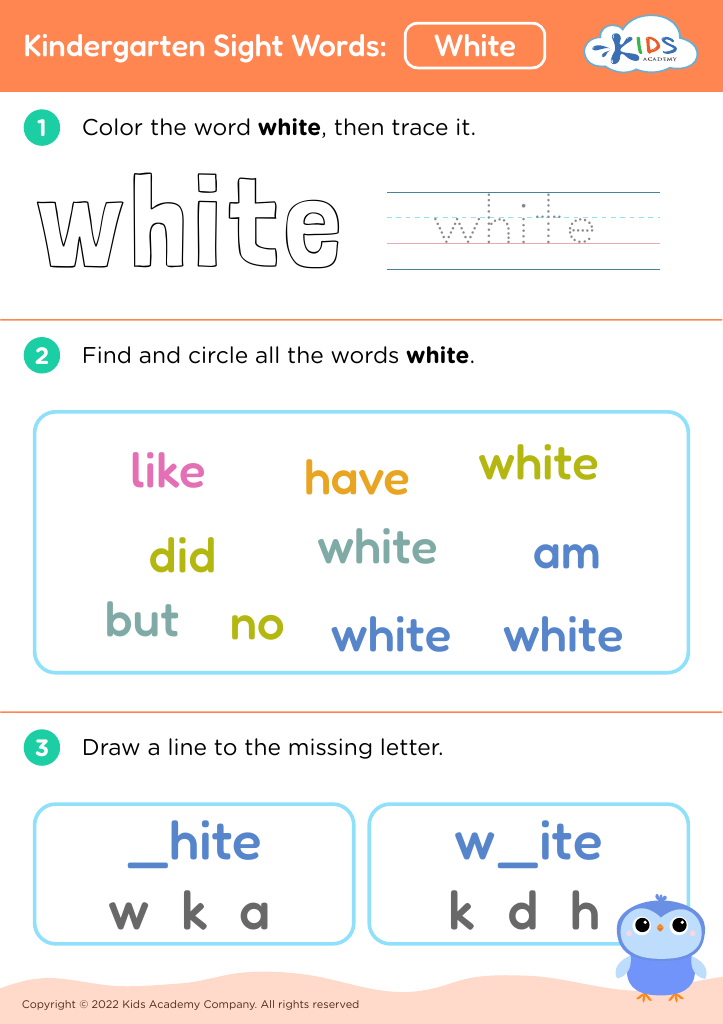








Improving reading skills and building vocabulary for children aged 6-9 is crucial for their academic success and personal development. At this age, children are in a pivotal stage of language acquisition, where they begin to comprehend more complex texts and ideas. Strong reading skills contribute to better performance across all subjects, as comprehension is essential for understanding science, history, and math concepts.
A robust vocabulary also cultivates critical thinking and effective communication. When children encounter new words, they expand their understanding of their environment, allowing them to express themselves clearly and confidently. This development is not solely about academics; it fosters creativity and imagination when kids engage with stories and ideas.
Furthermore, a solid foundation in reading and vocabulary can foster a lifelong love for reading, promoting self-directed learning and exploration. For parents and teachers, nurturing these skills is an investment in a child's future, increasing their chances of achieving educational milestones. Ultimately, prioritizing reading and vocabulary development leads to greater self-esteem, better interpersonal relationships, and equips children with essential tools to navigate a rapidly changing world. Therefore, parents and teachers should actively engage in activities that encourage these skills during the formative years.








