
Understanding multiplication Building Vocabulary Worksheets for Ages 6-9
3 filtered results
Difficulty Level
Grade
Age
-
From - To
Subject
Activity
Standards
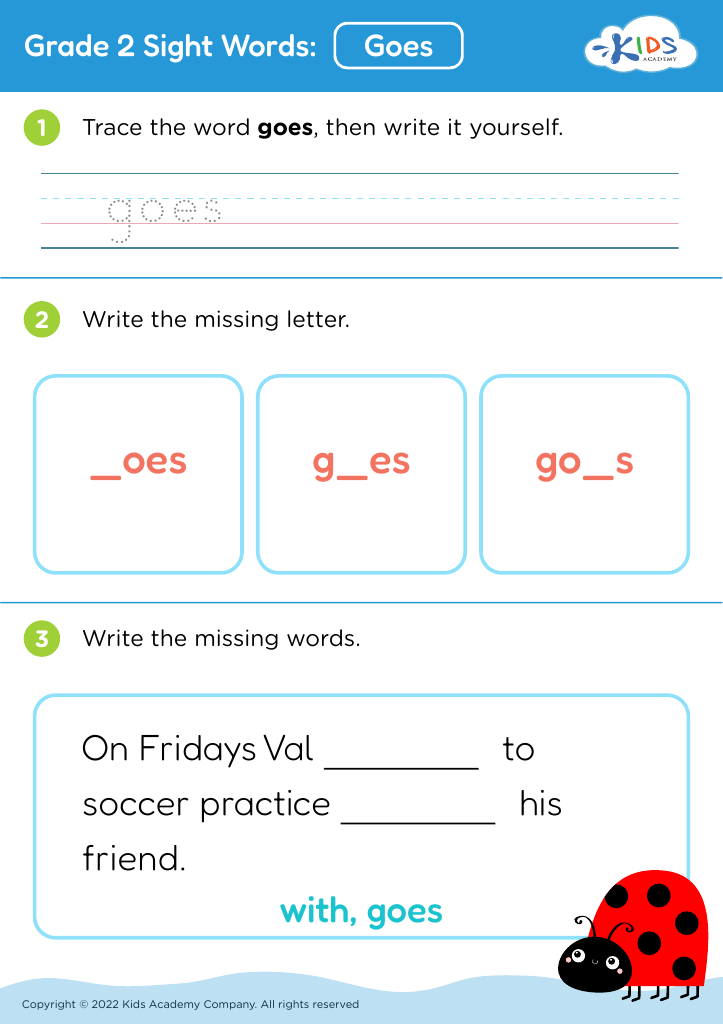
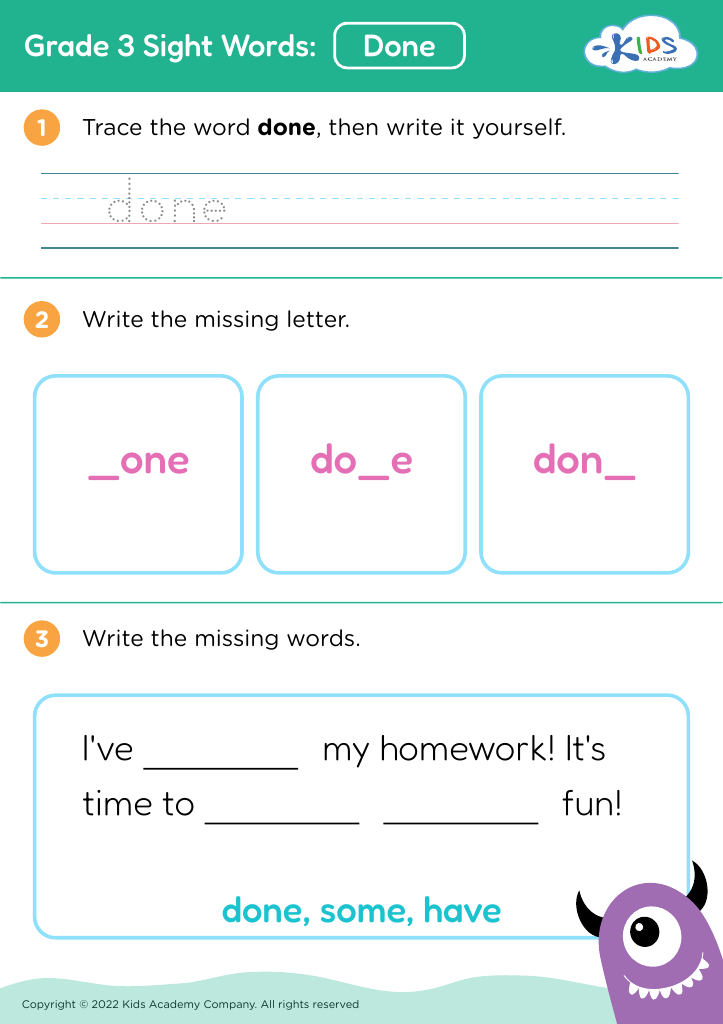
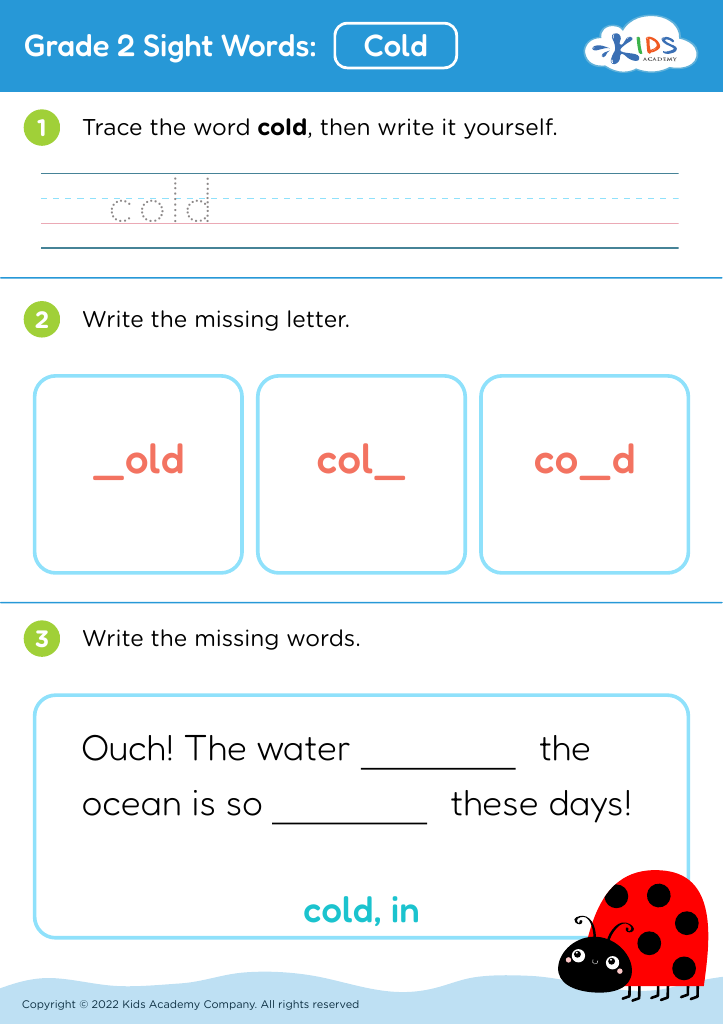
Explore our "Understanding Multiplication: Building Vocabulary Worksheets for Ages 6-9." These expertly designed printable worksheets make learning multiplication a fun and interactive experience for young minds. By combining essential vocabulary skills with basic multiplication concepts, children aged 6 to 9 can build a strong math foundation. Your child will enjoy engaging activities that reinforce multiplication terms and principles, helping them to become confident in handling more complex math problems. Perfect for both classroom use and at-home practice, these worksheets are a valuable resource for enhancing math competence and fostering a love for learning in young students.
Favorites
With answer key
Interactive











Join Kids Academy for Free
Who is primarily going to use this learning content?


.jpg)





Understanding multiplication and building vocabulary are foundational components of a child's educational development, especially for ages 6-9. At this stage, young learners are in critical periods for cognitive growth and skill acquisition.
Multiplication is more than memorizing times tables; it provides a basis for more complex arithmetic, problem-solving, and logical reasoning skills essential for later academic success. Developing a deep understanding of multiplication concepts helps children grasp higher-order math topics like division, fractions, and algebra. This understanding fosters confidence and encourages a positive attitude towards mathematics, reducing math anxiety in higher grades.
Similarly, a robust vocabulary is crucial for effective communication, reading comprehension, and overall academic achievement. As children encounter new subjects and more complex texts, a strong vocabulary helps them grasp and retain new information more effectively. Adequate vocabulary skills contribute to better writing, clearer self-expression, and improved social interactions, influencing lifelong communication abilities.
Parents and teachers play key roles in nurturing these skills through supportive learning environments, interactive activities, and consistent practice. Prioritizing multiplication and vocabulary in early education sets children on a trajectory for success, ensuring they possess the tools necessary for both academic and personal growth.
Engaging, regular practice paired with real-world applications makes learning relevant, fun, and memorable for young learners, helping them build a solid foundation for future endeavors.








