Fraction comparison Reading Worksheets for Ages 6-9
11 filtered results
-
From - To
Discover engaging Fraction Comparison Reading Worksheets designed for children aged 6-9! These interactive resources help young learners master the concept of fractions by comparing different values. Each worksheet is crafted to enhance reading comprehension while introducing fundamental math skills. Fun illustrations and relatable scenarios capture children’s interest, fostering a love for learning! Educators and parents can easily integrate these worksheets into their teaching routines, making math both accessible and enjoyable. Support your child's educational journey with these essential tools that promote critical thinking and build a strong foundation in mathematics. Explore our collection today and watch your child's confidence grow!
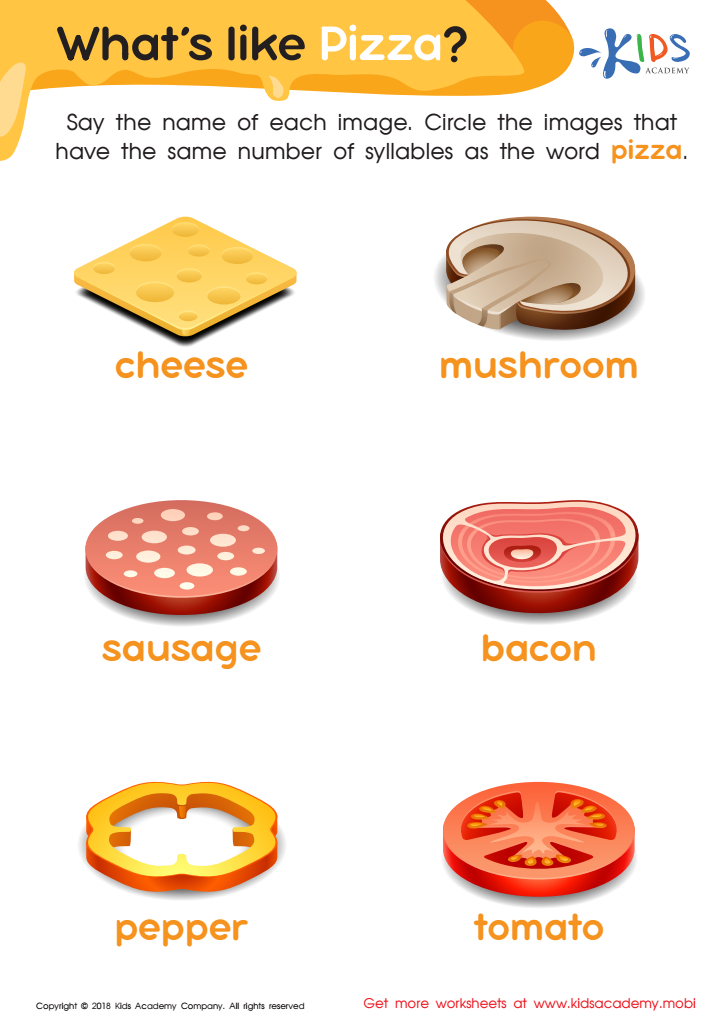
What's Like Pizza? Worksheet
 Assign to My Students
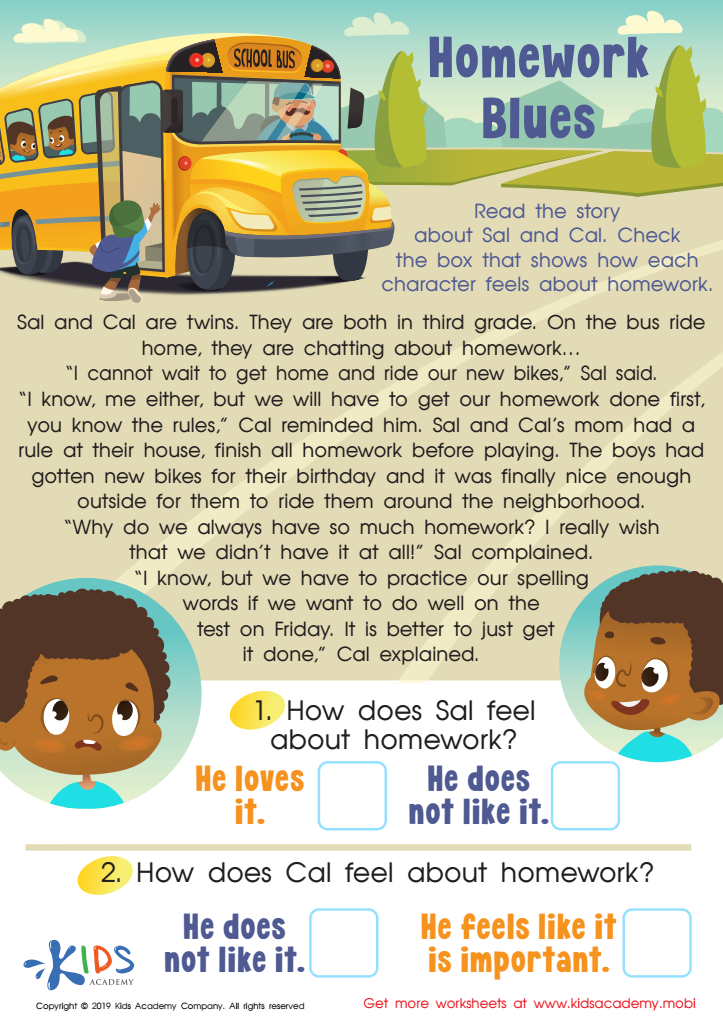
Homework Blues Worksheet
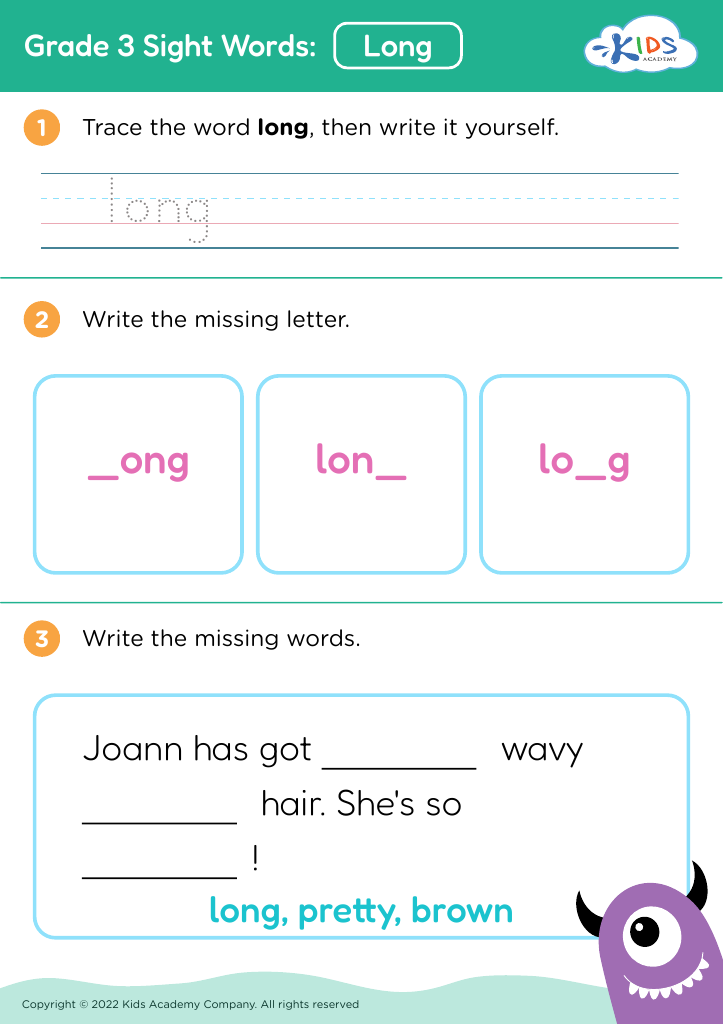
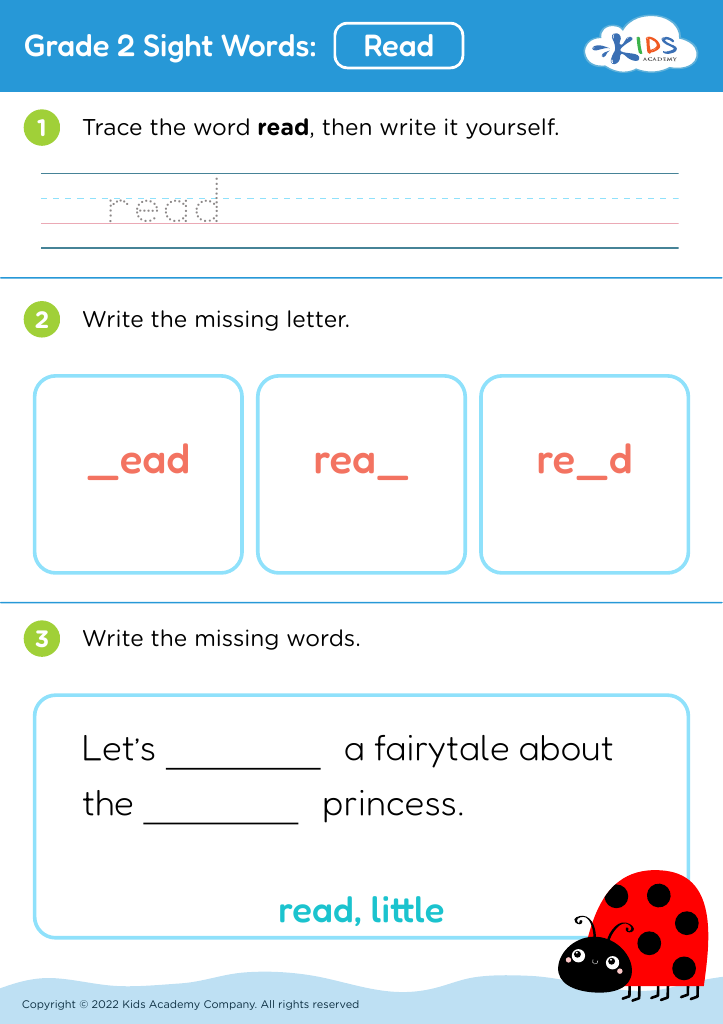


.jpg)




.jpg)
Understanding fraction comparison is crucial for children aged 6-9 as it lays the groundwork for their mathematical skills and critical thinking. At this stage, children begin to make sense of the world in more complex ways, and grasping fractions helps them understand division, ratios, and proportions in everyday life. When parents and teachers engage with children in this area, they are not just teaching math; they are enhancing problem-solving abilities, promoting logical reasoning, and fostering a deeper appreciation for numbers.
Moreover, comparing fractions is an essential skill that aids in their future academic success. It supports the development of more advanced mathematical concepts, such as algebra, and even shapes their understanding in subjects like science and economics where fractions are widely used. Helping children learn to compare fractions can also reinforce important cognitive skills such as visual-spatial awareness and analytical thinking.
Engaging parents and teachers in this topic promotes collaborative learning, reinforces concepts taught in the classroom, and offers opportunities for fun, interactive experiences with math at home. Ultimately, when adults show interest in fraction comparison, they empower children to become confident learners and better prepare them for the challenges ahead in their educational journeys.








