Vocabulary Building Reading Worksheets for Ages 6-9 - Page 2
30 filtered results
-
From - To
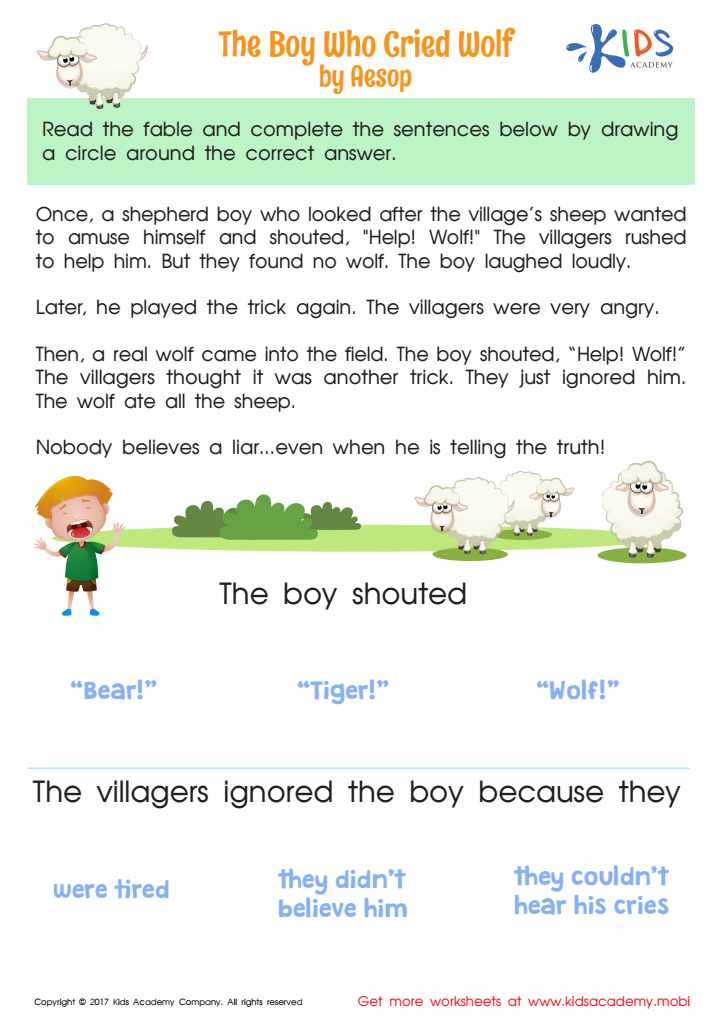
The Boy Who Cried Wolf Worksheet
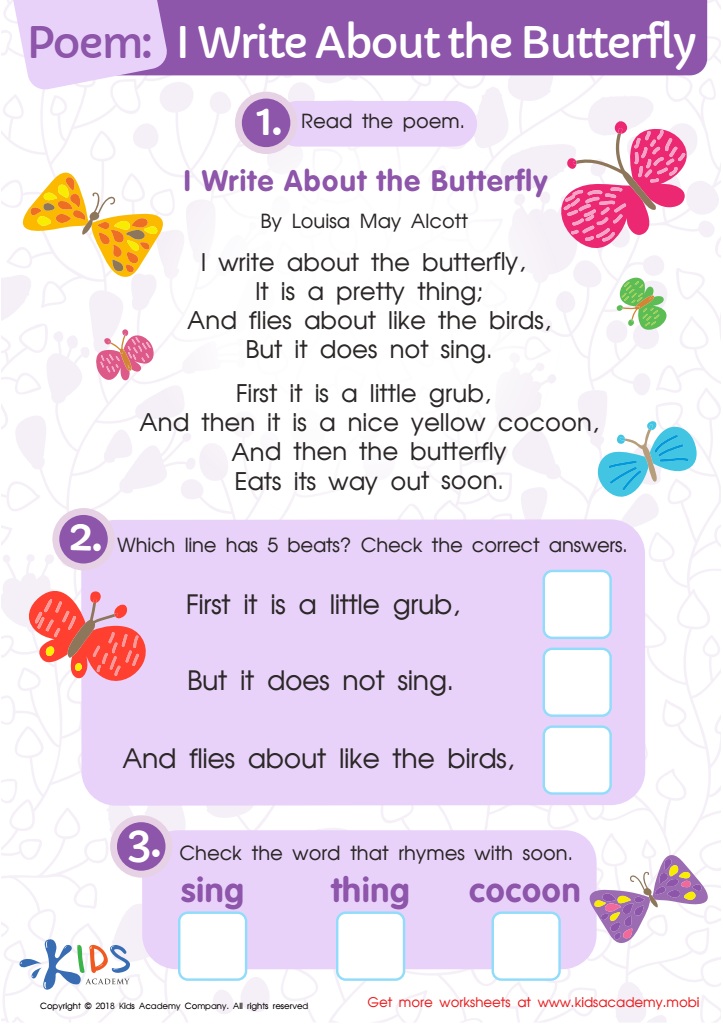
Poem: I Write About The Butterfly Worksheet
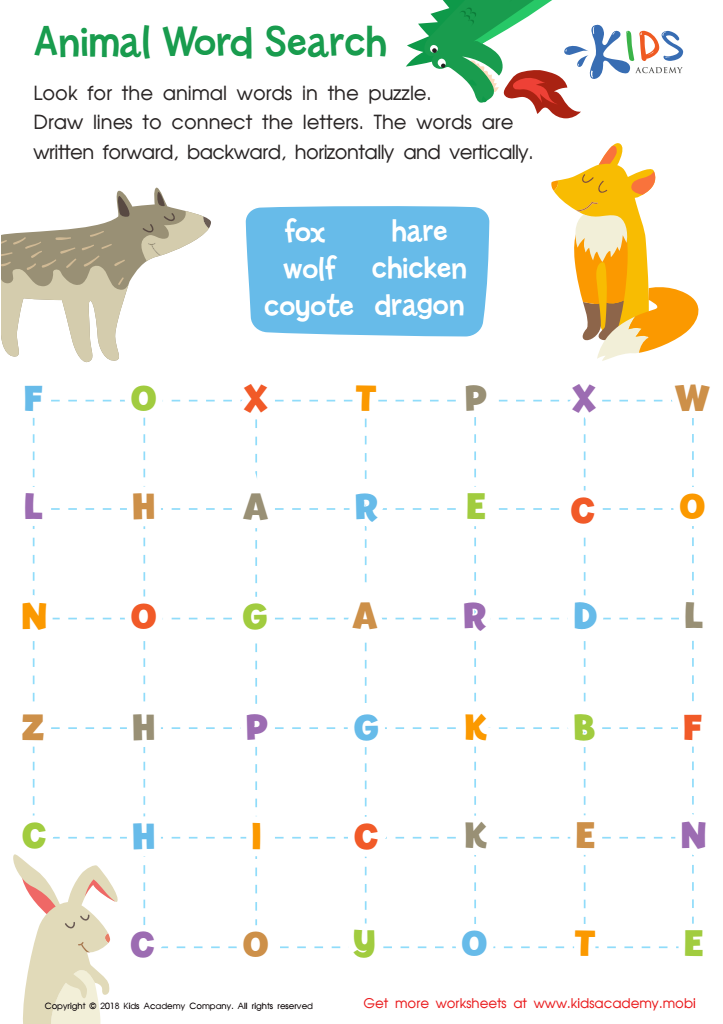
Animal Word Search Worksheet
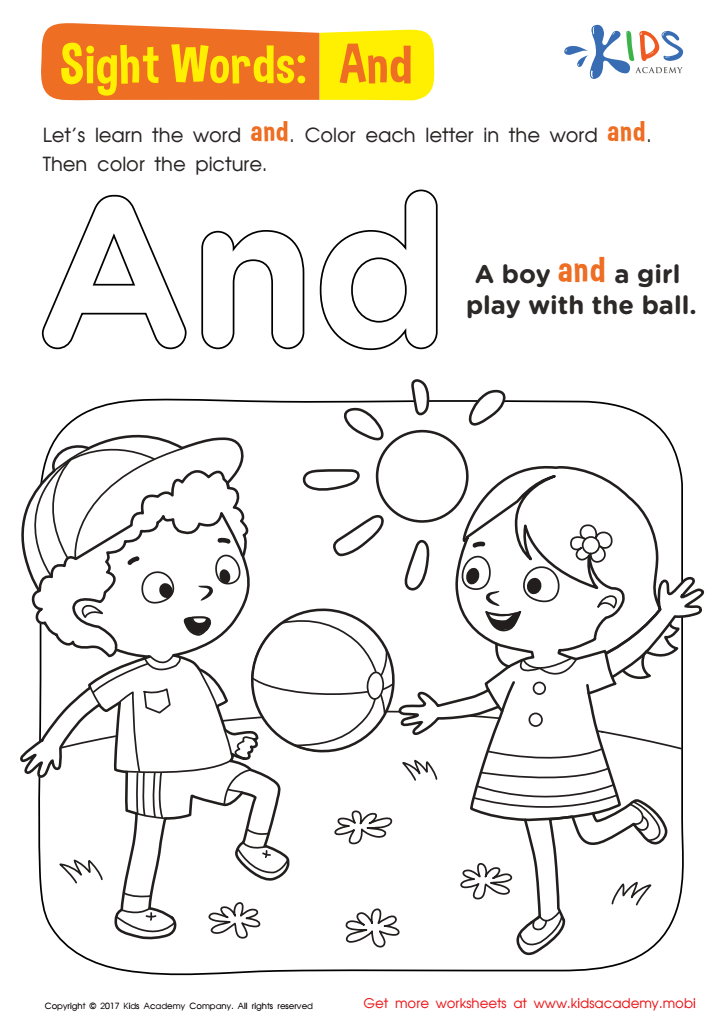
And Worksheet Sight Words Worksheet
 Assign to My Students
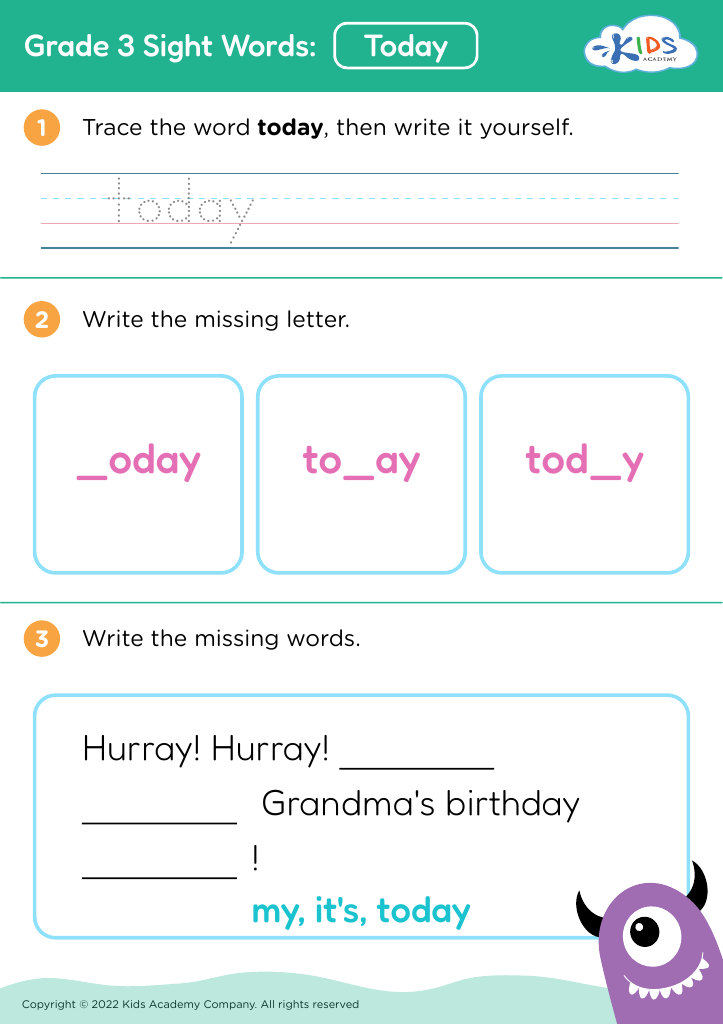
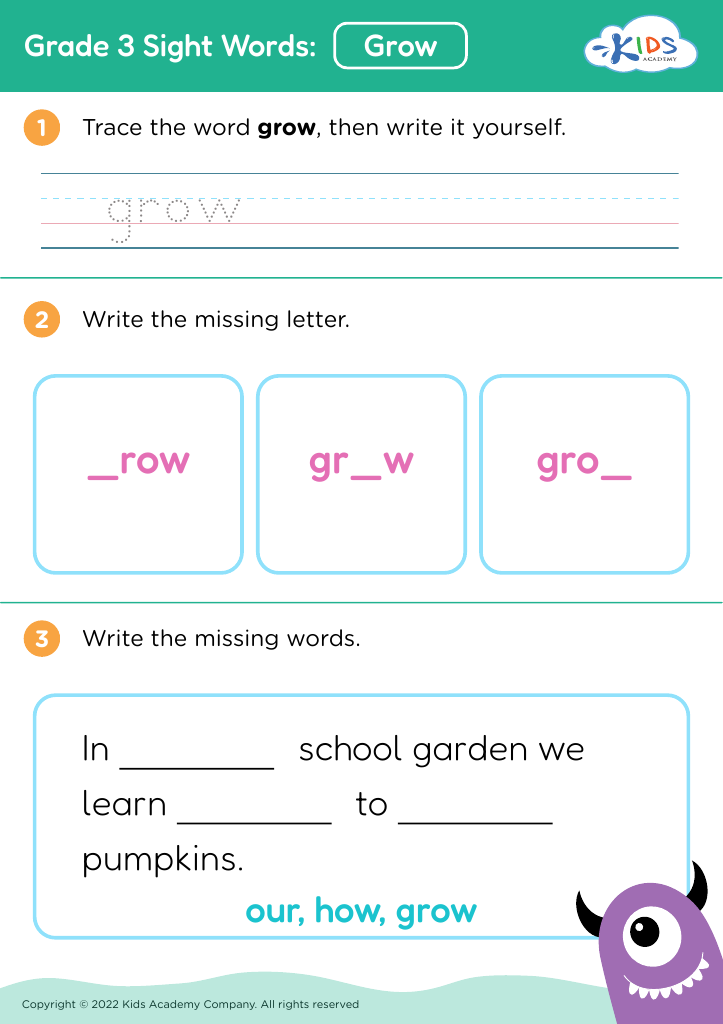






Vocabulary building is crucial for children aged 6-9 as it lays the foundation for reading comprehension and effective communication. During these formative years, kids experience rapid brain development and language acquisition. A rich vocabulary enhances their ability to express ideas, engage in conversations, and understand nuanced texts, which is vital for academic success.
Parents and teachers should care about vocabulary development because strong vocabulary skills correlate with improved reading abilities. Children who understand more words can decode texts more easily, making reading a more enjoyable and less frustrating experience. This age group is typically transitioning from learning to read to reading to learn, illustrating the need for a robust vocabulary for accessing diverse subjects.
Moreover, vocabulary building promotes critical thinking and problem-solving. As children encounter new words, they learn to make connections between concepts, which fosters curiosity and a love for learning. By actively engaging in vocabulary-building activities, such as reading aloud, playing word games, and discussing new terms, parents and teachers can cultivate a supportive environment.
Investing in vocabulary development during these crucial years ensures that children are well-equipped for future academic challenges and social interactions, setting the stage for lifelong learning and communication skills.








