Filters

6 filtered results

Clear all filters
Favorites
With answer key
Interactive

6 filtered results

Difficulty Level

Grade


Enhance your child’s literacy journey with our engaging Reading Skills and Comprehension Worksheets, designed specifically for ages 6-9. These versatile resources help young learners develop essential reading skills, from identifying main ideas and details to making predictions and drawing inferences. Our carefully crafted worksheets incorporate age-appropriate themes and interactive activities, promoting both comprehension and critical thinking. Perfect for classroom use or at-home learning, these worksheets are tailored to boost confidence and foster a love for reading. Empower your child’s educational experience with enjoyable, hands-on practice that paves the way for lifelong literacy success. Discover the joy of reading today!

Check out this FREE Trial Lesson on Reading Comprehension for age 6-9!

Identify Text Features

Favorites
With answer key
Interactive
  • 6-9
  • Reading Skills
  • Reading Comprehension
Jamestown Worksheet
Jamestown Worksheet

Jamestown Worksheet

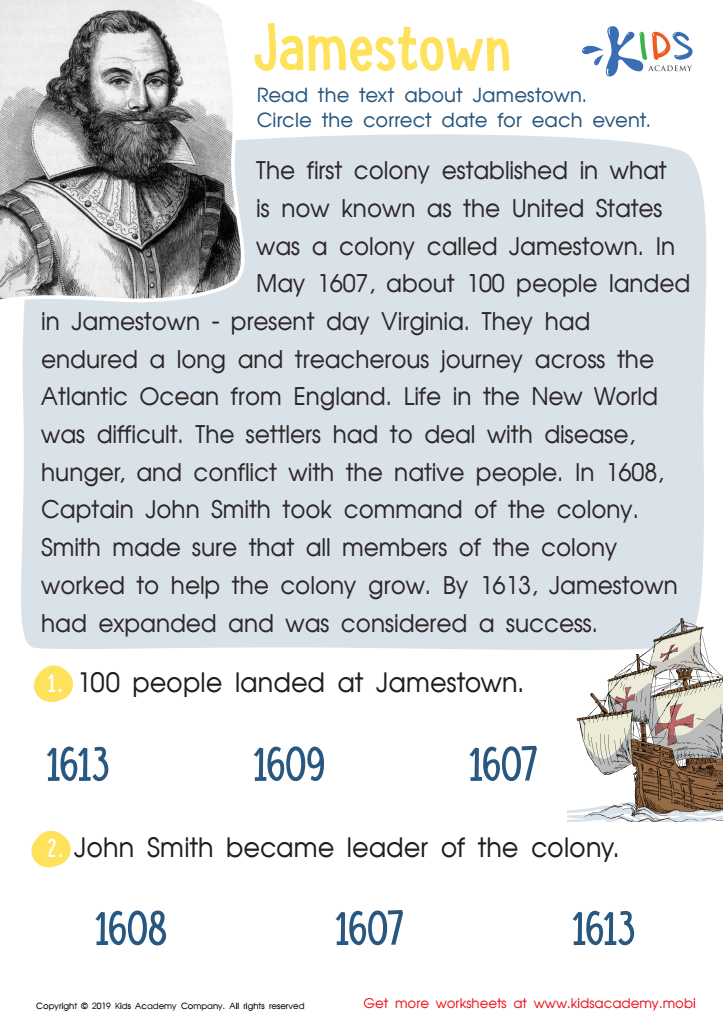
Help your kids build vocabulary by reading simple texts and stories to them. This exercise helps them practice reading and grammar, and increases their knowledge of a topic. In this worksheet, kids learn about Jamestown: read text aloud and help them circle the correct date for each event.
Jamestown Worksheet
Worksheet
l or i? Worksheet
l or i? Worksheet

l or i? Worksheet

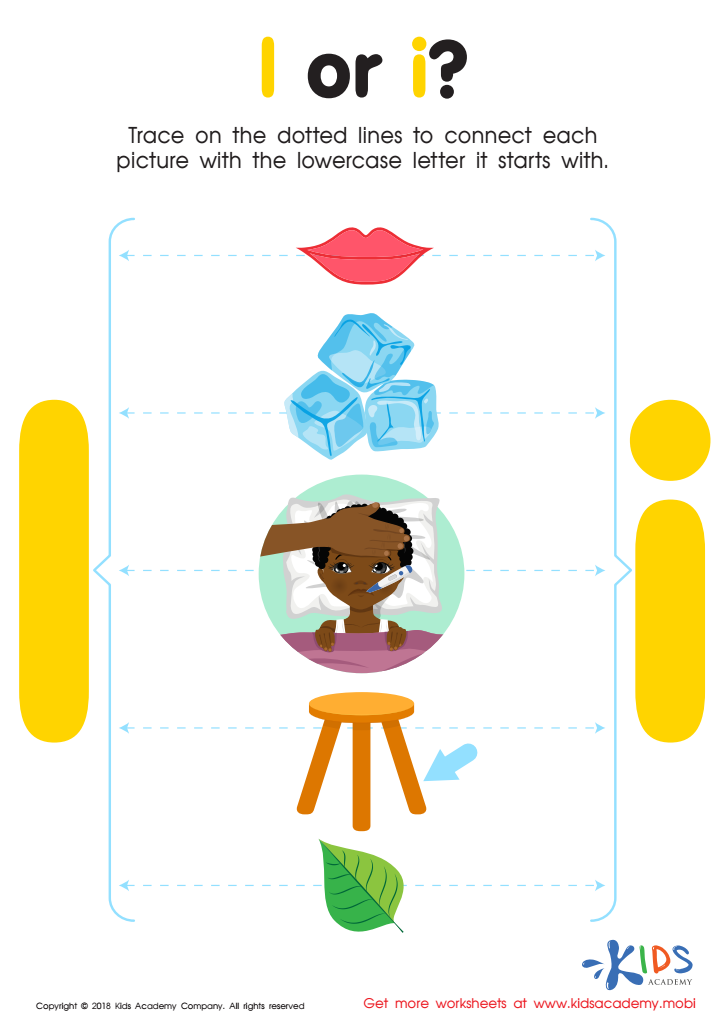
Trace the dotted lines on this worksheet to connect pictures with their lowercase letter. Ask your child what each picture is and the first letter of the word. Guide them to trace the letter with the dotted lines.
l or i? Worksheet
Worksheet
Craft and Structure: Assessment 1 Worksheet

Craft and Structure: Assessment 1 Worksheet

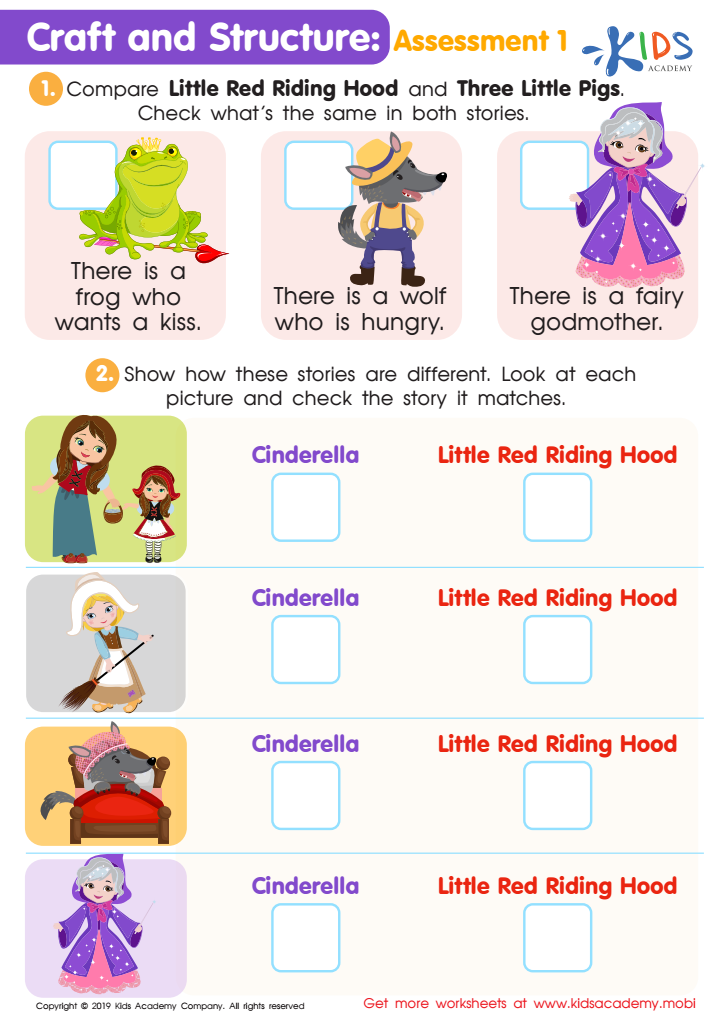
Fairytales are a great way to bond with your kids while teaching them. Popular stories include Little Red Riding Hood and Three Little Pigs. Test how well they understood these two with this assessment worksheet. Ask them to compare the two stories and check what is the same. Doing this will help kids learn new words and sentence construction, as well as teaching them life lessons.
Craft and Structure: Assessment 1 Worksheet
Worksheet
Can You Match the Sentence? Worksheet

Can You Match the Sentence? Worksheet

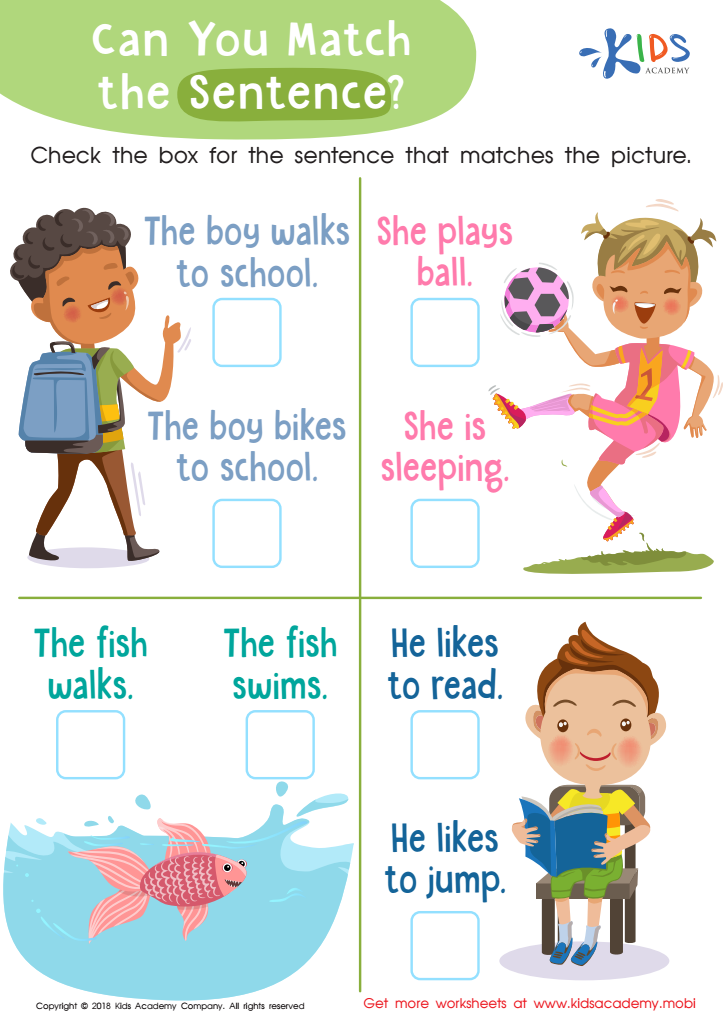
Kids gain fluency with this worksheet which uses bright pictures. They select the sentence that matches the image and check the box. This repetition of words and phrases helps them improve their reading skills while having fun.
Can You Match the Sentence? Worksheet
Worksheet
Front of the Book Worksheet

Front of the Book Worksheet

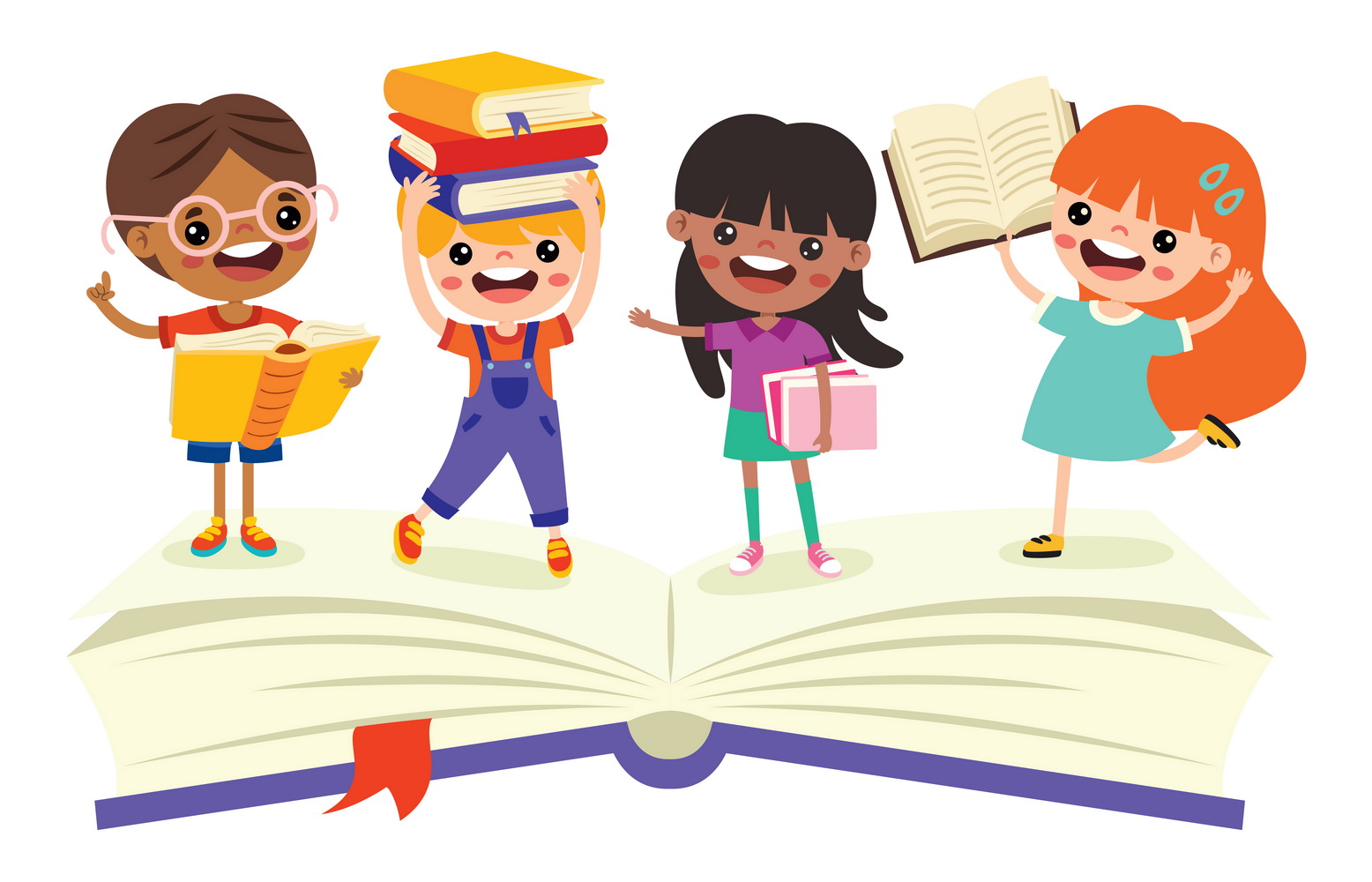
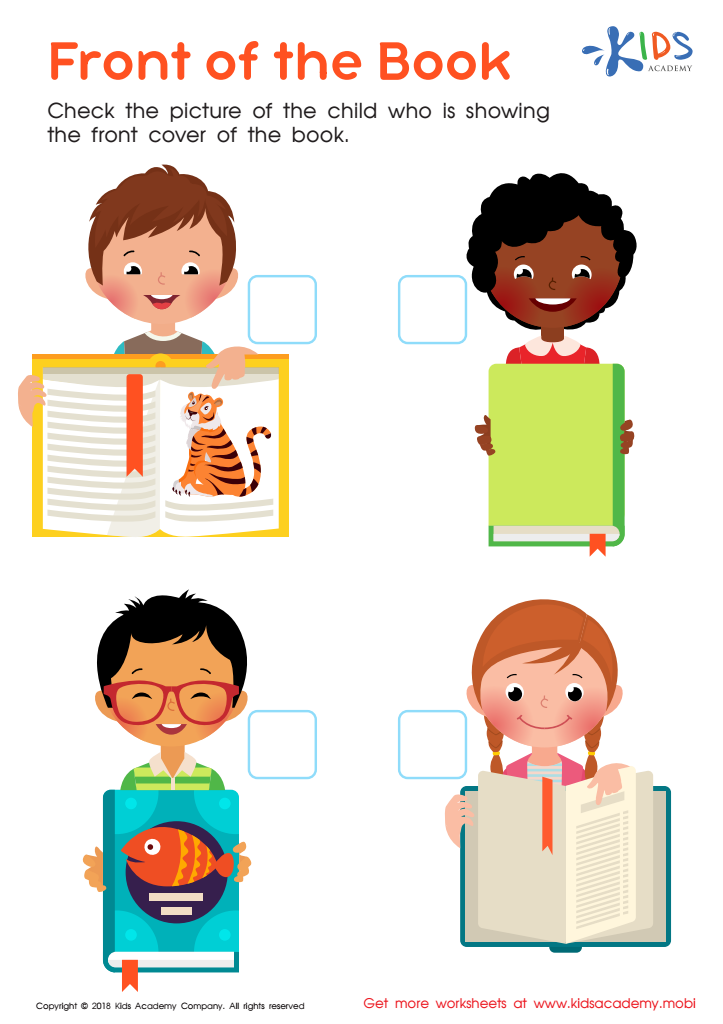
Help your child become a reader with this free worksheet! It's full of fun new friends and is designed to help kids understand concepts about the front of a book. They'll look at each picture and decide which friend is holding the book with the front cover, and check off the correct answer in the given boxes. Get your little one ready to be a reader!
Front of the Book Worksheet
Worksheet
Ben Franklin Part 2 Worksheet


Ben Franklin Part 2 Worksheet

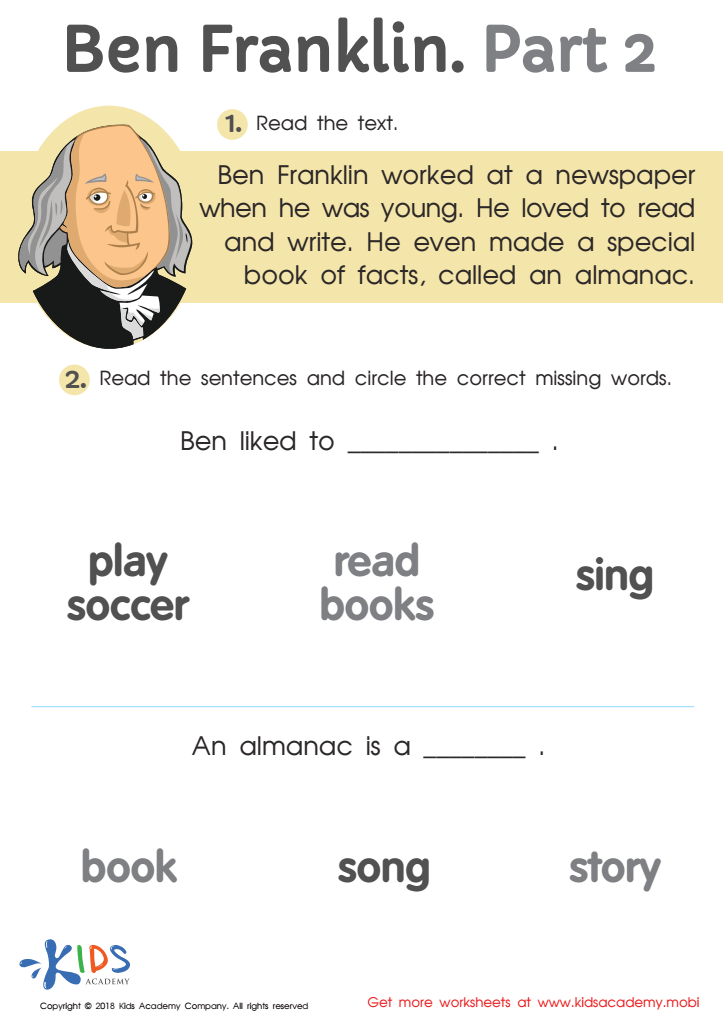
History is filled with great figures, like Benjamin Franklin. Let your kids in on the legacy by introducing them to the founder of the US fire department, diplomat, and inventor. Then, use a worksheet to have them fill in the blanks with the correct word to teach them more. Read the text, then read the sentences and have them circle the missing word.
Ben Franklin Part 2 Worksheet
Worksheet


Reading skills, particularly reading comprehension, are crucial for children aged 6-9 as they lay the foundation for future academic success and lifelong learning. At this stage, children transition from learning to read to reading to learn. Strong reading skills enable them to effectively understand and engage with age-appropriate texts, which enhance their overall communication, critical thinking, and creativity.

Parents and teachers should prioritize reading comprehension because it develops children’s ability to analyze and interpret information, fostering independent thinking. When students can comprehend what they read, they become more confident in their abilities, boosting their motivation and enjoyment for learning across subjects.

Moreover, reading comprehension is linked to academic performance; children who struggle in this area may fall behind their peers in other subjects like math and science, which increasingly rely on reading.

Lastly, strong reading habits established during these formative years can cultivate a lifelong love for reading, opening doors to knowledge and cultural understanding. Encouraging reading activities at home and in school fosters a supportive learning environment, making it essential for both parents and educators to invest time and resources in developing these skills. Overall, reading comprehension is vital for a child’s intellectual and emotional development.