Understanding context Reading Fiction Worksheets for Ages 6-9
5 filtered results
-
From - To
Welcome to our "Understanding Context Reading Fiction Worksheets" designed specifically for children ages 6-9! These engaging worksheets help young readers enhance their comprehension skills by focusing on context clues within fictional texts. Each activity encourages kids to explore meaning through characters, settings, and plot developments, fostering a deeper understanding of the stories they read. With vibrant illustrations and age-appropriate content, these worksheets make learning fun and interactive. Ideal for home or classroom use, they provide valuable practice to boost reading confidence and comprehension skills. Discover the joy of reading with our thoughtfully crafted exercises today!
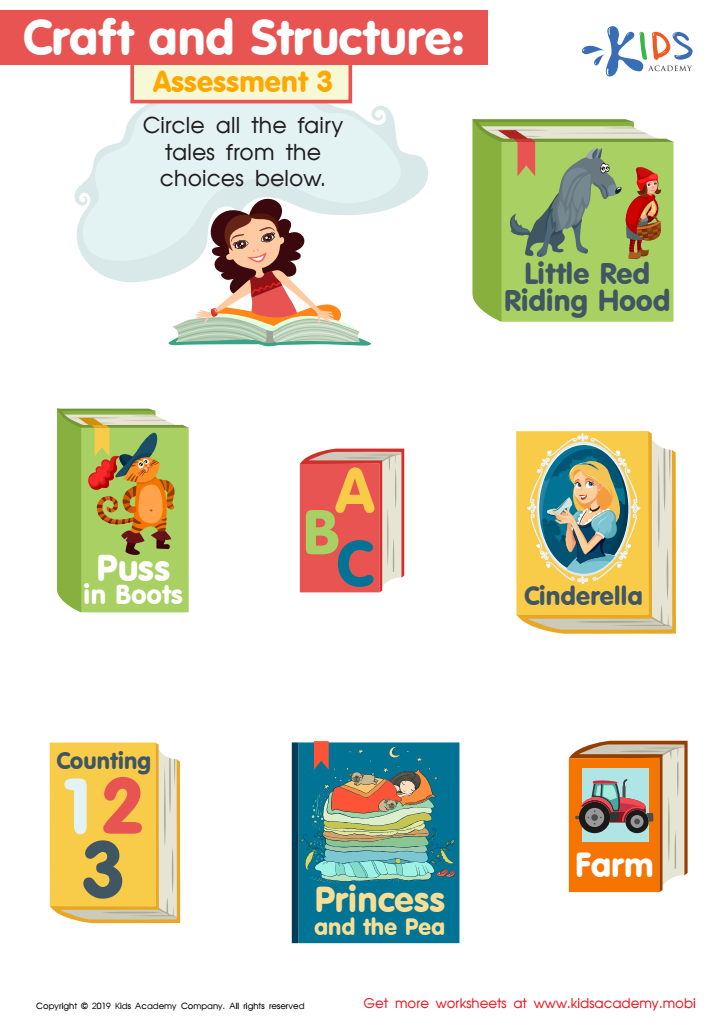
Craft and Structure: Assessment 3 Worksheet
 Assign to My Students
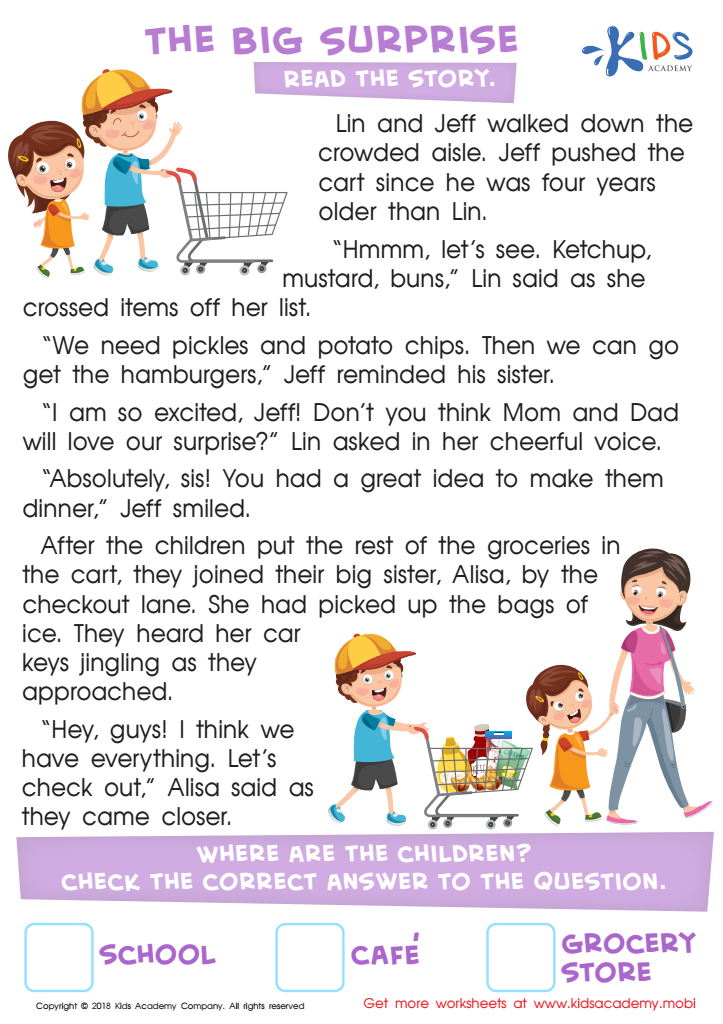
The Big Surprise Worksheet
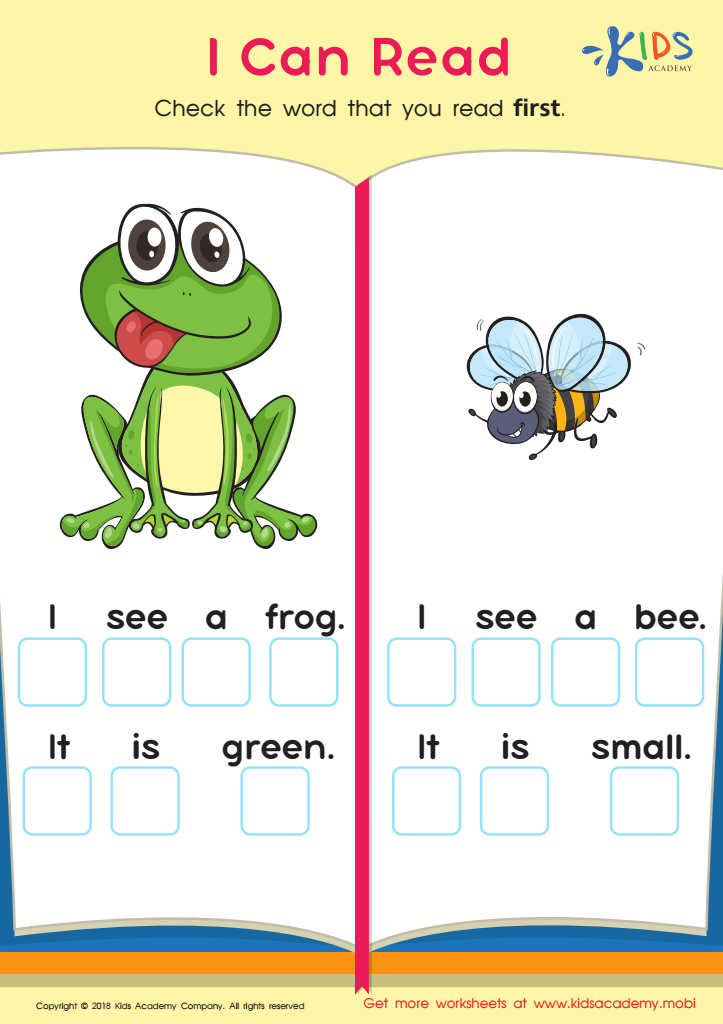
I Can Read Worksheet
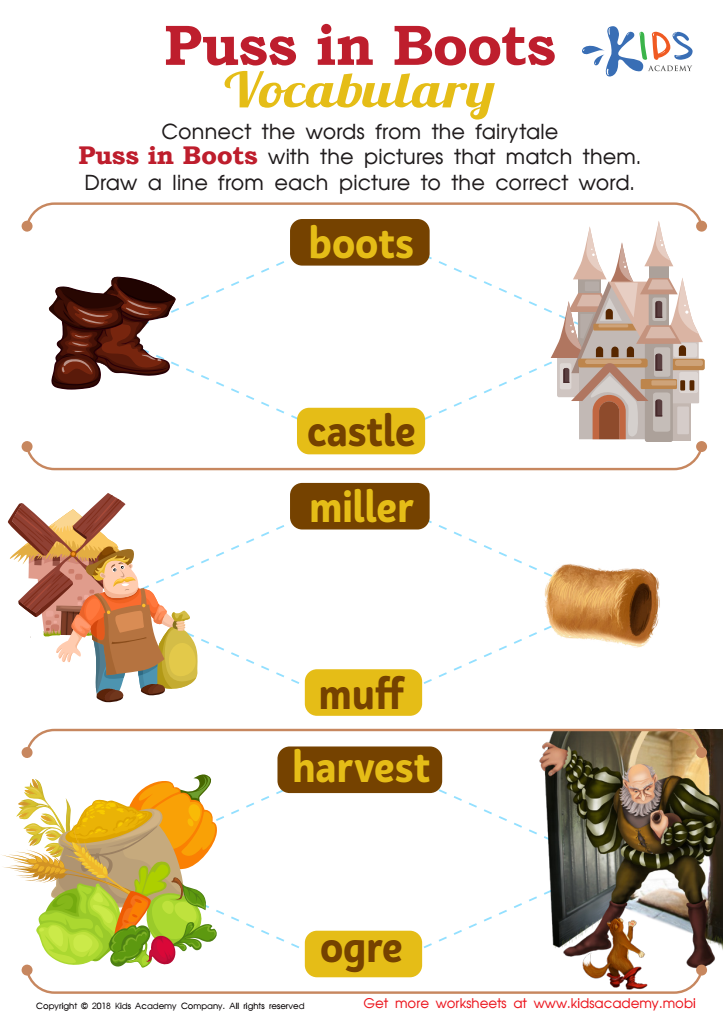
Puss in Boots Vocabulary Worksheet
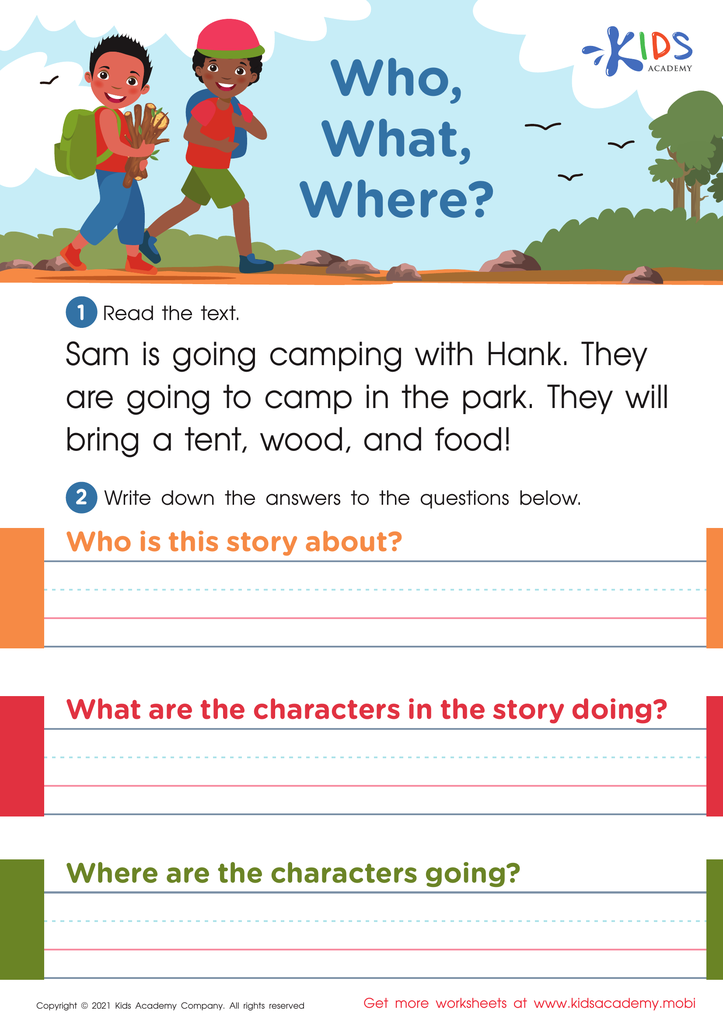
Who, What, Where? Worksheet








Understanding context in reading fiction is essential for children aged 6-9, as it plays a pivotal role in enhancing their comprehension skills and overall literacy development. When parents and teachers prioritize this aspect, they enable children to connect texts to their own experiences and the world around them. This connection fosters a deeper understanding, allowing young readers to appreciate character motivations, plot dynamics, and thematic elements within stories.
Contextual understanding also enhances critical thinking. By discussing the societal, cultural, and emotional backgrounds of characters and settings, children learn to analyze situations and draw conclusions, developing empathy and perspective-taking skills. This not only enriches their reading experience but also prepares them for more complex literature in the future.
Moreover, engaging with context encourages discussions that can enhance vocabulary acquisition and language skills. When children explore the whys and hows of various textual contexts, they are more likely to retain new words and expressions.
In conclusion, investing time in understanding context equips young readers with vital analytical and emotional skills, laying a solid foundation for lifelong learning and communication. Parents and teachers, by promoting such engagement, cultivate confident readers who are not just passive consumers of stories but active, thoughtful participants in the world of literature.








