Vocabulary enhancement Reading Non-Fiction Worksheets for Ages 6-9
17 filtered results
-
From - To
Unlock the potential of young readers with our Vocabulary Enhancement Reading Non-Fiction Worksheets designed for ages 6-9. These engaging worksheets focus on building vocabulary through exciting non-fiction texts, helping children discover the wonders of the world around them. Each activity fosters comprehension and critical thinking while introducing age-appropriate, rich terminology. Our resource is ideal for enhancing reading skills in a fun and interactive way, encouraging a love for learning. Perfect for teachers and parents alike, these worksheets provide a structured approach to help kiddos expand their vocabulary and inspire curiosity. Enhance your child's reading journey today!
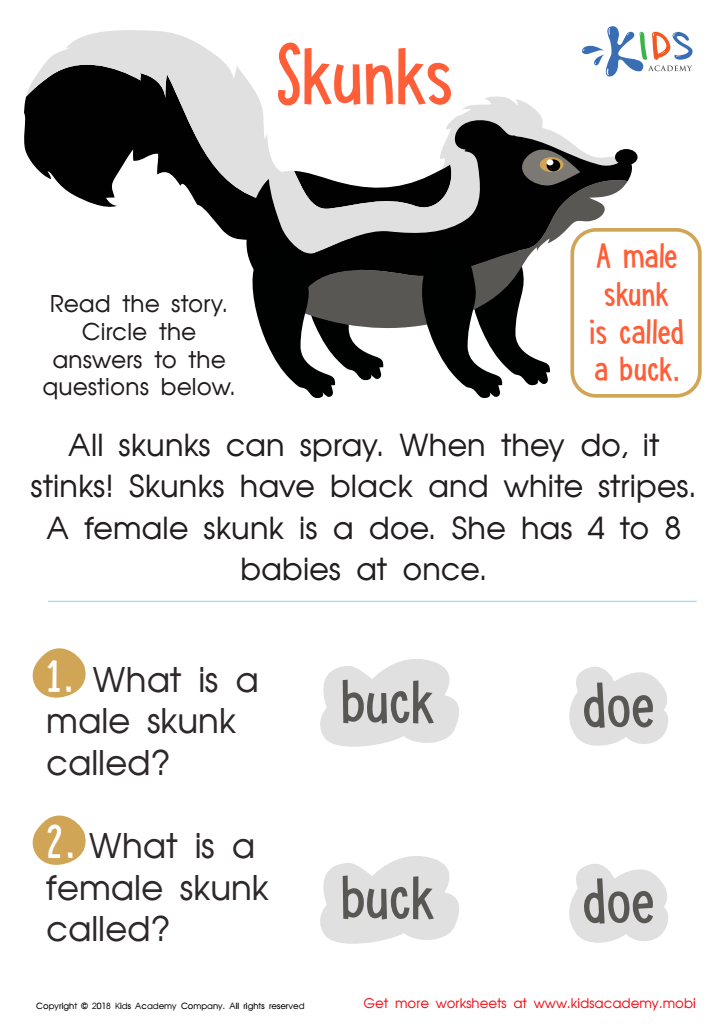
Skunks Worksheet
 Assign to My Students
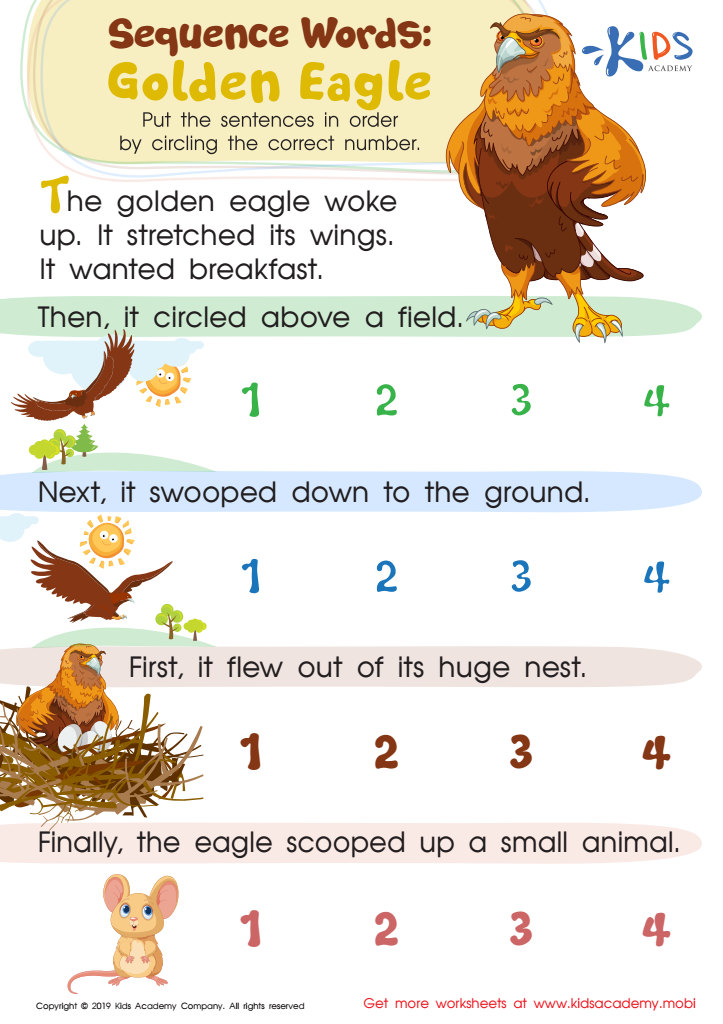
Sequence Word Eagle Worksheet
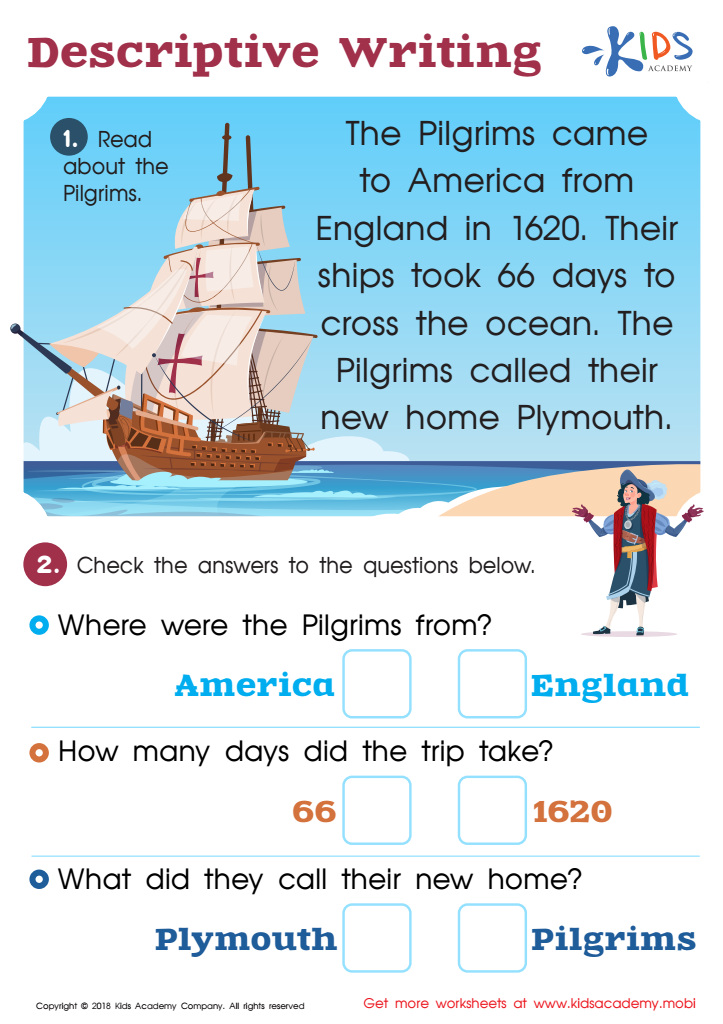
Descriptive Writing Worksheet: Part 1
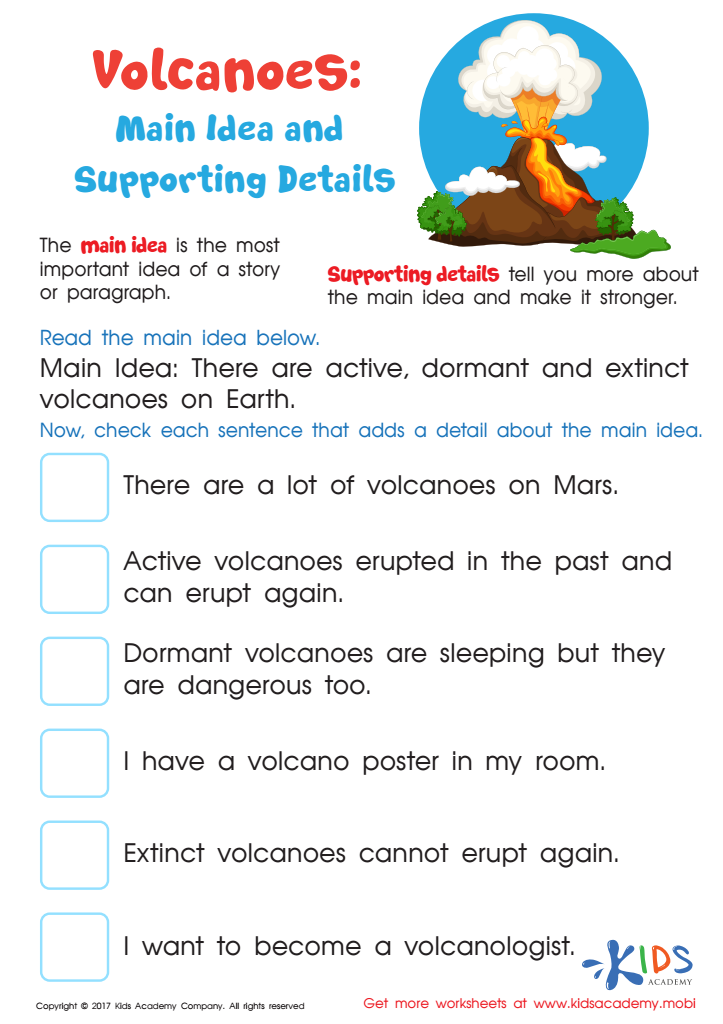
Volcano Facts Worksheet
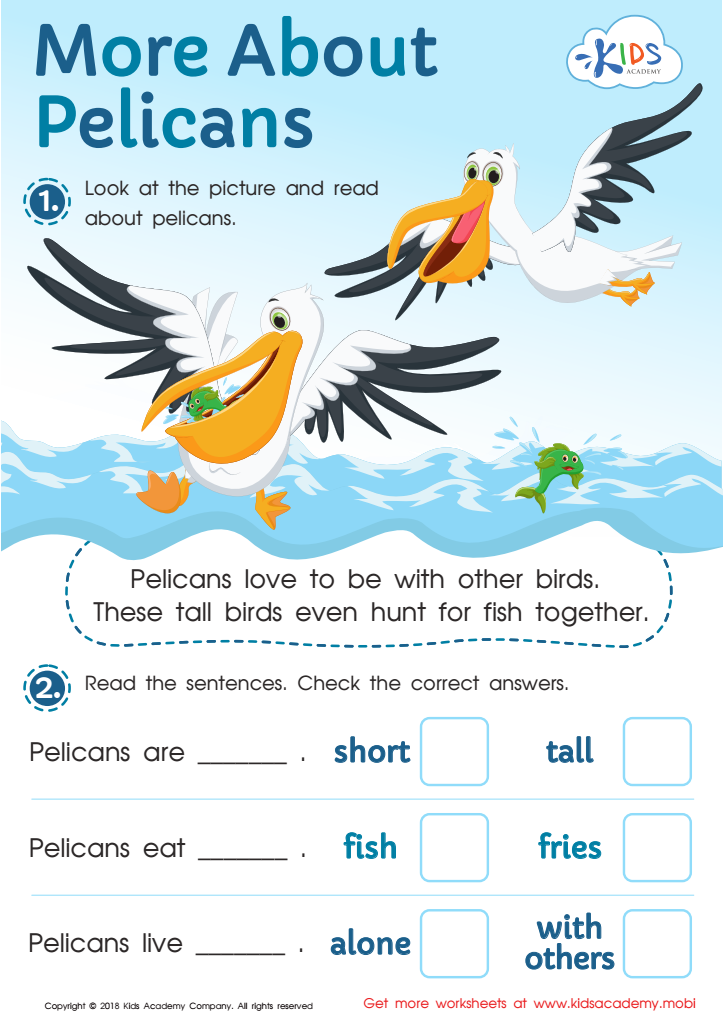
More About Pelicans Worksheet
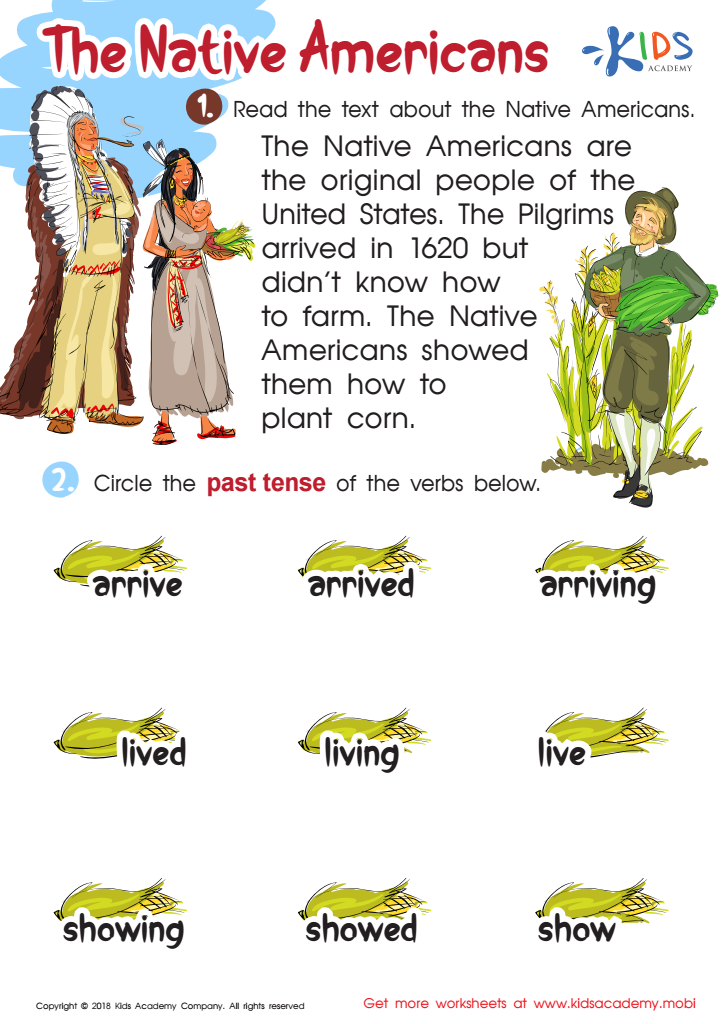
The Native Americans Worksheet
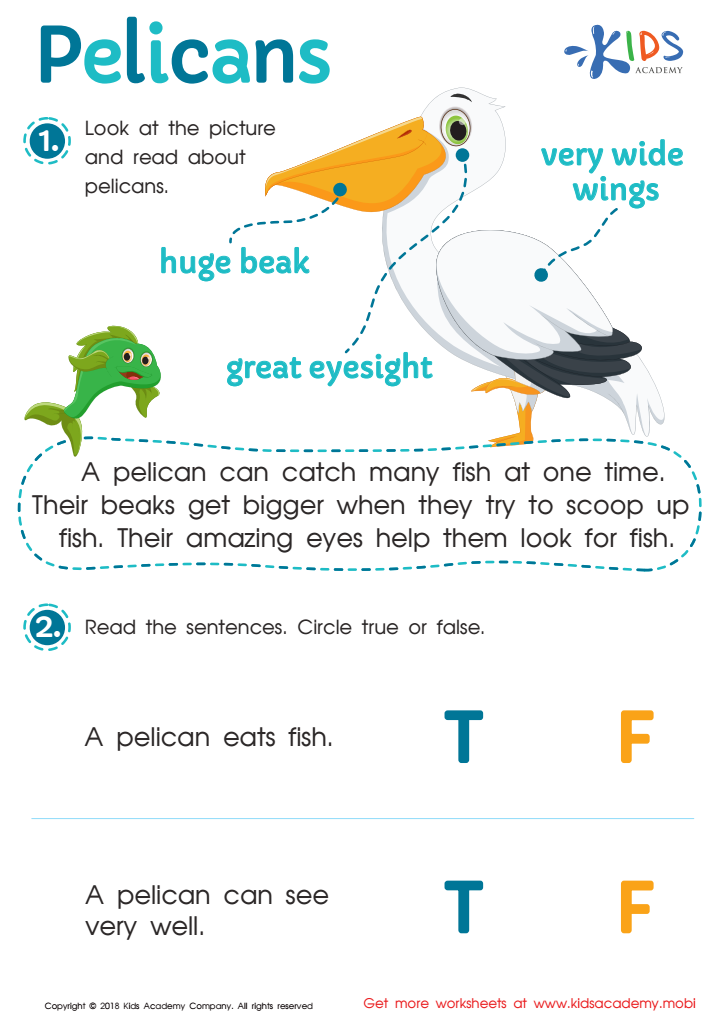
Pelicans Worksheet
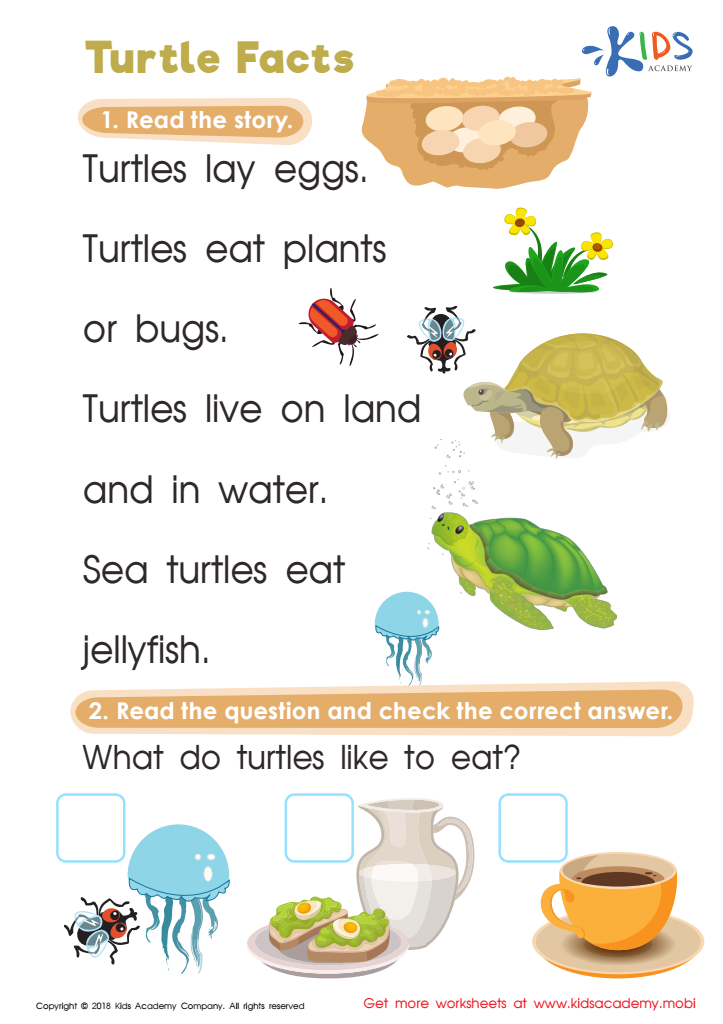
Turtle Facts Worksheet
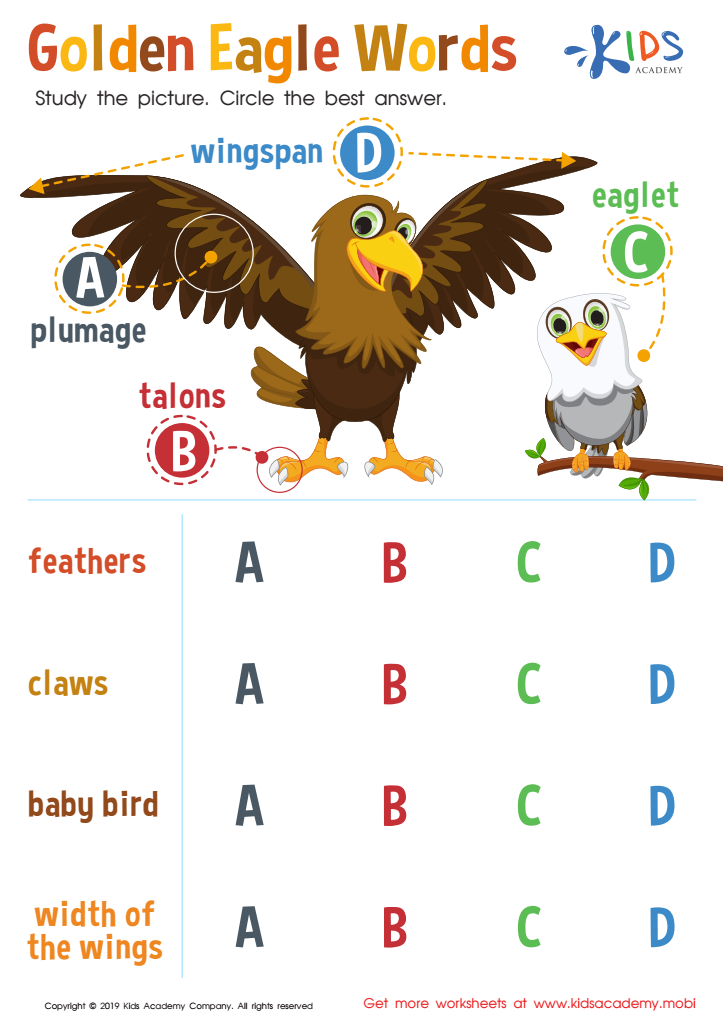
Golden Eagle Words Worksheet
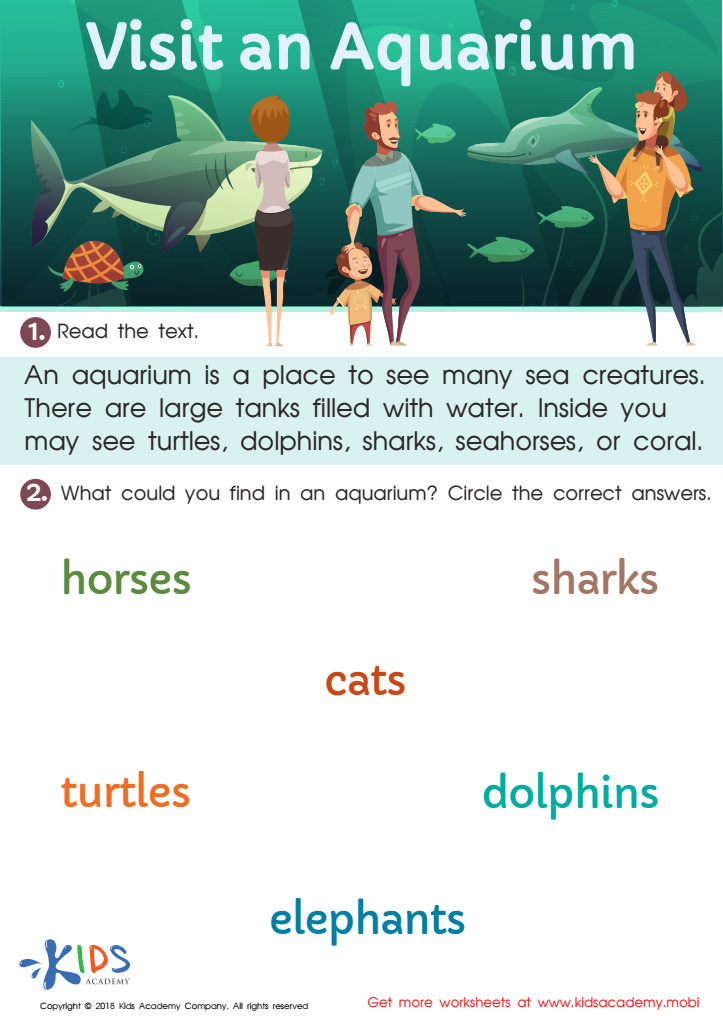
Visit an Aquarium Worksheet
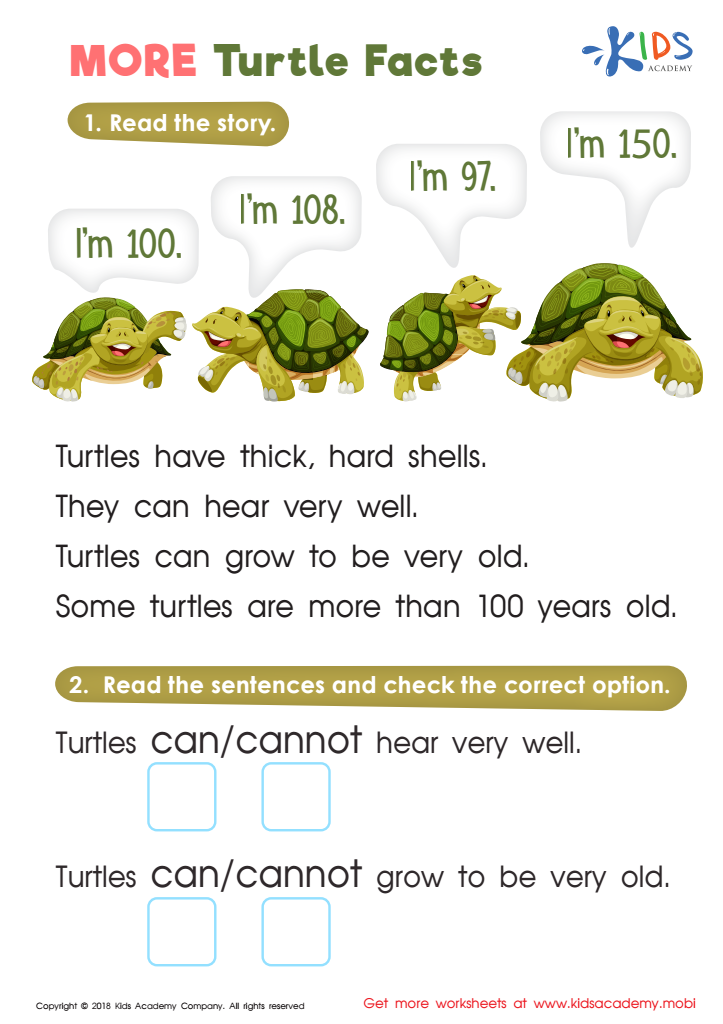
More Turtle Facts Worksheet
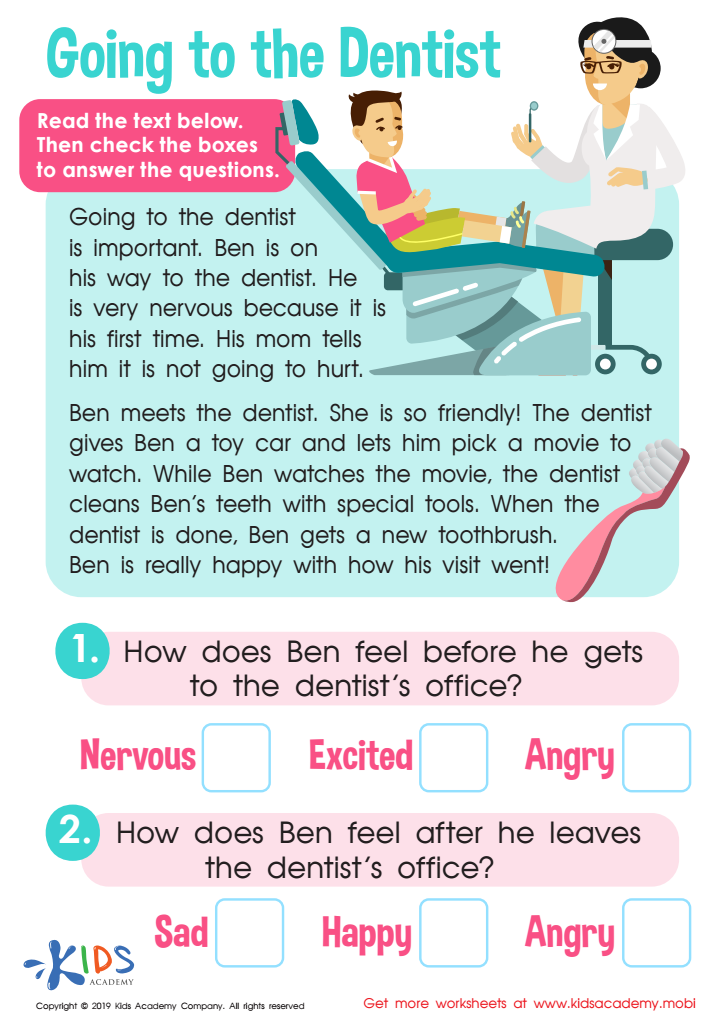
Going to the Dentist Worksheet
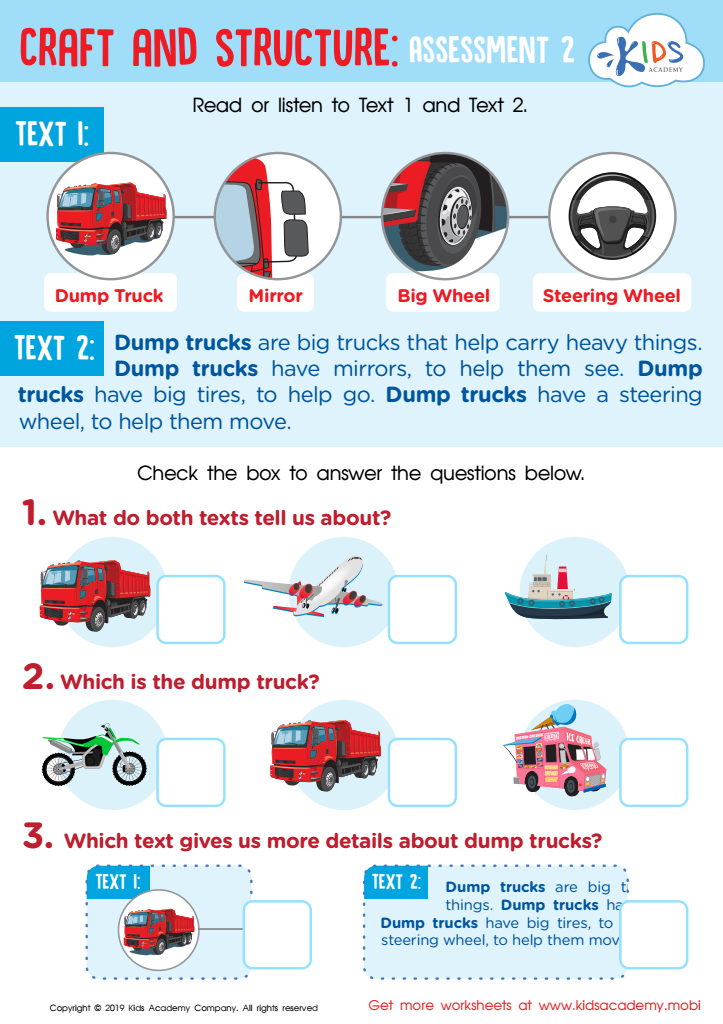
Craft and Structure: Assessment 2 Worksheet
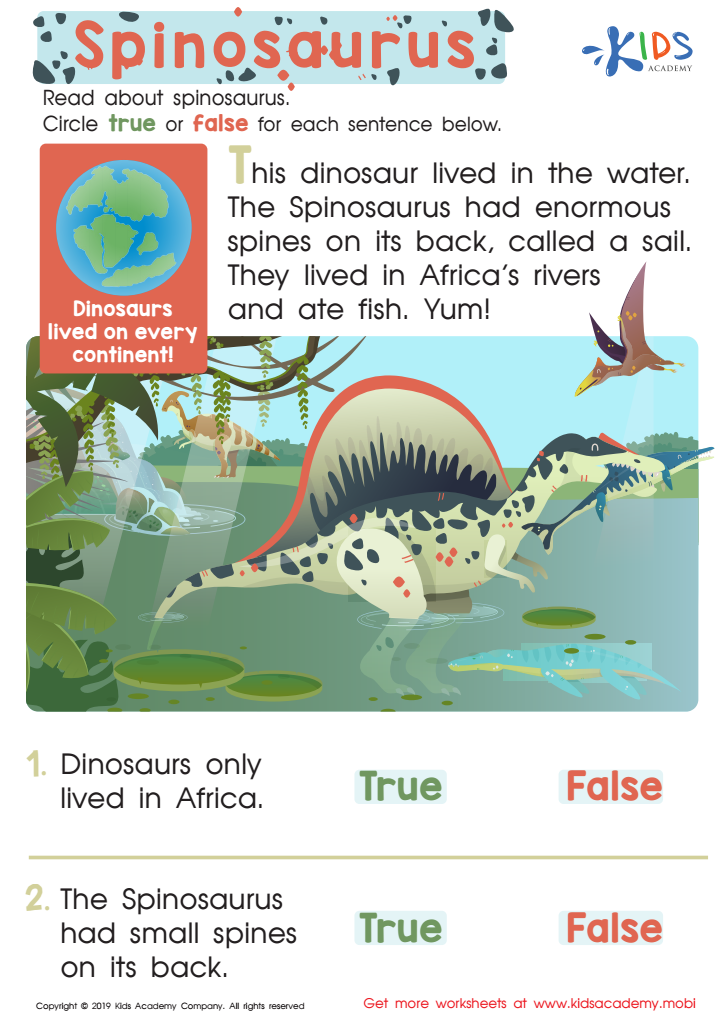
Spinosaurus Assessment Worksheet
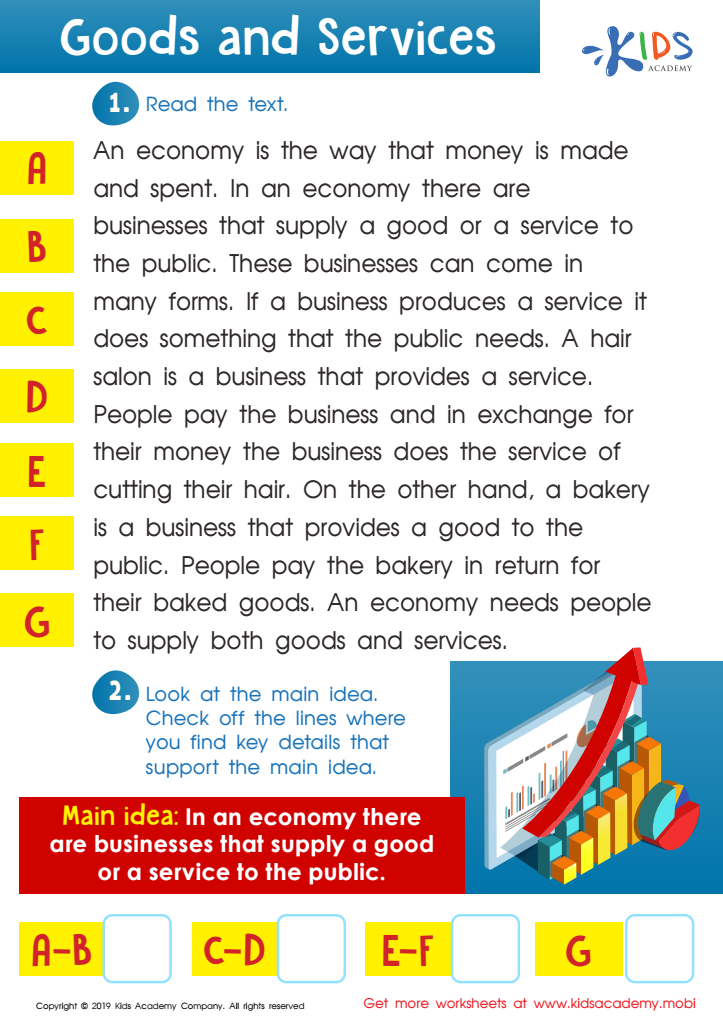
Goods and Services Worksheet
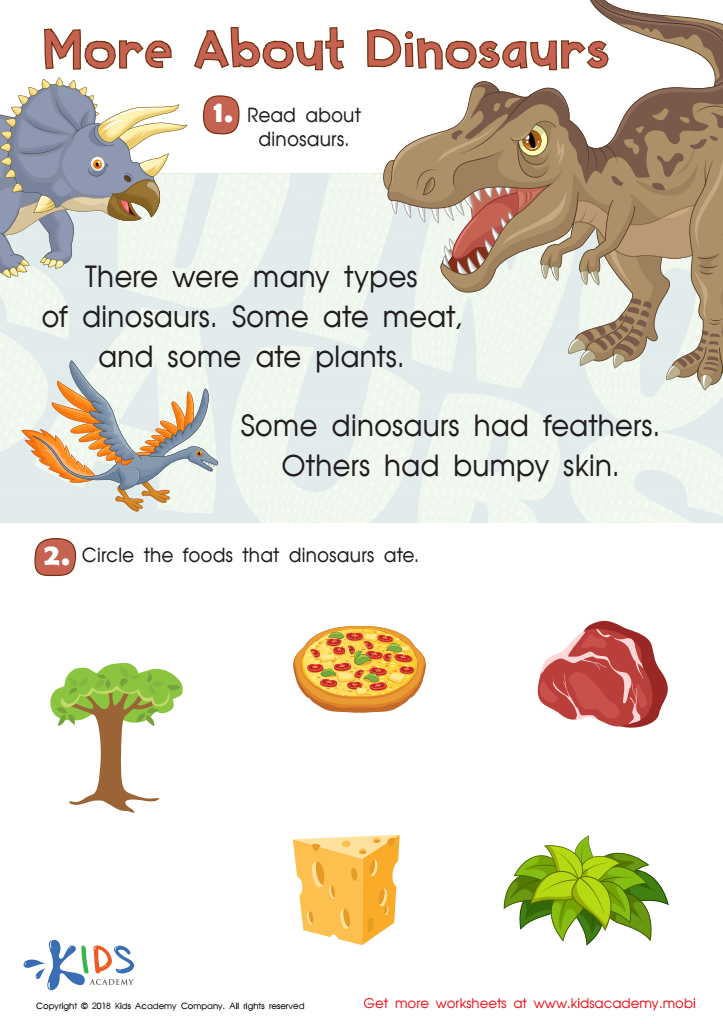
More About Dinosaurs Worksheet
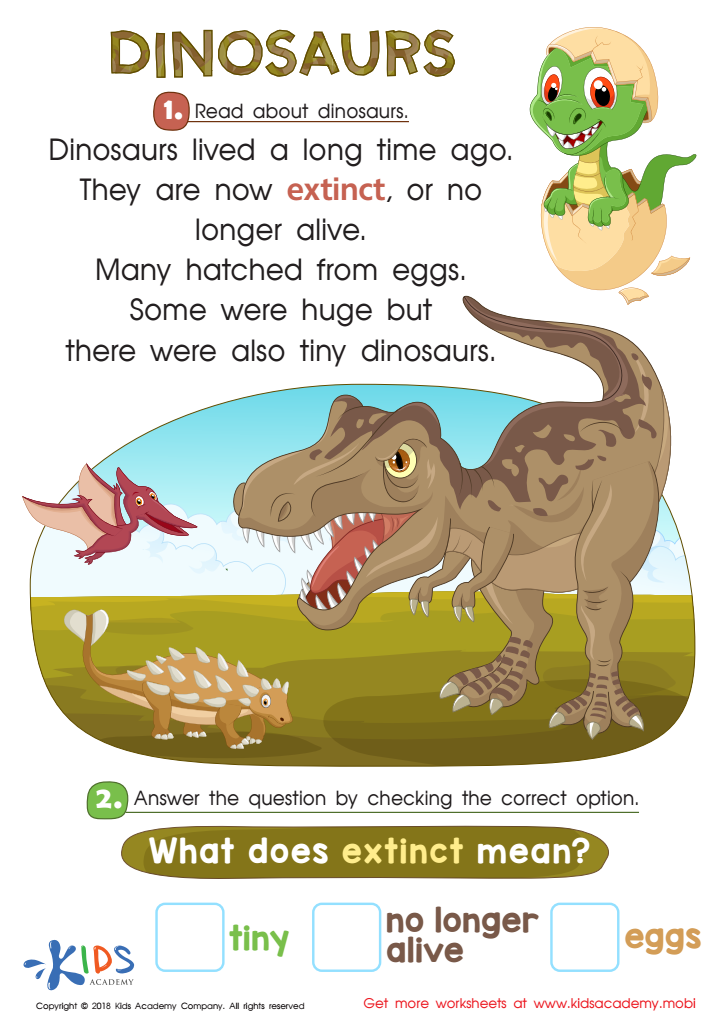
Dinosaurs Worksheet








Parents and teachers should prioritize vocabulary enhancement through reading non-fiction for children aged 6-9 because it plays a crucial role in cognitive and linguistic development. During this formative stage, children's brains are highly adaptable; introducing them to diverse vocabulary helps improve language skills, comprehension, and overall reading proficiency. Non-fiction texts expose children to real-world concepts, boosting curiosity and knowledge about various topics, from science to history. This exposure not only enriches vocabulary but also fosters critical thinking and analytic skills as children learn to process information, understand context, and differentiate between fact and opinion.
Additionally, when children encounter new terms in meaningful contexts, they are more likely to retain and use them in their own language. This foundational vocabulary builds confidence in communication—an essential skill for future academic and social interactions. Incorporating non-fiction reading encourages discussions about the content, promoting listening and speaking skills alongside reading, which supports total literacy development. Ultimately, vocabulary enhancement through non-fiction not only prepares children for academic success but also equips them with tools to navigate and understand the world around them, laying a foundation for lifelong learning and inquiry. Thus, it remains imperative for adults to facilitate this enriched reading experience.








