Addition Practice Sight Words Worksheets for Ages 6-9
8 filtered results
Difficulty Level
Grade
Age
-
From - To
Subject
Activity
Standards
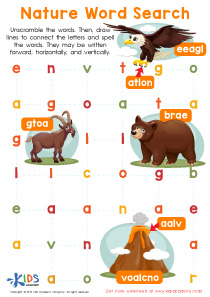
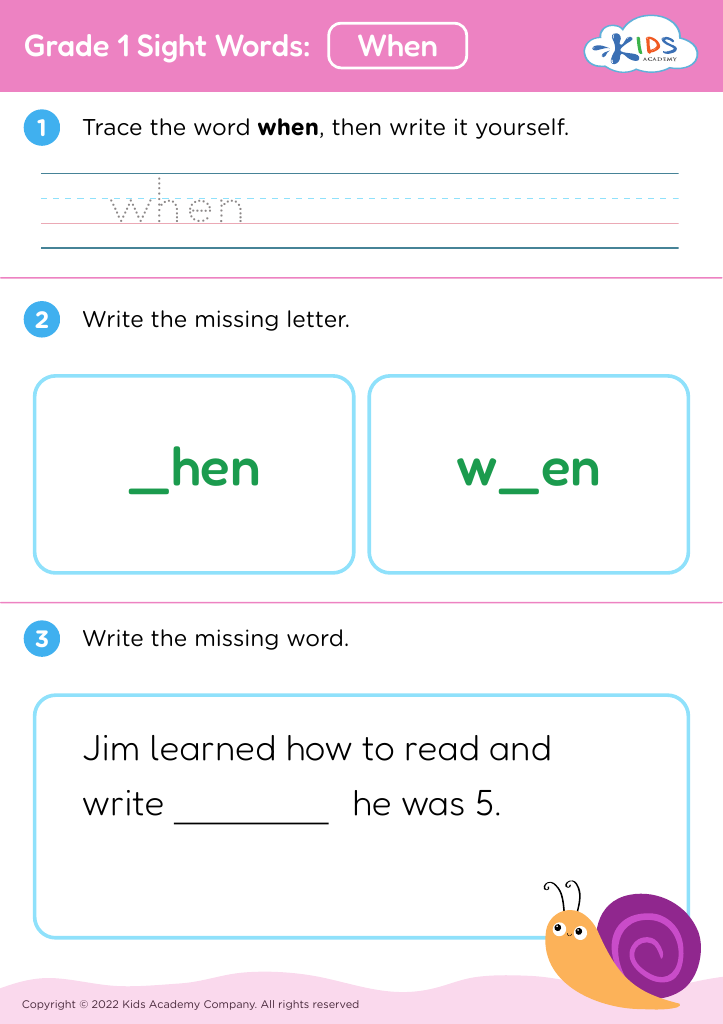
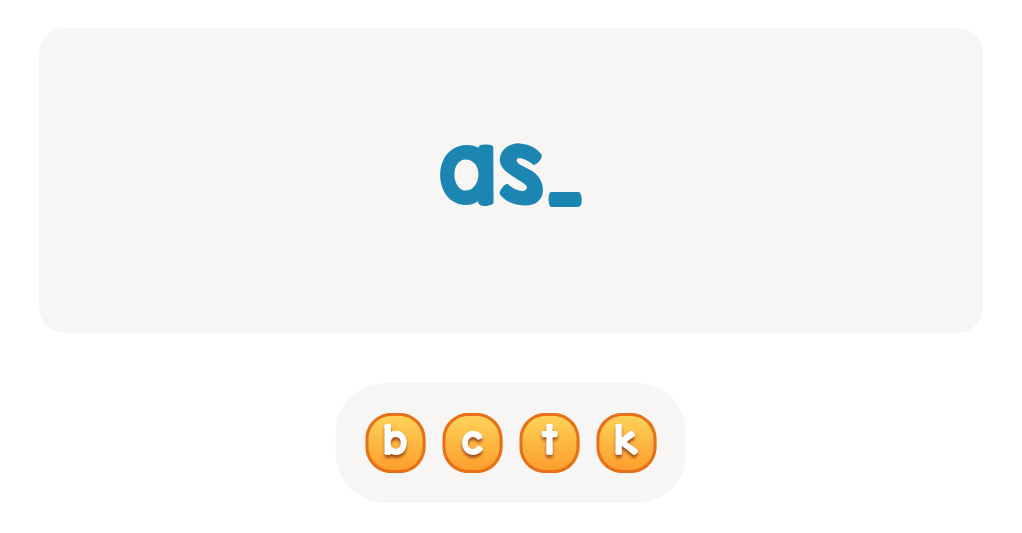
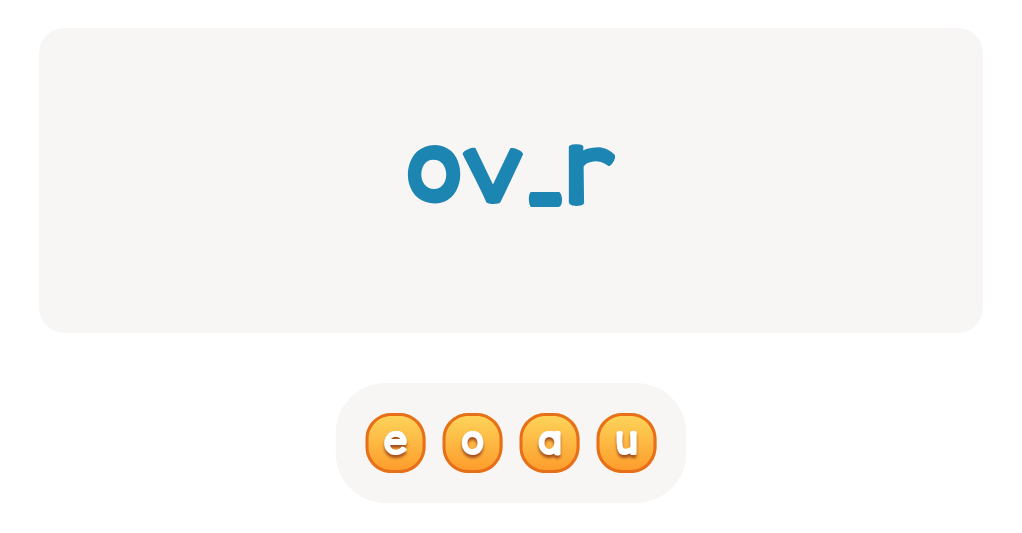
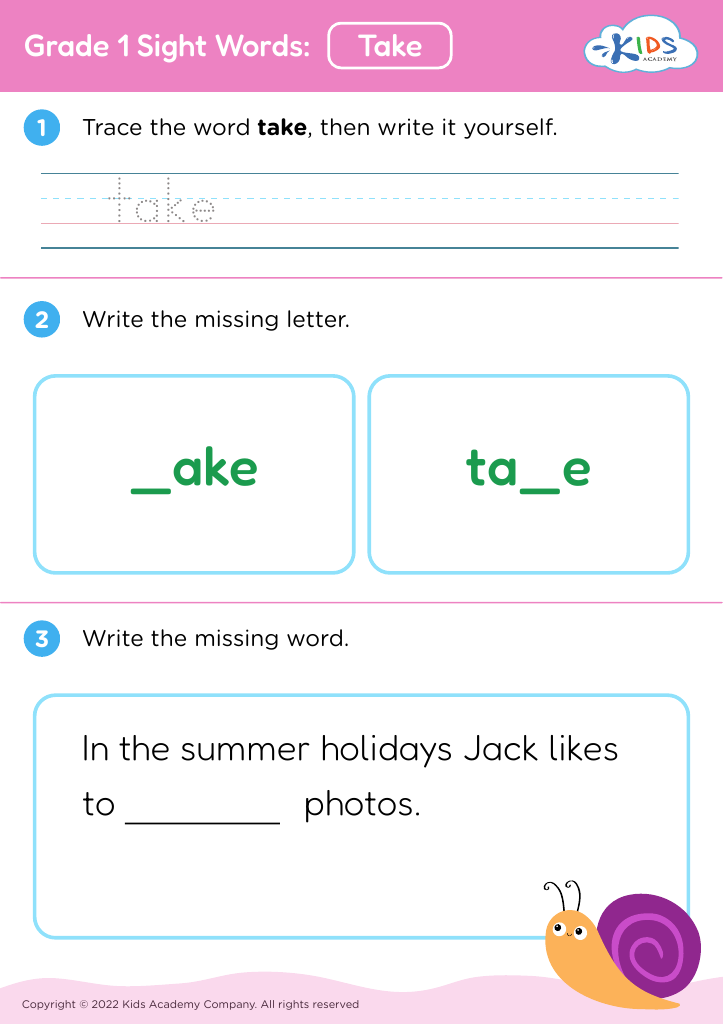
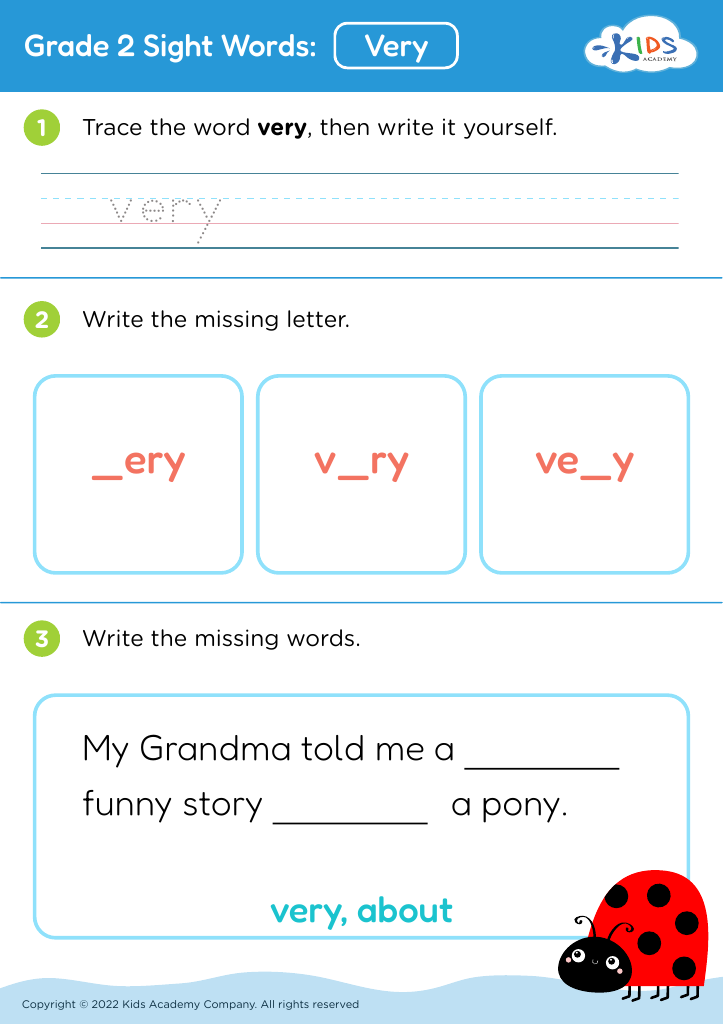
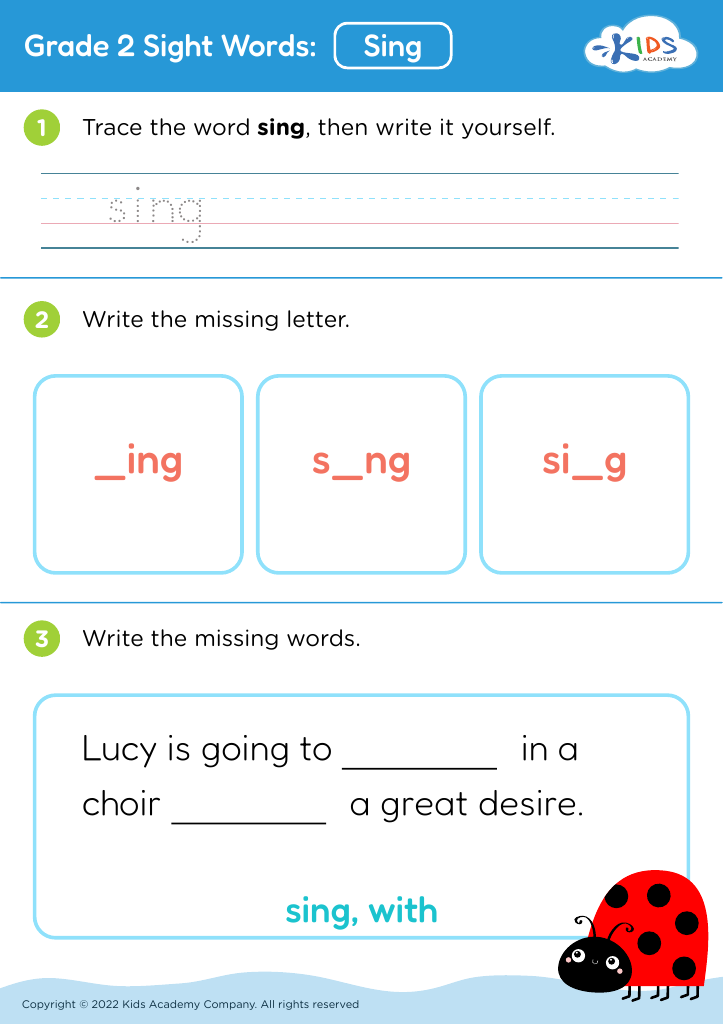
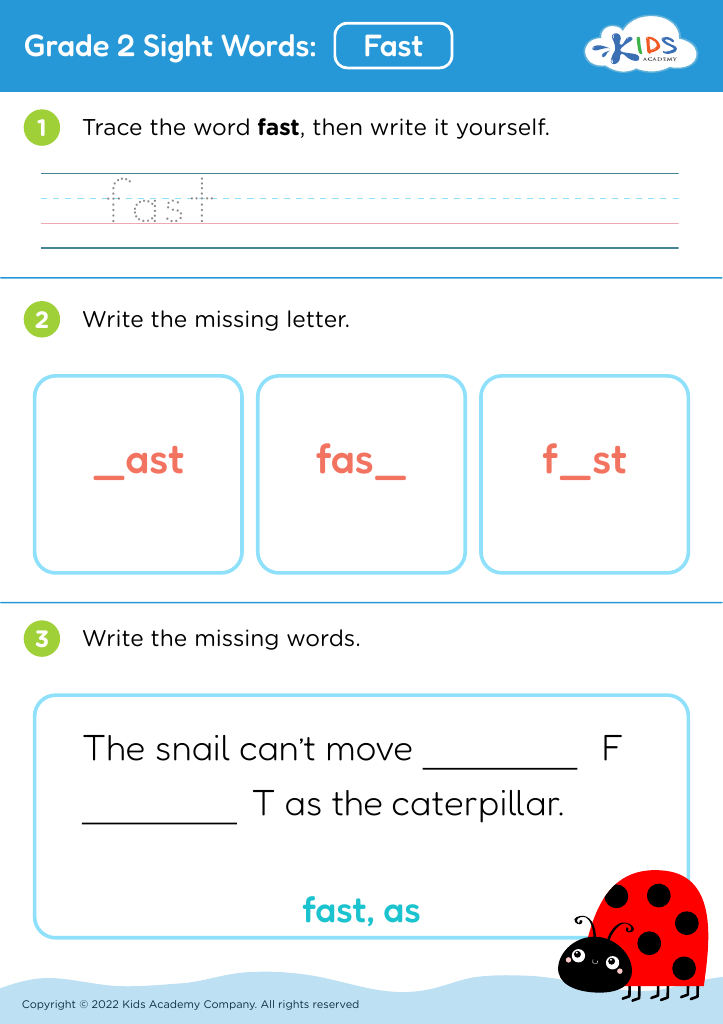
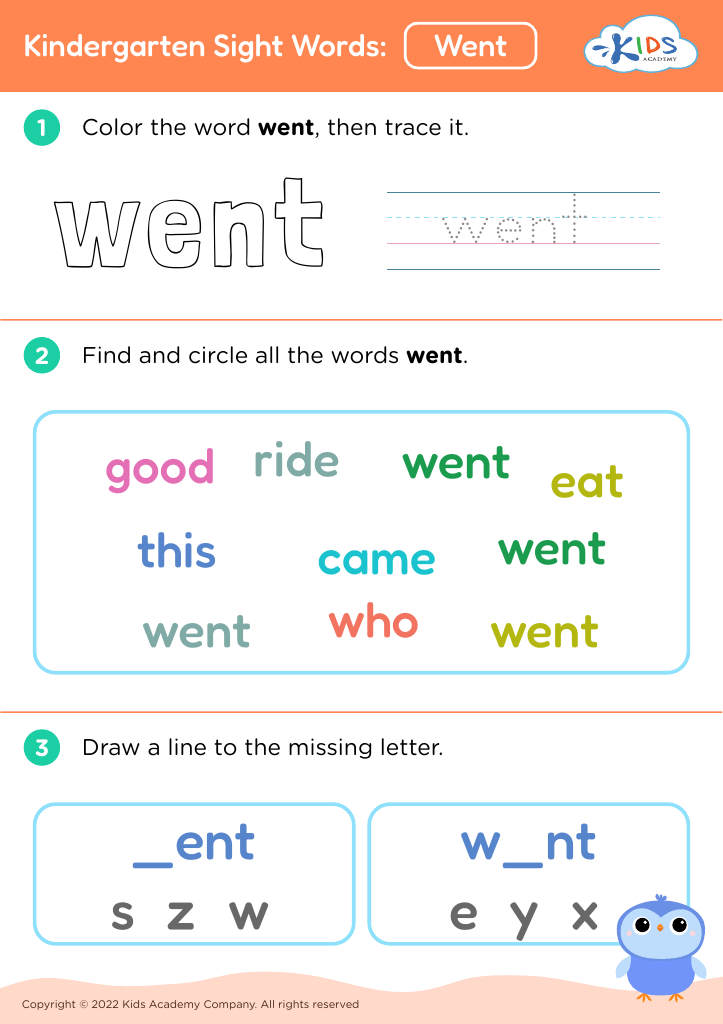
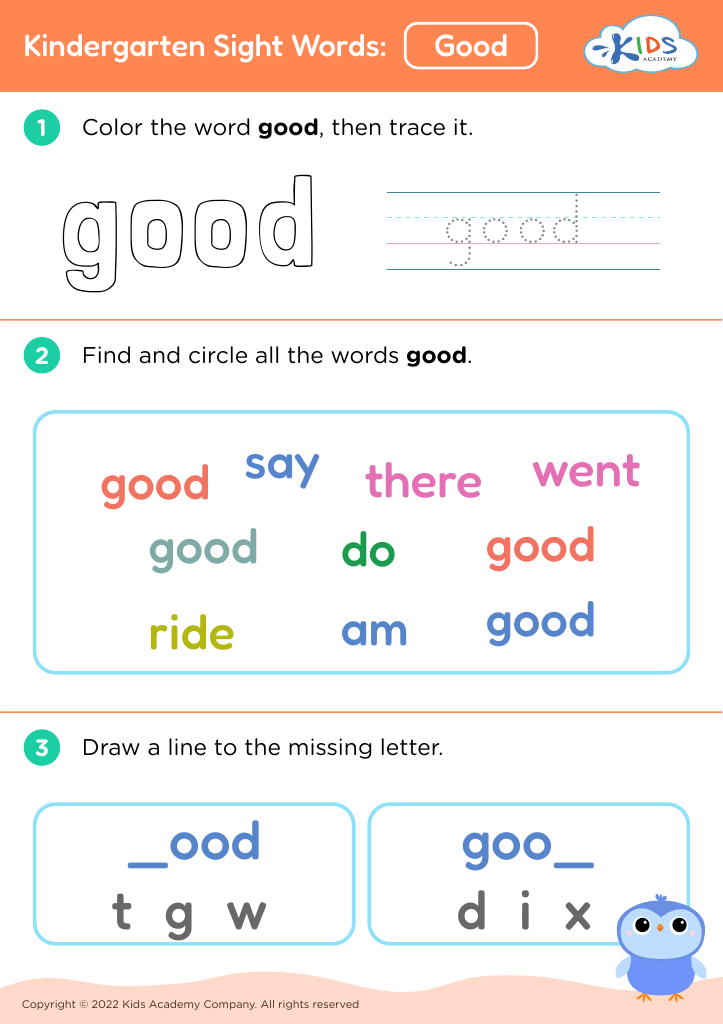
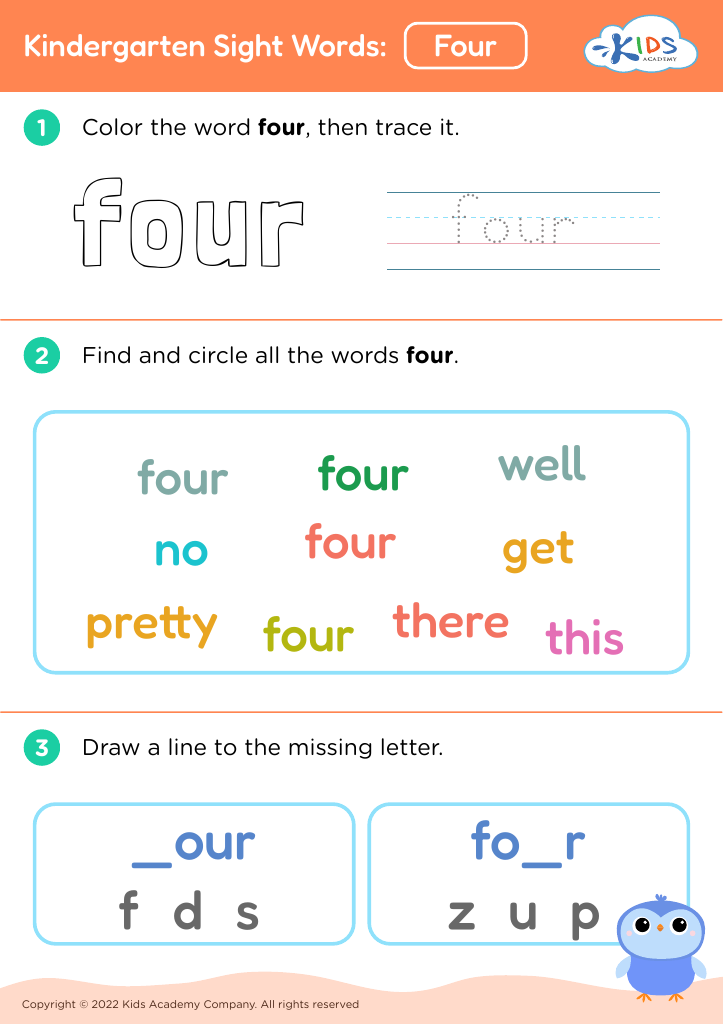
Introducing our Addition Practice Sight Words Worksheets designed for children ages 6-9! These engaging worksheets seamlessly combine sight word recognition with basic addition skills, making learning both fun and effective. Young learners will improve their vocabulary while practicing addition through interactive activities and colorful visuals. Each worksheet offers a variety of exercises that reinforce both math and reading capabilities. Perfect for teachers and parents, these worksheets provide essential practice to boost confidence and proficiency in arithmetic and language skills. Download now to support your child’s educational journey with these delightful and educational worksheets!
Favorites
With answer key
Interactive




Join Kids Academy for Free
Who is primarily going to use this learning content?








Addition Practice Sight Words are essential for children ages 6-9, as they play a crucial role in supporting foundational literacy and numeracy skills. At this stage, children are developing their ability to recognize and understand key words necessary for reading comprehension and problem-solving in mathematics. Incorporating sight words related to addition helps make math more approachable and relatable, fostering confidence in young learners.
Parents and teachers should prioritize addition practice sight words because they encourage fluency in both math and language. Children who can quickly recognize these essential terms can focus more on problem-solving rather than deciphering words. This dual-focus enhances overall academic performance and lays the groundwork for more complex concepts in later grades.
Additionally, visibility to these words during various practical applications—like games, worksheets, and real-life scenarios—makes the learning process engaging and relevant. Recognizing that math seeks to tell a story allows students to become active personnel in learning. For parents and teachers, fostering a well-rounded education relies on intertwining the disciplines of reading and mathematics, ensuring that students emerge as proficient, confident learners. This holistic approach can enhance their love for learning and provide better opportunities in their academic journey.