Vocabulary Building Sight Words Worksheets for Ages 6-9
5 filtered results
Difficulty Level
Grade
Age
-
From - To
Subject
Activity
Standards
Enhance your child's reading skills with our Vocabulary Building Sight Words Worksheets for ages 6-9. Designed to make learning fun and effective, our worksheets help young learners easily recognize, read, and write essential sight words, laying a strong foundation for fluent reading. Each activity is crafted to build vocabulary, improve comprehension, and boost confidence in reading. Our engaging exercises and colorful illustrations make the learning process enjoyable, ensuring your child stays motivated and excited about reading. Dive into our printable resources today and watch your child achieve remarkable progress in their reading journey!
Favorites
With answer key
Interactive
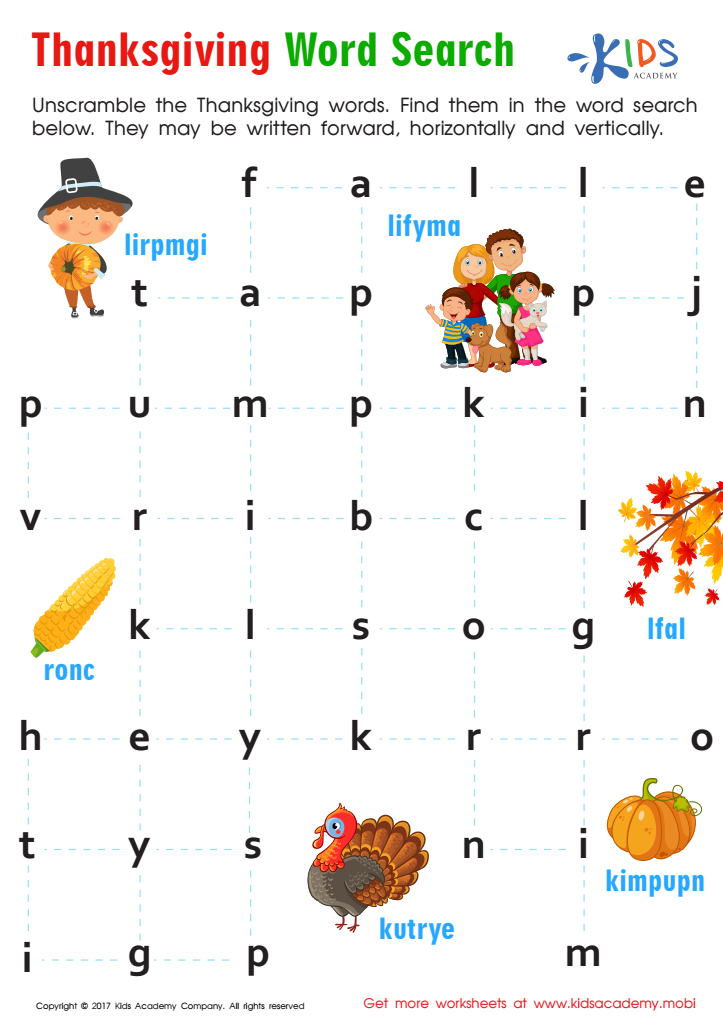
Thanksgiving Word Search Sight Words Worksheet
Unscramble letters to find Thanksgiving-themed sight words with this free worksheet! It's an exciting way to boost your child's reading skills. Download the PDF and enjoy!
 Assign to My Students
Thanksgiving Word Search Sight Words Worksheet
Worksheet



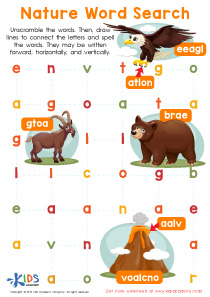
Animal Word Search Worksheet
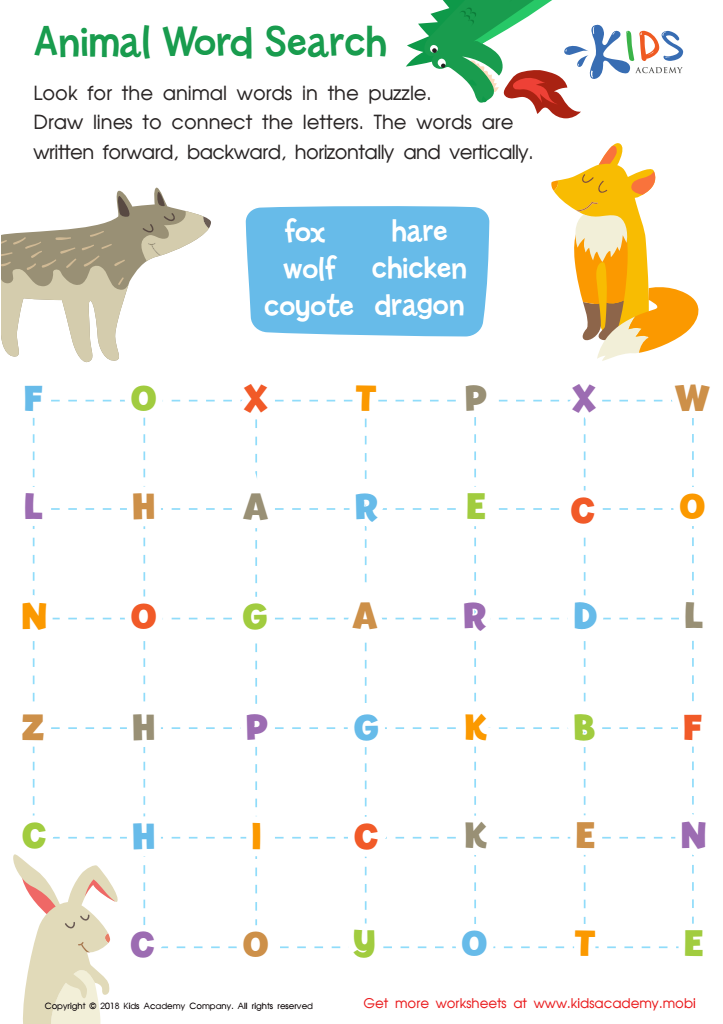
Students can have fun and strengthen spelling and vocabulary skills with this word search worksheet. Search for animal words and circle the letters in the puzzle. Words can be found forwards, backwards, horizontally or vertically, providing a great challenge to foster critical thinking skills. An enriching activity for all ages!
Animal Word Search Worksheet
Worksheet
Join Kids Academy for Free
Who is primarily going to use this learning content?








Vocabulary building, particularly through sight words, plays a crucial role in the early educational development of children aged 6-9. At this stage, children's brains are incredibly receptive to new information, and establishing a robust vocabulary foundation can greatly benefit their reading and comprehension skills. Sight words, which are frequently used words that children are encouraged to recognize without having to sound them out, are essential because they simplify text and make reading more fluid and enjoyable.
By learning sight words, children can read with greater confidence and speed, reducing frustration and promoting a pleasant learning experience. This fluency opens the door to a broader range of reading materials, further expanding their vocabulary and language skills. Additionally, a rich vocabulary helps children express themselves clearly, enhances their ability to understand and follow instructions, and is closely linked to academic success in all subjects.
For teachers and parents, investing time in vocabulary building through sight words can create a positive educational environment where children feel supported and motivated to learn. It lays the groundwork for advanced literacy, comprehension, and critical thinking skills, which are indispensable throughout their educational journey and beyond. Consequently, focusing on sight words for early learners is not just beneficial—it is fundamental.