
Cognitive Development Animals Worksheets for Ages 6-9
5 filtered results
Difficulty Level
Grade
Age
-
From - To
Subject
Activity
Standards
Enhance your child's cognitive development with our engaging Animals Worksheets for Ages 6-9! Designed specifically to boost critical thinking and problem-solving skills, these fun-filled activities encourage young learners to explore the animal kingdom while honing their cognitive abilities. From matching games to a variety of puzzles, each worksheet promotes creativity and logical reasoning in a playful context. These resources are perfect for parents and educators looking to enrich their science curriculum or complement home learning. Discover how our cognitive development worksheets can inspire a love of learning in your child today! Start their educational journey with fun and effective activities!
Favorites
With answer key
Interactive
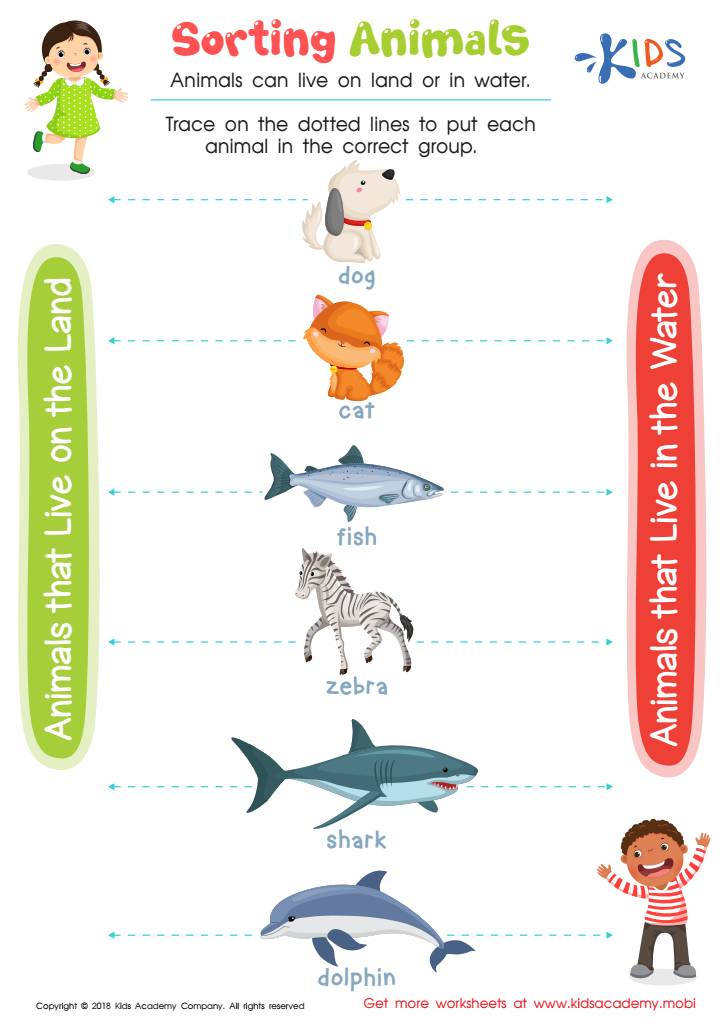
Sorting Animals Worksheet
Your kids will love this free, interactive worksheet! With image clues, they can read and trace the animal names, and then sort them into groups of land or water animals. It's an enjoyable way to boost their critical thinking, fine motor and prior knowledge skills.
 Assign to My Students
Sorting Animals Worksheet
Worksheet
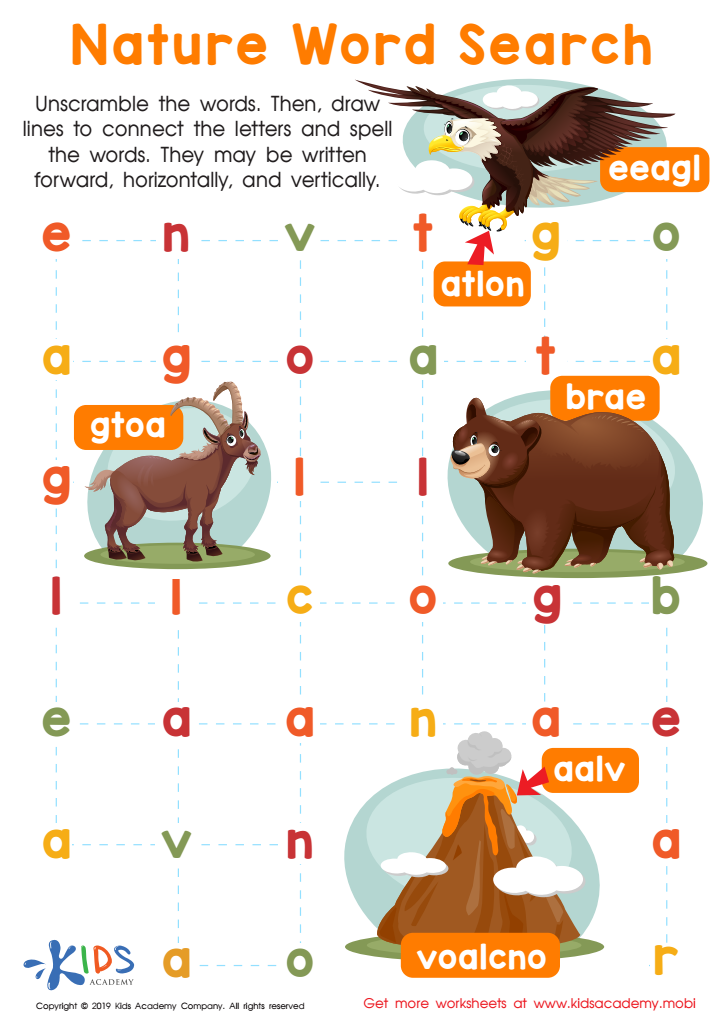
Nature Word Search Worksheet
Unscramble science vocabulary words and find them in this fun worksheet! Use the pictures as clues if you get stumped; you can also write down the words for reference. Solve the puzzle when you're done to finish!
Nature Word Search Worksheet
Worksheet
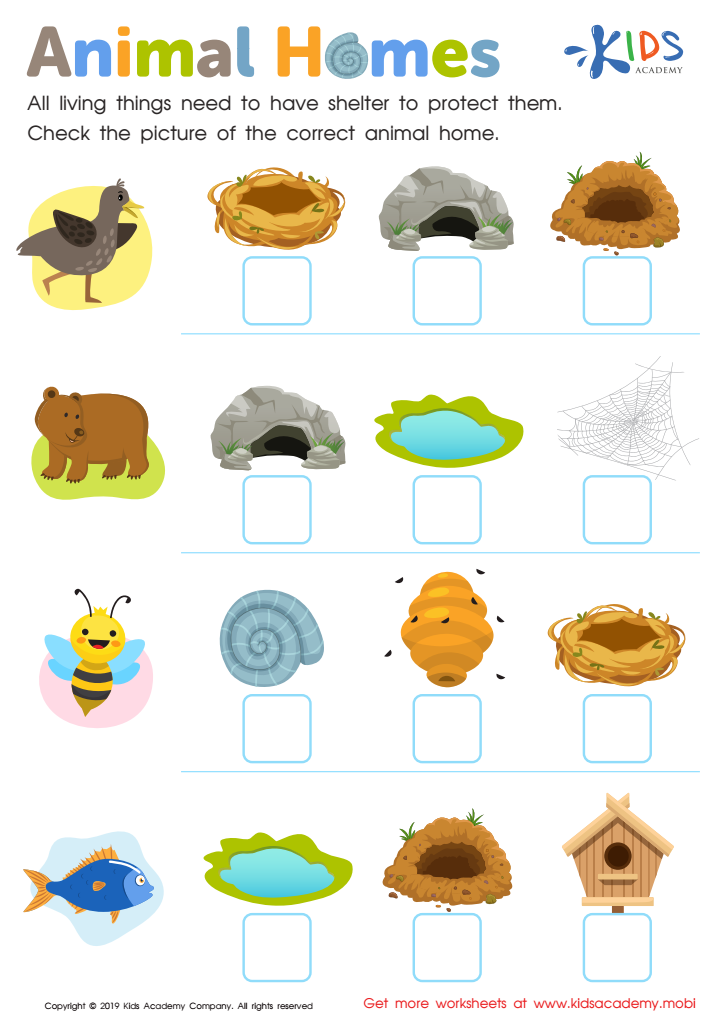
Animal Homes Worksheet
Students have homes where they can do things they love, sleep and stay safe from bad weather. Check the worksheet for animals and their shelters. Ask your kids to identify each and match the animal home to the picture. (80 words)
Animal Homes Worksheet
Worksheet
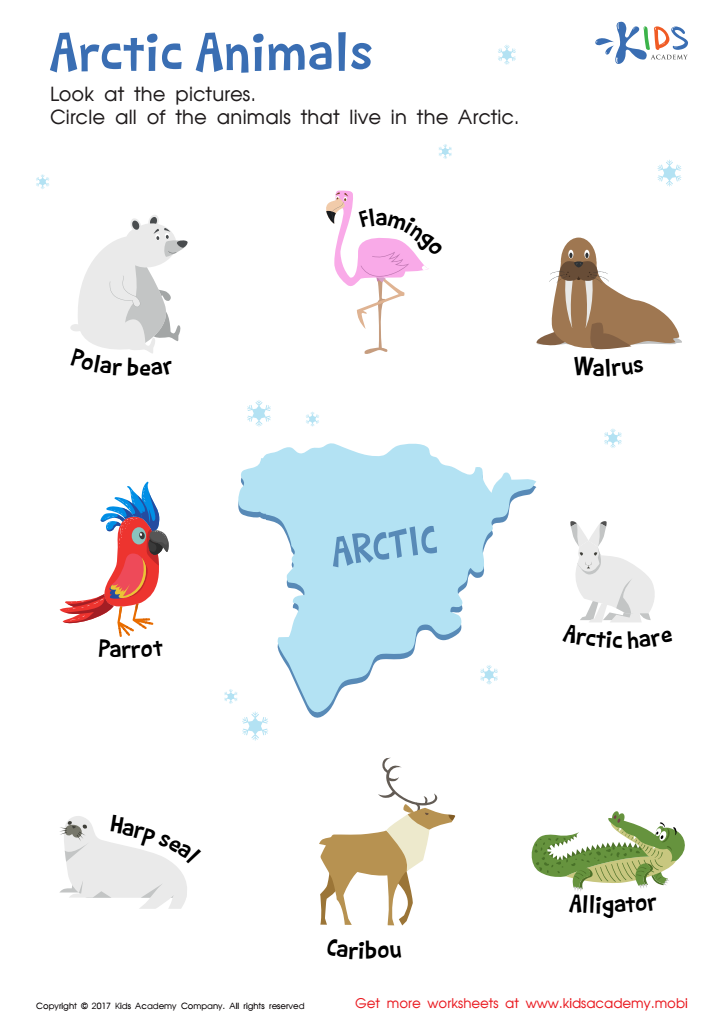
Arctic Animals Worksheet
Kids love animals and this worksheet is a great way to teach them where they live. It reinforces classification skills and introduces new animals, like the Arctic hare. Use it to discuss the Arctic climate and how these animals live, then ask your child where other animals live to keep the conversation going.
Arctic Animals Worksheet
Worksheet
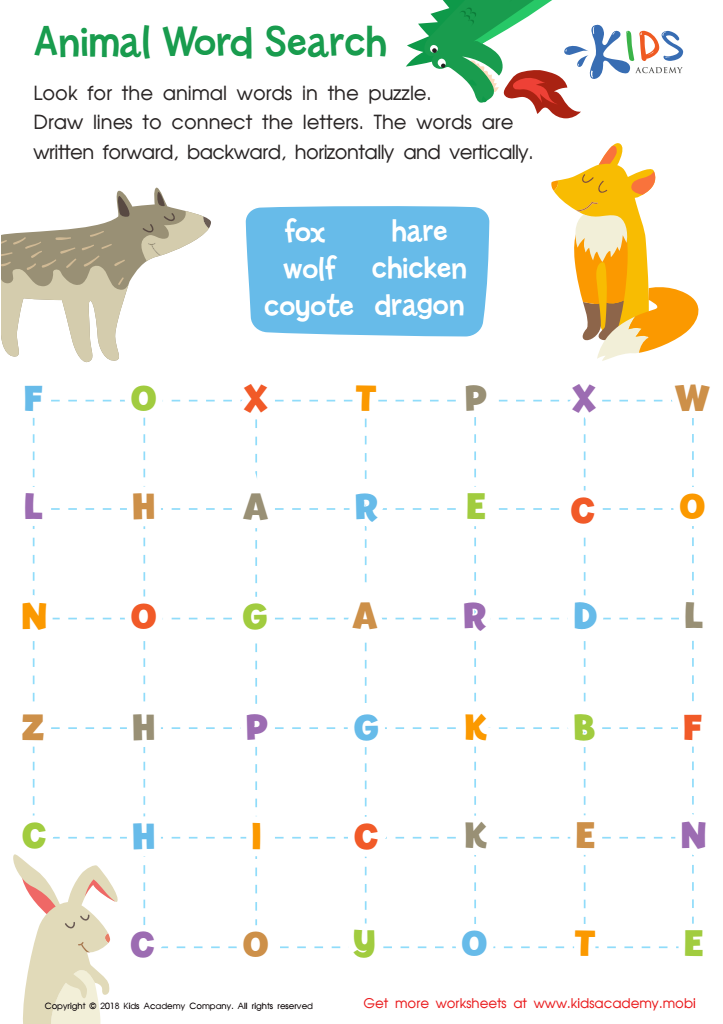
Animal Word Search Worksheet
Students can have fun and strengthen spelling and vocabulary skills with this word search worksheet. Search for animal words and circle the letters in the puzzle. Words can be found forwards, backwards, horizontally or vertically, providing a great challenge to foster critical thinking skills. An enriching activity for all ages!
Animal Word Search Worksheet
Worksheet
Join Kids Academy for Free
Who is primarily going to use this learning content?





%20(1).jpg)


Parents and teachers should care about cognitive development in animals for children aged 6-9 because this foundational understanding promotes empathy, critical thinking, and awareness of the natural world. During these formative years, children are highly receptive to new information, making it an ideal time to introduce concepts related to animal behavior, habitats, and ecosystems.
Learning about animals enhances cognitive skills by encouraging observation, analysis, and problem-solving. Engaging with animal-related content stimulates curiosity, allowing children to ask questions and seek answers, thereby developing inquiry-based thinking. Additionally, understanding animal development encourages children to recognize and appreciate biodiversity and the interconnectedness of life, fostering a sense of responsibility toward the environment.
Moreover, cognitive development related to animals can support social development. Discussions surrounding animal behavior can serve as a platform for children to share their thoughts and feelings, promoting communication skills and collaborative learning through group activities like nature walks and classroom projects.
Ultimately, fostering an understanding of animals and their development not only enriches a child's knowledge base but also cultivates a compassionate worldview, empowering them to become conscious, caring individuals in their community. Educators and parents play a crucial role in encouraging this holistic approach to learning and discovery.








