
Understanding syllables Grammar Worksheets for Ages 6-9
3 filtered results
Difficulty Level
Grade
Age
-
From - To
Subject
Activity
Standards
Unlock the power of words with our "Understanding Syllables" grammar worksheets designed specifically for children aged 6-9! These engaging resources help young learners grasp the concept of syllables through interactive exercises and fun activities. By breaking down words into their syllabic components, students enhance their reading skills and phonetic awareness. Our worksheets not only promote literacy development but also foster critical thinking as children practice identifying and manipulating syllables in different words. With vibrant visuals and clear instructions, these worksheets are perfect for reinforcing classroom learning or as supplemental home practice. Dive into the world of syllables and watch your child thrive!
Favorites
With answer key
Interactive
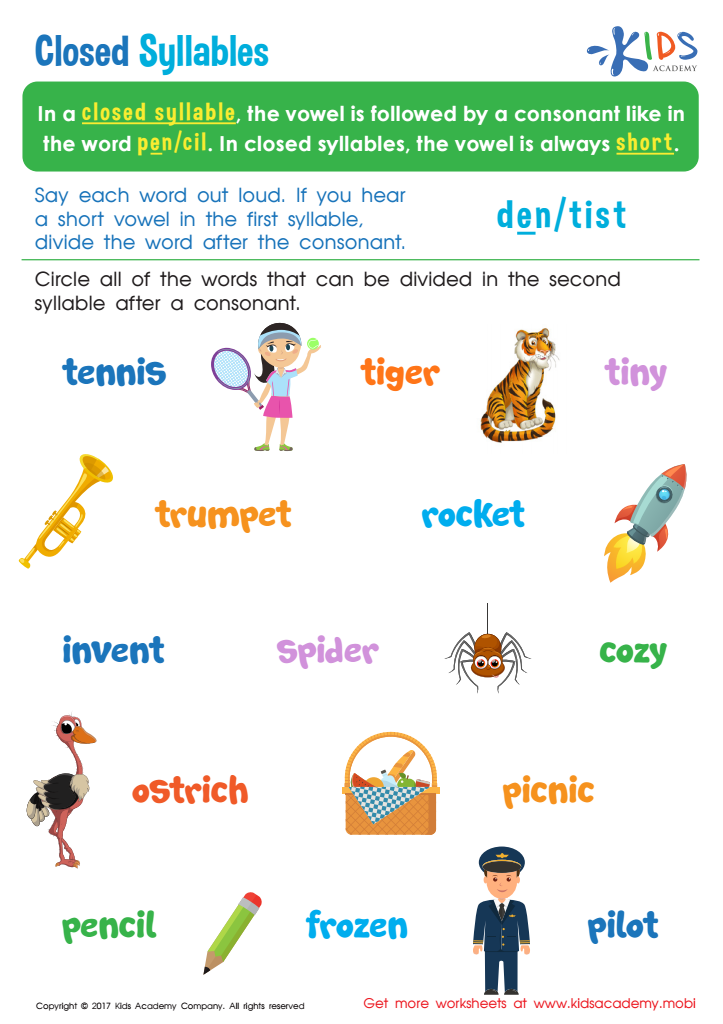
Closed Syllable Spelling Worksheet
Learning syllables can be tough, but we can make it easier! Look for long and short vowel sounds to identify closed syllables. This worksheet can help 3rd graders do just that, with its fun and colorful design.
 Assign to My Students
Closed Syllable Spelling Worksheet
Worksheet
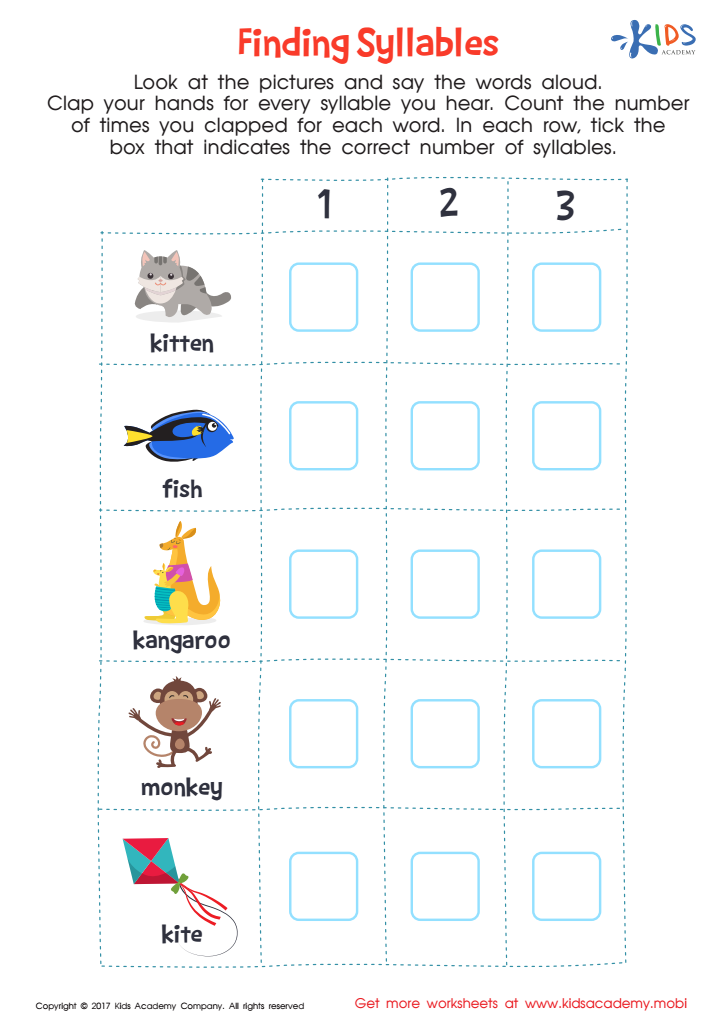
Finding Syllables Word Structure Worksheet
Have your kid clap and count syllables in words to improve their reading and spelling! Use this word structure worksheet for a fun activity - syllables!
Finding Syllables Word Structure Worksheet
Worksheet
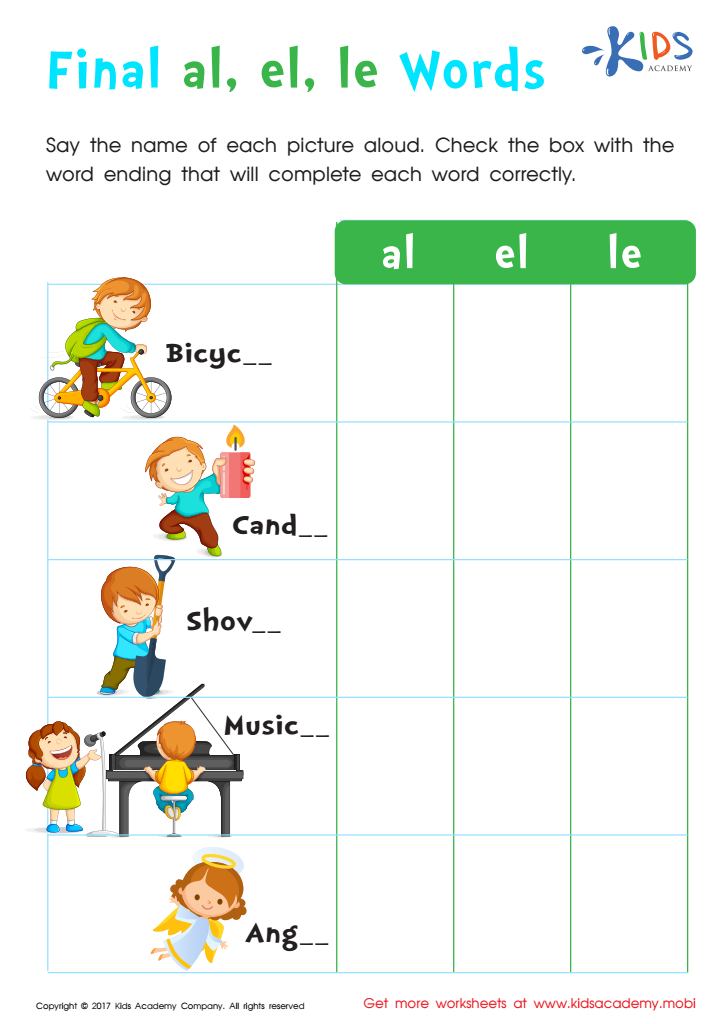
Spelling Words Ending with –le, –el and –al Worksheet
Spelling tricky words with the same ending sounds can be fun with this worksheet! Kids learn to spell -le, -el, and -al words while enjoying colorful pictures. It's a great way to refine their usage of tricky word endings.
Spelling Words Ending with –le, –el and –al Worksheet
Worksheet
Join Kids Academy for Free
Who is primarily going to use this learning content?



.jpg)

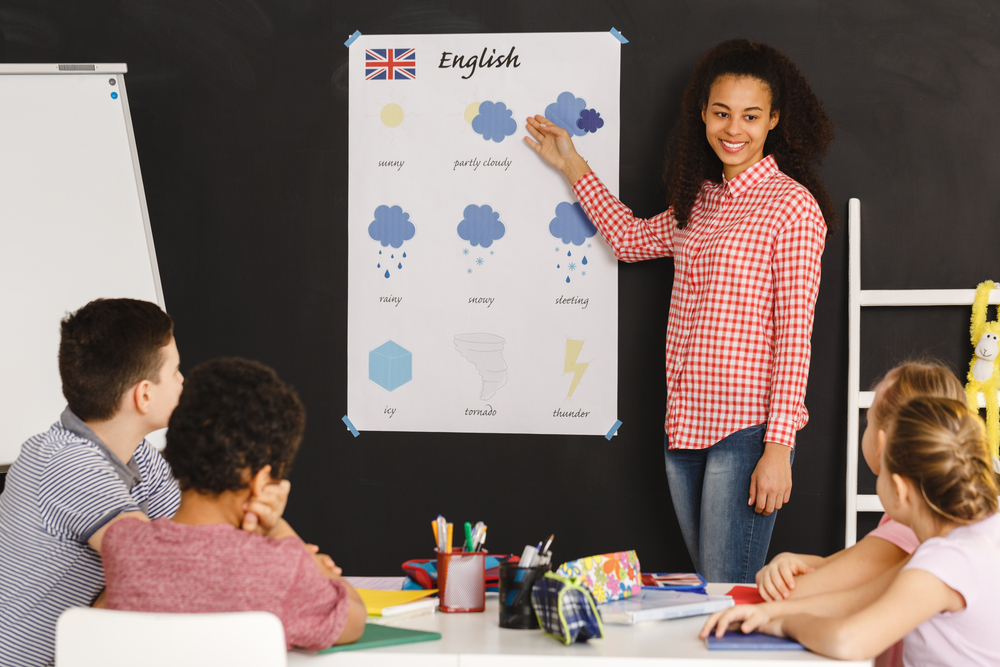

Understanding syllables is crucial for children ages 6-9 as it lays the foundation for reading, writing, and effective communication. Syllables are the building blocks of words; recognizing their structure helps children decode and pronounce unfamiliar words with confidence. This skill enhances vocabulary and assists in spelling systematically, fostering a more robust literacy development.
Teachers and parents should prioritize syllable awareness because it nurtures phonological awareness—a key component in early literacy. Children who grasp syllable concepts are better equipped to break down words, which is essential for reading fluency. Engaging with syllables also enriches language games, poetry, and rhymes, making learning both enjoyable and effective.
Beyond academics, understanding syllables helps children engage in conversations more effectively. It cultivates their ability to communicate fluidly, contributing to better listening and speaking skills. This educational focus holds importance not just in early grades but also sets the tone for future language skills as children progress through school.
In summary, nurturing syllable understanding is invaluable for fostering young learners’ literacy, enhancing communication, and building a lifelong love for language—an achievement that empowers them both personally and academically.








