Motor skills development ABC Letters Worksheets for 6-Year-Olds
3 filtered results
-
From - To
Boost your child's fine motor skills with our engaging "ABC Letters Worksheets for 6-Year-Olds"! Each worksheet is meticulously designed to promote dexterity through fun and educational activities. From tracing and writing letters to coloring and matching, these worksheets help children develop crucial handwriting skills while reinforcing their ABC knowledge. Perfect for making learning enjoyable, they support school readiness and build confidence in young learners. Download now from Kids Academy and watch as your child hones both their motor skills and literacy, paving the way for a successful academic journey!
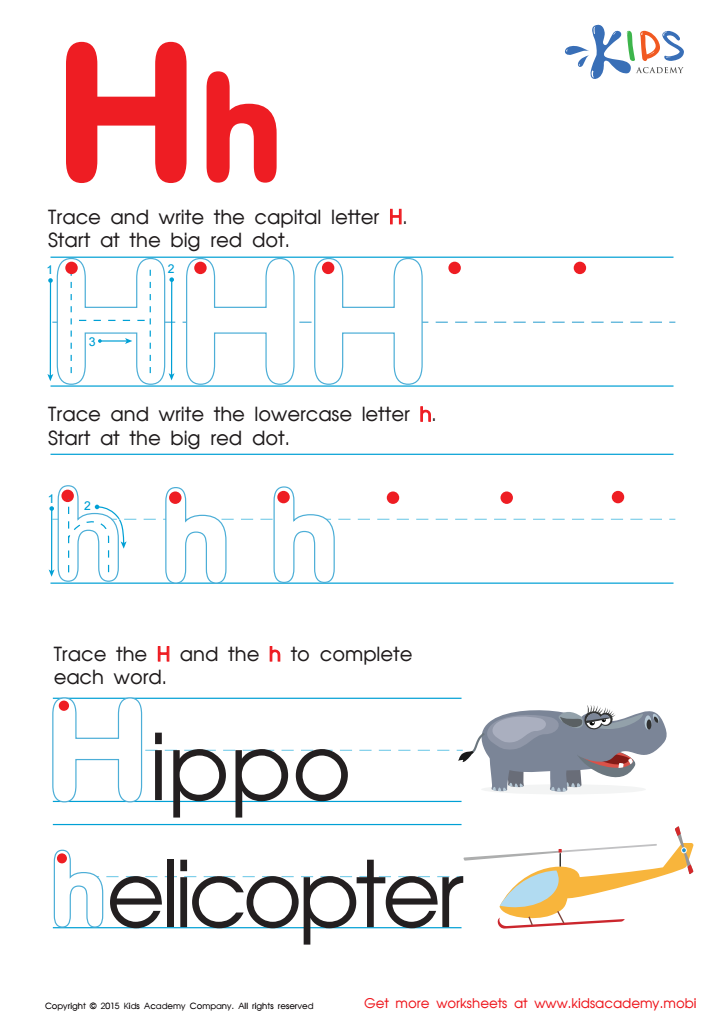
Letter H Tracing Page








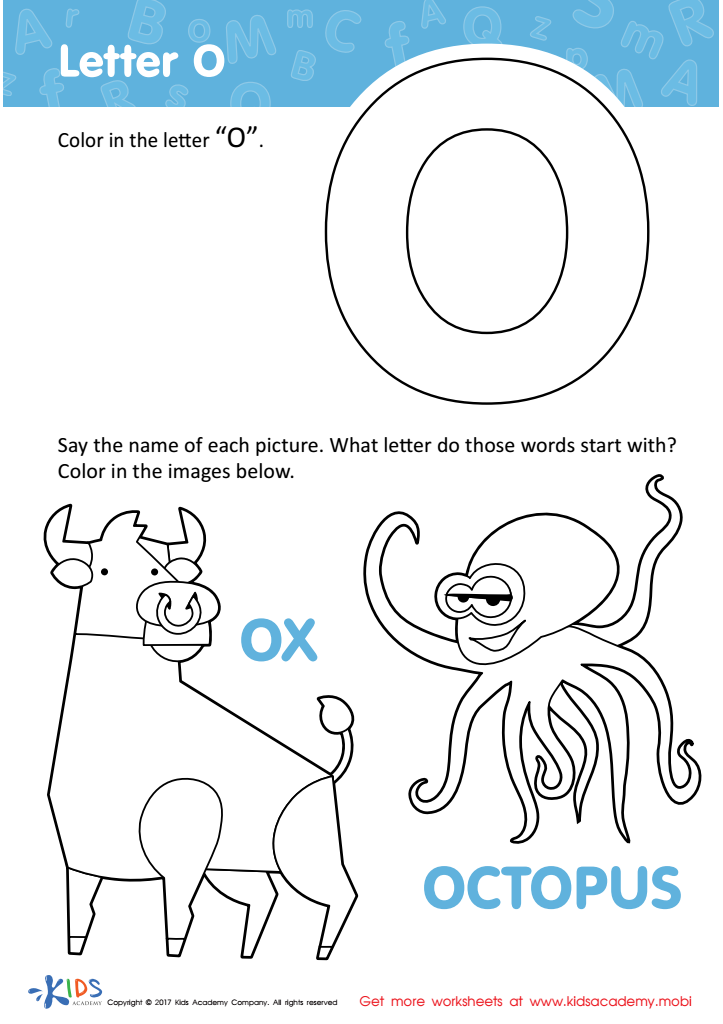
Letter O Coloring Sheet
 Assign to My Students
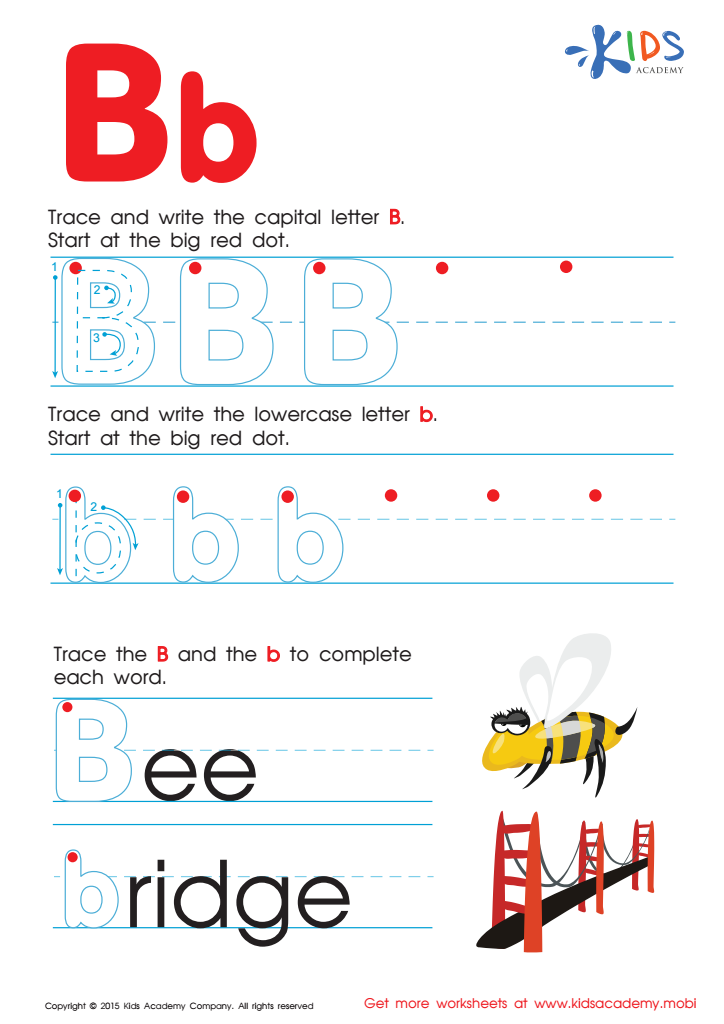
Letter B Tracing Page








Parents and teachers should prioritize the development of motor skills for 6-year-olds through activities such as practicing ABC letters because it lays a crucial foundation for academic success and overall growth. At this age, children are at a pivotal stage where fine motor skills, the small movements involving fingers and hands, are developing rapidly. Activities like tracing, drawing, and writing letters not only strengthen these skills but also reinforce early literacy.
For instance, consistent practice with writing ABC letters enhances hand-eye coordination, which is essential for tasks that require precision. Such activities also promote cognitive skills, including spatial awareness and problem-solving abilities, as children learn the shapes and forms of letters. Additionally, improved fine motor skills directly contribute to more efficient and legible handwriting, a fundamental skill for classroom success.
Beyond academics, developing motor skills fosters independence in daily activities like dressing and feeding, boosting a child's self-esteem and confidence. It also provides a sense of accomplishment and encourages perseverance, which are important character traits.
Therefore, integrating motor skills development into early education through engaging activities focused on ABCs not only supports literacy but also contributes to a child's holistic development, setting them on a path towards successful learning and personal growth.







