Phonics improvement Alphabet Worksheets for 6-Year-Olds
3 filtered results
-
From - To
Enhance your 6-year-old's reading skills with our engaging Phonics Improvement Alphabet Worksheets! Designed to boost phonetic awareness, these worksheets feature interactive activities that focus on letter recognition, sound associations, and word formation. Each worksheet promotes essential early literacy skills through fun exercises, making learning enjoyable and effective. Perfect for home and classroom use, our printable resources help young learners master phonics concepts at their own pace. Encourage a love for reading and writing as your child explores letters and sounds, paving the way for future academic success. Discover the joy of learning with our thoughtfully crafted phonics worksheets today!
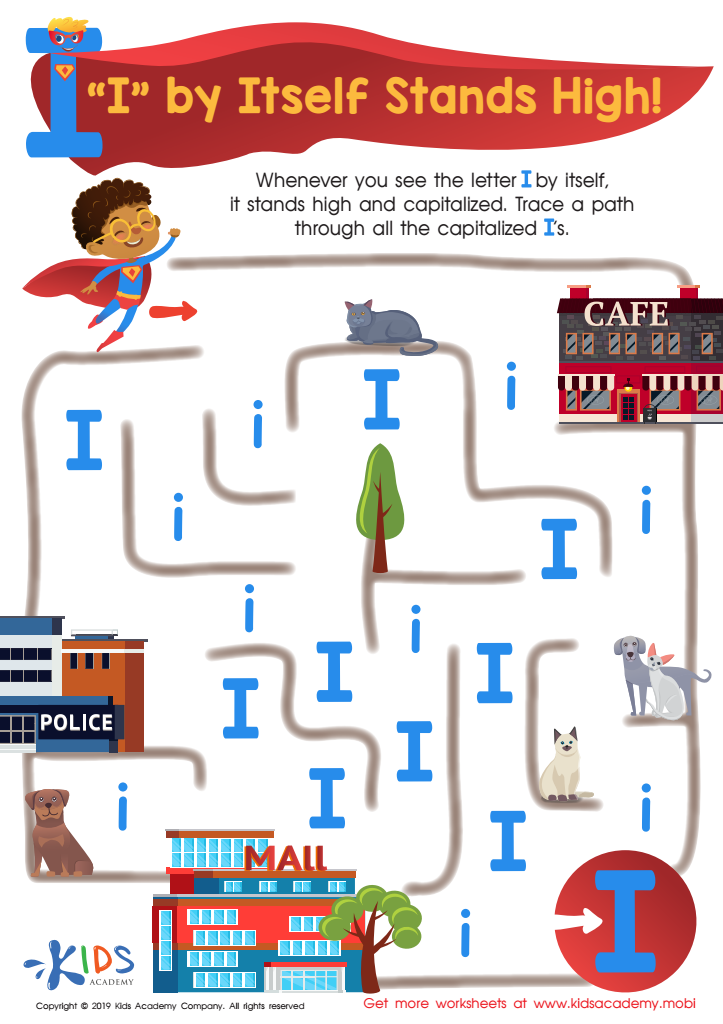
I Stands High Worksheet
 Assign to My Students
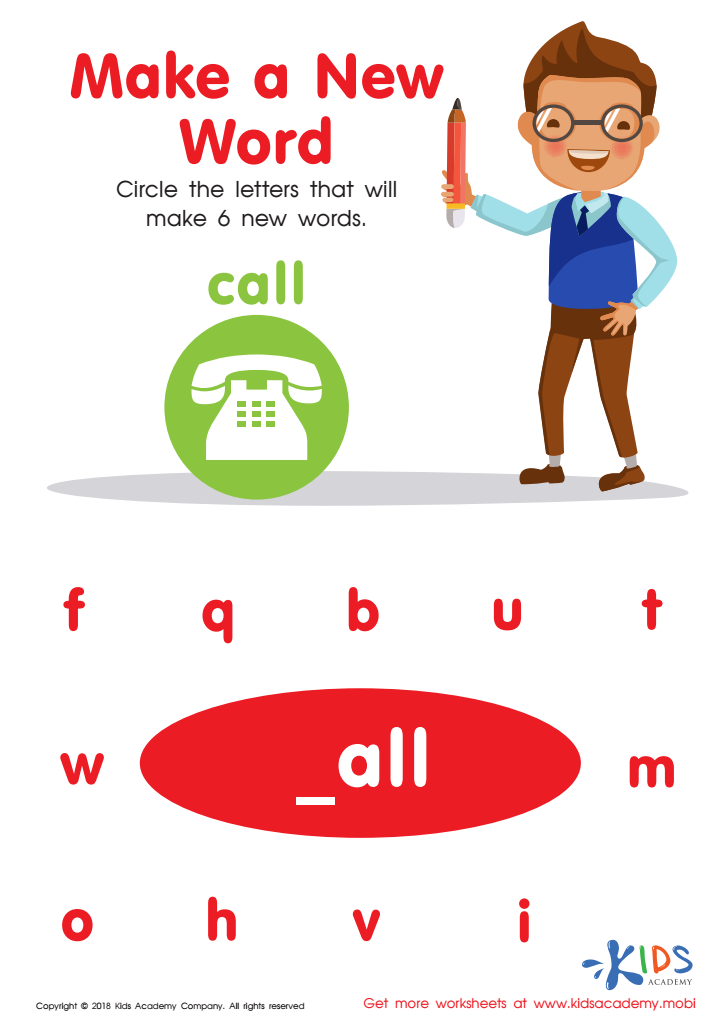
Make a New Word Worksheet
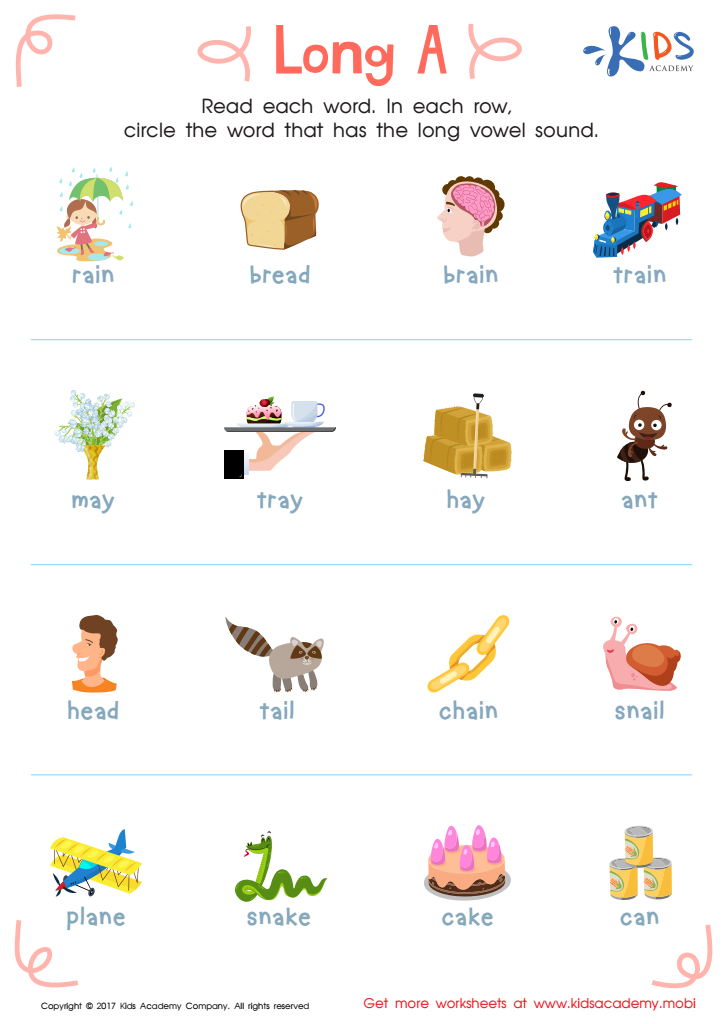








Phonics improvement for 6-year-olds is crucial as it lays the foundational skills for literacy and overall academic success. At this age, children are transitioning from learning to read to reading to learn. Phonics, the method of teaching reading by correlating sounds with letters, helps students decode words, enhancing their reading fluency and comprehension.
When parents and teachers prioritize phonics, they equip children with vital tools to recognize words, understand spelling patterns, and develop vocabulary. This not only fosters confidence in their reading abilities but also nurtures a love for literature, which can extend into lifelong reading habits.
Moreover, phonics proficiency significantly impacts a child’s ability to perform well in other subjects that require reading, such as math, science, and social studies. Early phonics instruction can also bridge achievement gaps, ensuring that all children, regardless of their starting point, receive the support they need to thrive.
By engaging in phonics activities, parents and teachers can create a positive learning environment, encourage collaboration, and reinforce classroom instruction at home. Ultimately, phonics improvement is a vital investment in a child’s educational journey, setting the stage for future academic and personal success.







