Phonics skills development Alphabet Worksheets for 6-Year-Olds
5 filtered results
-
From - To
Discover our engaging Phonics Skills Development Alphabet Worksheets designed specifically for 6-year-olds! These worksheets focus on enhancing essential phonetic skills through fun and interactive activities. Children will explore letter sounds, blending, and decoding through a variety of exercises, including letter tracing, matching games, and sound recognition drills. Our resources empower young learners to build the foundational skills necessary for reading success. Each worksheet is tailored to cater to different learning styles, ensuring that every child can master phonics at their own pace. Start fostering a love for reading and writing today with our comprehensive phonics worksheets!
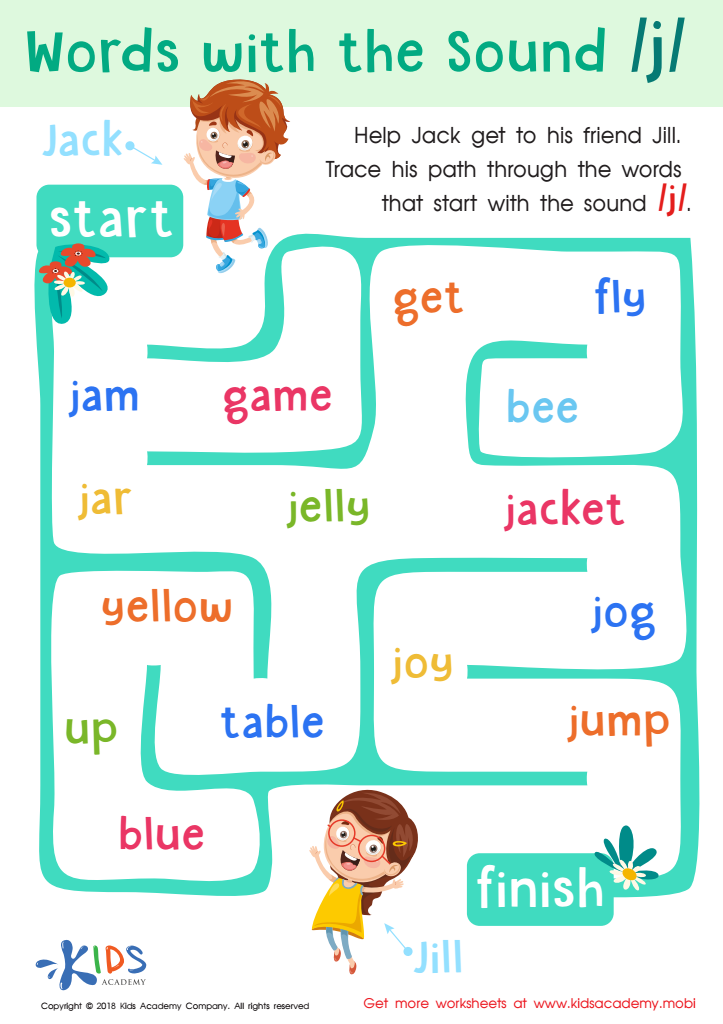
Words with sound j Reading Worksheet
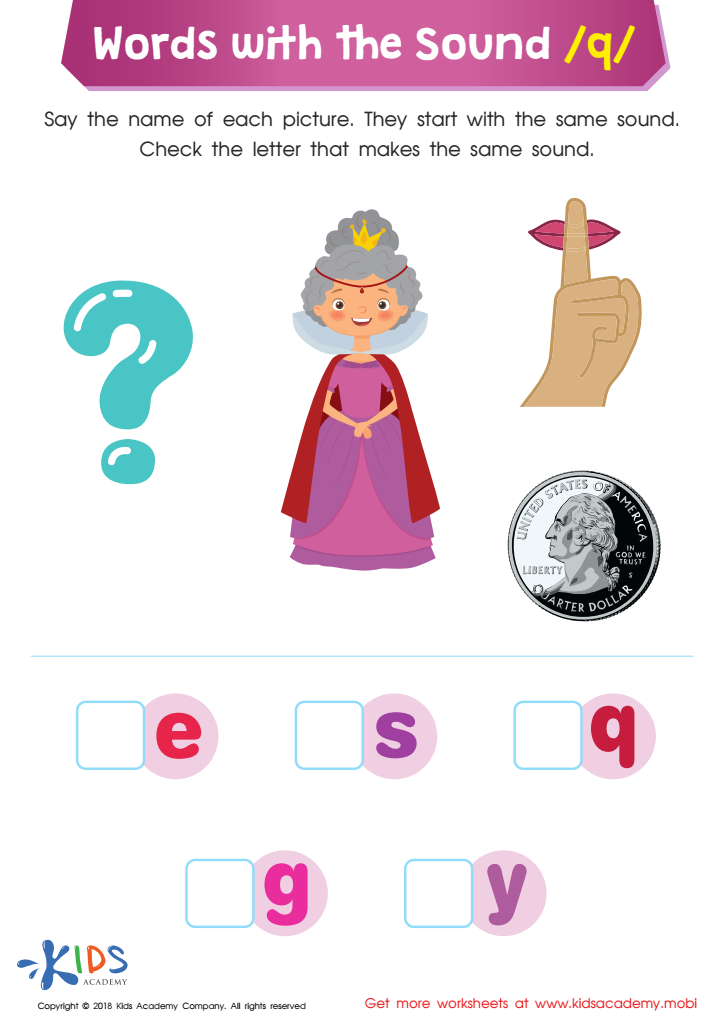
Words with Sound Q Reading Worksheet
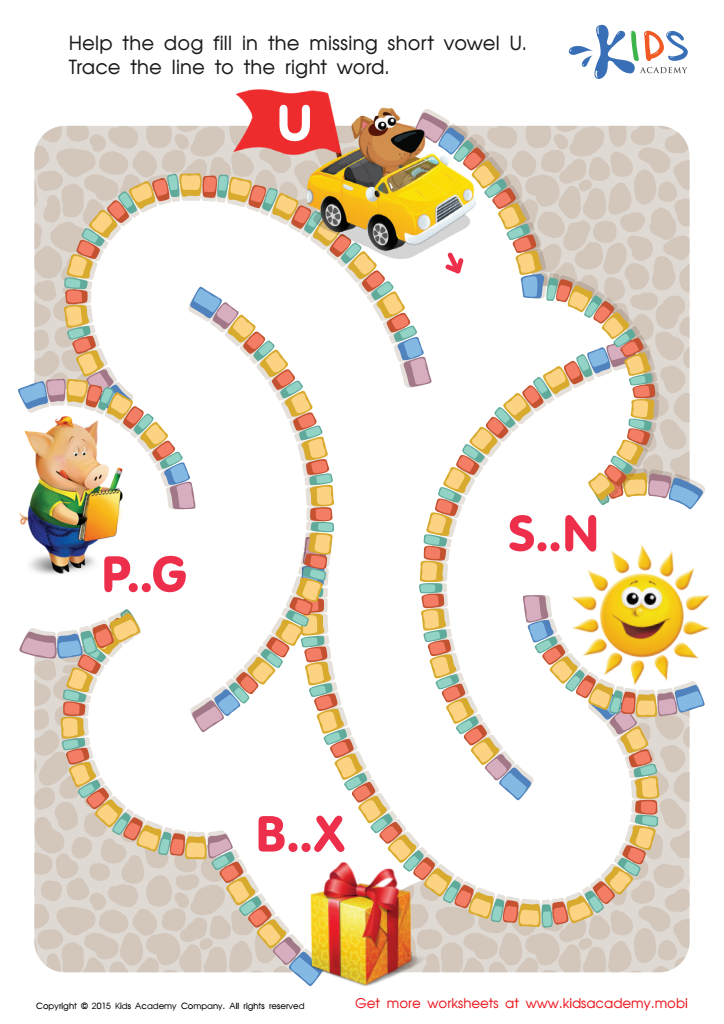
Short Vowel Sound U Worksheet
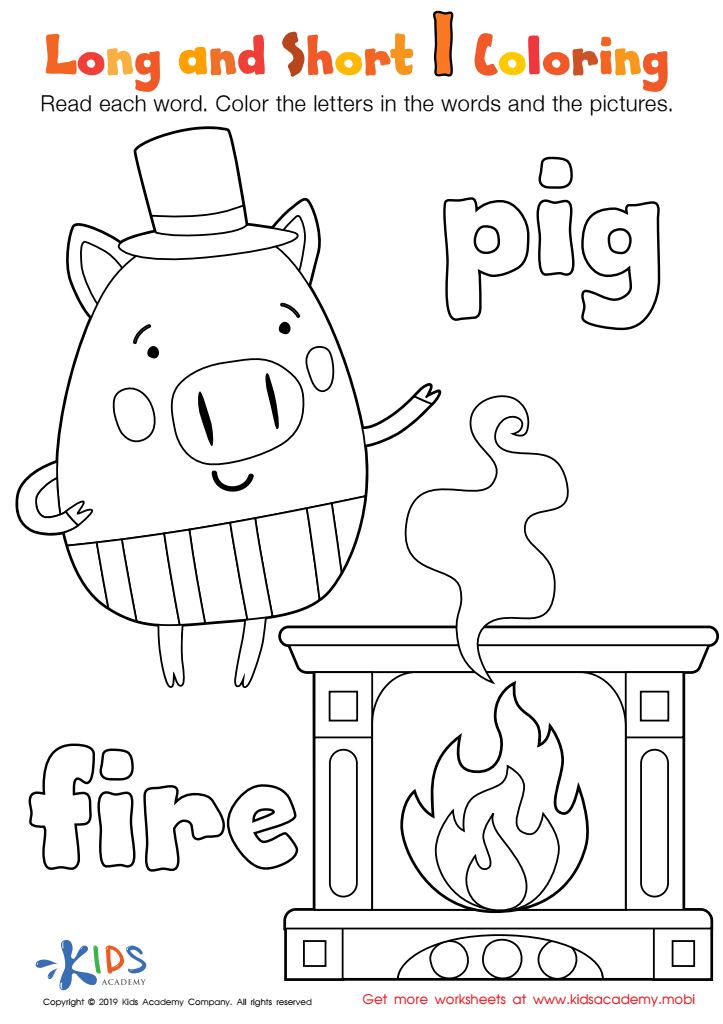
Long and Short I Worksheet
 Assign to My Students
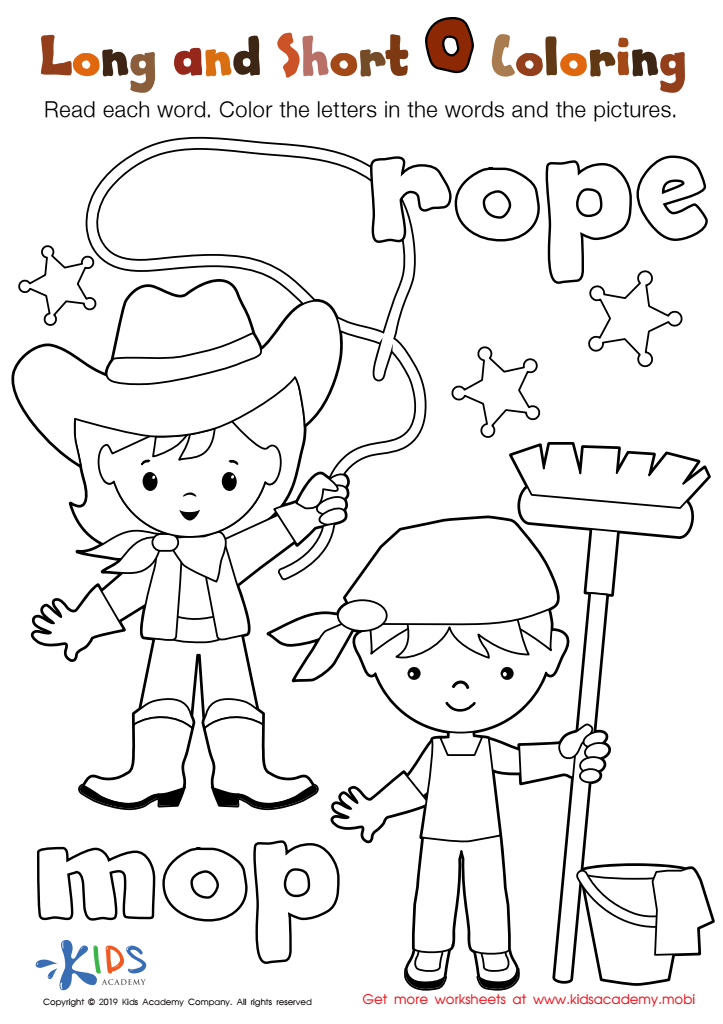
Long and Short O Worksheet
Assign to My Students








Phonics skills development is crucial for 6-year-olds as it lays the foundation for reading and writing proficiency. At this age, children are transitioning from pre-reading to actual reading, and mastering phonics helps them decode words, lift their confidence, and enhance their overall literacy skills. Understanding the relationship between letters and sounds enables children to tackle unfamiliar words, facilitating independent reading.
Parents and teachers should prioritize phonics because proficient reading is essential for academic success across subjects. Early literacy skills positively impact a child's ability to comprehend math problems, follow science texts, and participate in discussions. Furthermore, strong phonics skills foster a love for reading, encouraging lifelong habits that enhance knowledge, creativity, and critical thinking.
Additionally, phonics instruction can be particularly beneficial for children who struggle with language processing or have learning differences. Early intervention can significantly reduce the gap between struggling readers and their peers.
Ultimately, supporting phonics development not only benefits individual children in their educational journeys but also cultivates a generation of literate and confident learners. Engaging in phonics activities at home or in the classroom helps create a rich language environment, leading to better outcomes in literacy and overall educational achievement.







