Visual discrimination Alphabet Worksheets for 6-Year-Olds
5 filtered results
-
From - To
Boost your child's early literacy skills with our Visual Discrimination Alphabet Worksheets for 6-year-olds! These engaging printables are designed to help young learners distinguish between similar letters and improve their ability to recognize the alphabet. Each worksheet features fun activities that promote visual discrimination, including sorting, matching, and tracing letters. Ideal for home or classroom use, these worksheets not only enhance letter recognition but also develop critical thinking and fine motor skills. Download these helpful resources today to ensure your child gets a strong start in reading and writing, paving the way for future academic success.
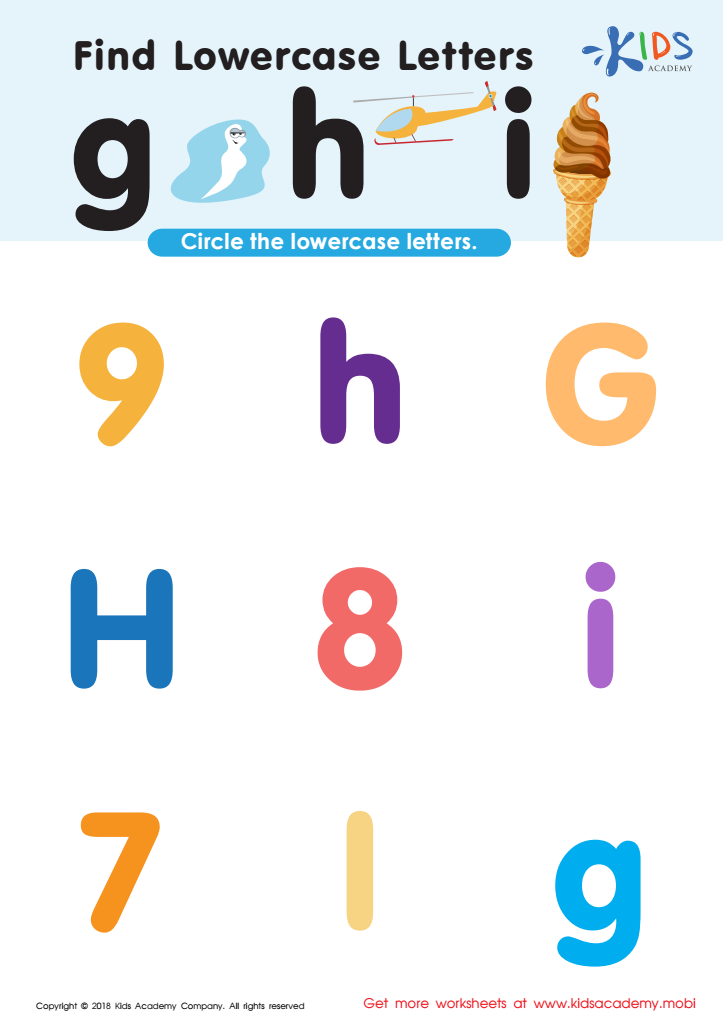
Find Lowercase Letters g h i Worksheet
 Assign to My Students
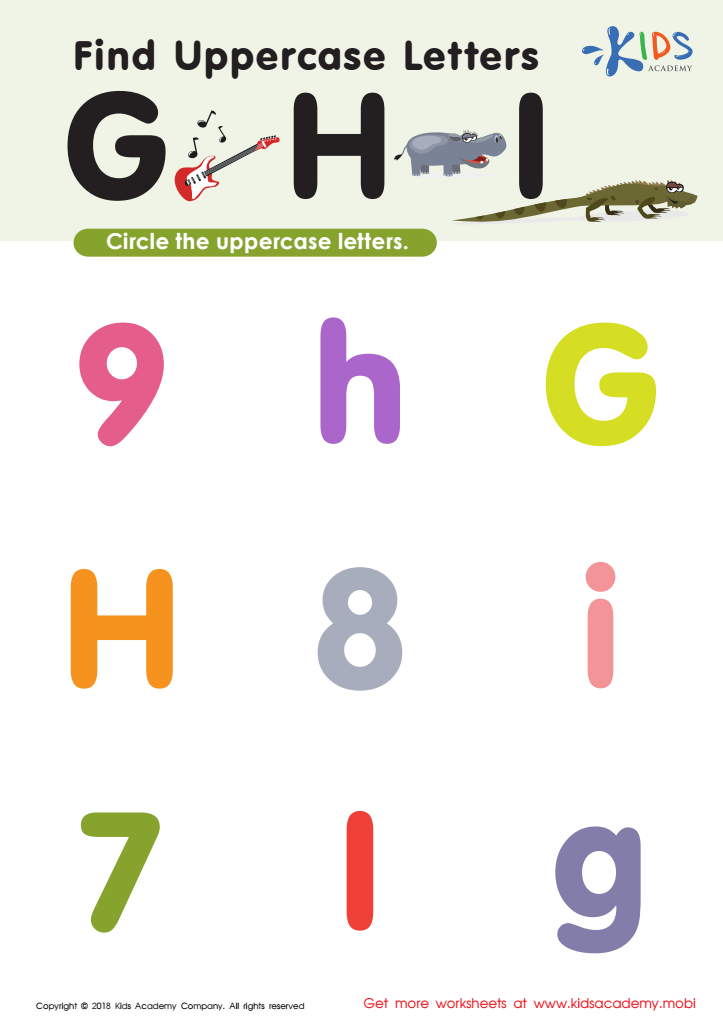
Find Uppercase Letters G, H, and I Worksheet
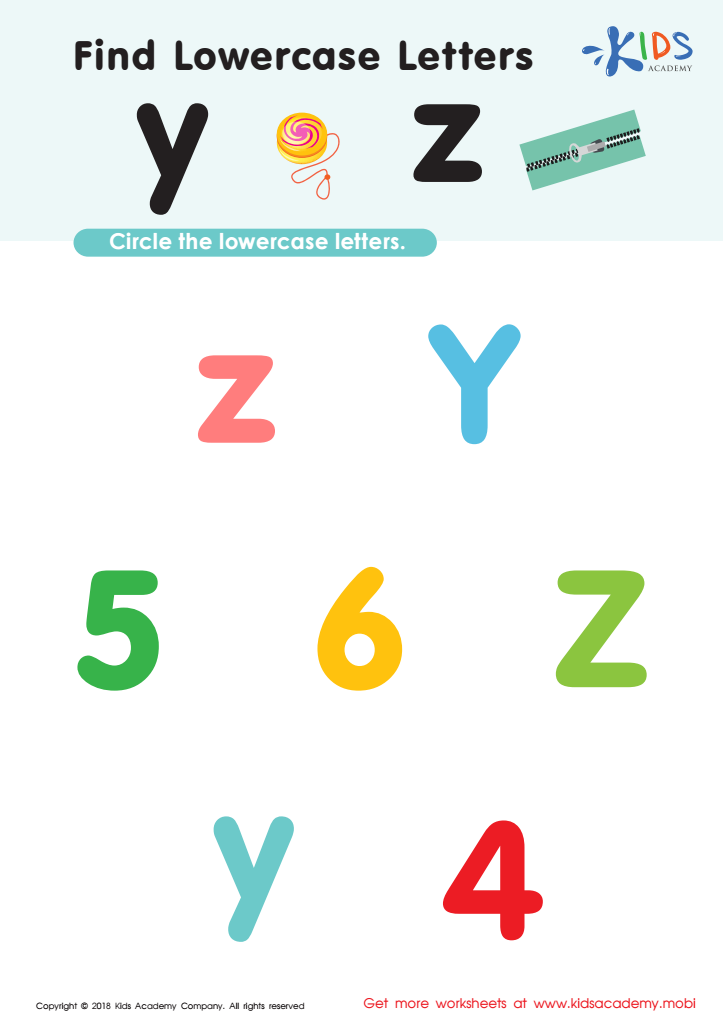
Find Lowercase Letters y z Worksheet
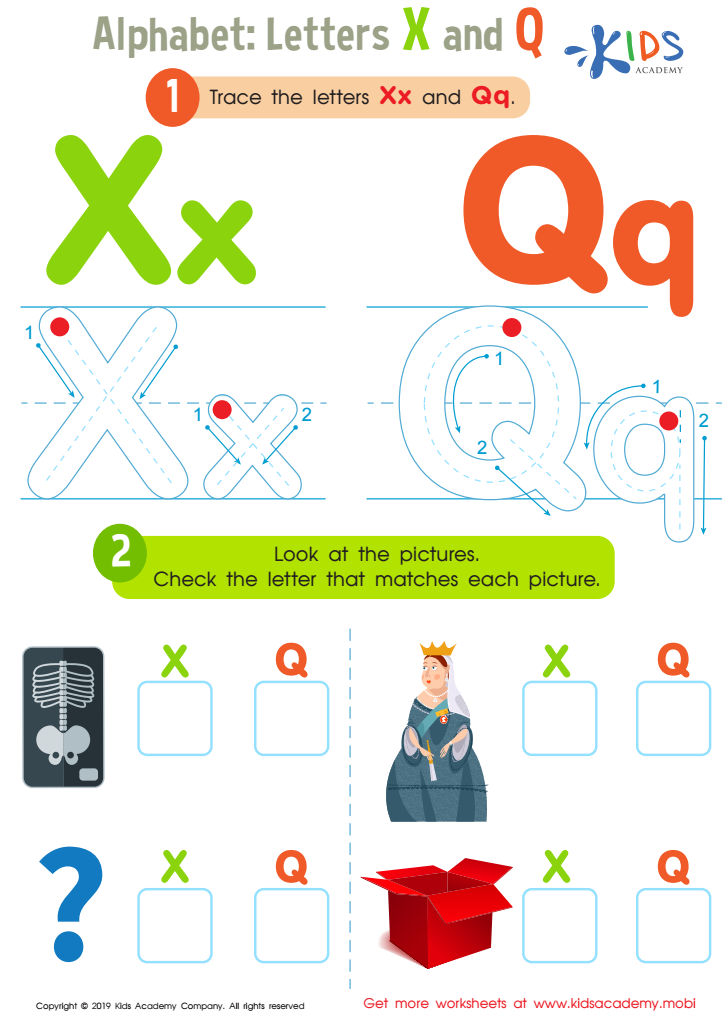
Letters X and Q Tracing Worksheet
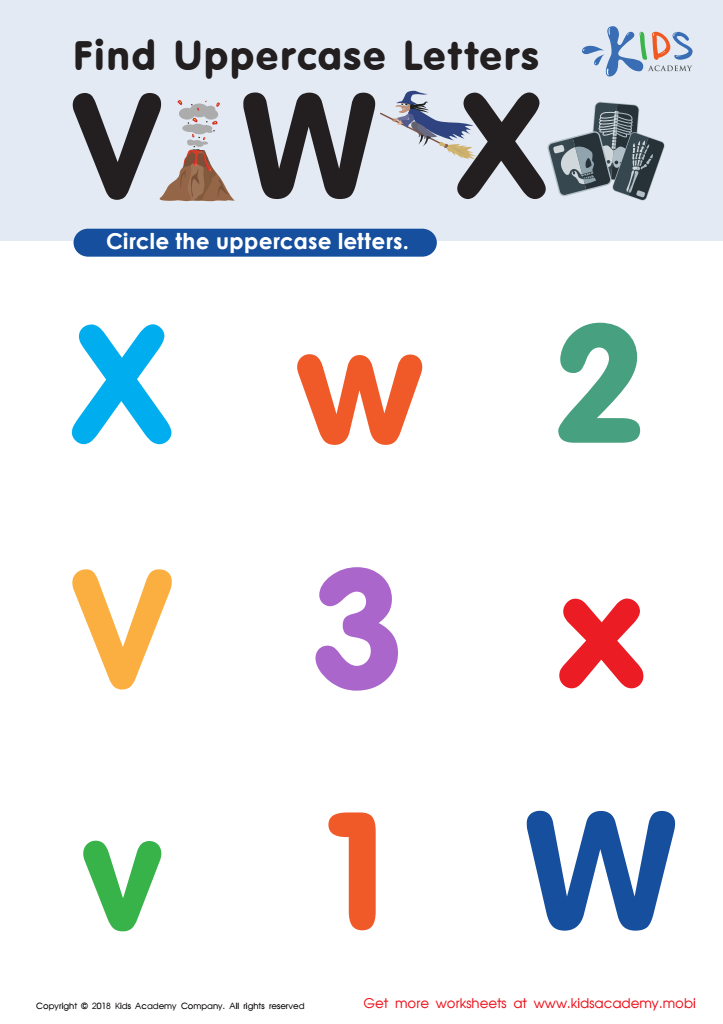
Find Uppercase Letters V, W, X Worksheet








Visual discrimination is the ability to differentiate between similar visual stimuli, which is crucial for early literacy development, especially for children learning the alphabet. For 6-year-olds, this skill underpins not just literacy but also overall cognitive development. Parents and teachers should prioritise visual discrimination activities to enhance their child’s ability to recognize letters, differentiate similar-looking letters like 'b' and 'd', or 'p' and 'q', and ultimately improve their reading and writing skills.
Improving visual discrimination also supports better attention to detail, promotes effective problem-solving, and fosters stronger memory skills. As children encounter a variety of fonts, sizes, and formats, strong visual discrimination skills help them overcome challenges in reading comprehension and writing tasks.
Moreover, engaging parents and teachers in fun activities like matching games, letter sorting, and focused literacy games can build a supportive learning environment. This collective effort assists children in higher academic achievement and boosts their confidence. Ultimately, enhancing visual discrimination skills can smooth the transition to reading and writing, easing potential frustration and burnout during these critical early learning years. By investing in visual discrimination, parents and teachers lay the groundwork for a child's academic success and lifelong love of learning.







